Hepper is reader-supported. When you buy via links on our site, we may earn an affiliate commission at no cost to you. Learn more.
Can Cats Eat Succulents? Vet-Reviewed Facts & FAQ


Succulents are easy to grow and therefore, are extremely prevalent in modern homes. However, cats tend to get into everything, and if you have succulents and cats in the same home, it’s only a matter of time before they get into them.
The good news is the vast majority of succulents are extremely safe to have around cats and even the ones that aren’t will likely naturally deter cats with their aromas and bitter tastes. So, is the succulent that your cat got into dangerous for your cat, or do you need an idea of what succulents to avoid?
You’ve come to the right place. We walk you through everything that you need to know about succulents and cats. This way, you can remove any problem plants to prevent future issues!

Can Cats Eat Succulents?
While we’d love to give you a yes or no answer here, the truth is that it all comes down to the succulent that your cat gets into. While most succulents are completely safe for cats, without researching the specific succulent your cat ingested, you can’t be certain.
So, while you’re probably in the clear, research the specific succulent that your cat ate to know for sure. You can also check the following list, which highlights a few of the most toxic succulents for cats.
Succulents That Are Toxic to Cats
While most succulents are safe for cats, that is not the case for these seven varieties. If you have any of these plants in or around your house, ensure that your cat doesn’t have access to them or consider rehoming them to keep them away from your cats.
1. Aloe Vera
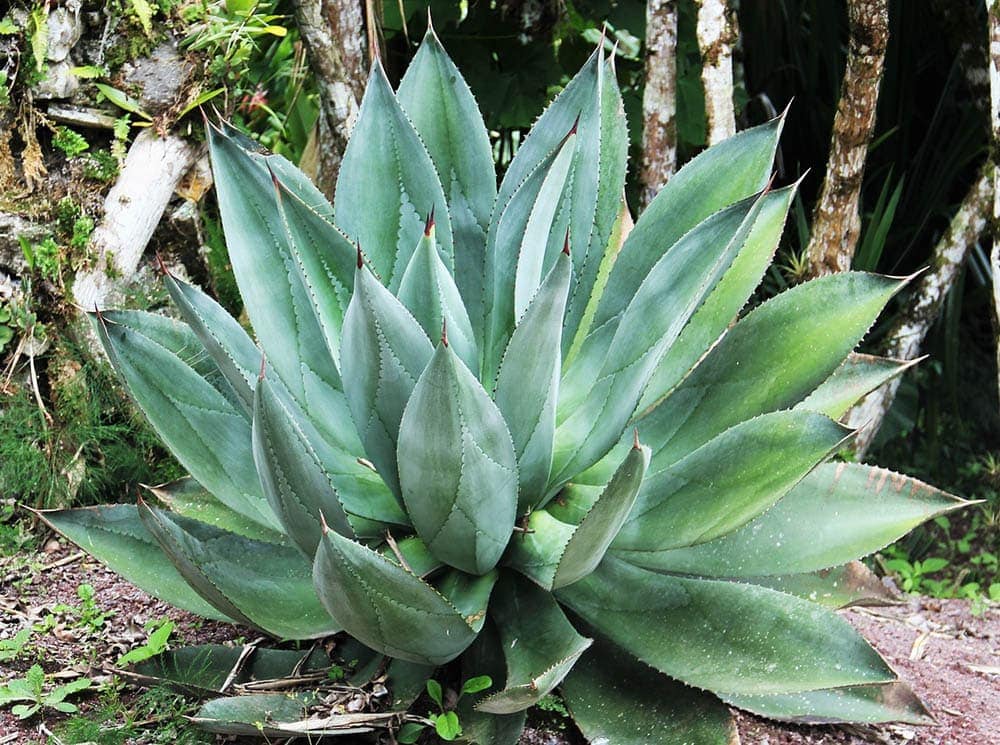
Aloe vera is one of the most well-known succulents out there due to its medicinal properties. But while it might help soothe your sunburn, if your cat gets into it, you’ll have a problem. The aloe vera contains saponins and anthraquinones toxic to your cat if they ingest it.
While most cats won’t go after aloe vera, we highly recommend keeping it in a place that they can’t reach, just to be safe.
2. Euphorbia Tirucalli (Pencil Cactus)
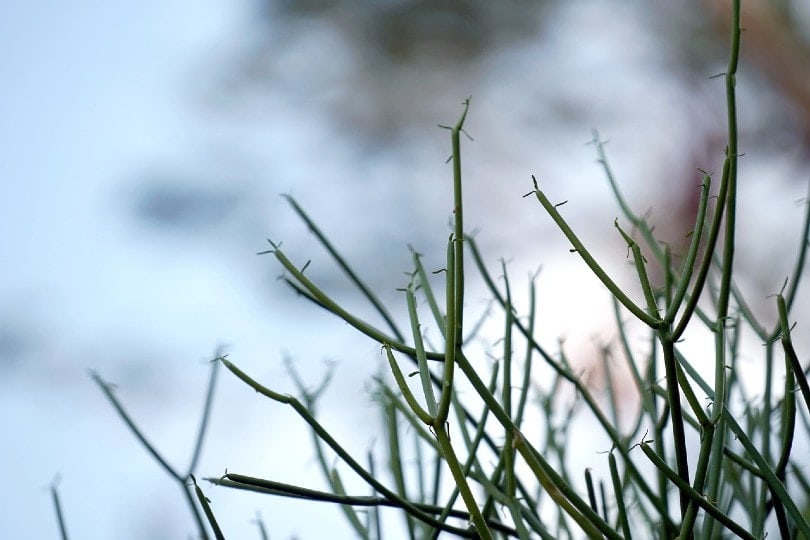
Most cacti have thorns to help deter pets and other animals, but that’s not the case with the Euphorbia tirucalli. Cats can venture quite close, and the dangly nature of the plant makes it enticing for cats to play with.
The problem is the sap, as it is toxic and irritant to cats, so this is a plant that your cat needs to avoid if you have it in the house. If your cat ingests the sap, it can lead to vomiting, diarrhea and pain due to ulceration.
Furthermore, if the sap gets in their eyes or on their skin there can be painful swelling, ulcers or blistering! Since your cat doesn’t even have to eat this plant to get sick, keep it out of your home or in a place that your cat can’t reach.
3. Kalanchoes
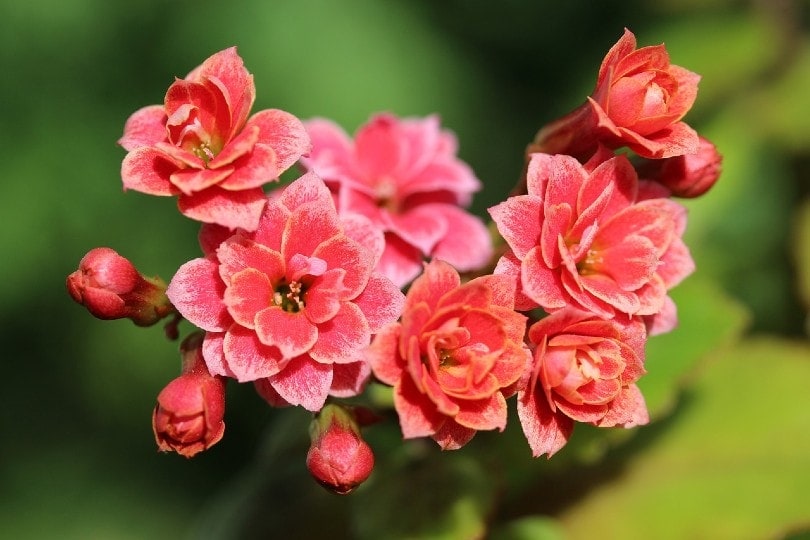
There are tons of different plants in the Kalanchoe family, and they’re all plants that you want to keep away from your cat. Most contain a toxin known as bufadienolide, and it can cause vomiting, diarrhea, and an abnormal heart rate and rhythm if your cat ingests it. There is considerable variation in the toxicity of kalanchoes from no clinical signs to sudden death. It is just not worth the risk to allow cats near these plants.
While most Kalanchoe plants don’t look all that appetizing to cats, some do have colorful blooms that could draw your cat in. Keep these plants in an area that your cat can’t get to.
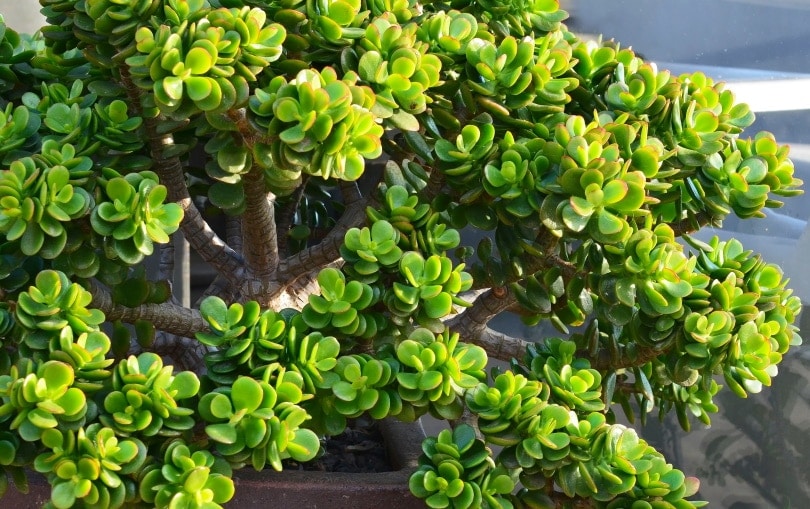
4. Crassula Ovata (Jade Plant)
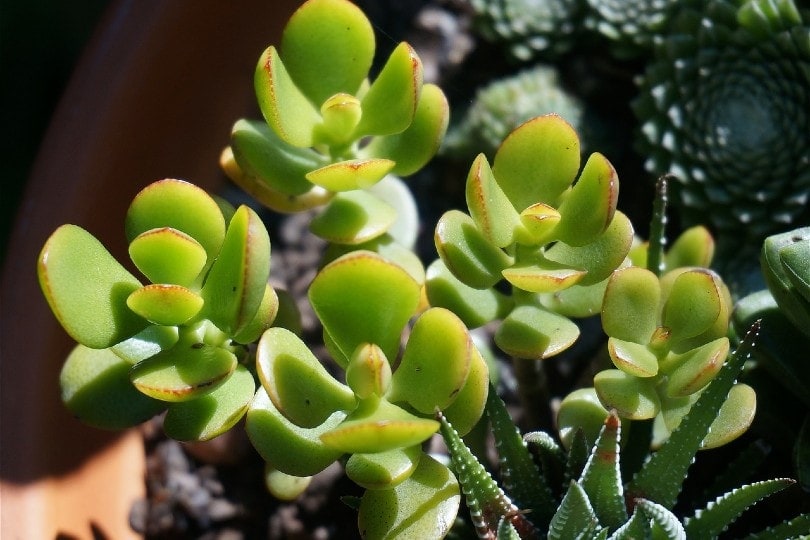
Crassula ovata is a plant family that encompasses a wide array of succulent varieties. They’re extremely common and easy to care for, which means they find their way into a ton of homes.
However, while they’re easy to care for and don’t take up much space if your cat decides to snack on them, they can cause vomiting, diarrhea and a slow heart rate. Researchers aren’t quite sure why they’re toxic. Still, most cats tend to leave these plants alone, so many owners don’t have a problem with their cats getting into them.
But if your cat has a history of ingesting succulents, you should keep all Jade Plant varieties away from them.
5. Sansevieria Trifasciata (Snake Plant)
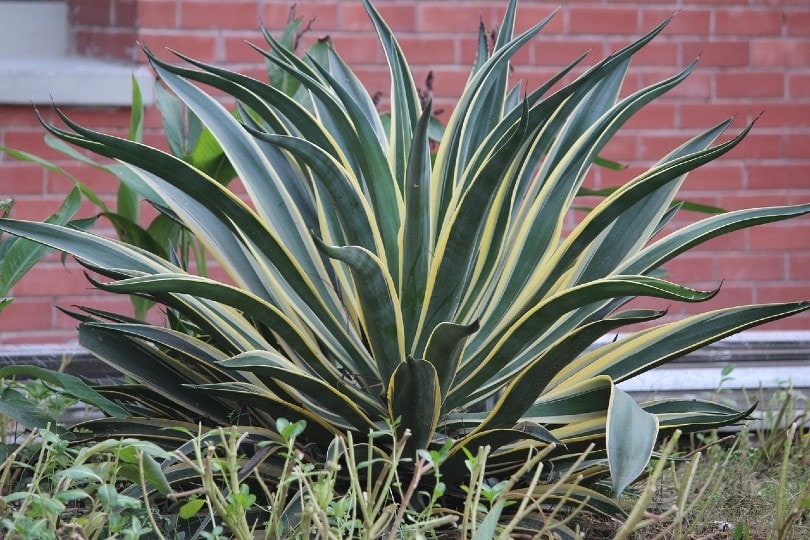
Snake plants aren’t known for their colorful flowers or dangling foliage, so they’re not prime targets for cats. They are easy to take care of, which is why they’re popular.
But the fact that Sansevieria trifasciata is toxic to cats is not that well-known. If your cat does eat it, it can cause nausea, vomiting, and diarrhea, so it won’t be a pleasant experience for your cat.
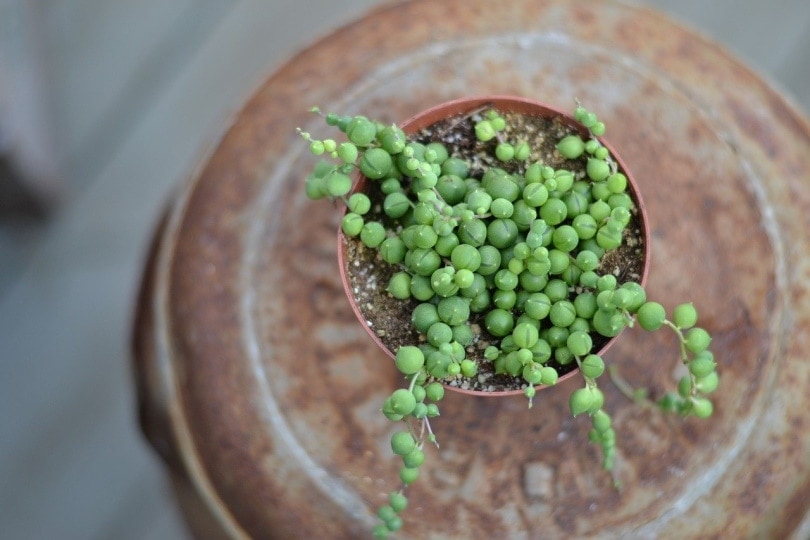
6. Senecio Rowleyanus (String of Pearls)
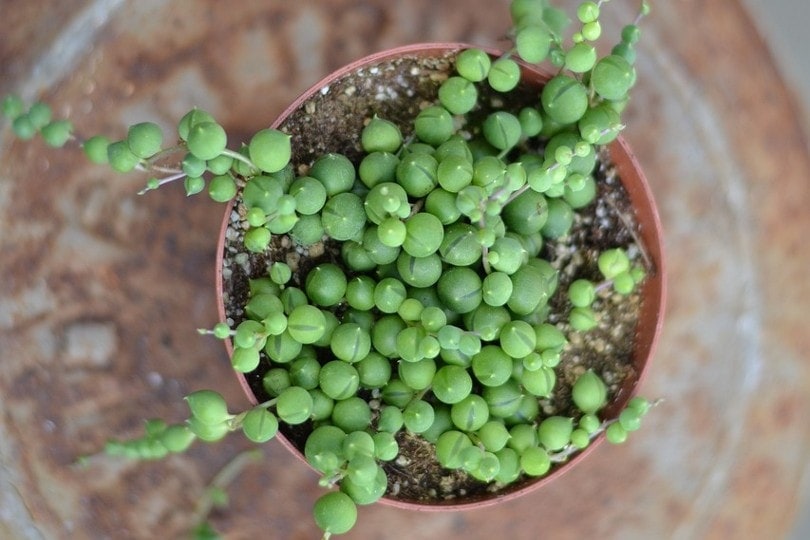
The String of Pearls succulent is well-known for its dangling properties — each vine can reach 3 feet in length! But while this is a major perk for the plant, it’s a major attraction for your cat. The white flowers also give off a cinnamon scent, and for some cats, it’s simply too much to ignore.
The problem is that when cats ingest string of pearls, vomiting, diarrhea, and lethargy ensue. If your cat starts showing interest in this plant, you need to move it away from them as soon as possible.
7. Cycas Revoluta (Sago Palm)
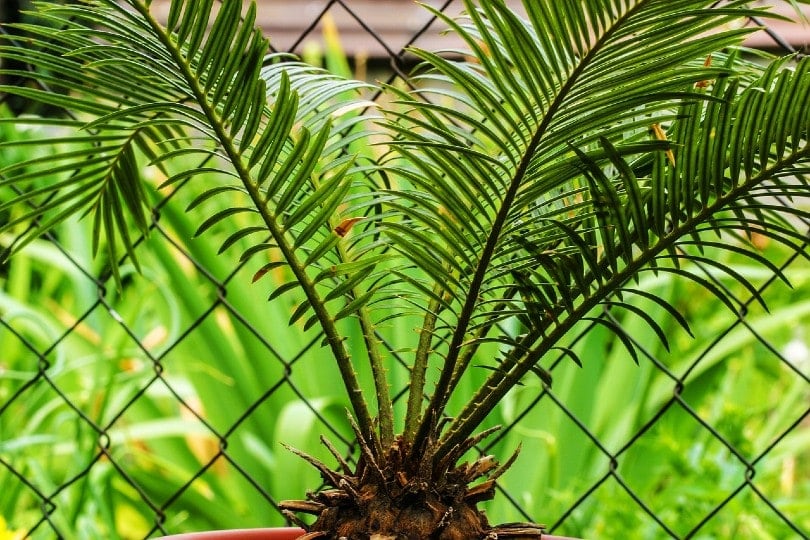
If your cat ingests sago palm, they can start to display symptoms from just 15 minutes to 3 hours after ingestion, and if your cat has a particularly bad reaction, it can be deadly.
The entire plant is toxic, but the worst parts for cats are the seeds. Since these are easy to reach and ingest, that can be a significant problem for cats. Just play it safe and keep them out of your home.

Final Thoughts
While most succulents are safe for cats, it’s always best to stay on your toes and research each plant before you bring it into your home. The last thing that you want to do is bring home a plant that’s dangerous for your cat and not even know it!
The good news is that even if you do find that one of your succulents is toxic to cats and have to get rid of it, there are plenty of other options out there. Keep that green thumb going!
Featured Image Credit: Zhukovskaya Elena, Shutterstock
Get Hepper In Your Inbox


Pet care tips from our vets and experts, straight to your inbox.
You may opt-out at any time. View our Privacy Policy for more information.
Nicole is a lover of animals of all sizes but is especially fascinated with the feline variety. She’s the proud mom of Baby, a Burmese, and works every day so he can relax in the sunshine or by the fire. She’s always had a cat in her home and has spent countless days with others, observing behaviors and softening up even the grouchiest of the lot. Nicole wants to share her kitty expertise with you so you and your cat can live happy, healthy, and care-free.
Join the conversation
Ask a question, share your story, or send private feedback.