Hepper is reader-supported. When you buy via links on our site, we may earn an affiliate commission at no cost to you. Learn more.
Are Yucca Plants Poisonous To Cats? What You Need to Know

In this article
Cats and plants are common in households, but they don’t always mix well. Cats are curious animals that sometimes like to chew, lick, and eat things. While it is fine for cats to eat some house plants (at least in small amounts), there are some that are known to be poisonous if ingested.
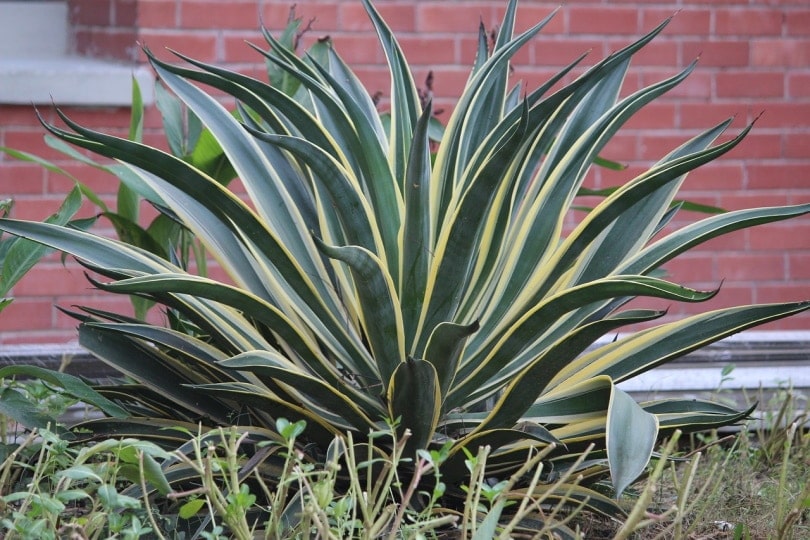
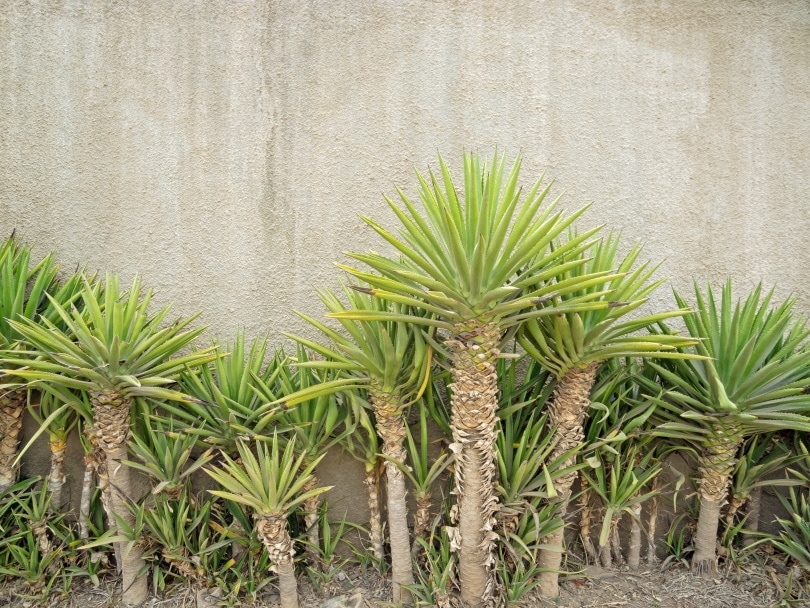
Unfortunately, the yucca plant is poisonous to cats. It contains steroidal saponins, which are toxic to cats.1 Eating a yucca can lead to signs including vomiting, diarrhea, loss of coordination, and even convulsions. If your cat eats yucca and exhibits these signs, consult a veterinarian immediately.
Read on for more information on yucca plants, their effects on cats, and details of other house plants that are considered dangerous to them.

Yucca Plants
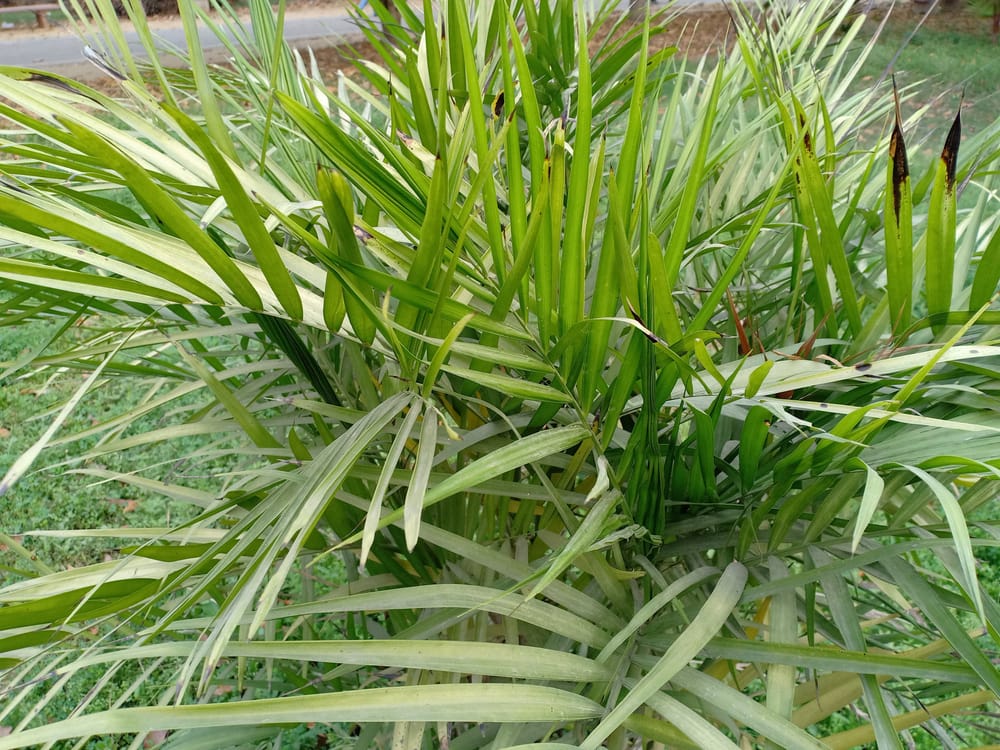
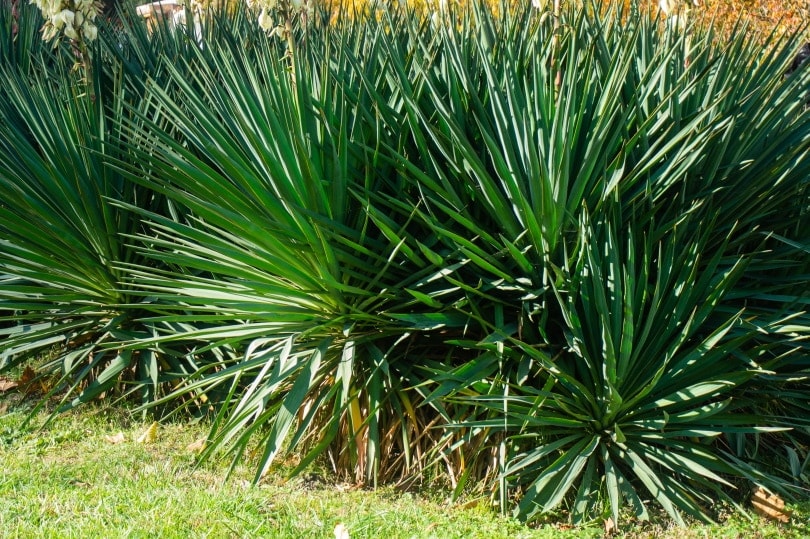
In the wild, Yucca plants are native to Mexico and the Caribbean. They can withstand droughts, which is especially useful if you are a houseplant owner who forgets to water your plants. They are visually appealing, thanks to their long and pointy fronds, and they can grow quite large, but the yucca is a slow-growing plant that can take many years to mature.
The root of the yucca is used to make medicines and supplements. It has been used to treat osteoarthritis, migraines, inflammation, colitis, high cholesterol, and stomach disorders. Most of the yucca can be eaten or consumed. Humans can consume the stems, leaves, flowers, and fruit of almost all types of yucca.
Yucca extract is used in some carbonated beverages, but there’s not enough scientific data to back its medicinal claims. We do not endorse or recommend yucca for anything other than planting, growing, and admiring.
Yucca Toxicity In Cats
Although edible for humans, yucca plants are not considered safe for cats. In fact, they are listed as toxic. The steroidal saponins are found throughout the plant, including in the root. It is also in the leaves, stalks, and fruit. Although they are considered toxic, they are more likely to cause significant problems if your cat regularly grazes on the plant rather than if they eat one leaf.
If they try a mouthful of yucca, your cat may experience mild vomiting and diarrhea. If they eat the plant regularly, your feline friend could endure severe vomiting and diarrhea as well as convulsions. Severe diarrhea is a problem because it causes dehydration. You should seek veterinary attention for your cat if it is vomiting regularly.

Other Potentially Harmful Houseplants
You should avoid having yucca plants in your home if your cat is prone to chewing on leaves. However, the yucca isn’t the only houseplant that is toxic to cats.
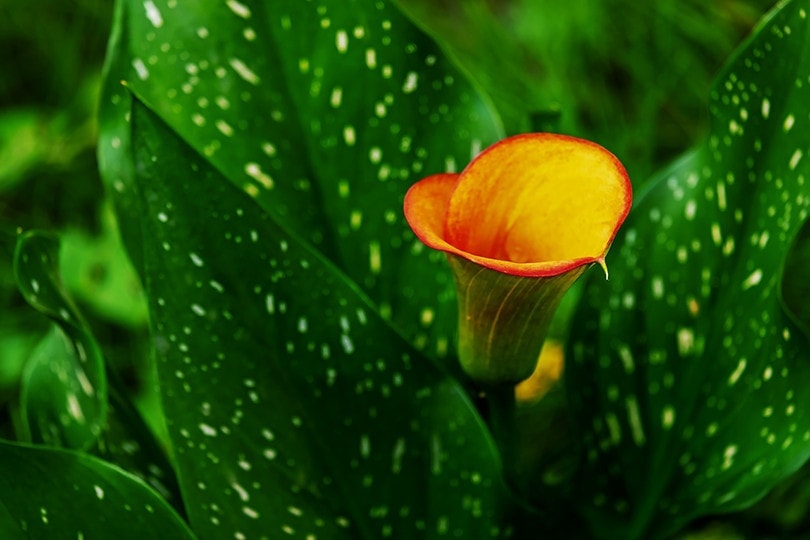
1. Lilies
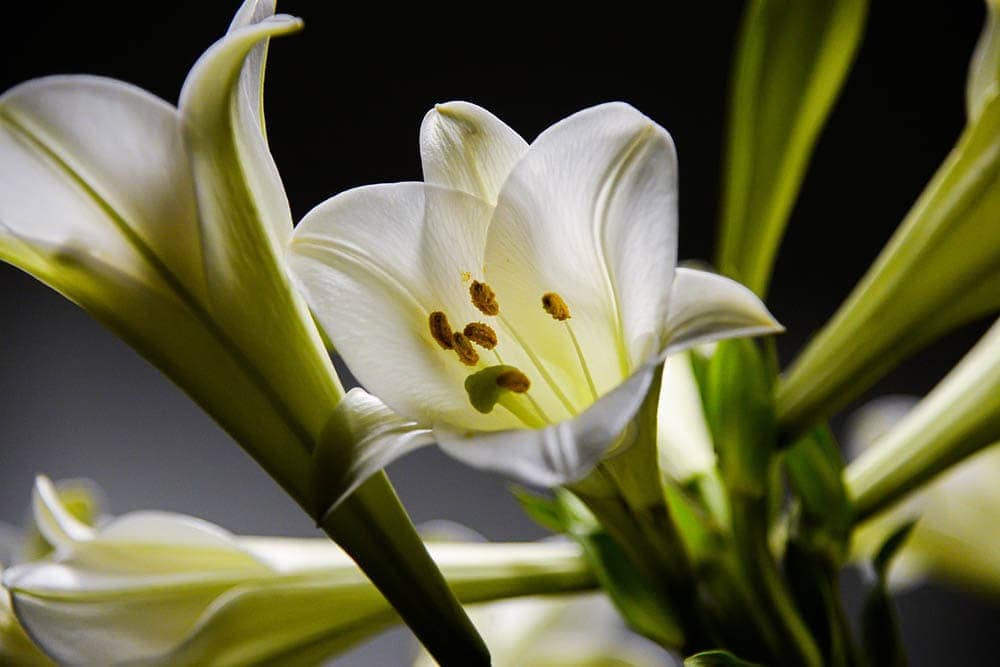
Lilies are highly toxic to cats. The leaves, the stem, and even the water in the vase are dangerous. If you have the kind of cat that likes to nibble everything, be very careful about having this plant in your home. Vomiting, diarrhea, and excessive drooling are the main signs of lily poisoning and typically start within 12 hours of ingestion.
2. Aloe Vera
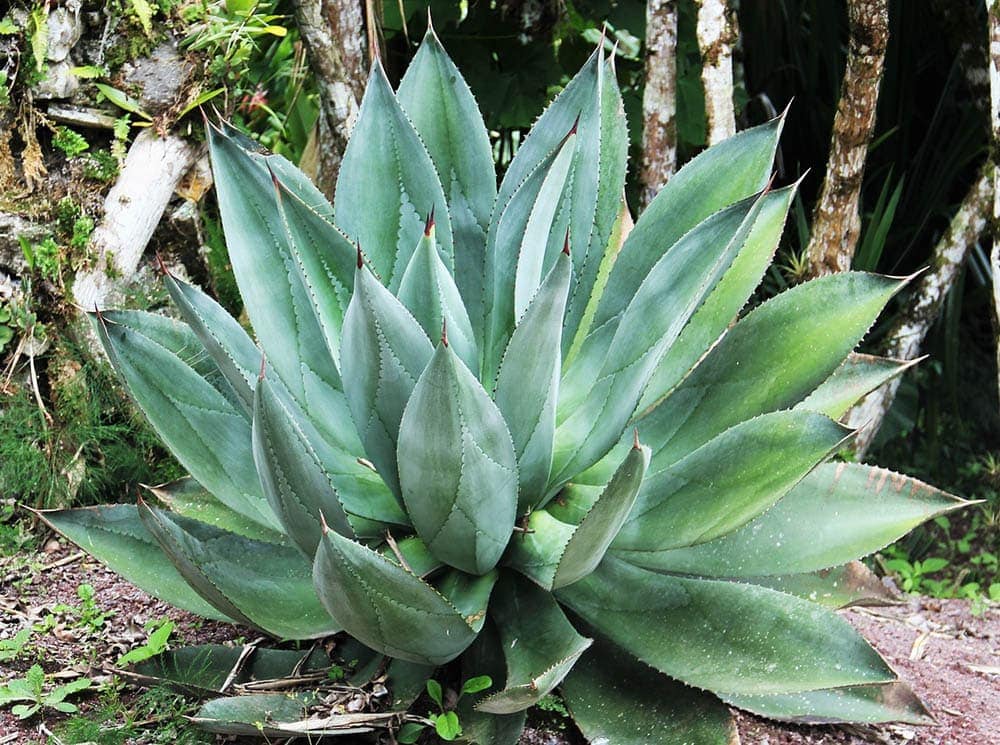
Aloe vera is another plant that has long been revered for its medicinal properties in people. It is also popular for its unique look, but if your cat ingests the juice from aloe vera, they could become very sick. A loss of appetite and a change in urine color may be followed by tremors.
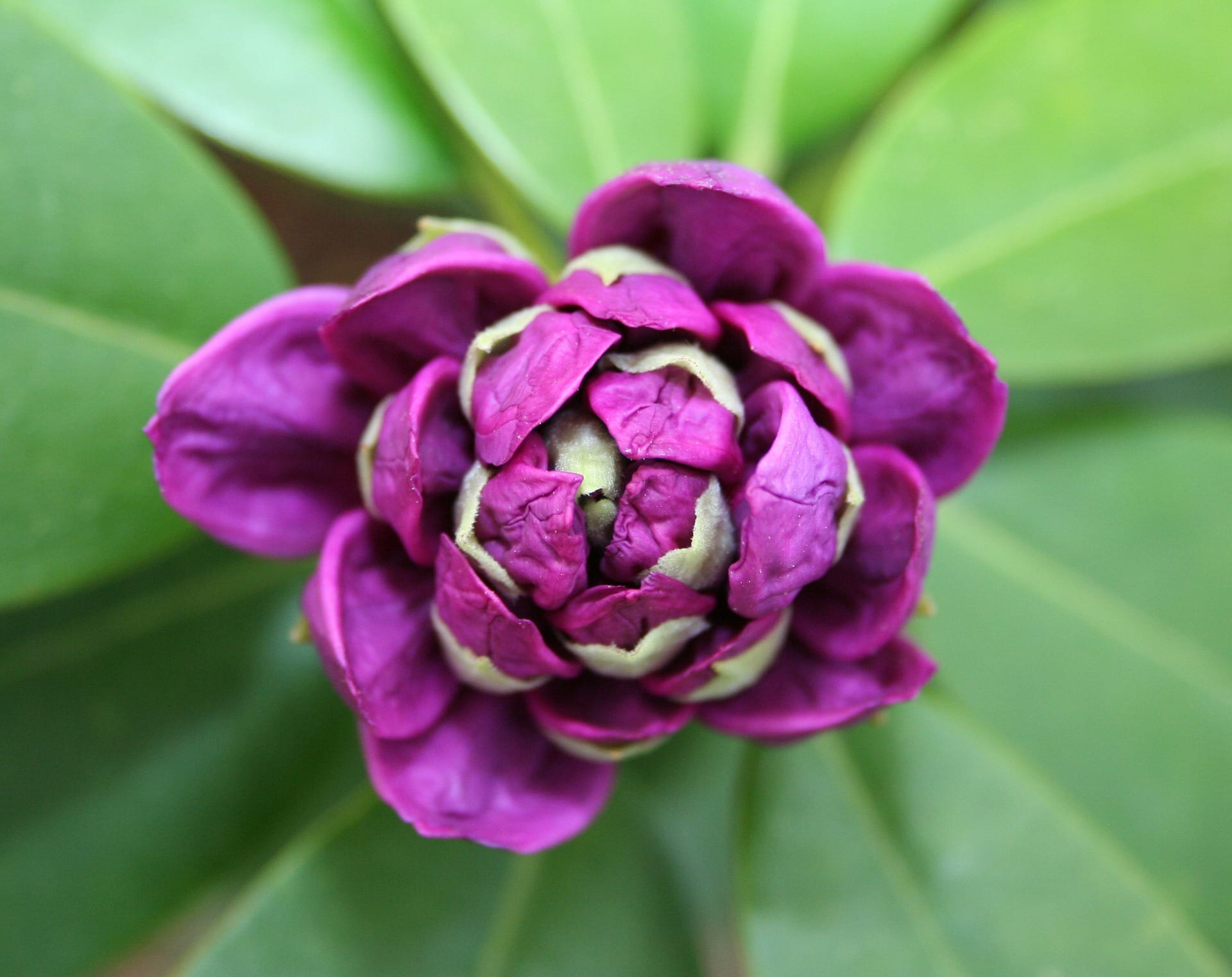
3. Peonies
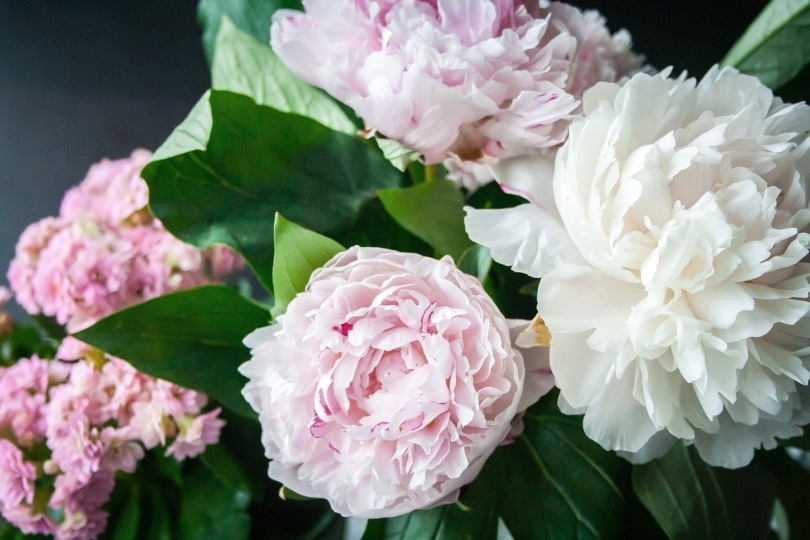
Peonies are not only beautiful little plants, but if they are given the right conditions, they can flower and flourish for hundreds of years. The same can’t be said for cats that eat them. Peonies are known to cause depression as well as vomiting and diarrhea when consumed by felines.
4. Eucalyptus
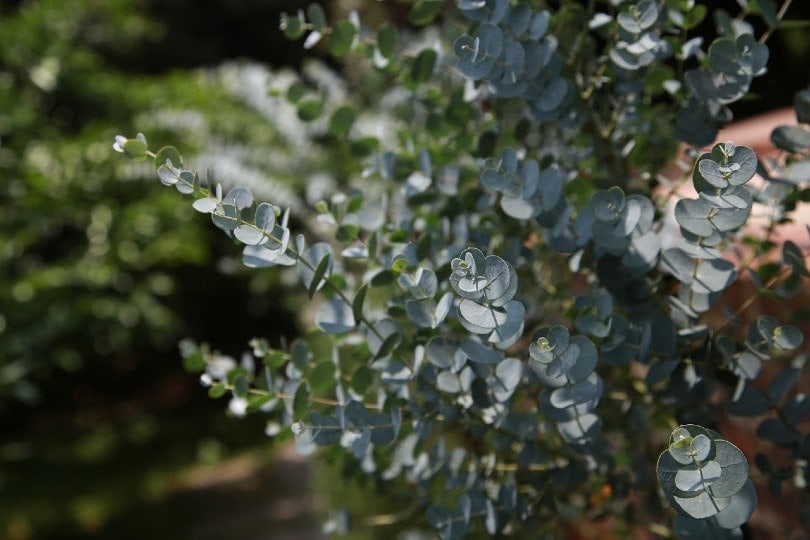
As another plant famed for its medicinal values, the eucalyptus is also another houseplant that can cause serious illness in cats. Any part of the plant can lead to an adverse reaction that includes vomiting, diarrhea, and drooling. Like Peonies, it can also cause depression as well as weakness and listlessness.
5. Rubber Plant
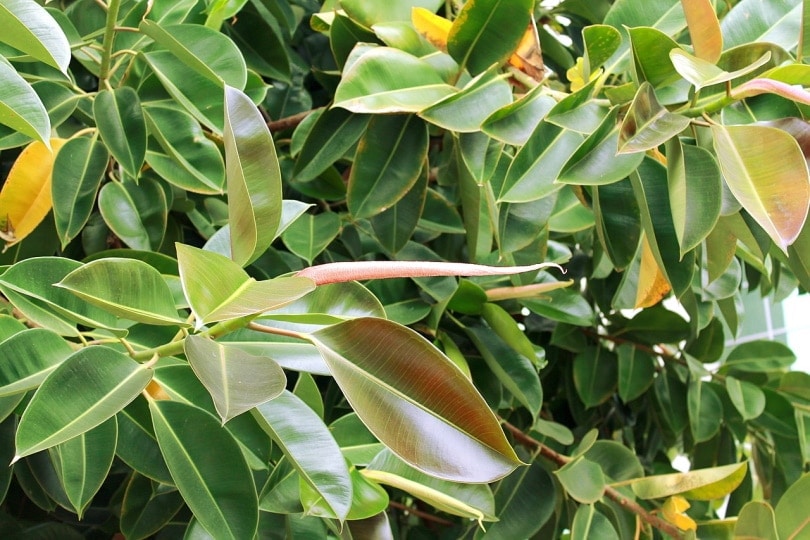
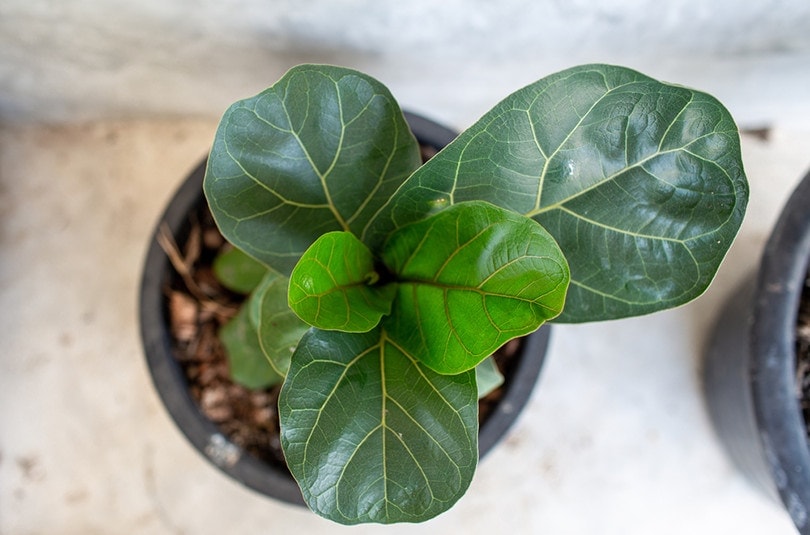
There are several genera of rubber plants, and they are all considered toxic to cats. The signs include vomiting, diarrhea, depression, and loss of coordination. Reactions to the rubber plant are not usually as severe as with other plants, but you should still speak with a veterinarian if you believe your cat has consumed any.
The Top 3 Safe Replacements For Your Yucca
Not all houseplants are toxic to cats. If you’ve had to eliminate your rubber plants, yucca plants, and aloe vera, here are three alternatives to replace them.
1. Spider Plant

The spider plant is not dangerous to cats, but we can’t guarantee that cats aren’t hazardous to the hanging, trailing plants. They purify the air but dislike direct sunlight. They are also tough plants that will survive most conditions other than, perhaps, being eaten by your cat.
2. African Violet
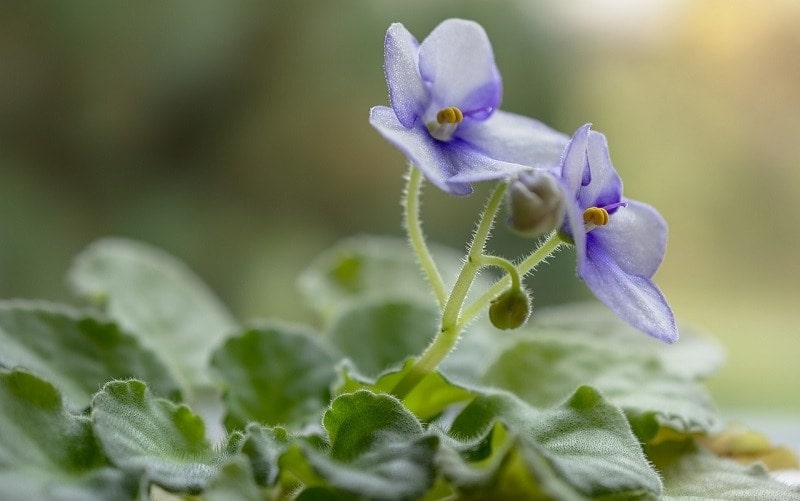
The African violet is a dainty, pretty little flower. They need regular watering, but with regular fertilization, they bloom throughout the year and bring a dash of pretty color to your home.
3. Money Tree
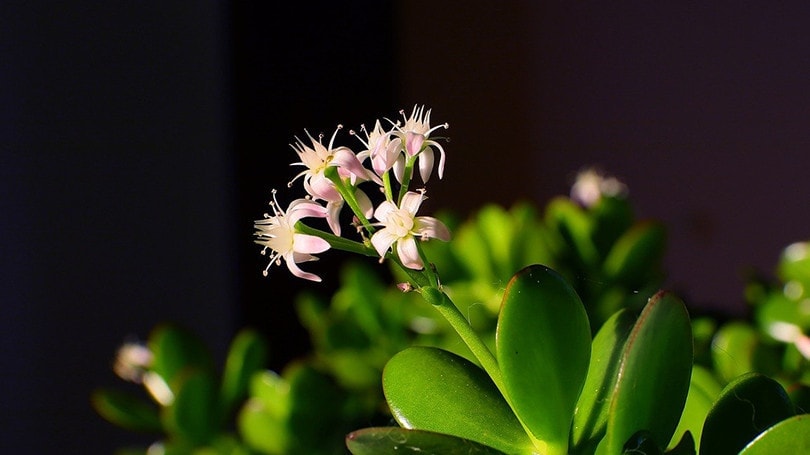
If you want a large plant to replace a yucca, the Money Tree is a good option, and it could help bring financial prosperity. This large plant is not toxic to cats but can cause gastrointestinal upset if your feline friend eats it too often.
Conclusion
Some houseplants are toxic to cats, including the yucca plant. If you have a cat that likes to chew or eat plant leaves, you should avoid keeping a yucca plant at home. Other plants to avoid include Aloe Vera and Peonies, but you can replace them with African Violets, Spider Plants, and Money Trees. That way, you can still enjoy the many benefits of indoor plants while ensuring your cat doesn’t get ill.
Featured Image Credit: Klaus Ulrich Mueller, Shutterstock
Get Hepper In Your Inbox


Pet care tips from our vets and experts, straight to your inbox.
You may opt-out at any time. View our Privacy Policy for more information.
Oliver (Ollie) Jones is a zoologist turned freelance animal writer living in South Australia with his partner Alex and their mini zoo consisting of many aquatic creatures, dog Pepper, and of course, cat Steve. Ollie is originally from the USA and holds a Master's degree in wildlife biology. He hopes to share his feline knowledge and expertise with people so they can share in his passion and help their cats live their best lives.
Join the conversation
Ask a question, share your story, or send private feedback.