Hepper is reader-supported. When you buy via links on our site, we may earn an affiliate commission at no cost to you. Learn more.
21 Plants That Are Safe for Cats (To Have Around Your House)


In this article
You can experience several benefits from adding plants to your home. Plants can have a therapeutic effect, lower stress levels, and purify air quality. While plants can make your home look lively, it’s important for cat owners to be discerning of the types of plants they buy because many common plants are actually toxic to cats.
Fortunately, there are also many plants that are safe for cats. Here are some common non-toxic plants that you can bring home today.

The 21 Plants That Are Safe for Cats
1. Catnip (Nepeta cataria)
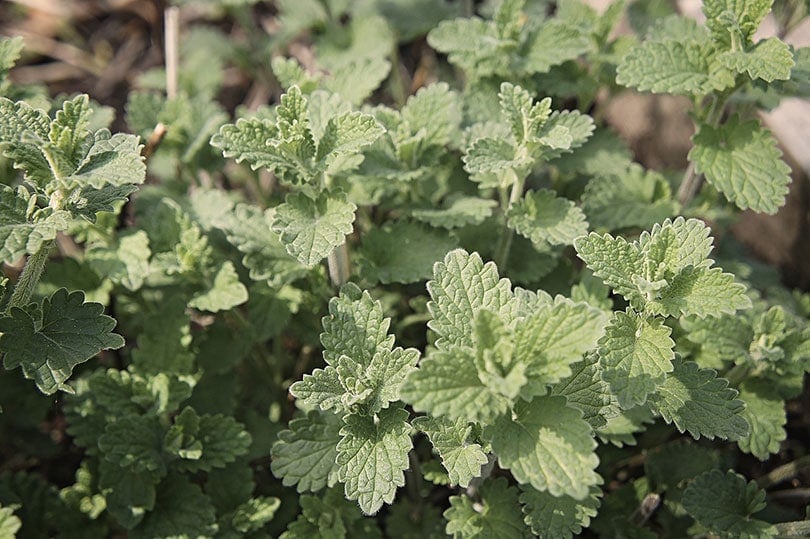
Catnip is a hardy herb that’s easy to grow in a pot or your backyard, and it may help you save on costs if your cat’s an avid catnip fan. You can give your cat a fresh cut of leaves or dry them and grind them if you want to sprinkle your cat’s toys with catnip.
While most cats won’t overindulge and get sick from eating too much catnip, your cat may find this plant irresistible to play with. If this is the case, just make sure to keep the plant pot in an unreachable place or grow the catnip outdoors.
2. Cat Grass (Dactylis glomerata)
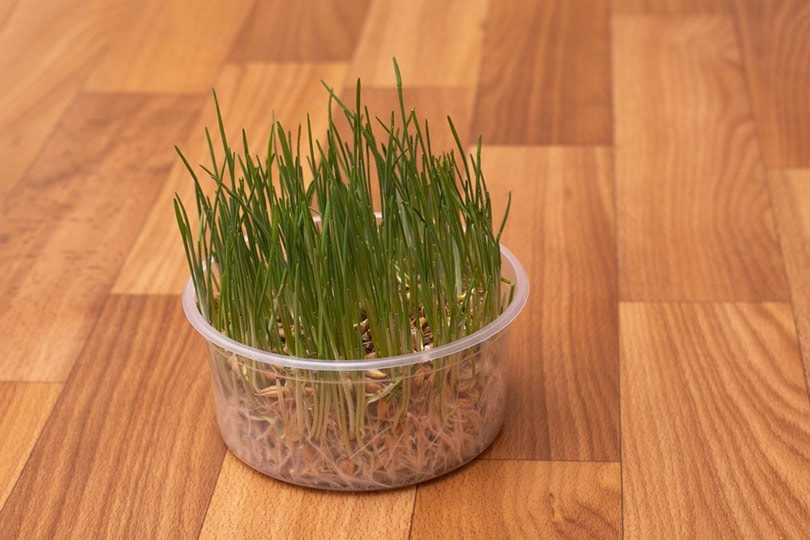
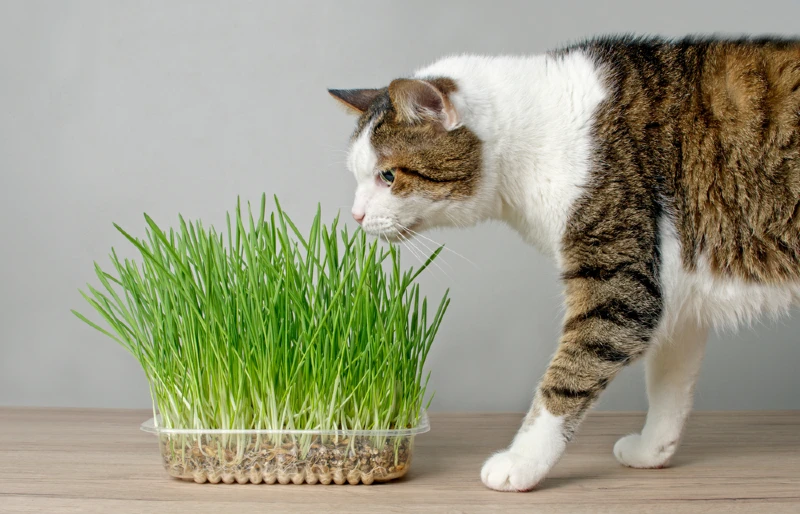
Cat grass is a blend of grasses that are safe for cats to eat. The grass usually consists of wheat, barley, oats, or rye. One of the benefits of cat grass is that it’s easy to grow and maintain. It can also deter cats from chewing up other plants you have around the house.
One of the easiest ways to get cat grass is to purchase a batch of it from a pet store. You can get a growing kit, but it takes weeks for the grass to grow. There’s also the chance that the seeds simply won’t sprout.
3. Silver Vine (Actinidia polygama)
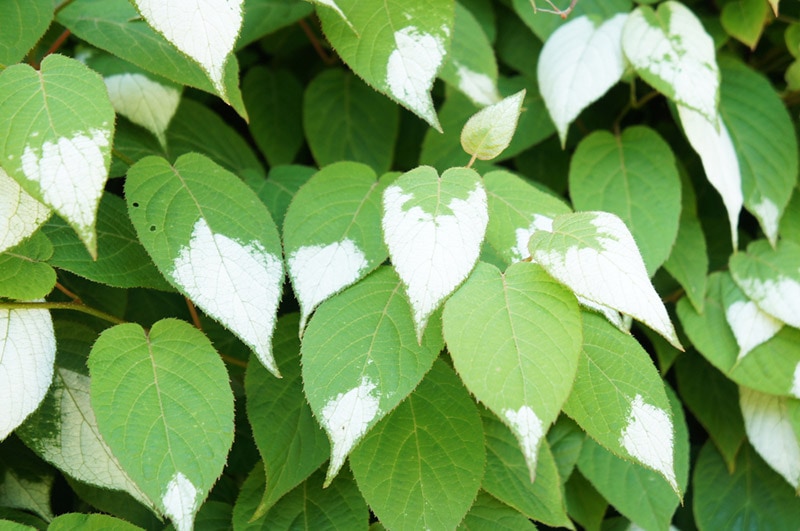
Silver vine is another plant that’s popular amongst cats. It produces similar effects to catnip, and like catnip, it doesn’t have addictive properties. So, it’s a popular alternative for cats that don’t respond to catnip. In fact, according to a 2017 study, more cats seem to respond to silver vine than cats that respond to catnip.
Silver vine grows best outdoors in partial shade and in USDA hardiness zones 4 to 9. You can give your cat fresh-cut leaves or dry them out and store them for later use.
4. Spider Plant (Chlorophytum comosum)
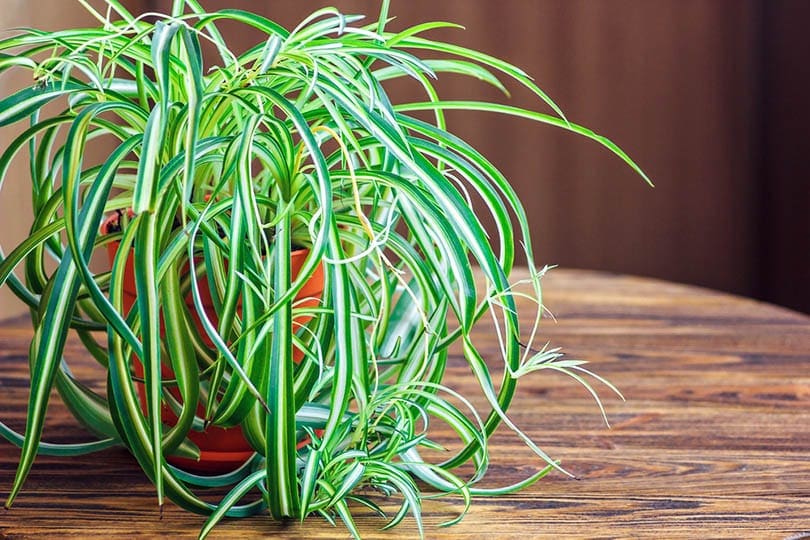
Spider plants are popular houseplants that are both safe for cats and extremely easy to care for. These hardy plants prefer areas with light shade and often thrive when grown in hanging baskets. They also grow pups very easily, and they’re easy to transfer to new pots. So, if you’re looking to fill your home with greenery, spider plants will help you get the job done. They’re also fun gifts to give to others who are interested in growing houseplants.
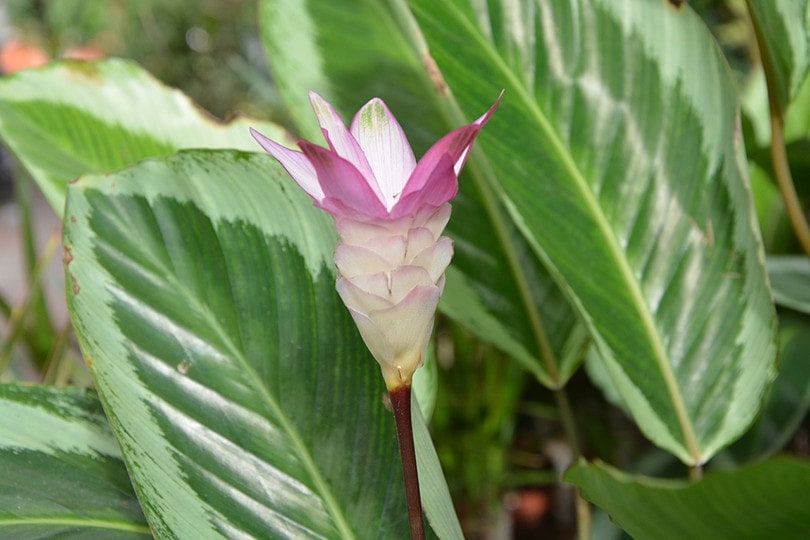
5. Prayer Plant (Maranta leuconeura)
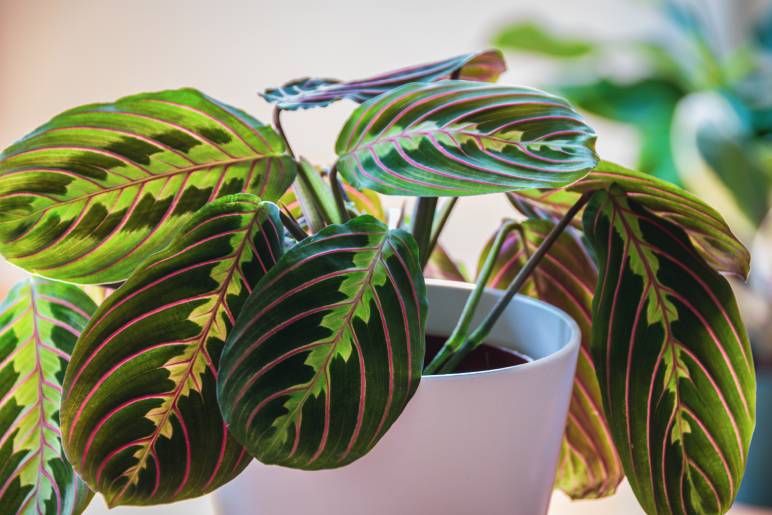
Prayer plants are tropical plants native to Brazil. This plant got its name from its unique leaves. The leaves will fold up during nighttime and unfold as the sun rises. The leaves also have a beautiful tri-colored pattern that makes any indoor space look livelier.
Prayer plants grow best in well-draining soil and in indirect sunlight. They don’t do well when their soil is completely dried out, so it’s important to make sure they’re being watered consistently.
6. Orchid (Orchidaceae)
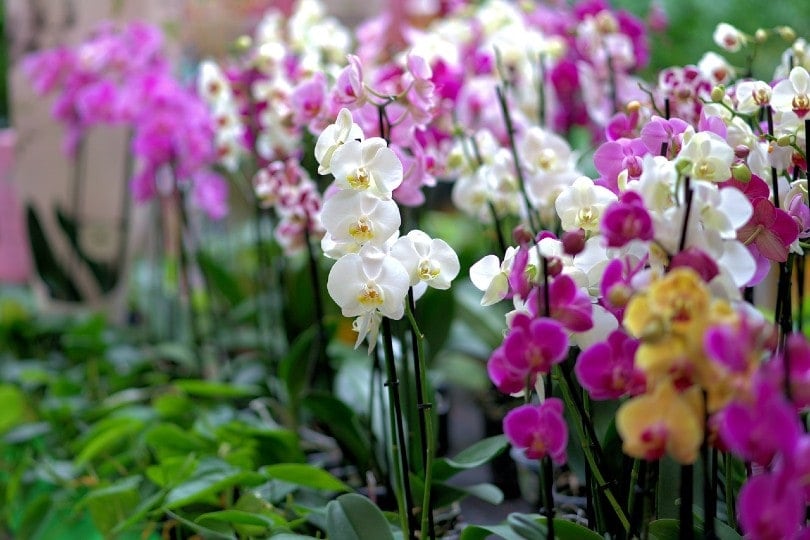
Orchids grow beautiful ornamental flowers that make a statement in any home. You can find orchids of all sizes and colors, so it’s easy to find one that will match the rest of your interior décor. Just keep in mind that the flowers can be a bit finicky and difficult to bloom. So, this plant is often reserved for more experienced growers.
Some curious cats may want to taste the orchid’s beautiful blooms. So, you may have to place the plant in a more hard-to-reach spot. However, you can rest assured that no part of the plant is toxic to cats, so your cat won’t get sick if they chomp on a petal.
7. Christmas Cactus (Schlumbergera)
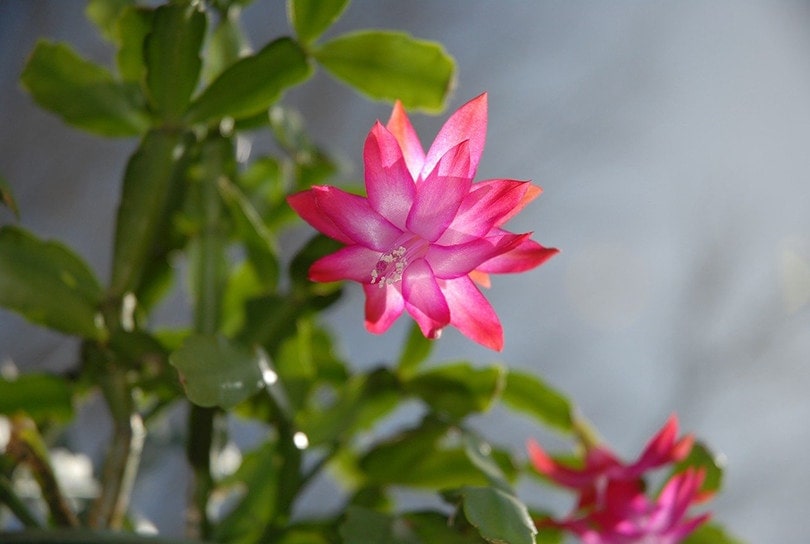
Christmas cactuses are beginner-friendly houseplants due to their hardiness. Their leaves are just sharp enough to deter cats from trying to eat them, but they’re not likely to puncture the skin. So, they’re a safe choice for homes with cats, and cats are likely to leave them alone.
Christmas cactuses also bloom seasonally, and it’s relatively easy to encourage flowers to bloom. They typically bloom at lower temperatures and during months where there’s less sunlight.
8. Money Tree (Pachira aquatica)
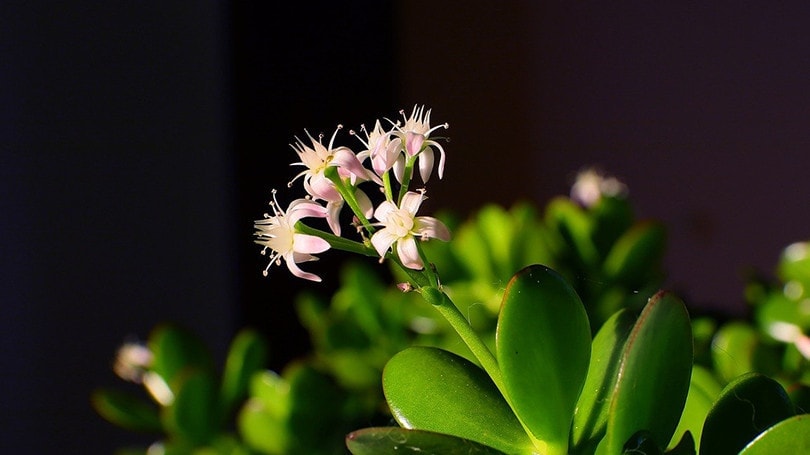
Money trees, or Guiana chestnuts, are another non-toxic plant that’s relatively easy to grow. They also come in different sizes, so you can get a tabletop plant or a full-sized tree in your home. Just keep in mind that larger money trees may not be the best choice if your cat enjoys climbing. The trunks are usually braided and on the thinner side. So, they won’t be able to support your cat’s weight and are likely to snap.
9. Chinese Money Plant (Pilea peperomioides)
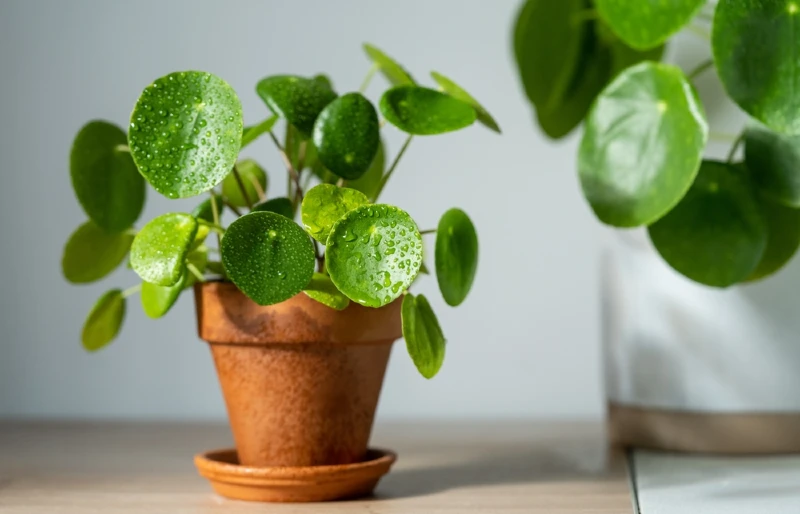
Chinese money plants are becoming increasingly popular, and you can find more plant shops having them in stock. These plants are fairly easy to keep. They’re quite communicative, and the leaves will droop whenever the plant needs to be watered. They do best when grown in well-draining soil and areas with indirect sunlight.
Chinese money plants are also a symbol of luck, wealth, and good fortune. There’s a superstitious belief that they attract prosperity to your home. So, it doesn’t hurt to have one around.
10. Echeveria (Echeveria)
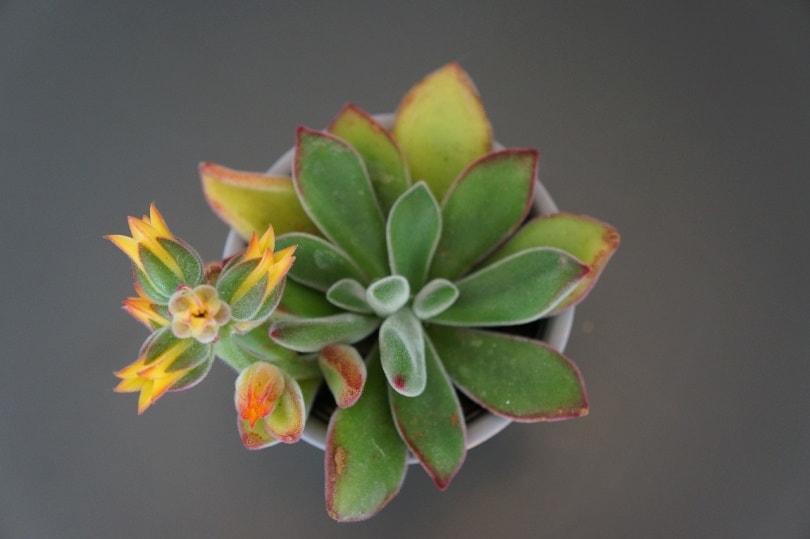
Echeverias are fast-growing succulents that are also easy to care for. They come in a variety of beautiful colors, like blue, purple, plum, and red. They are safe for cats, but most cats will leave them alone because they have pointed leaves and a waxy texture.
Echeverias are also easy to propagate. So, they’re a good plant to have if you’re trying to add more plants to your home or are looking to share plants with others.
11. Rattlesnake Plant (Goeppertia insignis)
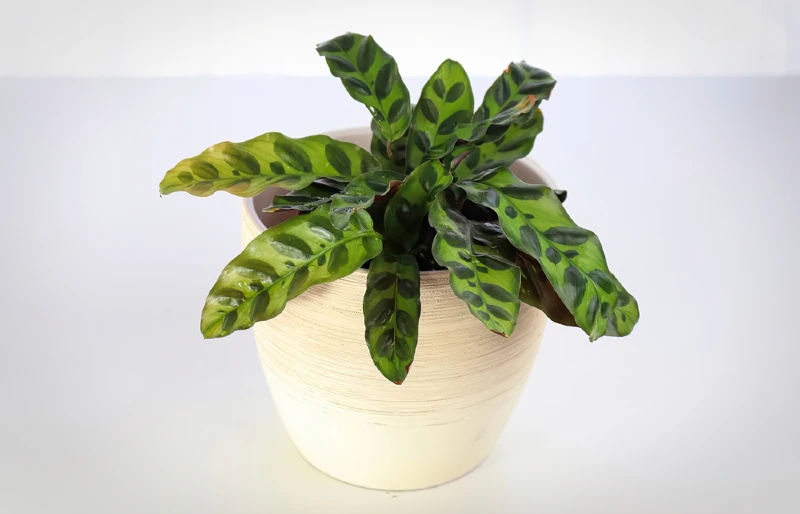
While snake plants are toxic to cats, rattlesnake plants are ironically non-toxic to pets. Rattlesnake plants are tropical plants with long leaves with beautiful patterns on them. Indoor plants can grow to about 20 inches long, and they’re often used as statement pieces in interior design.
Unfortunately, rattlesnake plants can be a bit finicky and aren’t usually recommended for beginners. They require a lot of heat and humidity and aren’t very forgiving if their soil is too dry.
12. Parlor Palm (Chamaedorea elegans)
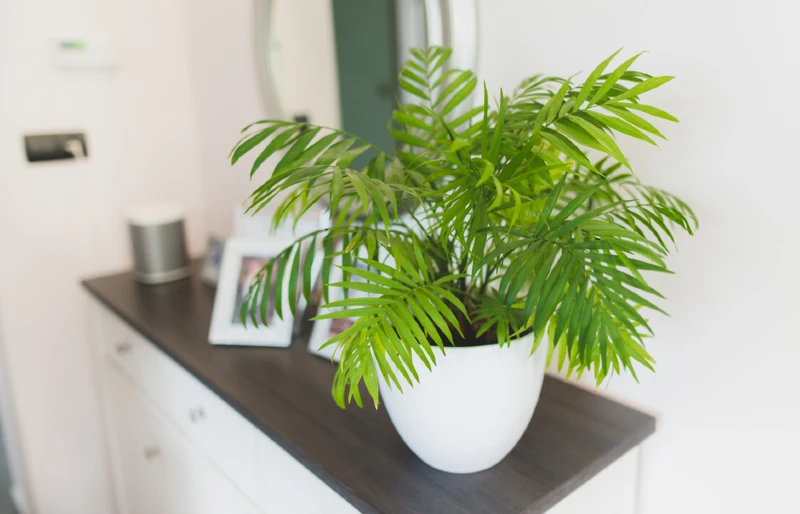
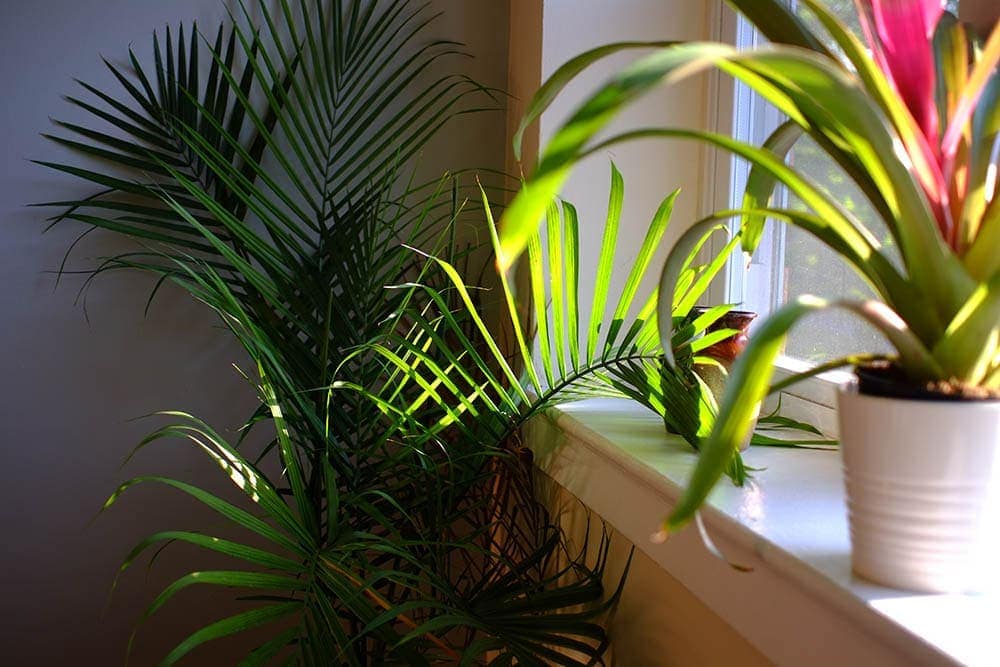
Parlor palms have lush foliage, and they’re a safe choice for beginners. Along with being easy to grow, they’re known to help purify and clean the air and add humidity to it. They do best in well-draining soil and in areas with indirect sunlight.
Keep in mind that some cats may want to play and bat at the leaves, especially if they’re fluttering from any source of wind. The plant’s non-toxic, but you can end up cleaning up leaves and dirt if your cat feels entertained by the leaves.
13. African Violet (Saintpaulia)
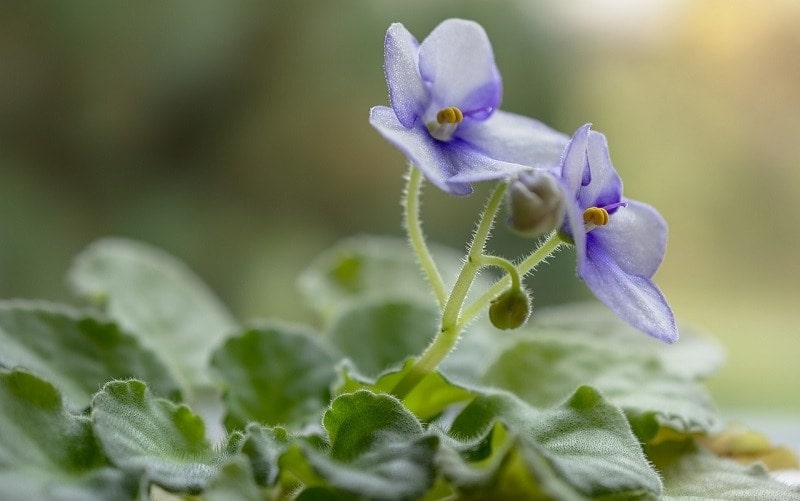
African violets are common houseplants that are fairly easy to care for. They prefer bright and warm areas with moderate humidity levels. Their leaves can get brown spots if they touch water, so it’s important to water under the leaves. They may also do well growing in a self-watering pot.
Some cats may have an initial curiosity and examine the African violet’s interesting leaves and bright flowers. However, the leaves have a fuzzy texture, and most cats won’t enjoy chewing on them. So, they’re likely to be left alone.
14. Bird’s-Nest Fern (Asplenium nidus)
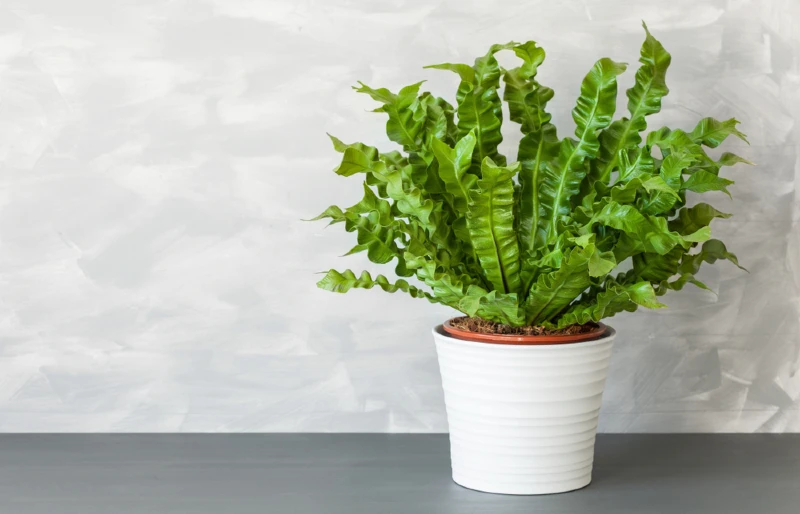
Bird’s-nest ferns have fun, rippled fronds that are sure to liven up a room. They’re generally low maintenance, but they do require a lot of moisture. They don’t do well in dry areas with bright light, and their soil usually has to be kept damp.
Because they love moisture and don’t mind low light levels, they often do well in bathrooms with a window. This is usually a good arrangement if your cat likes to play with plants. You can just keep a bird’s-nest fern in the bathroom and keep the door shut to prevent your cat from getting to it.
15. Watermelon Peperomia (Peperomia argyreia)
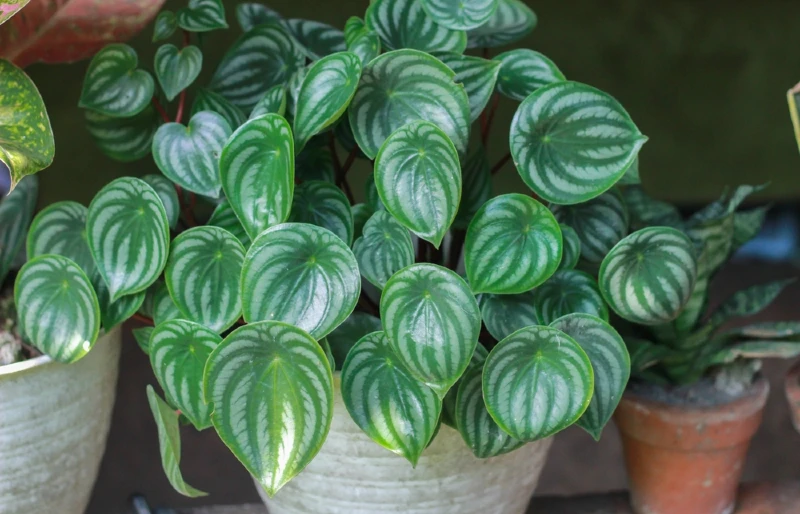
Watermelon peperomias have beautiful, shimmery leaves, and they’re quite easy to grow. They grow well as indoor houseplants and often don’t need much other than consistent watering. They often do best in spots with medium indirect light and prefer higher humidity levels.
Another great thing about watermelon peperomias is that they’re easy to propagate. So, you can quickly fill your home with more plants or share them with others.
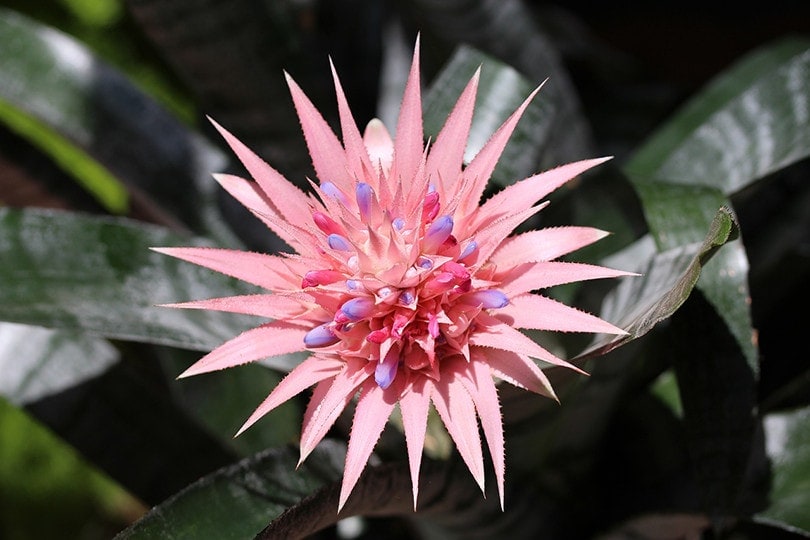
16. Bromeliad (Bromeliaceae)
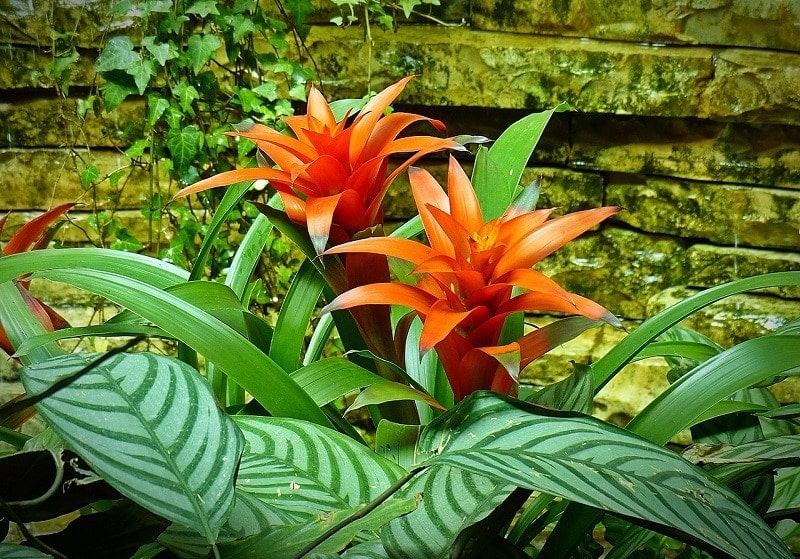
Bromeliads are tropical plants with a unique appearance. They have beautiful leaves that can come in different colors, including red, purple, orange, and yellow. Some varieties can also have stripes or spots. These plants only flower once and typically produce pups that you can transplant after the flower fades.
Despite their uniqueness, Bromeliads are actually quite easy to care for. They need indirect sunlight and can grow with or without soil.
17. Peperomia Ginny (Peperomia clusiifolia ‘Ginny’)
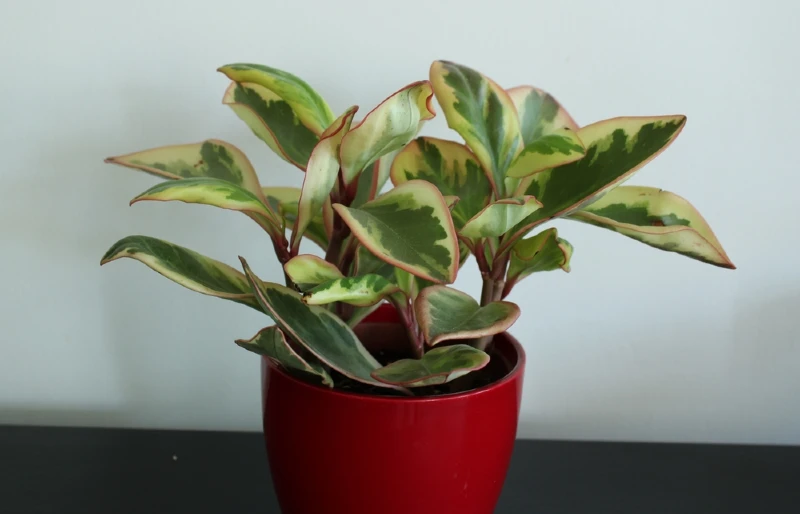
Peperomia Ginny is another beginner-friendly plant that’s completely non-toxic to cats, dogs, and humans. This plant has beautiful, variegated leaves with pink edges. Even though they have an exotic appearance, they’re relatively easy to care for. They just have to be kept in a spot with bright, indirect sunlight and get watered regularly. It’s also easy to propagate Ginny peperomia. You can keep leaf and stem cuttings in water, and they should sprout roots within a couple of weeks.
18. Staghorn Fern (Platycerium)
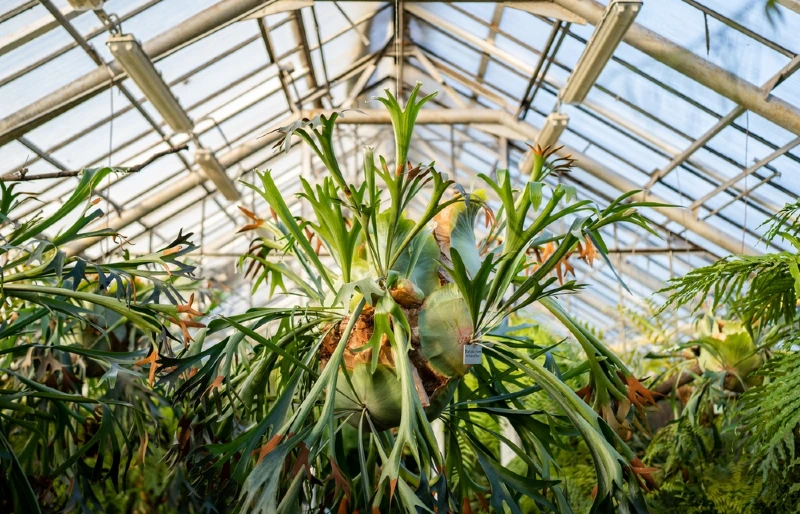
Staghorn ferns are uncommon and can be a little difficult to find. They can be a little finicky, so they’re a better fit for experienced plant growers who are looking for a challenge. These plants prefer really warm climates and must remain indoors in zones with cold winters. They can grow as large as 3 feet, and caring for them can feel very rewarding.
Staghorn ferns don’t necessarily need soil to grow. If you pot them, make sure to use well-draining soil.
19. Zebra Haworthia (Haworthiopsis attenuata)
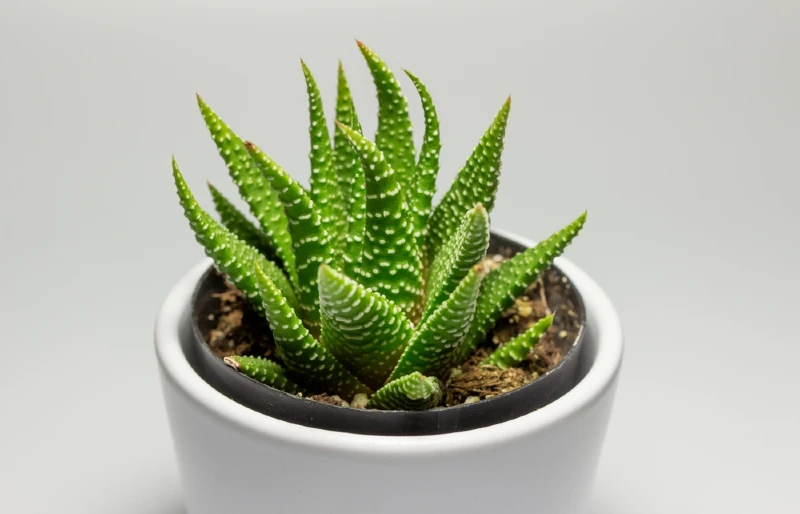
Zebra haworthias are a popular succulent that are also safe for homes with pets. They tend to grow really slowly, making them ideal for small spaces. They can also grow in any kind of container as long as they’re potted in well-draining soil and receive plenty of sunlight.
As with most succulents, it’s important not to overwater zebra haworthias. They should only be watered when their soil is dried out. In some cases, zebra haworthias only require watering once a month.
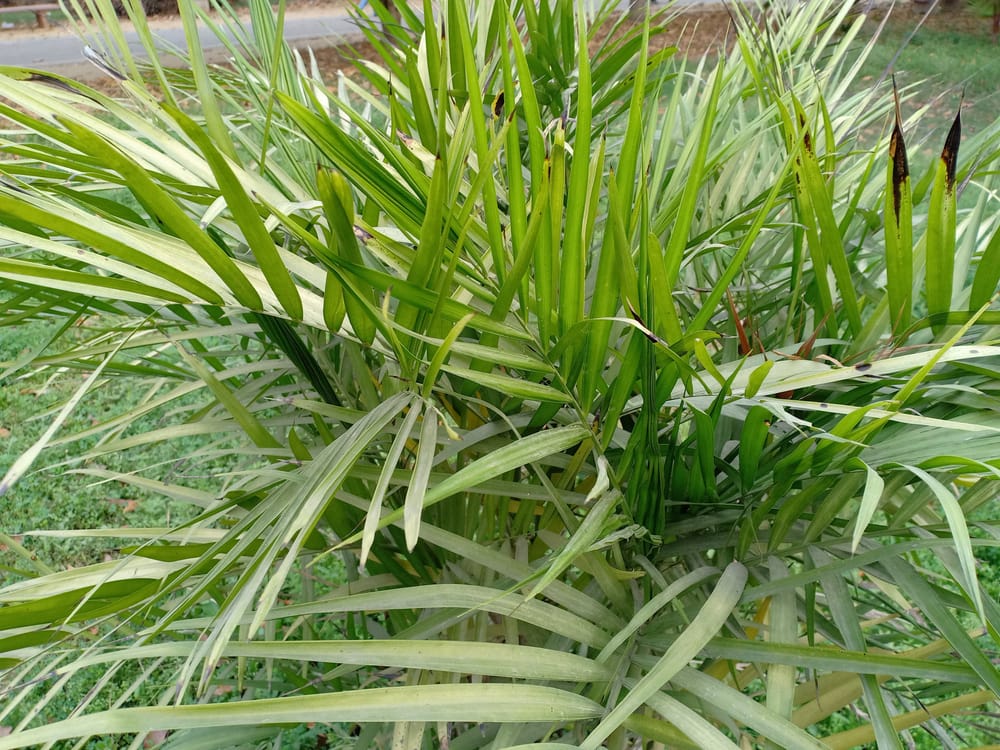
20. Bamboo Palm (Chamaedorea seifrizii)
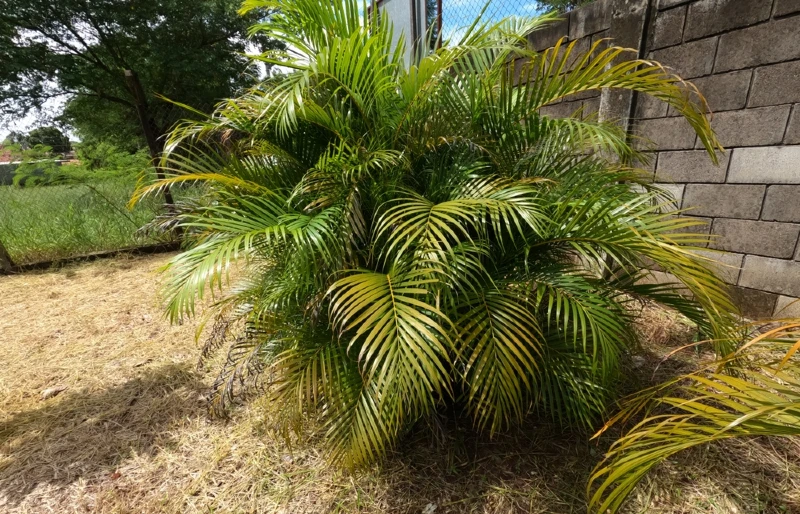
Bamboo palms are non-toxic to cats, and they come in a wide variety of sizes. Despite their name, they’re not actually a variety of bamboo. However, they do have long stems that resemble young bamboo stems.
Bamboo palms are very easy to care for and a good plant for beginners. They can grow fairly large and can reach heights between 4 to 12 feet. They do best growing indoors, but they can be planted outdoors if you live in warmer climates with very mild winters.
21. Polka Dot Plant (Hypoestes phyllostachya)
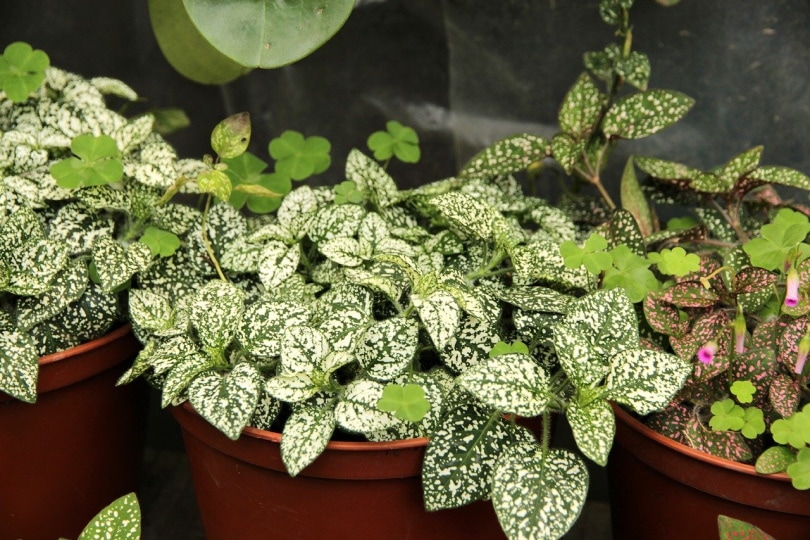
Polka dot plants have a fun and vibrant appearance. They come in several different varieties, and you can find plants with pink, purple, white, or red leaves. These plants have fairly simple care needs. They like places with higher humidity levels and must be watered when the top of the soil has dried out.
Polka dot plants are typically indoor plants. However, if you live in warmer climates, they can be planted outdoors.

Plants That Are Not Safe for Cats
While there are many plants that are safe for cats, there are several other common plants that are toxic to cats.
1. Lilies
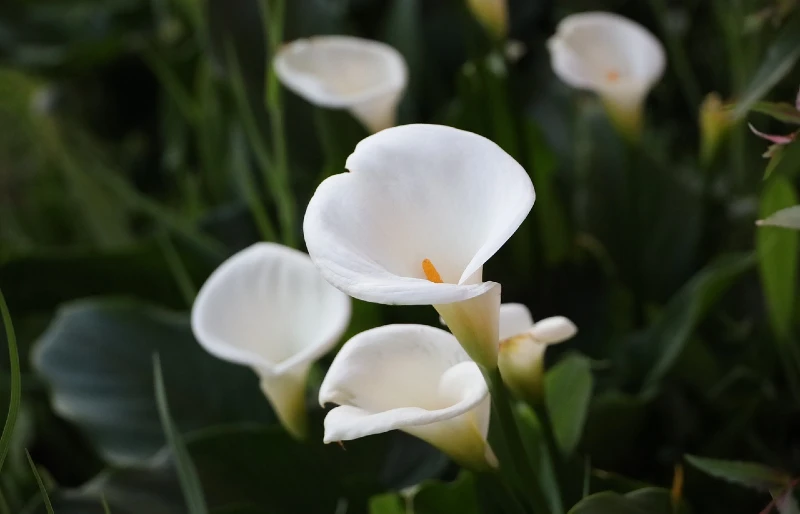
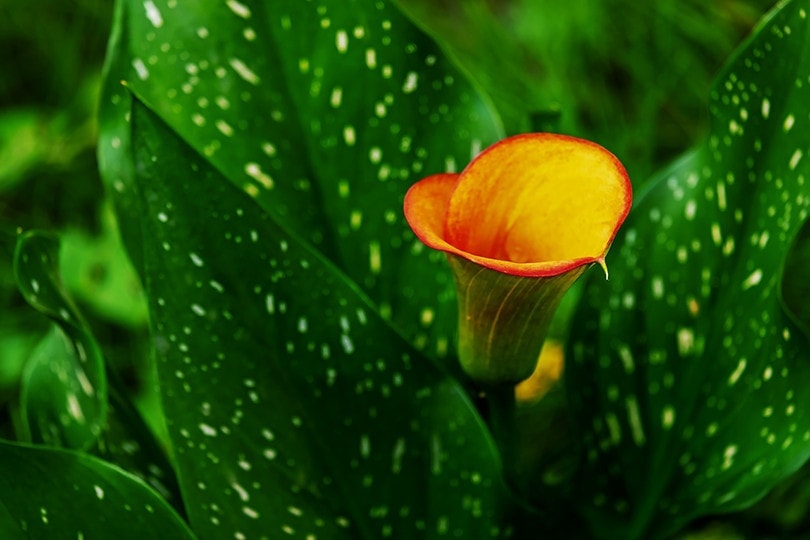
Most varieties of lilies are toxic to cats, including Easter lilies, calla lilies, daylilies, tiger lilies, and peace lilies. It’s unclear exactly what makes lilies toxic to cats, but all parts of the plant are harmful, including the pollen.
The effects of ingesting lilies will be different. Some cats will get an upset stomach while ingesting a larger amount can lead to kidney failure or be fatal.
2. Swiss Cheese Plant
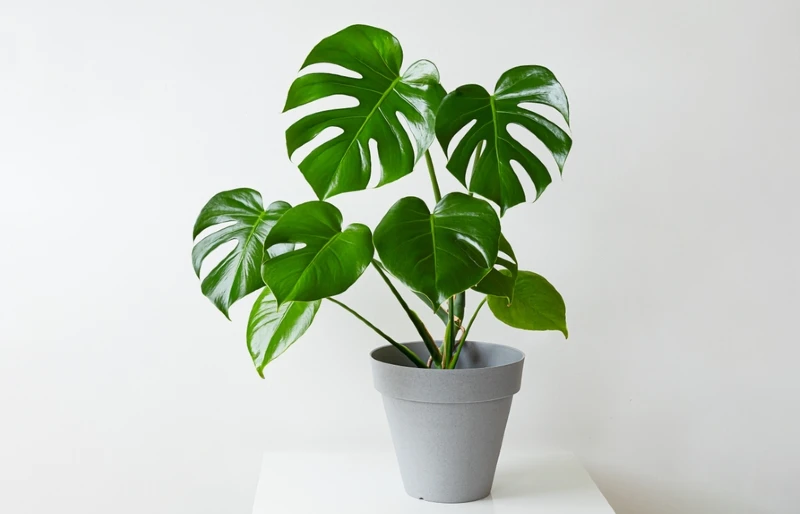
The Swiss cheese plant (Monstera deliciosa) is a popular houseplant that’s known for its split leaves. It’s toxic to cats because it contains insoluble calcium oxalate crystals. These crystals can irritate the mouth and the digestive tract. They can also cause an upset stomach.
3. Pothos
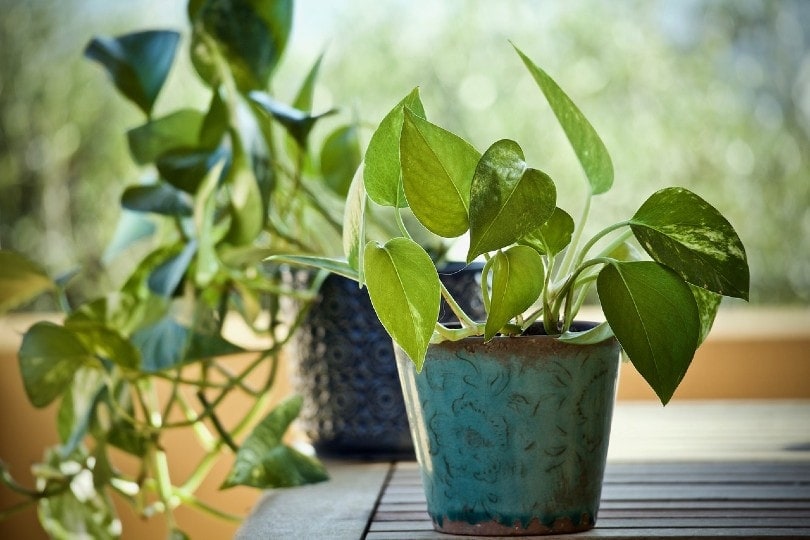
Pothos is another popular houseplant because of its lush foliage, and it’s very easy to care for. Like Monstera deliciosa, Pothos is harmful to cats because it contains calcium oxalate crystals.
4. Jade Plants
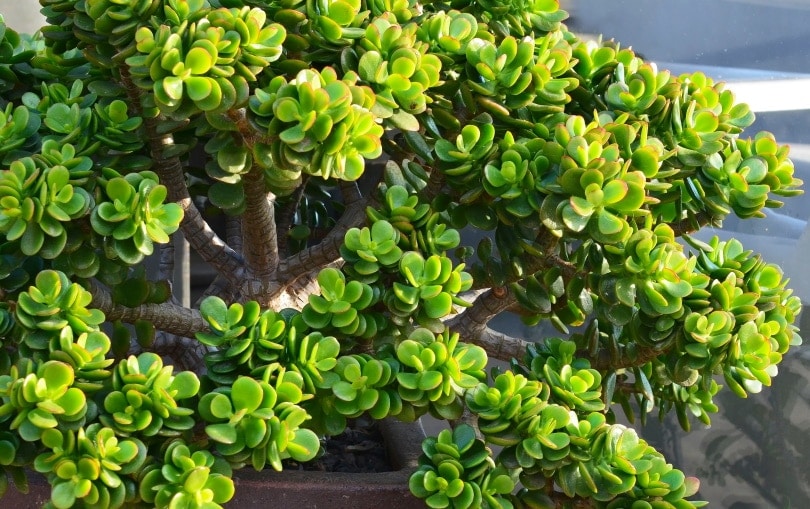
It’s best to refrain from bringing home jade plants because they tend to make cats really sick. Cats often experience an upset stomach and can also experience depression and incoordination. The toxic property of jade plants is unknown, but all parts of the plant can make cats sick.
5. Sago Palm
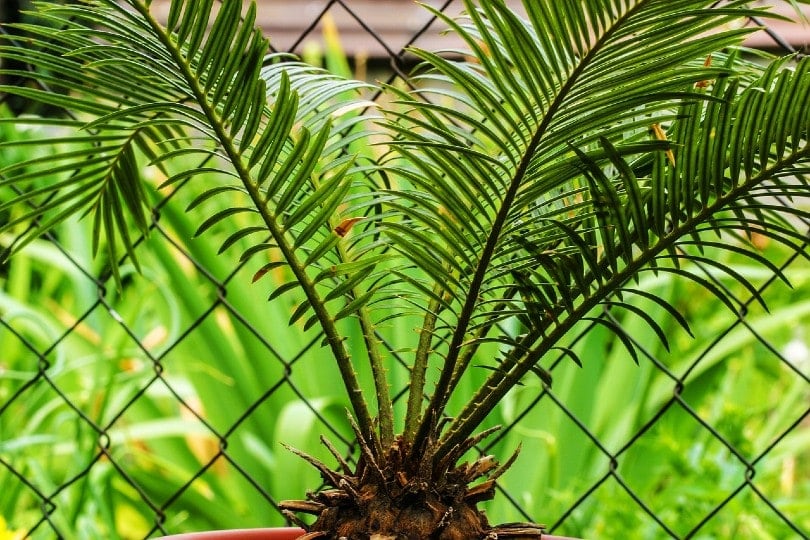
Sago palms are unsafe for cats and contain toxic compounds that cause an upset stomach in cats. Cats typically show signs of poisoning a few hours after ingesting, but they may experience signs as quickly as 15 minutes after eating. Severe cases of poisoning can lead to neurological issues, like wobbly gait, tremors, and seizures.
Conclusion
There are many beautiful houseplants that are also safe for cats. However, since there are some plants that can be harmful to them, it’s best to familiarize yourself with a specific plant before purchasing it. If you’re ever unsure, you can check with animal poison control registries, like the ASPCA Animal Poison Control, to ensure you bring homes that are safe for your cat.
Sources
Featured Image Credit: Lightspruch, Shutterstock
Get Hepper In Your Inbox


Pet care tips from our vets and experts, straight to your inbox.
You may opt-out at any time. View our Privacy Policy for more information.
Jessica is a freelance writer who spends most of her day reading and writing while her fluffy Cavapoo, Nora, naps beside her. She loves and appreciates pets and animals because there’s so much to learn from them, and they do so much for people. As a dog mom, she understands the special relationship that pet parents have with their pets. So, she loves sharing helpful information that people can use to better understand their pets. When she’s not writing, you can find her walking dogs, tending to her plant babies, or drinking her nth cup of coffee.
Join the conversation
Ask a question, share your story, or send private feedback.