Hepper is reader-supported. When you buy via links on our site, we may earn an affiliate commission at no cost to you. Learn more.
Are Dalmatians Good Guard Dogs? Typical Breed Traits & FAQs

In this article
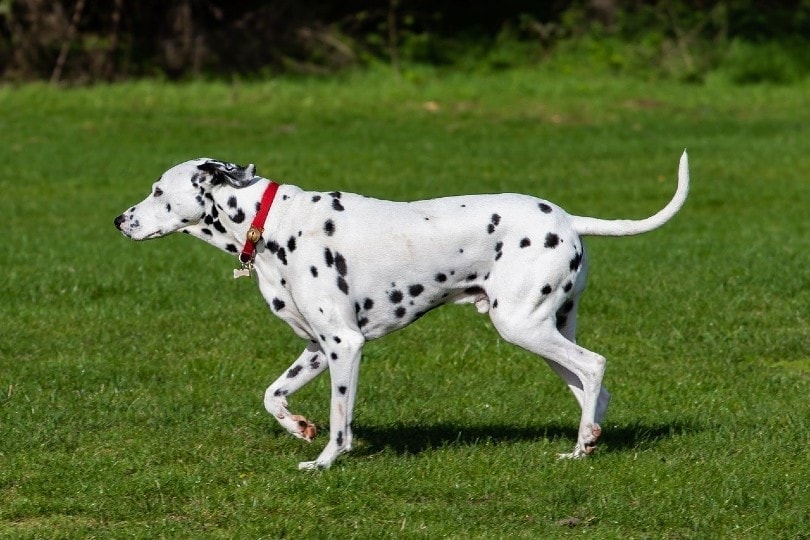
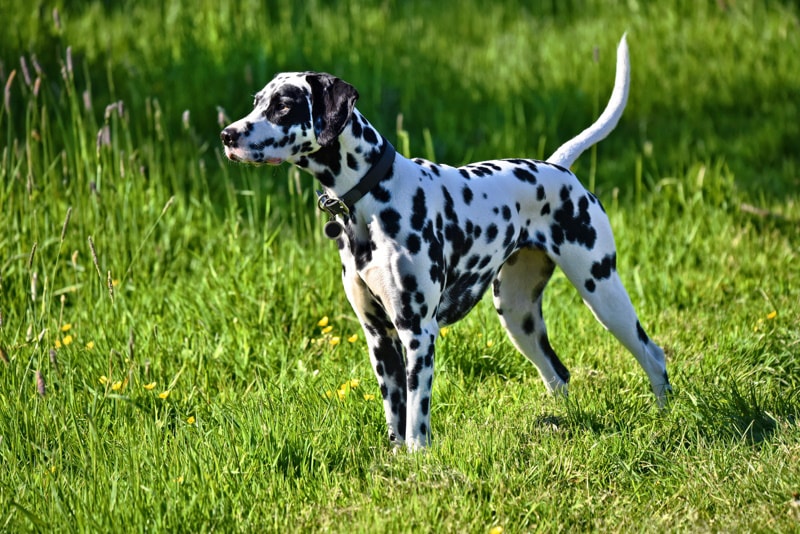
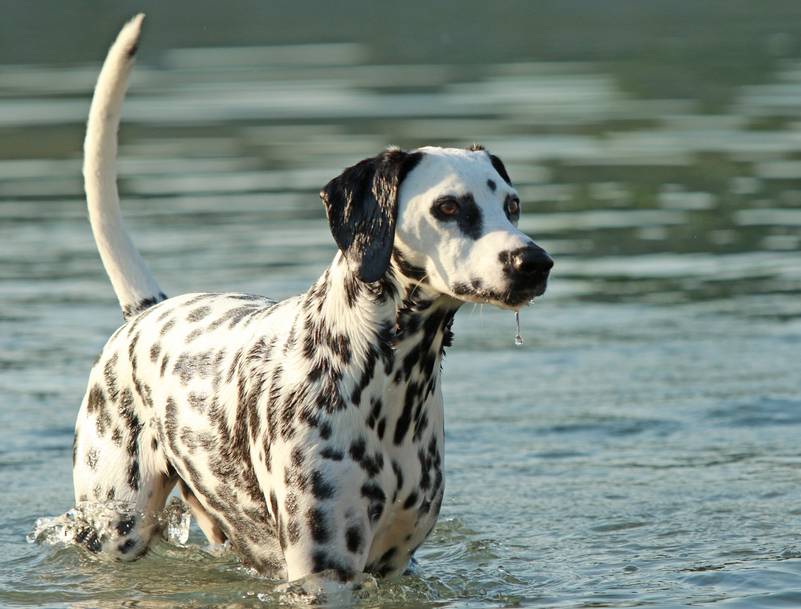
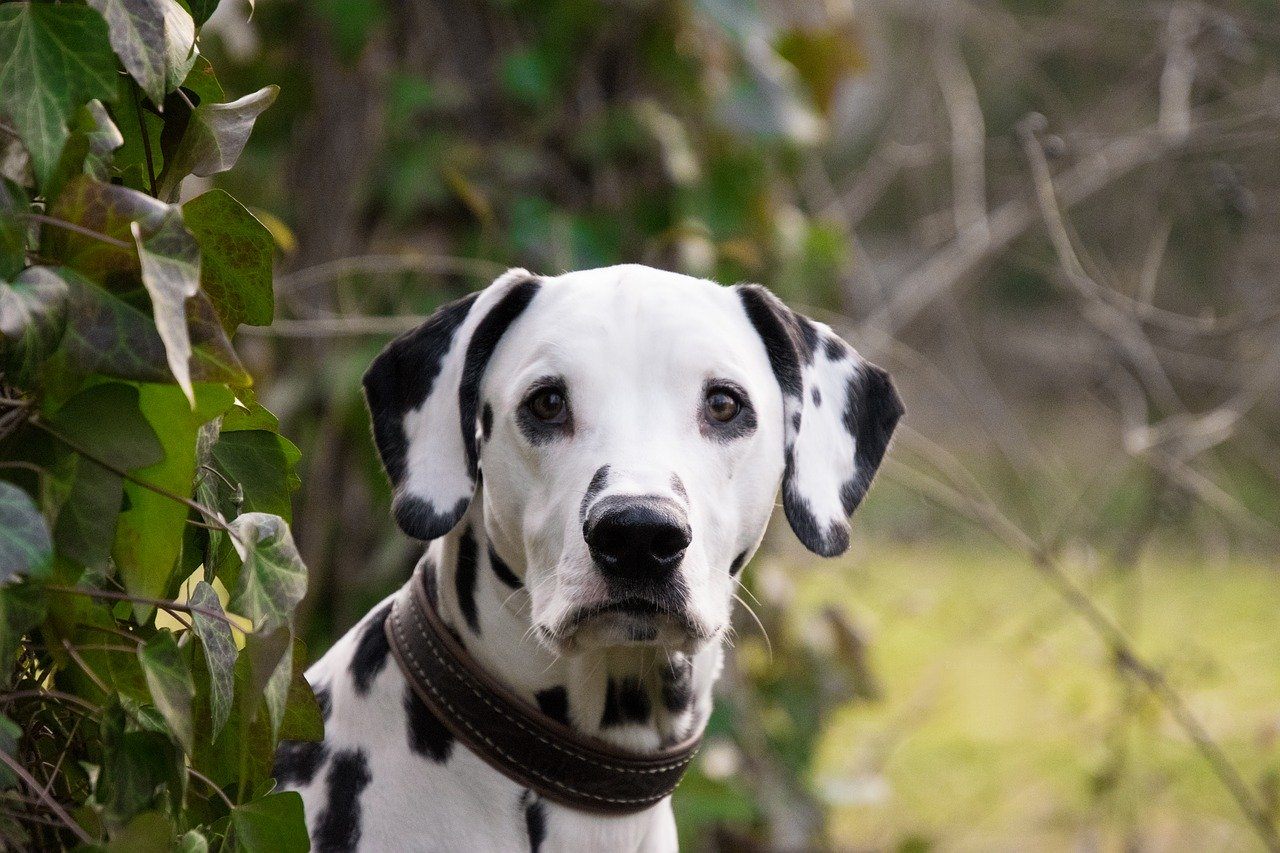
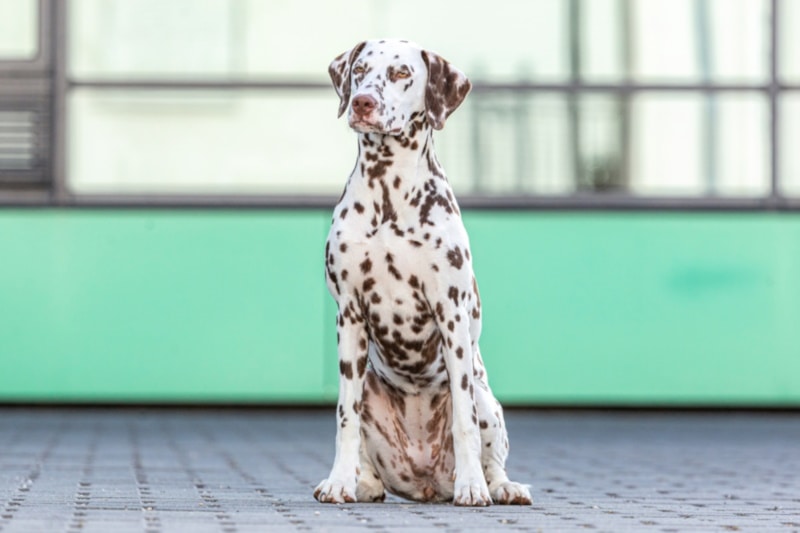
Dalmatians are a distinctly spotted breed with one of the most recognizable coats in the world. Brilliant white fur covered in unique patterns of black or brown spots makes this unrecognizable dog stand out wherever it goes, which can be helpful when they're at work. Traditionally, the Dalmatian was used as a coach guard and sporting dog (giving rise to their "coach dog" common name), first developed in Croatia and honed into the common breed standards in England. In the 17th century, the Dalmatian's prowess as a coach guard was known to all, and their protective natures stemming from time protecting their people made Dalmatians good guard dogs for the modern family.

What Did Dalmatians Guard?
While the exact origins of the Dalmatian can be tricky to determine, they were known to be dogs or war and protectors of their namesake country’s border: Dalmatia. In more modern times, Dalmatians were the original protectors of coaches, with accounts of Dalmatian-like dogs running alongside them as they traveled across England dating back to the 17th century.
The roadways of the time were fraught with danger from humans and animals. The affluent families and the peddling merchants of the country would only travel the highways with a Dalmatian escort, using them for guarding coaches and horses as they rode. This job served the dogs well, as Dalmatians are sporty, have great stamina, and are naturally protective of their people.
They reacted as soon as they noticed anything untoward on the road, and they had no problem keeping up with the horses as they hundred down the tracks. While the Dalmatian is a friendly breed, their startling appearance and protective nature were often a deterrent enough for anyone trying to rob those traveling with them.
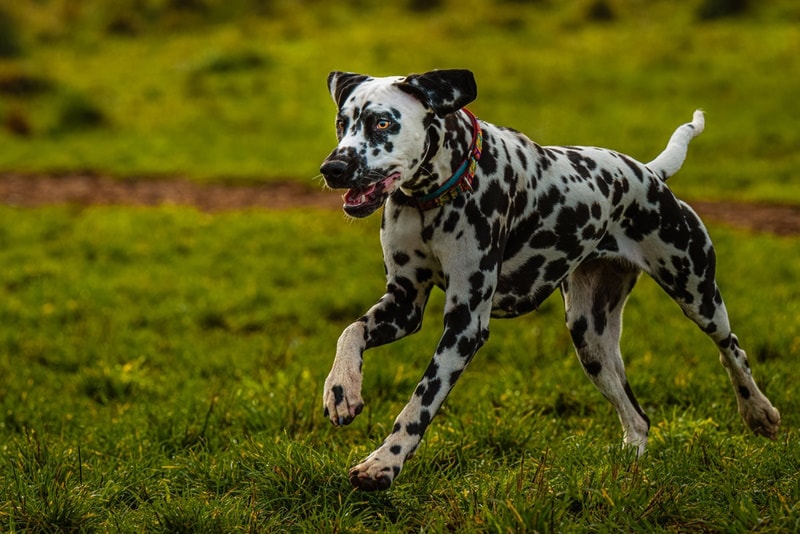
Dalmatians are particularly good at "coaching" or keeping up with and staying close to coachers or carts. This served them well in their original guard jobs with traveling coaches, but perhaps their best-known role in human society also utilized this skill: working as a firehouse dog.

Firehouse Dogs
Dalmatians were indispensable to the fire service (particularly in the US), as all fire wagons were originally huge carts drawn by horses. In the 19th century, Dalmatians were adopted by firehouses across the country to use as chaperones for their fire carts.
Because of their speed, coaching skills, and stamina, the Dalmatians would run alongside the carts and perform vital work; some Dalmatians ran with horses protecting them from stray dogs or people, while others ran ahead of the horses to clear the way. Because of the packed streets and crowds the coach attracted, it took a lot of work for fire teams to get to the fire quickly. Dalmatians made this easy, and their strength and tenacity serve them well as guard dogs and protectors to this day.
What Makes Dalmatians Good Guard Dogs?
Dalmatians are good guard dogs for several reasons, namely because their protective traits were bred into them over a long period of time. Strength and size are often the best indicators of a good guard dog. Naturally imposing and resilient dogs are commonly used as protectors and warning dogs, but the Dalmatian is neither a giant nor an overly muscular breed.
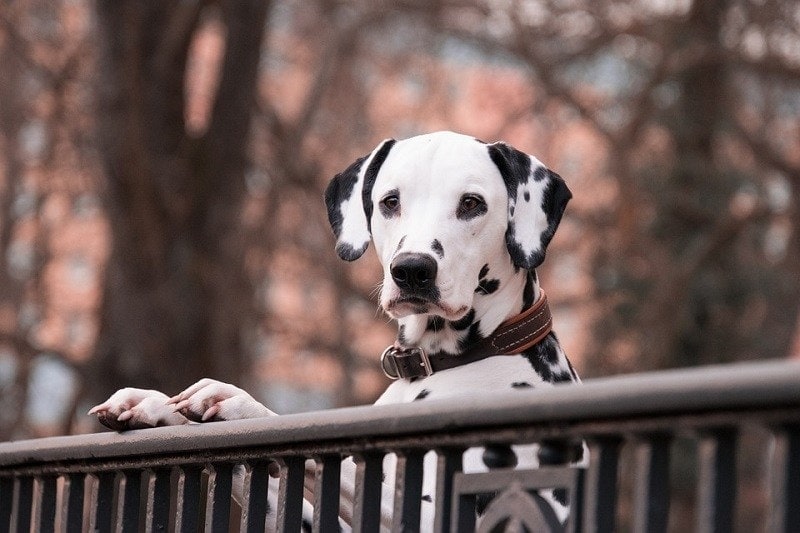
Instead, the Dalmatian uses its keen eye and watchful nature to alert owners at the first sign of danger. In addition, they're protective and brave dogs that love their families. This protection, combined with their loving temperament, loyalty to loved ones, and natural wariness of strangers, make the Dalmatian a unique breed suited to guarding and alerting.
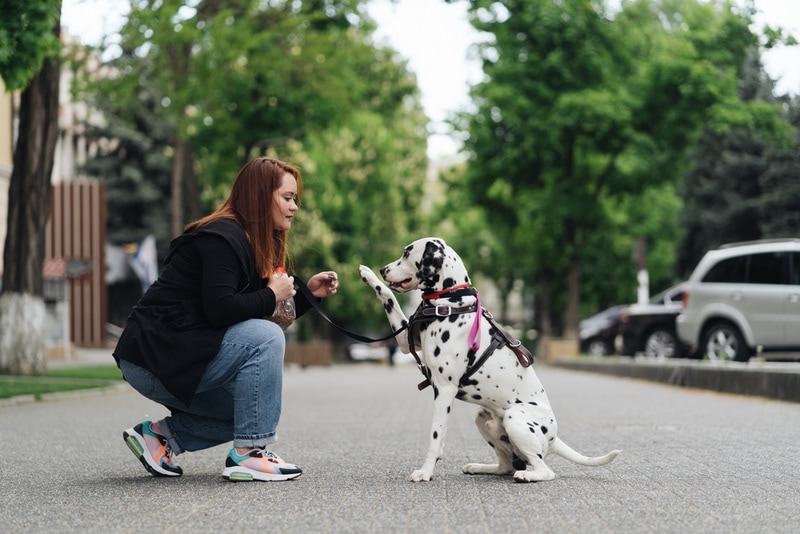
Good socialization and consistent training are needed with any dog of this temperament. Naturally, protective dogs can develop undesirable behavior, such as overprotectiveness of family and objects or resource guarding. The Dalmatian's wariness of strangers can also develop into fear and anxiety if they're not well socialized to various people and situations as puppies, potentially leading to behavioral problems like fear and aggression. However, if a Dalmatian is socialized and trained well, they are brilliant family dogs with a protective streak but a calm and controlled demeanor.
Are There Other Dogs Good at Guarding?
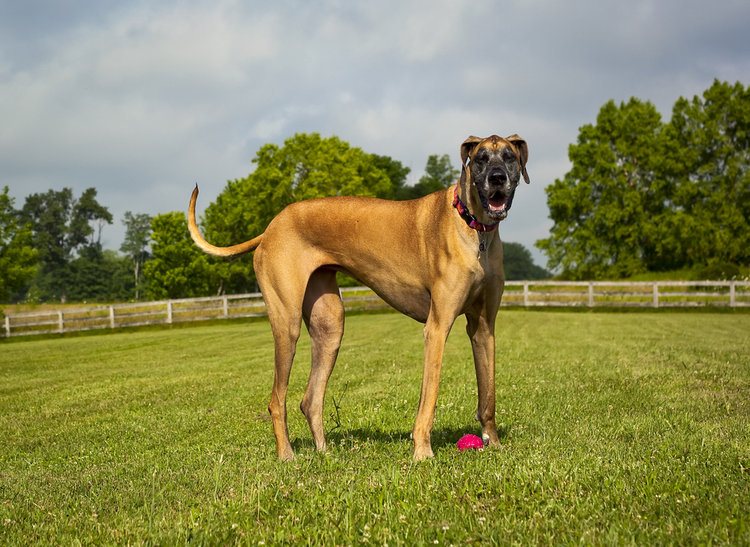
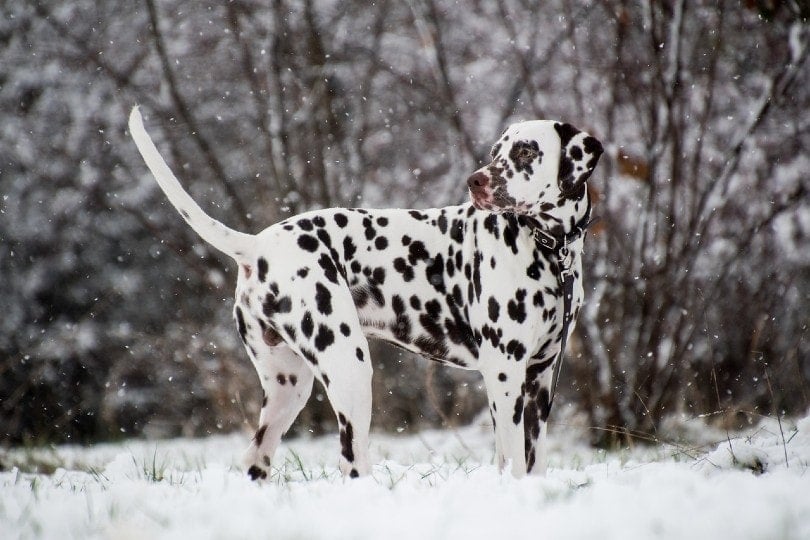
Many dog breeds are touted as good at guarding, but they all have different traits. You have dogs like the Dalmatian, Samoyed, and Pomeranian, who are alert dogs by nature and will spot potential danger from afar, and intimidating "come no further" guard dogs such as the Rottweiler, Doberman, or Tibetan Mastiff. Each breed has specific traits, depending on what and whom they were bred to guard, such as livestock guards or human protectors (like the Dalmatian).
Conclusion
The Dalmatian is an incredible breed that was first bred to guard residents of Dalmatia (Croatia). After that, it was introduced to the United Kingdom, where noblemen and merchants grew fond of the breed's affinity for horses and keeping up with their carts. Dalmatians became "carriage dogs," and their protective nature earned them a place next to firefighters as they ran their horses and coaches through the streets. Today, the Dalmatian can utilize its naturally protective streak to perform the role of guard dog while not being physically imposing and having a loving, silly side to show to its beloved family.
Sources
Featured Image Credit: Annabell Gsoedl, Shutterstock
Get Hepper In Your Inbox


Pet care tips from our vets and experts, straight to your inbox.
You may opt-out at any time. View our Privacy Policy for more information.
Beth is a mom to two babies: one with four legs, and one with two. Beth has years of practical experience as a veterinary care assistant, working in both the operating room and in consult, expanding her knowledge to gain certification in her favorite subject: feline behavior and well-being! When she's not writing about her favorite topics (cats, dogs, and creature comforts), she's looking after her two-year-old daughter and her energetic eight-year-old Nebelung, Kiba. When she gets a moment's respite, Beth loves to read fiction books. Horror is her number one genre, with fantasy and rich history being her second option.
Join the conversation
Ask a question, share your story, or send private feedback.