Hepper is reader-supported. When you buy via links on our site, we may earn an affiliate commission at no cost to you. Learn more.
Are Gardenias Poisonous to Cats? Vet-Verified Facts, Risks & Treatments


In this article
Gardenias are poisonous to cats, but it is rarely fatal. Gardenia poisoning most often leads to mild vomiting and diarrhea, and it is usually treatable with veterinary care. If you notice signs of poisoning or see your cat consuming a gardenia, contact your veterinarian immediately.
Keep reading to learn more about gardenia poisoning in cats.

Gardenia Poisoning
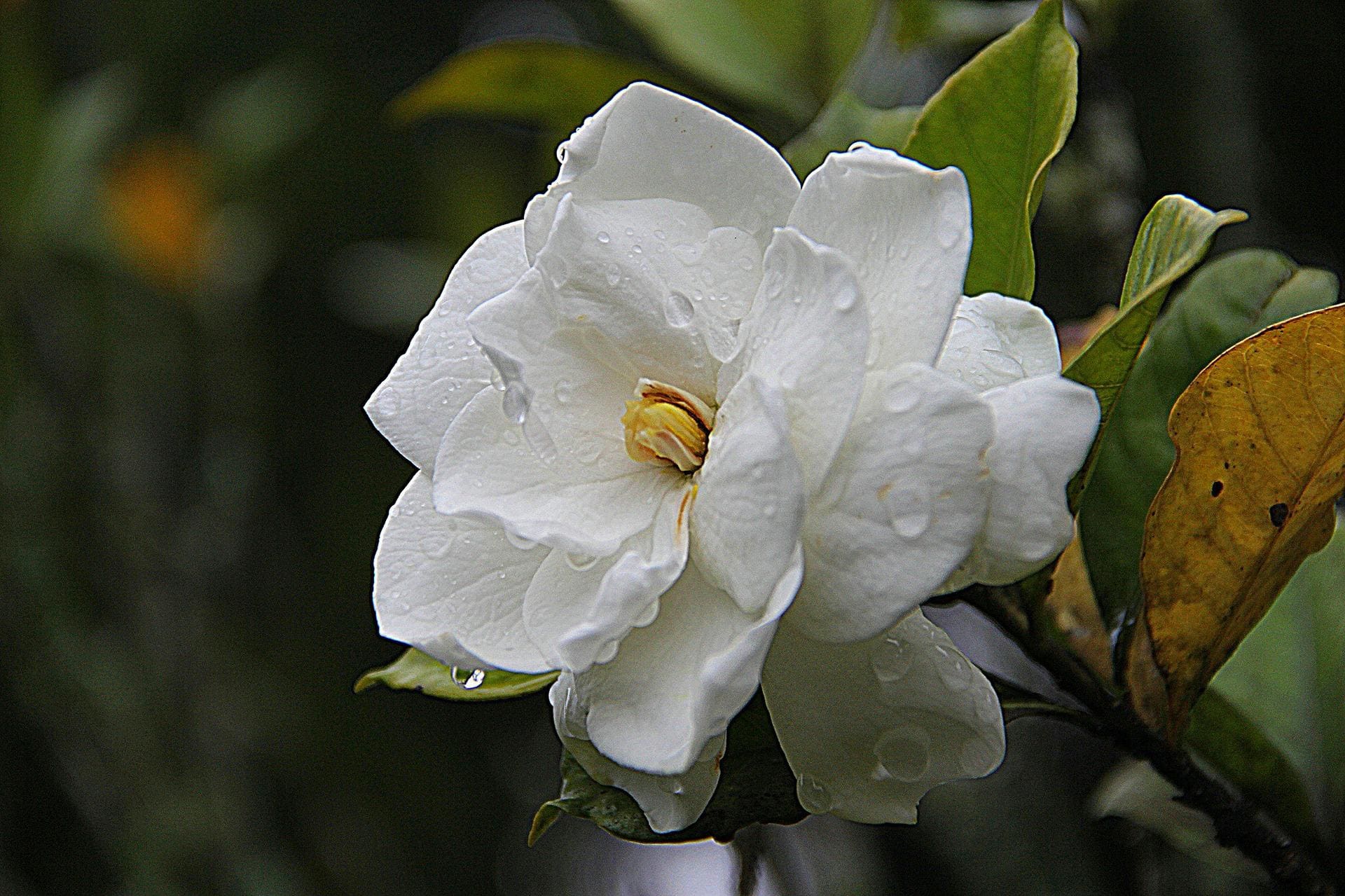
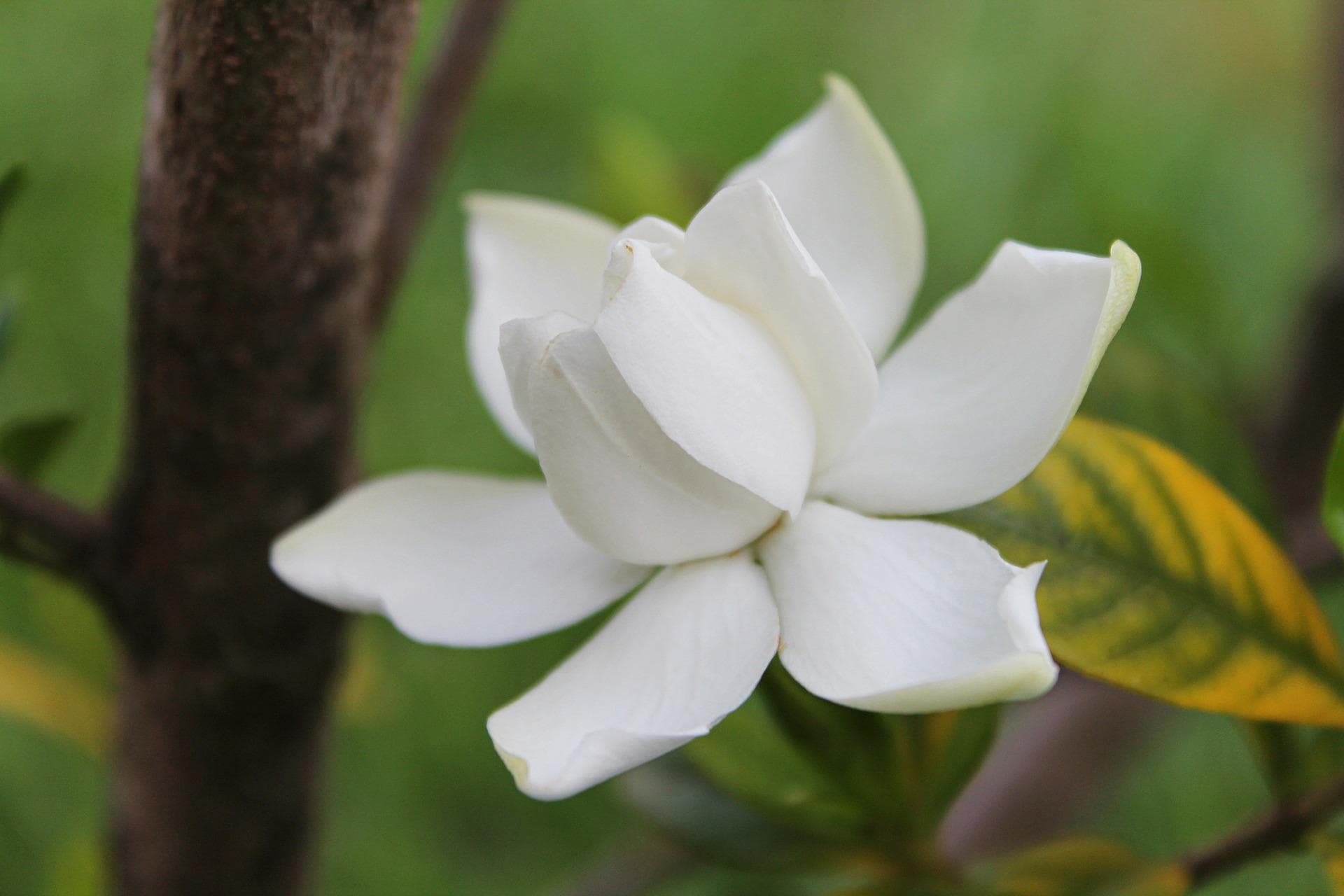
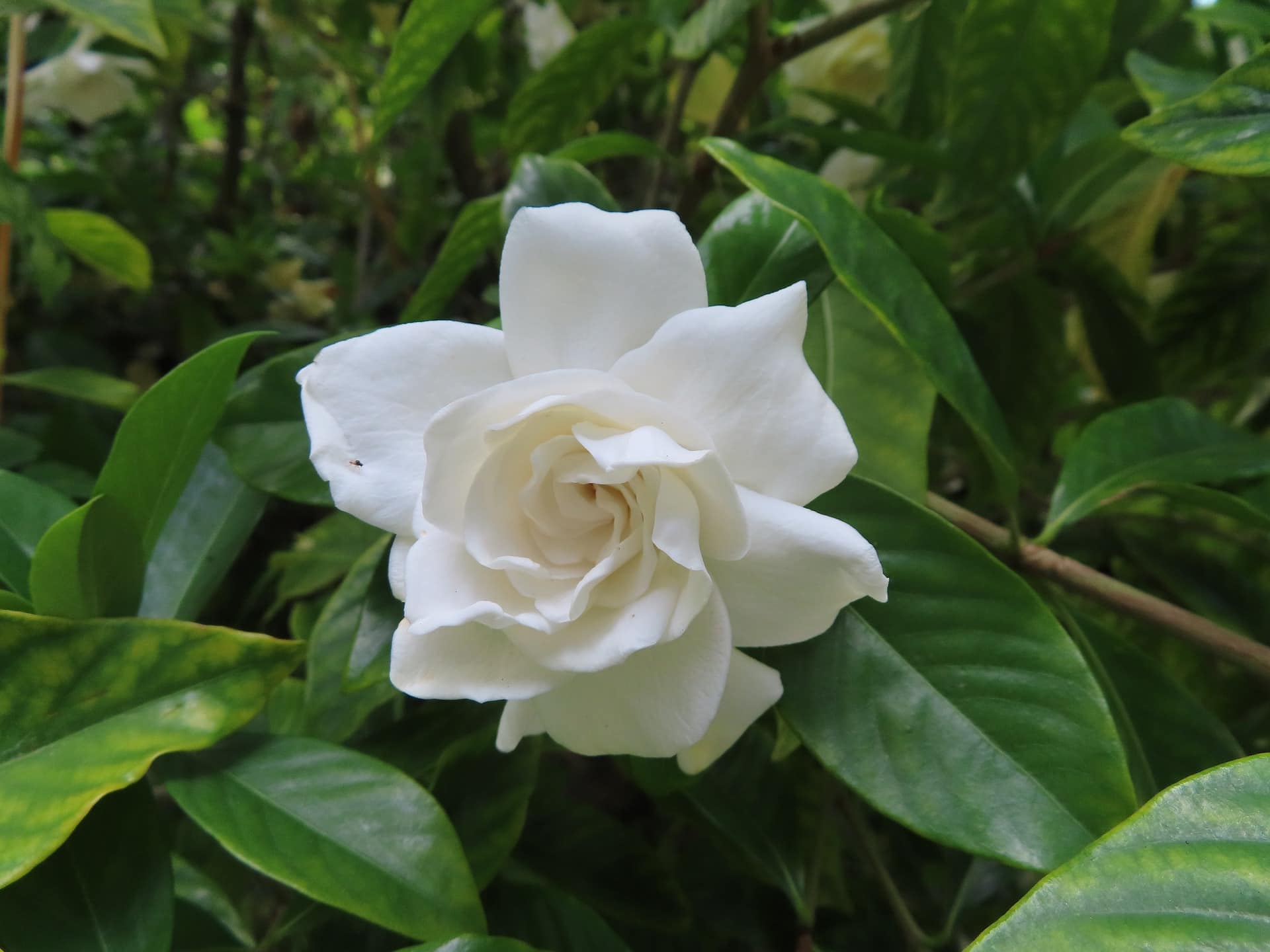
Gardenias, sometimes called Cape Jasmine, are relatively mild flowers that are native to tropical and subtropical areas. The exquisite flower is fragrant and demands attention from anyone who passes by, including cats and dogs.
Although gardenias are not toxic to humans, they are toxic to dogs, horses, and cats. The flower contains two ingredients that are toxic to animals: Genioposide and Gardenoside. If your cat consumes a gardenia, mild vomiting, diarrhea, and hives are the most common side effects.
All parts of the flower can be toxic to cats. This includes the stems, leaves, and flowers. The two toxic ingredients are found in the entire plant, though many factors will impact how much of the toxin is present in the flower.
The good news is that cats do not frequently eat large amounts of gardenia. The poisonous chemicals produce a bitter flavor that cats do not enjoy. As a result, most cats stop eating gardenia as soon as they taste this flavor.
Signs to Watch For
If you suspect that your cat has consumed gardenias or you know you have gardenias in the area, watch out for mild vomiting, diarrhea, and hives. These are the most common side effects of gardenia poisoning in cats.
The severity will depend on how much plant was consumed by the cat. Very rarely do these symptoms evolve into fatal results. However, it’s still important to contact your veterinarian if your cat consumed gardenia or is showing signs of gardenia consumption.
What to Do If Your Cat Ate Gardenias
If your cat ate gardenias, it’s important to call your veterinarian right away. Even though gardenia poisoning is rarely fatal, it’s still best to get a veterinarian’s opinion concerning the health of your cat. That way, your cat will get the care and attention it deserves.
Whenever you take your cat to the vet, they will ask you a series of questions to try to pinpoint the cause of your cat’s symptoms. There is no test to diagnose cat gardenia poisoning specifically. Instead, diagnosis is typically based on your description.
Unfortunately, gardenias are not the only flowers toxic to cats. This can make it difficult to know if gardenia poisoning is to blame or something else. Either way, the veterinarian will do everything in their power to determine the cause and treat your cat.
In some cases, veterinarians may decide to provide medication to coat the lining of your cat’s stomach. This will help to prevent any further side effects related to vomiting and diarrhea. If side effects are severe, the veterinarian may choose to induce vomiting to get the plant material out of the stomach.
If your cat vomited quite a bit, your vet may even use IV fluids to ensure your cat is hydrated and has a healthy balance of electrolytes.
Treatment and Recovery Plan
The good news about gardenia poisoning is that it rarely leads to any serious complications, especially if you got your cat to a veterinarian early on. They should make a quick and safe recovery.
If the side effects were very severe for your cat, the veterinarian may keep them overnight or recommend an emergency facility, just to continue treatment if needed and to monitor any vitals.
When you bring your cat home, most veterinarians will recommend you feed them soft or wet cat food after gardenia poisoning. This is easier for the cat to digest and includes more moisture to keep them hydrated.
The last thing you will need to do is remove any gardenias that are accessible to your cat. If they didn’t like the gardenia, they’re less likely to eat the plant again, but you don't want to run the risk.
Final Thoughts
Although gardenias are beautiful and smell divine, they are toxic to cats. Cats will experience diarrhea, vomiting, and skin hives after consuming any part of the flower. If you suspect your cat has ingested gardenias, call your veterinarian immediately.
The good news is that your cat is likely to make a full recovery after gardenia poisoning. Gardenias are only mildly toxic, and treatment is usually easy and fast. Just make sure to get your cat to the vet as soon as possible to make sure they get the care they deserve.
Related Read:
Featured Image Credit: Pixabay
Get Hepper In Your Inbox


Pet care tips from our vets and experts, straight to your inbox.
You may opt-out at any time. View our Privacy Policy for more information.
Nicole is a lover of animals of all sizes but is especially fascinated with the feline variety. She’s the proud mom of Baby, a Burmese, and works every day so he can relax in the sunshine or by the fire. She’s always had a cat in her home and has spent countless days with others, observing behaviors and softening up even the grouchiest of the lot. Nicole wants to share her kitty expertise with you so you and your cat can live happy, healthy, and care-free.
Join the conversation
Ask a question, share your story, or send private feedback.