Hepper is reader-supported. When you buy via links on our site, we may earn an affiliate commission at no cost to you. Learn more.
Is Rhododendron Poisonous to Cats? Vet-Reviewed Risks & Alternatives


In this article
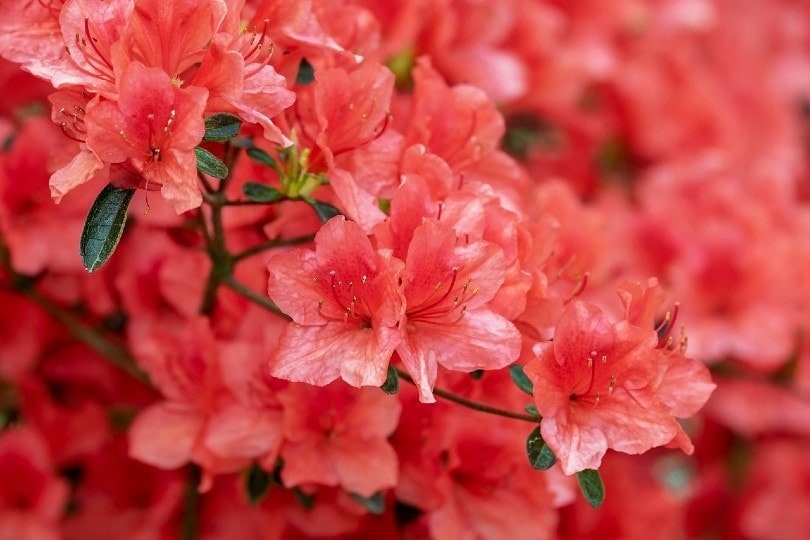
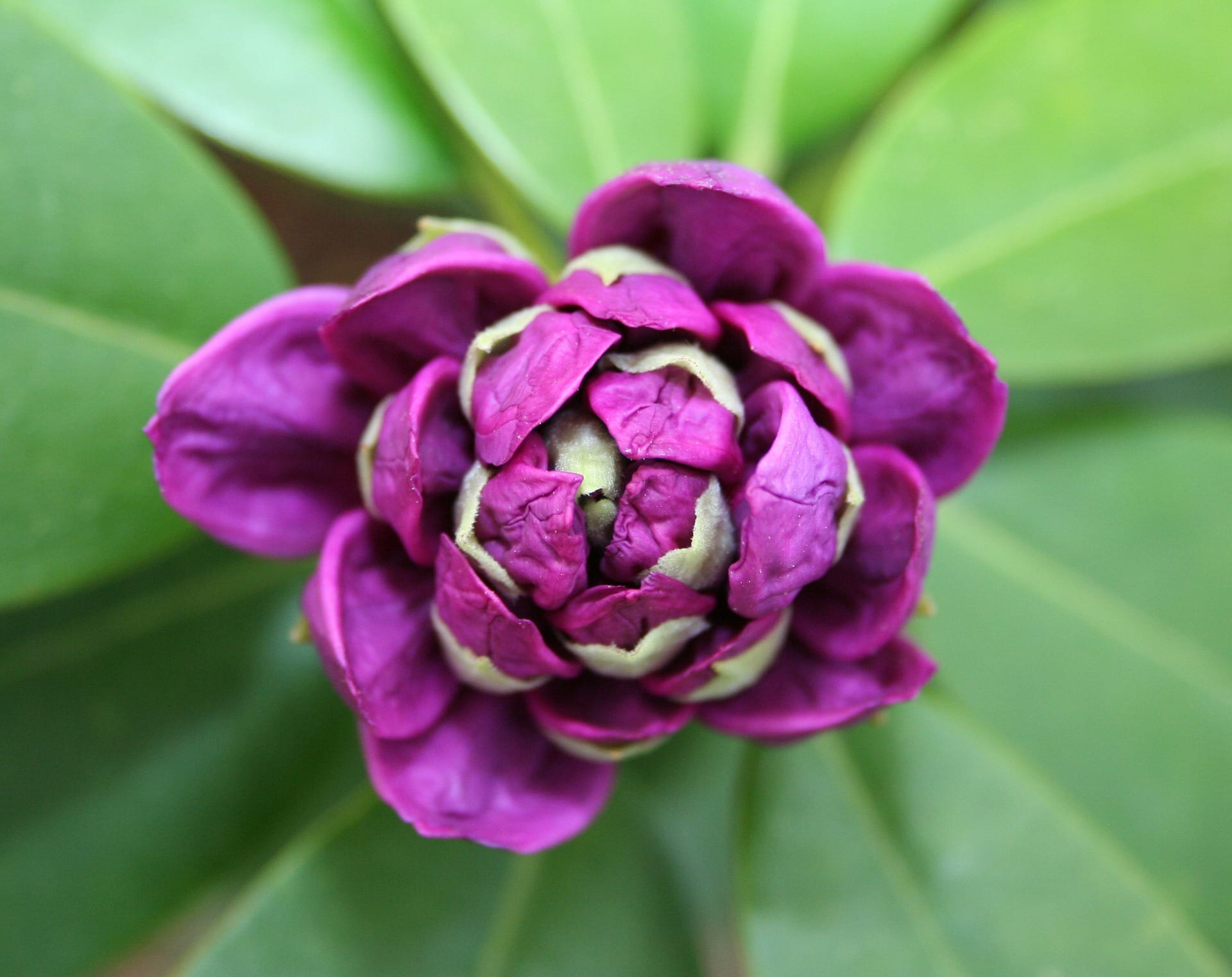
Because there are so many varieties of rhododendron, and some go by different names, they can be difficult to identify correctly. A dangerous plant can go undetected until a well-meaning cat goes for a snack. Yes, rhododendrons are poisonous to cats and very dangerous. Just a tiny amount of the plant can lead to coma and death without immediate veterinary treatment.
If you’ve caught your sneaky feline helping themselves to a plant you suspect is a rhododendron, or they are showing any symptoms, it’s essential to call your vet or the ASPCA Poison Control Hotline at (888) 426-4435 for your next steps.

What are Rhododendrons?
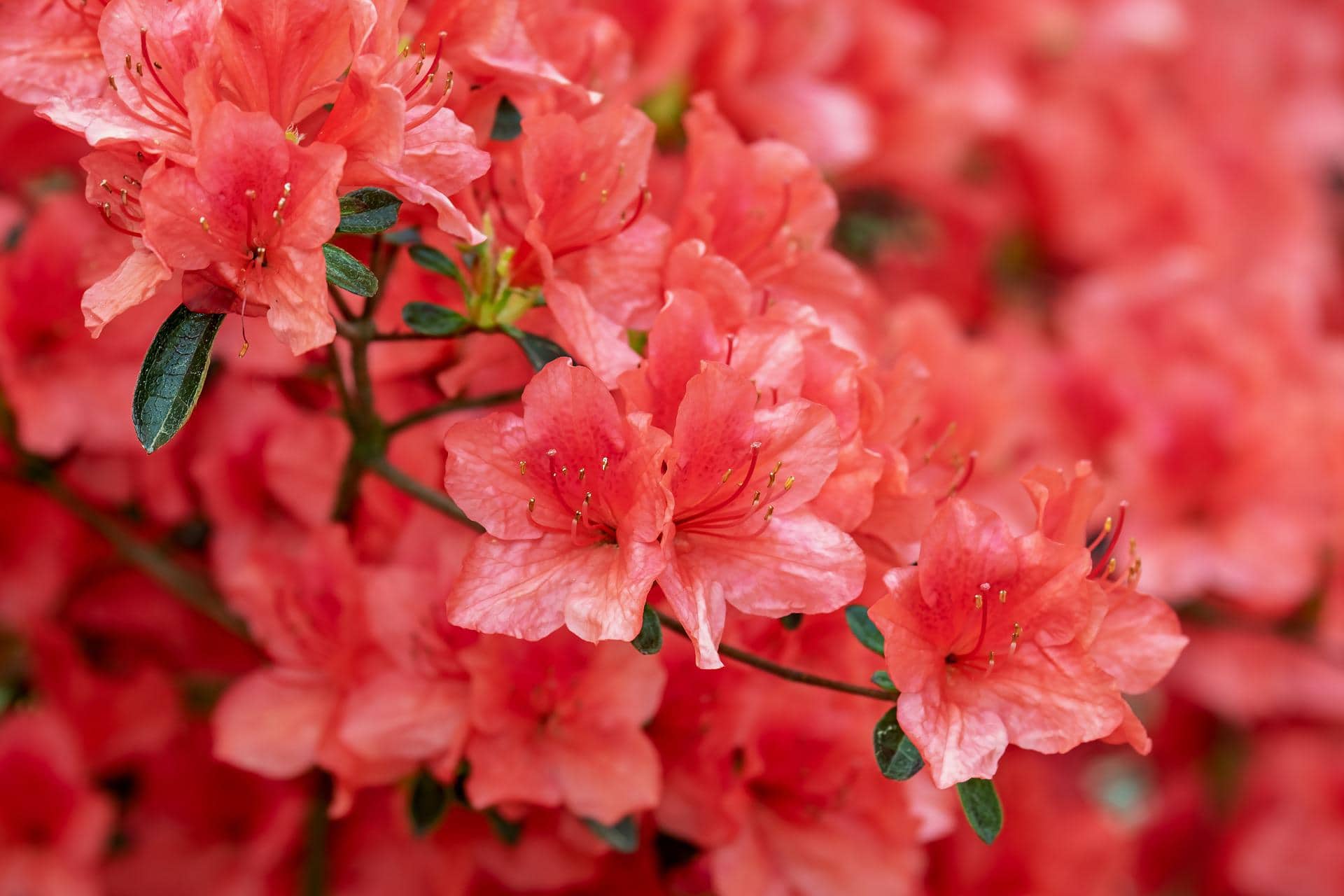
A rhododendron is a large group of bright, exotic-looking flowers native to North America, Europe, Asia, and northern Australia. They are popular because of their wide-ranging colors and light floral scent, and they can be grown both indoors and out, depending on the species. They can go by other names, like Rosebay and are similar to Azalea. Identifying a rhododendron may be difficult if you aren’t familiar with the species.
Are All Rhododendrons Poisonous?
According to the Rhododendron Species Botanical Garden, there are over 1,200 species of the plant, and that doesn’t include hybrids that were designed specifically for certain qualities. Are all of these species poisonous? Yes, all rhododendrons are toxic to cats.
Rhododendrons contain toxic diterpenoids known as grayanotoxins, which affects muscles throughout the body, including the muscles of the heart, as well as nerve function. In small pets, grayanotoxin poisoning is often deadly. Although consumption of the plants or food products made from them typically only causes intoxication in humans, the effects may also be harmful.
What Happens if a Cat Eats Rhododendron?
Symptoms of rhododendron poisoning in cats can show within an hour but usually within 6 hours and worsen quickly. It’s vital to seek veterinary treatment as soon as possible after your kitty has consumed any part of the rhododendron plant. Even chewing on the petals, leaves, or stems can cause symptoms. As little as 0.2% of the cat’s weight can cause poisoning.
Common Signs of Rhododendron Poisoning in Cats:
How Can You Keep Your Cat Safe?
Our fur babies are obligate carnivores, requiring a meat-based diet to get the nutrients they need to remain healthy. However, many cats will chew on a plant or two. While there are many methods to stop cats from eating plants, there are some other ways you can help keep your favorite feline stay safe, if you love the look and health benefits of indoor houseplants or an outdoor garden.
1. Identify Your Plants

The first step to keeping your pets safe is knowing your plants. Rhododendrons aren’t the only common plant that’s difficult to identify due to many species that look vastly different. If you aren’t sure what plants you have, consult an experienced gardener. A plant identifier tool like Pl@ntNet may be able to help.
2. Remove Toxic Plants From the Home
The safest way to protect your kitties is to remove the plants from your home altogether. If your cats go outside, they will likely stay mostly in your yard, so you should remove any toxic plants from the immediate area. If you notice poisonous plants in a neighbor’s yard, you may want to discuss the possibility of eliminating them and why.
3. Keep Them Out of Sight
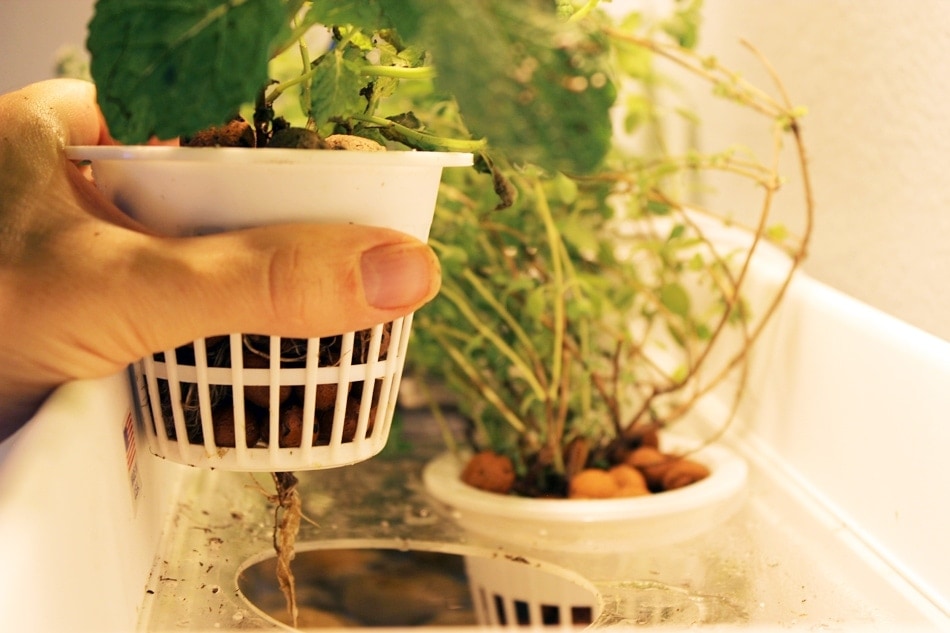
If you still want to keep them in the home, you can do so safely. Place them in a room your cat doesn’t have access to or inside a glass case, like a curio cabinet. Just remember that hanging plants are not safe from cats. Cats jump and climb, and a hanging plant might be more enticing.
4. Give Your Cat Their Own Plant
Planting wheatgrass is a safe alternative for your cat to eat. They may like it more than chewing on houseplants, and there are benefits of feeding your cat wheatgrass, like mental stimulation and better dental health.
5. Make Others Aware

Family members and friends may like to stop by with flowers for holidays or celebrations. Cut flowers and greenery are just as toxic as live, growing plants. Be sure to let them know which typical cut or potted flowers for gifting are poisonous to your furry family members so they can help keep them safe.
6. Know the Signs
Accidents happen even when you take all the precautions possible, and cats can be sneaky. Make sure you are aware of the common symptoms of plant poisoning in cats so you can act quickly if necessary.
Common symptoms of plant poisoning include:
What Are Other Plants Toxic to Cats?
Now that you know what steps you can take to keep your kitties safe, it’s essential to look around your home and yard to ensure that you don’t keep any plants that are toxic to cats within reach. Rhododendrons are just one of many plants that pose a danger to cats if they eat them or just come in contact with them by brushing up against the leaves, depending on the type of plant.
Do you have any of these plants in or around your home?
What Safe Plants Can You Choose Instead?
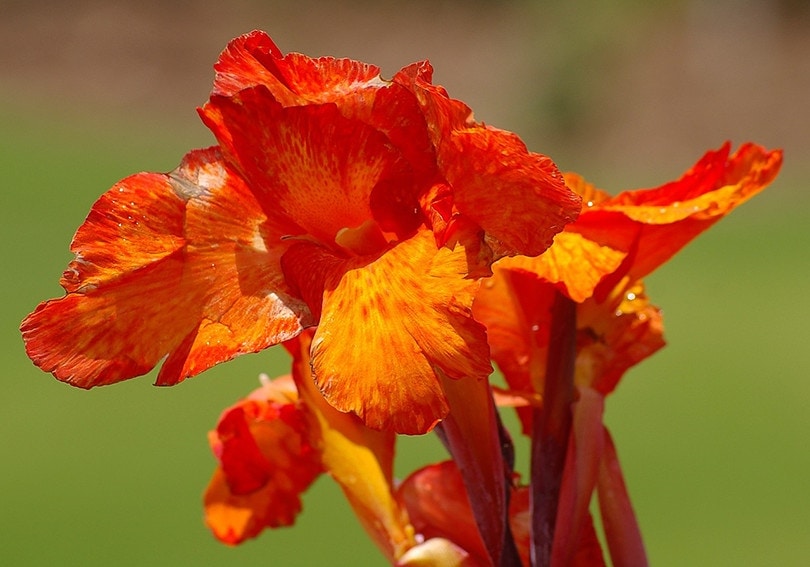
Hundreds, if not thousands, of plants are toxic to cats. While rhododendrons are beautiful and offer a wonderful, lightly floral scent that many love, it’s just not safe for cats. There are, however, many plants that are safe and would make excellent alternatives.
Try one of these non-toxic plants houseplants to brighten a room:

In Summary
If your cat has chewed on or consumed part of a plant, the first step is to contact the vet or call the ASPCA Animal Poison Control Hotline at (888) 426-4435. Identifying the type of plant is essential so the operator will know how to guide your next steps.
There are more than 1,000 species of rhododendrons, and all of them are poisonous to cats, but identifying them may be difficult. To help prevent plant poisoning in cats, remove or isolate anything that may be toxic to your fur babies. Taking this precaution may help save them from dangerous symptoms like those caused by rhododendron.
See also:
Get Hepper In Your Inbox


Pet care tips from our vets and experts, straight to your inbox.
You may opt-out at any time. View our Privacy Policy for more information.
Nicole is a lover of animals of all sizes but is especially fascinated with the feline variety. She’s the proud mom of Baby, a Burmese, and works every day so he can relax in the sunshine or by the fire. She’s always had a cat in her home and has spent countless days with others, observing behaviors and softening up even the grouchiest of the lot. Nicole wants to share her kitty expertise with you so you and your cat can live happy, healthy, and care-free.
Join the conversation
Ask a question, share your story, or send private feedback.