Hepper is reader-supported. When you buy via links on our site, we may earn an affiliate commission at no cost to you. Learn more.
Is Cat Palm Toxic to Cats? Keeping Your Cats Safe


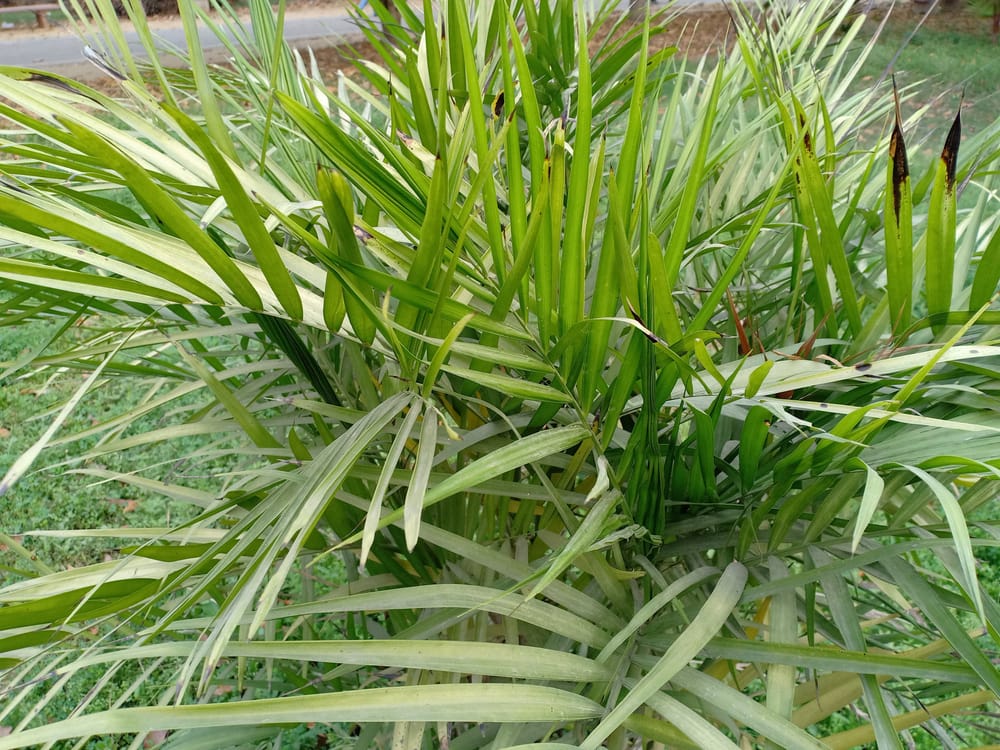
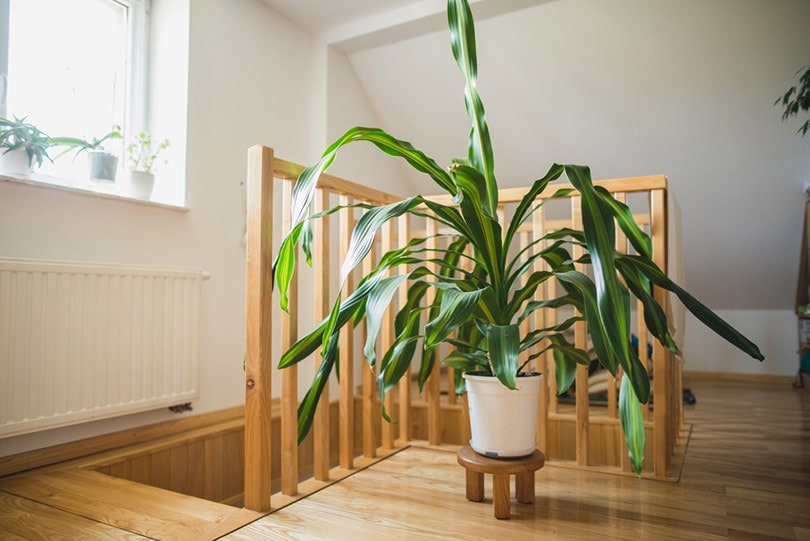
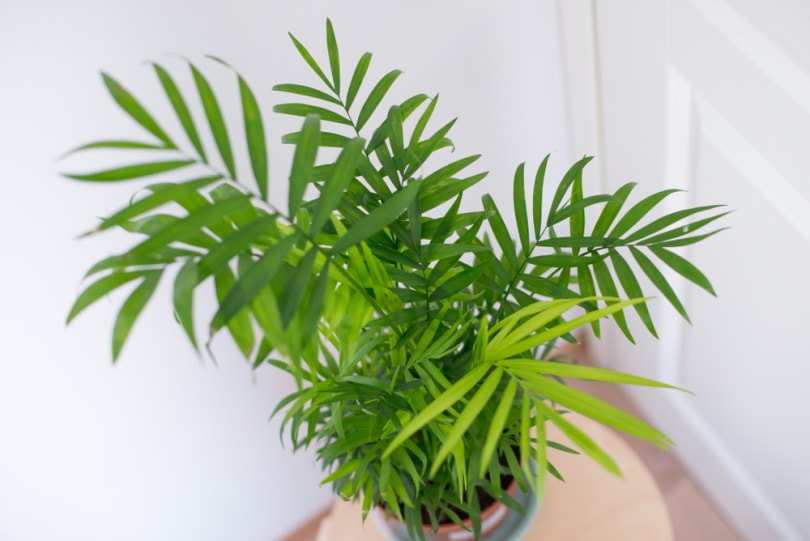
Bringing the outdoors inside with a few houseplants is a simple way to make our homes feel cozier. The problem with being both a plant and a cat lover, though, is that you must be extremely careful about which plants you’re exposing your pets to. Cat Palm, with the scientific name of Chamaedorea cataractarum, is a palm plant with thin, long leaves. Its tropical feel makes it a popular houseplant, but is it safe for those who own cats?
Cat Palm is not toxic to cats, so you can start bringing these beautiful plants indoors to liven up your space.

An Overview of Cat Palm
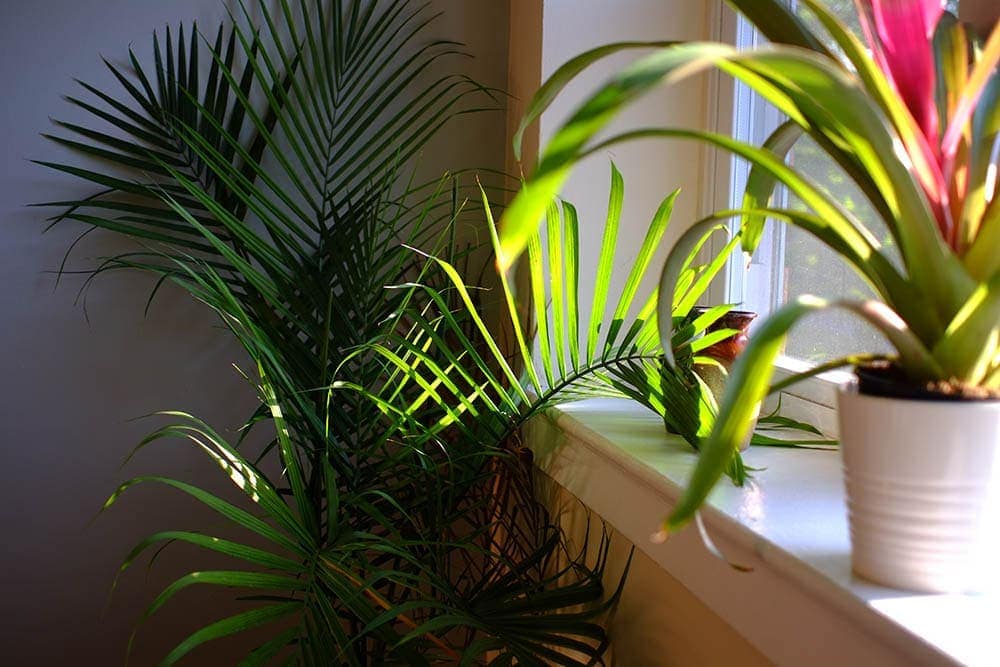
Chamaedorea cataractarum, most commonly referred to as Cat Palm, is a type of palm plant with dense, clumping growth and long, glossy leaves. It’s widely grown outdoors in the USDA hardiness zones 9 and 10 and thrives in full sunlight. These plants adapt to various soil types but can also tolerate temperatures below 30°F for short periods. In the right conditions, Cat Palms grow up to 8 feet tall.
Since these plants are fond of warmer weather, most people in other hardiness zones throughout the country tend to bring them indoors. Cat Palms are the perfect houseplants because they are non-toxic to both cats and dogs.

Common Houseplants to Avoid
While the Cat Palm might be non-toxic to felines, there are other popular houseplants that you will want to avoid. Many of them are beautiful and very popular but could put your pet in danger. Whenever you bring any live plants into your home, you must ensure they are safe for animals—you never know when your curious cat might find a way to climb up even the tallest shelves.
1. Peace Lilies
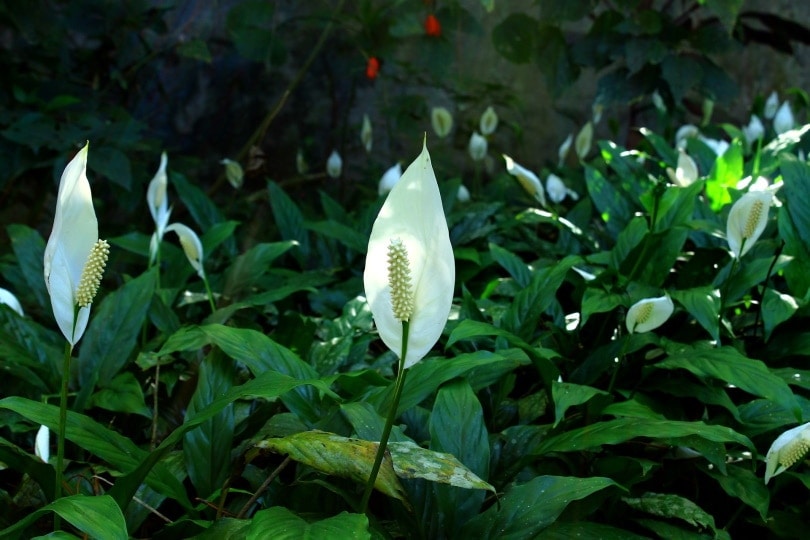
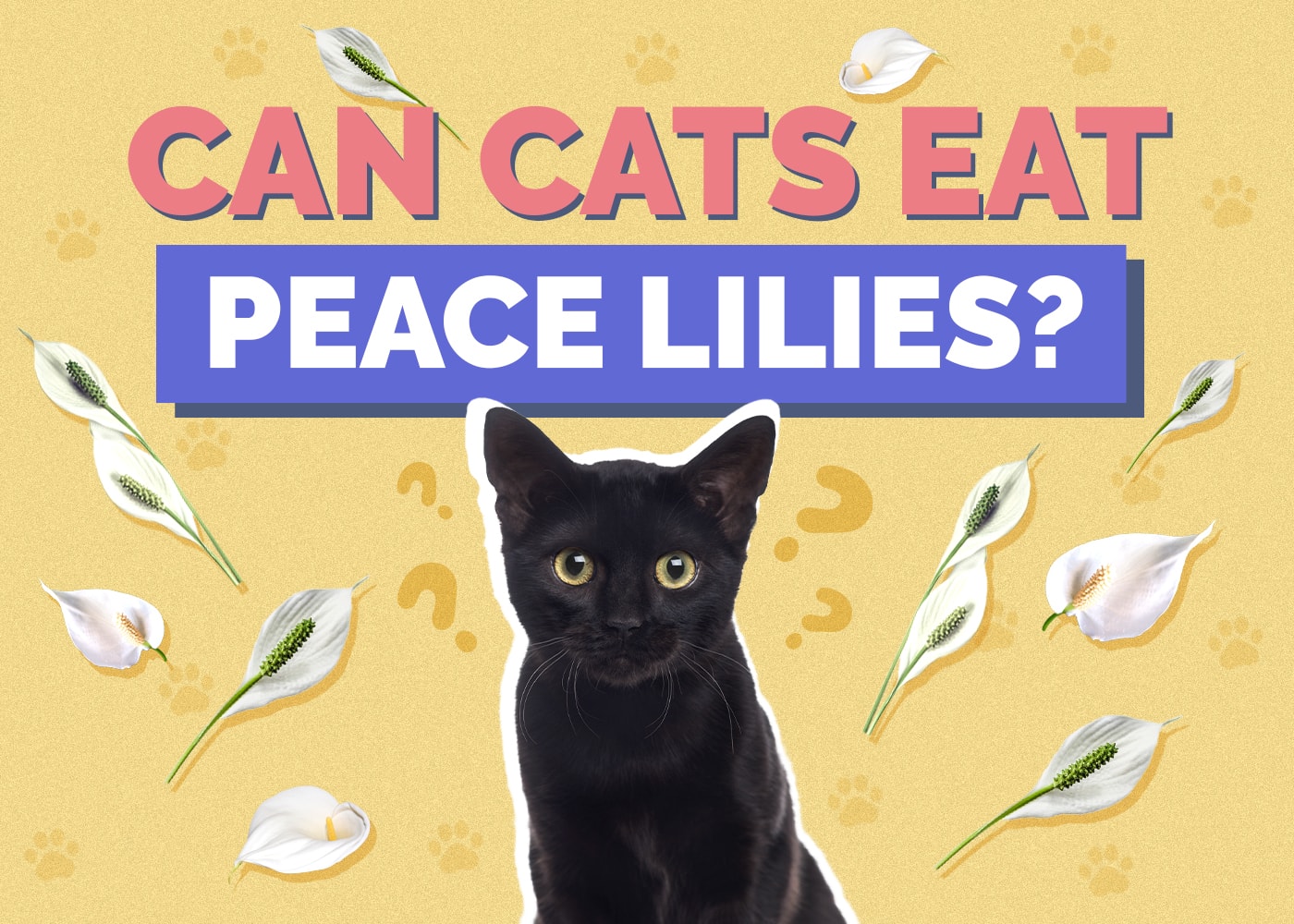
Peace Lilies (Spathiphyllum) might have gorgeous, dark-green leaves with stunning white blooms, but they don’t belong inside any home that has pet cats. Peace Lilies are not only toxic to cats, but they also require a lot of attention to thrive.
If your cat decides to take a nibble, this could cause irritation of the mouth, tongue, and lips and intense burning. Your cat could experience drooling, vomiting, and difficulty swallowing.
2. Jade Plants
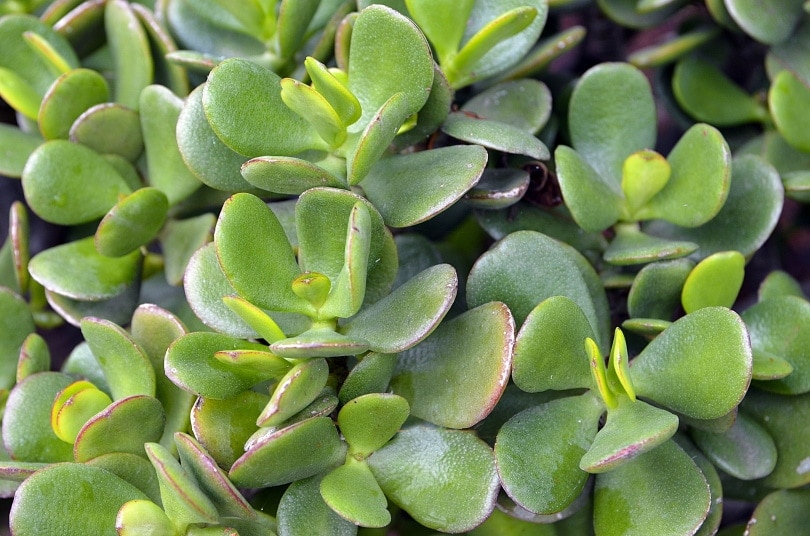
Jade Plants (Crassula argentea), also called money plants, are supposed to bring you good luck. Many guests bring them as housewarming gifts, and people tend to hold on to them for a while because of how easy they are to grow. Unfortunately, this is a plant that won’t bring much luck to your cat.
Exposure can cause listlessness, incoordination, vomiting, and diarrhea. The actual toxin is unknown.
3. Aloe Vera
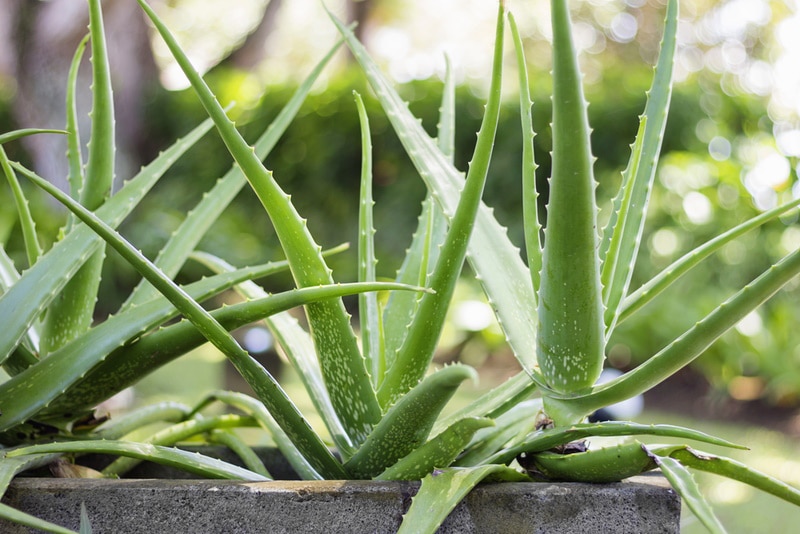
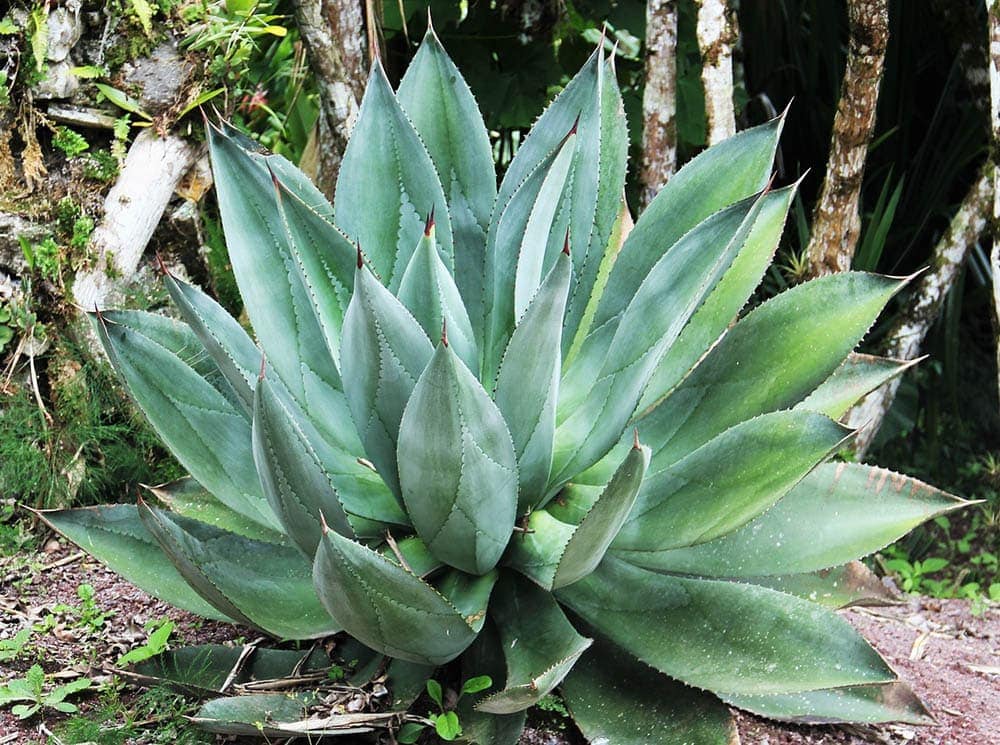
Most people don’t expect Aloe Vera (Aloe barbadensis) to be on the list of toxic plants for cats—there are even quite a few cat products sold with Aloe as one of the ingredients. But the Aloe Vera plant contains anthraquinone glycosides that when ingested by a cat, increase mucus production and can lead to vomiting, diarrhea, and changes in urine color (red).
4. Snake Plants
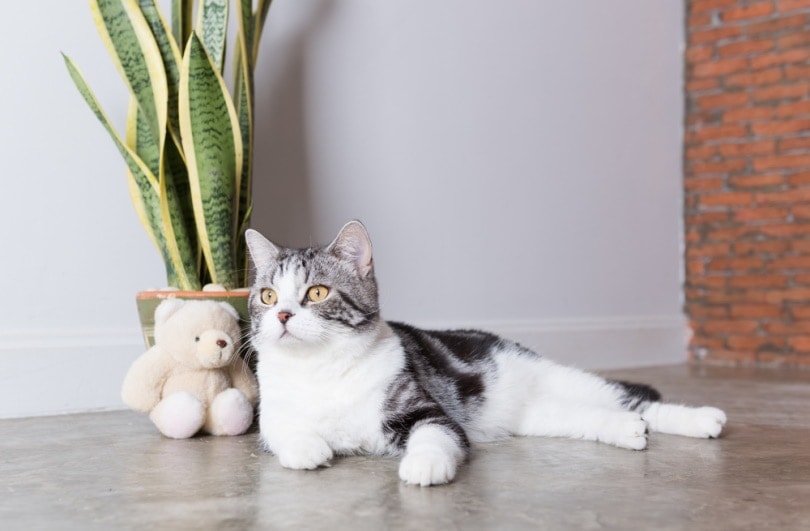
You’ve probably seen a snake plant, also called a golden bird's nest, in at least one of your friend's homes recently. Snake Plants (Sansevieria trifasciata) are growing in popularity because they can be easily tucked into a corner and don’t require a ton of natural light. However, this is yet another type of houseplant that should be kept away from cats.
Snake plants contain saponins that become dangerous if eaten, causing nausea, vomiting, and diarrhea.
5. Sago Palm
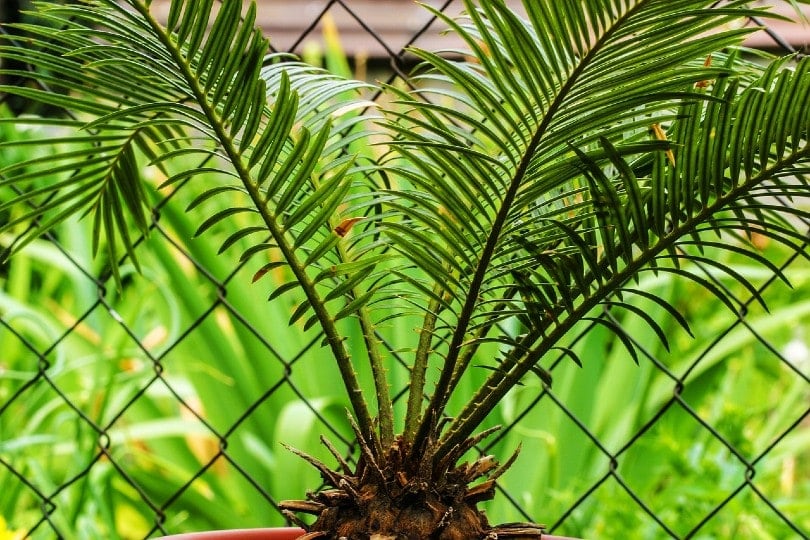
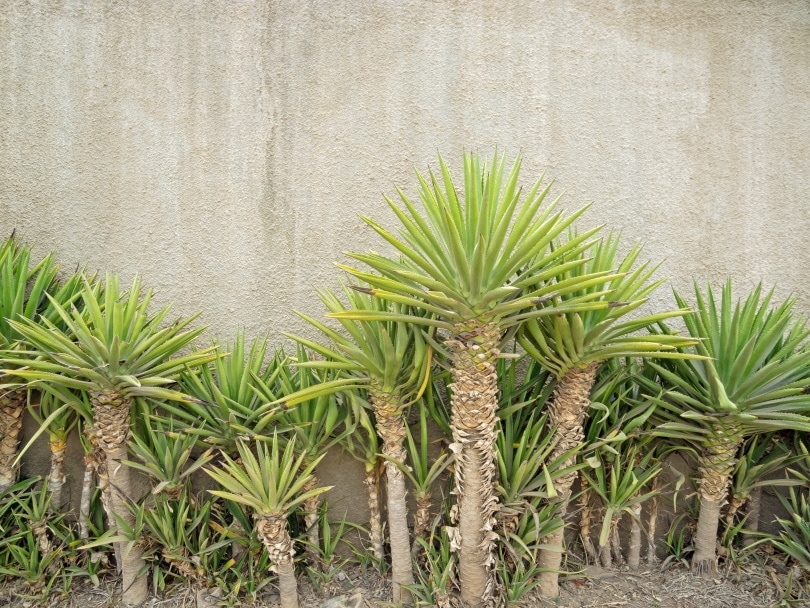
Just because the Cat Palm is safe for cats doesn’t mean that the rest of the plants in the palm family are welcome in your cat-friendly home. Sago Palms (Cycads) contain cycasin and other toxins that in cats, can cause vomiting and diarrhea (with or without blood), dark stools, increased thirst, yellow gums, bruising, weakness, liver failure, and even death.
Conclusion
Owning a cat means taking extra time to evaluate what is or isn’t safe to keep in your house. Cats aren’t similar to humans in every way, and they can’t tolerate many of the plants, foods, and other substances that we can. If you’re dying to warm up your home with some greenery, you’ll be happy to have learned that the Cat Palm is a good choice.
However, always use caution, and keep an eye on your kitties near any plants. You can keep them safer by training them to stay away from houseplants in general.
Related Reads:
Featured Image Credit: Vipul1989, Shutterstock
Get Hepper In Your Inbox


Pet care tips from our vets and experts, straight to your inbox.
You may opt-out at any time. View our Privacy Policy for more information.
Hallie has been a proud nature and animal enthusiast since she was a little girl. She attributes her passion for the environment and all its creatures to her childhood when she was showing horses on weekends and spending her weeknights devoting her attention to her pets. Hallie is happiest when she is playing with her two rescue cats, Chewbacca and Lena, and her dog, Clayton. When Hallie isn’t writing about animals, you can probably find her curled up on the couch read a good books or watching a documentary.
Join the conversation
Ask a question, share your story, or send private feedback.