Hepper is reader-supported. When you buy via links on our site, we may earn an affiliate commission at no cost to you. Learn more.
How Much Do Rabbits Shed? Expert Care & Grooming Tips
In this article
Owners tend to associate shedding with pet dogs and cats, but shedding is also a pitfall of rabbit ownership. In the wild, rabbits would typically molt twice a year, in spring and autumn once they reach the age of about 6 months old. Pet rabbits are kept in very different conditions and lead different lives to their wild counterparts, which means that while they will shed, they may not shed to the same timescale. Therefore, some pet rabbits may go through this twice-yearly shedding, and others may seemingly shed throughout the year.
Regular brushing can help minimize the amount of fur left on furniture and generally floating around in the local environment. It also keeps the coat looking trim and feeling fresh while preventing matting, reducing hairballs, and controlling fur mites. Excessive molting, especially outside the spring season, could be a sign of illness, however, and should be investigated.

Rabbit Coats
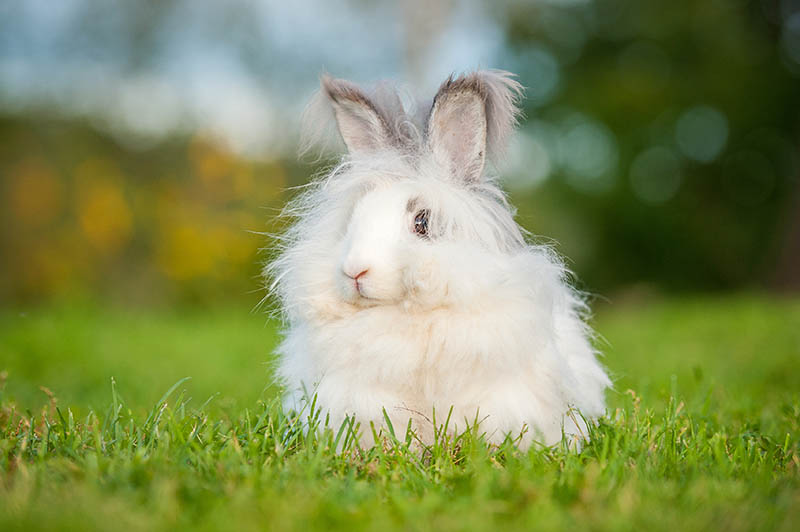
Rabbits have an undercoat of fur that insulates and keeps them warm, especially in the winter months. They also have an overcoat consisting of longer hairs. This overcoat provides protection against the elements and also dust, dirt, and debris. Because rabbits have to endure very different environmental conditions during summer and winter months, they shed their coat twice a year so that they have the appropriate protection against cold or warmth. But first, young rabbits undergo transitional shedding at about the age of 6 months.
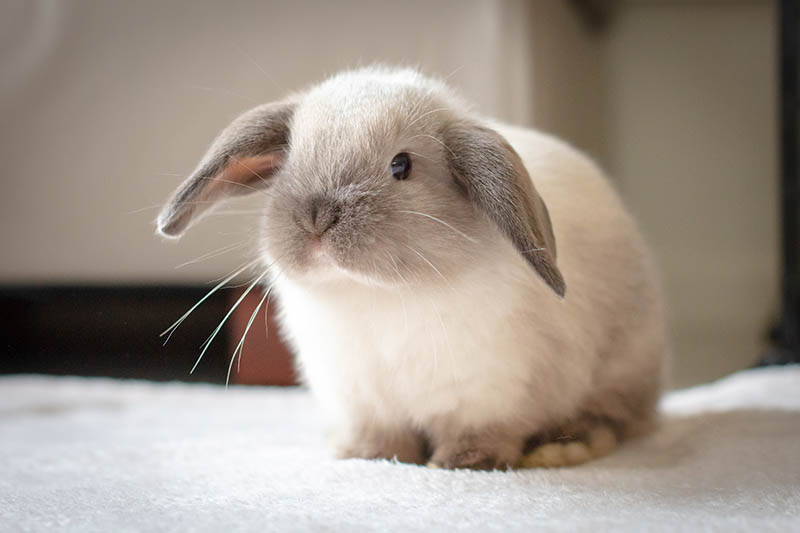
The 4 Types of Shedding
1. Transitional Shedding
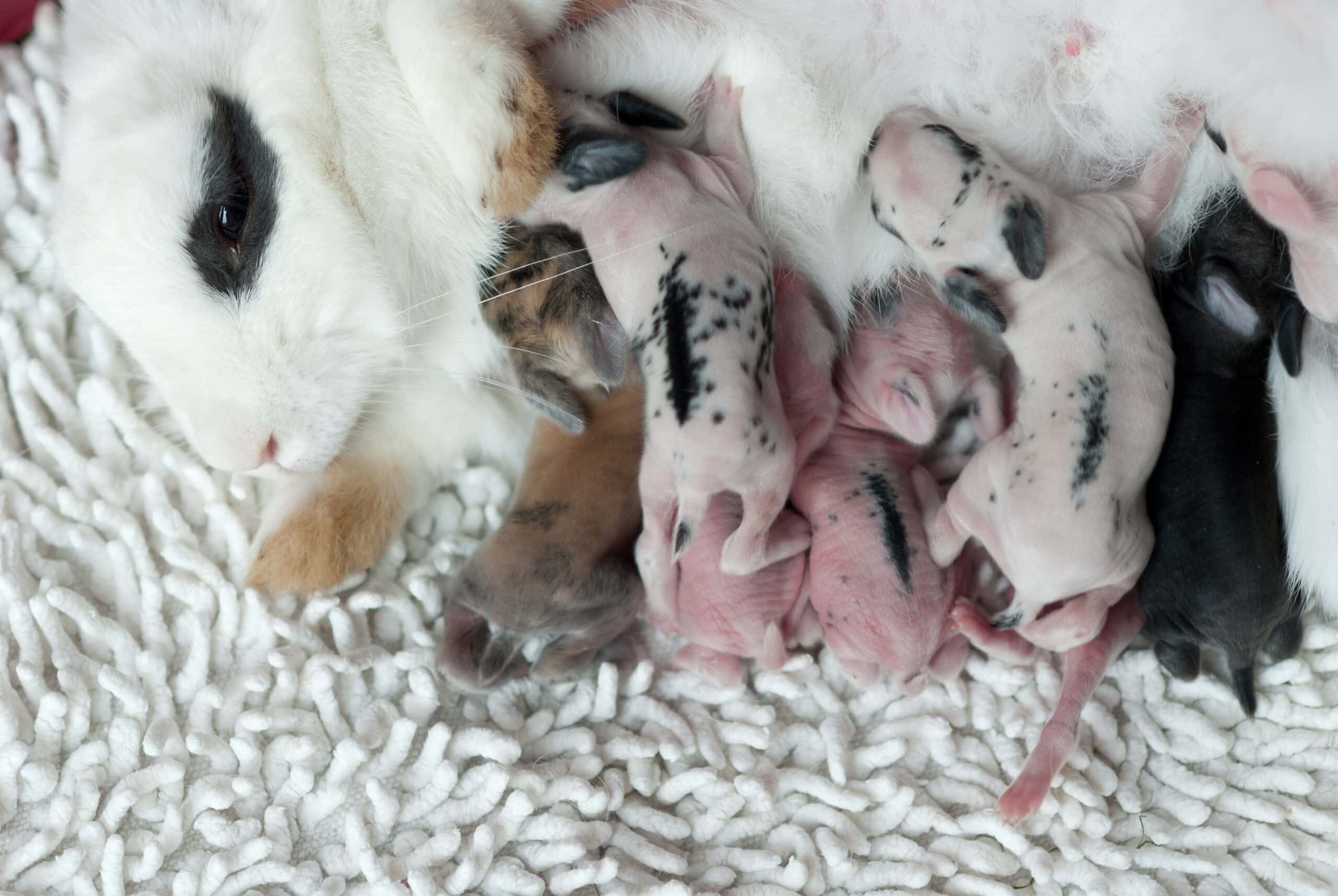
Kits have very soft, fluffy coats. As they start to mature, typically at the age of 6 months, this coat is replaced by a transitional coat. There may be some molting during this transitional shed but it won’t be as severe as the sheds that are to come.
2. Spring Shedding
The spring shed is the most severe. The rabbit’s thick winter coat is replaced by a lighter coat, which means that the thick winter fur is shed. The spring shed is usually shorter than the fall shed, but because of the thickness and amount of fur being replaced, it is a heavy shed and you can expect to see clumps of fur in the hutch and in the air.
3. Fall Shedding
In fall, rabbits shed their thin summer coat, to be replaced by a thick winter coat. This shedding takes longer than the spring shedding, but less fur is shed so it won’t feel as drastic.
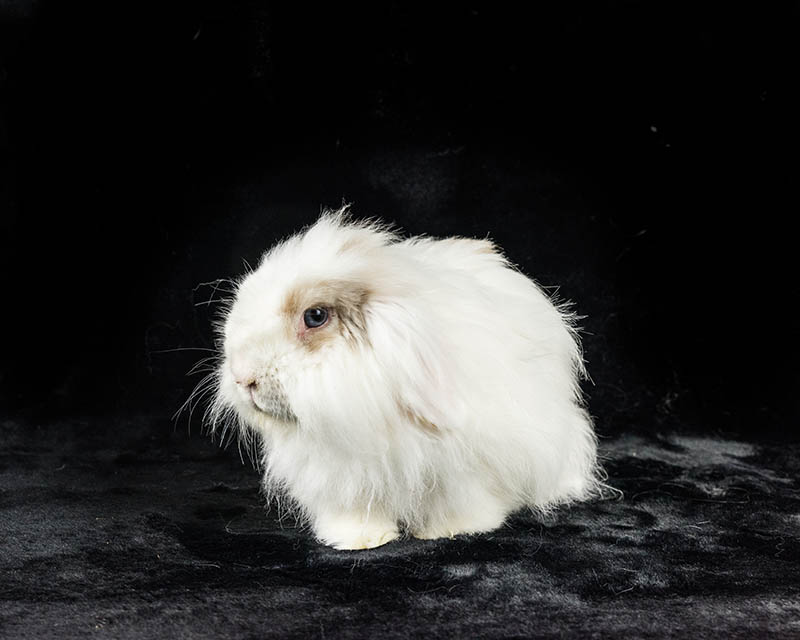
4. Other Shedding
Although spring and fall are the two times of the year when rabbits undergo considerable shedding, they can shed throughout the rest of the year. This means that there may be a small amount of fur at any time of year.
Shedding Behavior
A rabbit’s behavior may change during shedding, although this isn’t true with all rabbits. You may notice your bunny get grumpier as it becomes uncomfortable. As the new coat grows through the skin, it causes itching and irritation, even if the shed is successful and trouble-free. Your rabbit should return to normal once it has finished shedding. Because their skin is uncomfortable, rabbits may not want to be handled and to avoid this irritation, some will hide out in their beds. This kind of activity is natural and, typically, there is nothing to worry about.
Brushing Your Rabbit
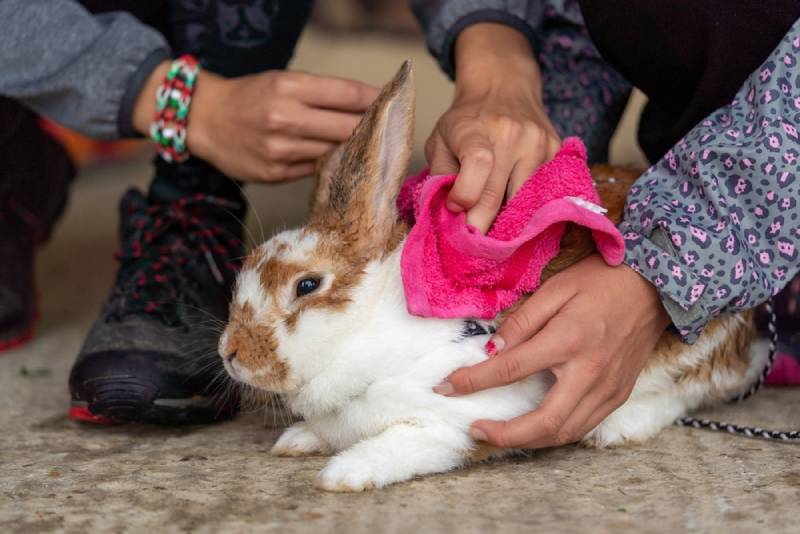
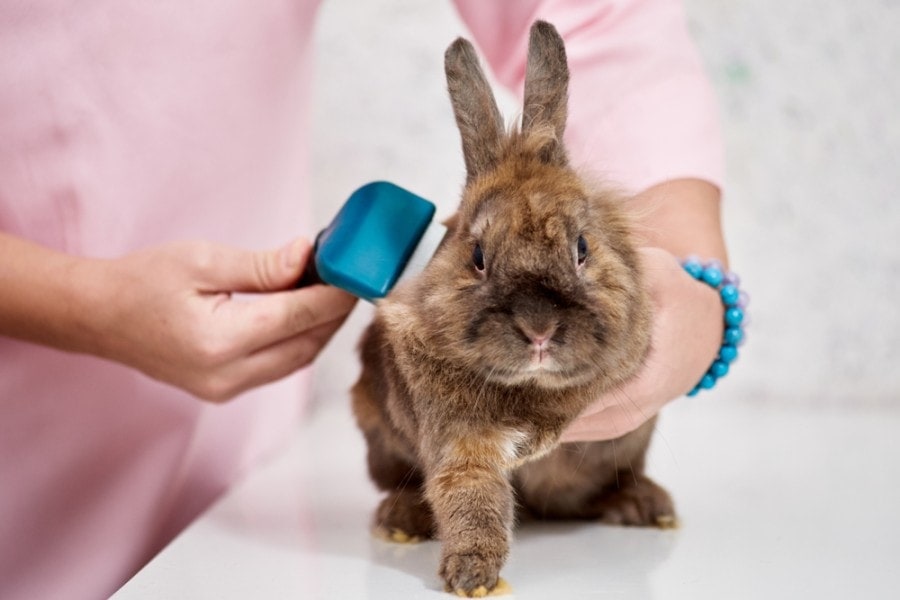
You can’t and shouldn’t attempt to stop your rabbit shedding. It is a natural process and it helps keep a rabbit comfortable and protected. However, regular grooming can help minimize the impact shedding has around your house and it can also help prevent stuck hair and other potential complications. Out of shedding season, you should groom your rabbit once or twice a week but may need to increase this to provide a daily brush when they are shedding heavily.
Excessive and Unwanted Shedding
Although shedding is natural for rabbits, it can also be a sign that something is wrong. Some illnesses cause excessive shedding so if your bunny is shedding throughout the year or more than in other years, you should keep an eye out for other symptoms.
Stuck Shed
Typically, the old fur is shed before new fur grows in its place. Sometimes, some of the old fur may remain on your rabbits body when the new starts to grow and this is called being stuck in molt. This isn’t usually dangerous but it means that your rabbit will continue to shed so you can expect shedding to take a little longer and your rabbit’s coat to look unkempt during the process.
Conclusion
Rabbit molting, or shedding, is a natural occurrence. Rabbits will generally have one big shed in spring and a lesser, but potentially longer, shed in fall. They can also shed continuously throughout the year or at additional stages of the year. You shouldn’t try to prevent shedding, but you can groom your rabbit regularly to remove loose hairs and prevent them from spreading through the house.
If your rabbit sheds excessively or unexpectedly, it may be a sign of stress or illness and you should look for other potential symptoms and signs.
Related read:
Sources
Featured Image Credit: Rita_Kochmarjova, Shutterstock
Get Hepper In Your Inbox


Pet care tips from our vets and experts, straight to your inbox.
You may opt-out at any time. View our Privacy Policy for more information.

Nicole is a lover of animals of all sizes but is especially fascinated with the feline variety. She’s the proud mom of Baby, a Burmese, and works every day so he can relax in the sunshine or by the fire. She’s always had a cat in her home and has spent countless days with others, observing behaviors and softening up even the grouchiest of the lot. Nicole wants to share her kitty expertise with you so you and your cat can live happy, healthy, and care-free.
Join the conversation
Ask a question, share your story, or send private feedback.