Hepper is reader-supported. When you buy via links on our site, we may earn an affiliate commission at no cost to you. Learn more.
Basenji vs Shiba Inu: Notable Differences (With Pictures)

In this article
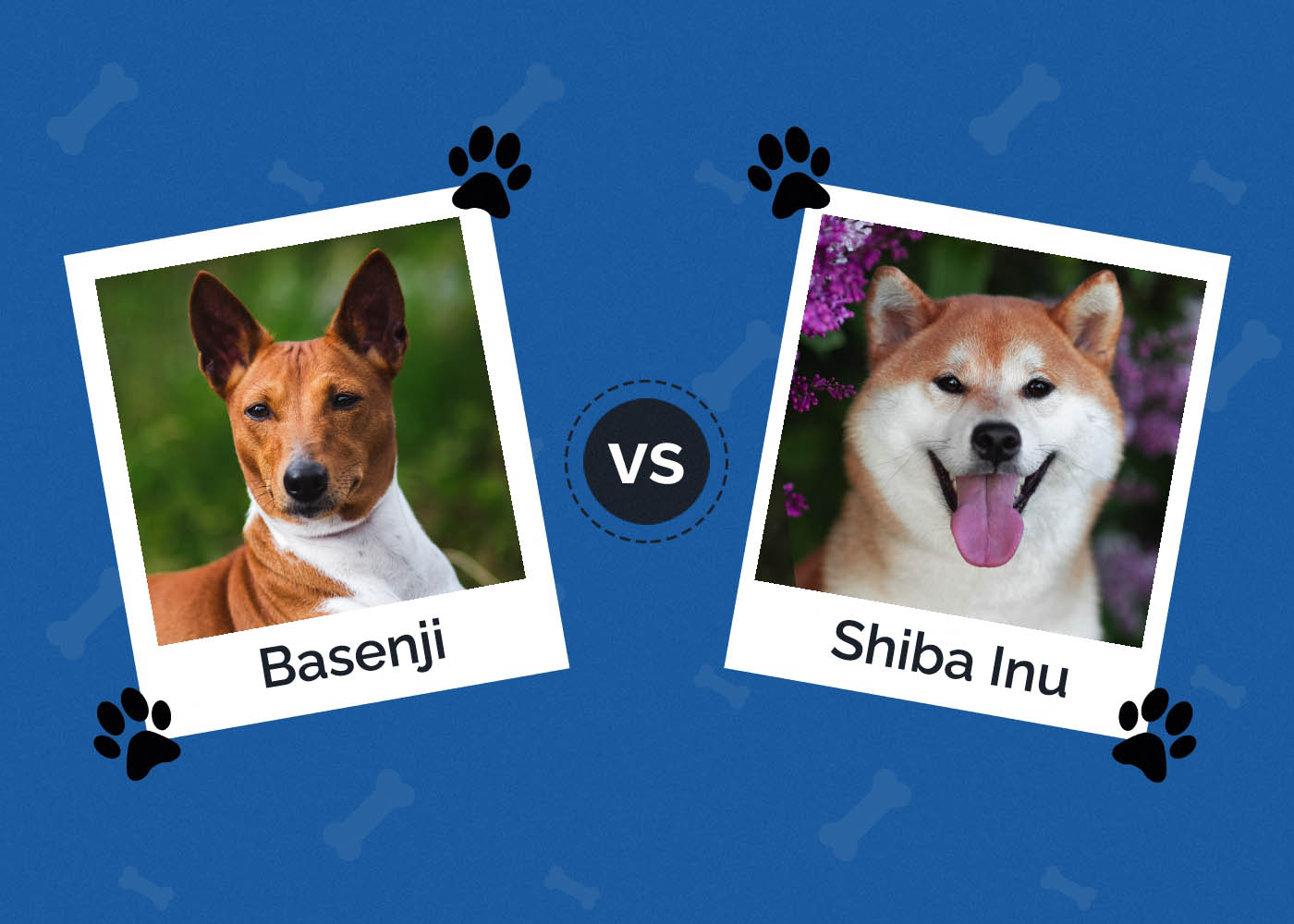
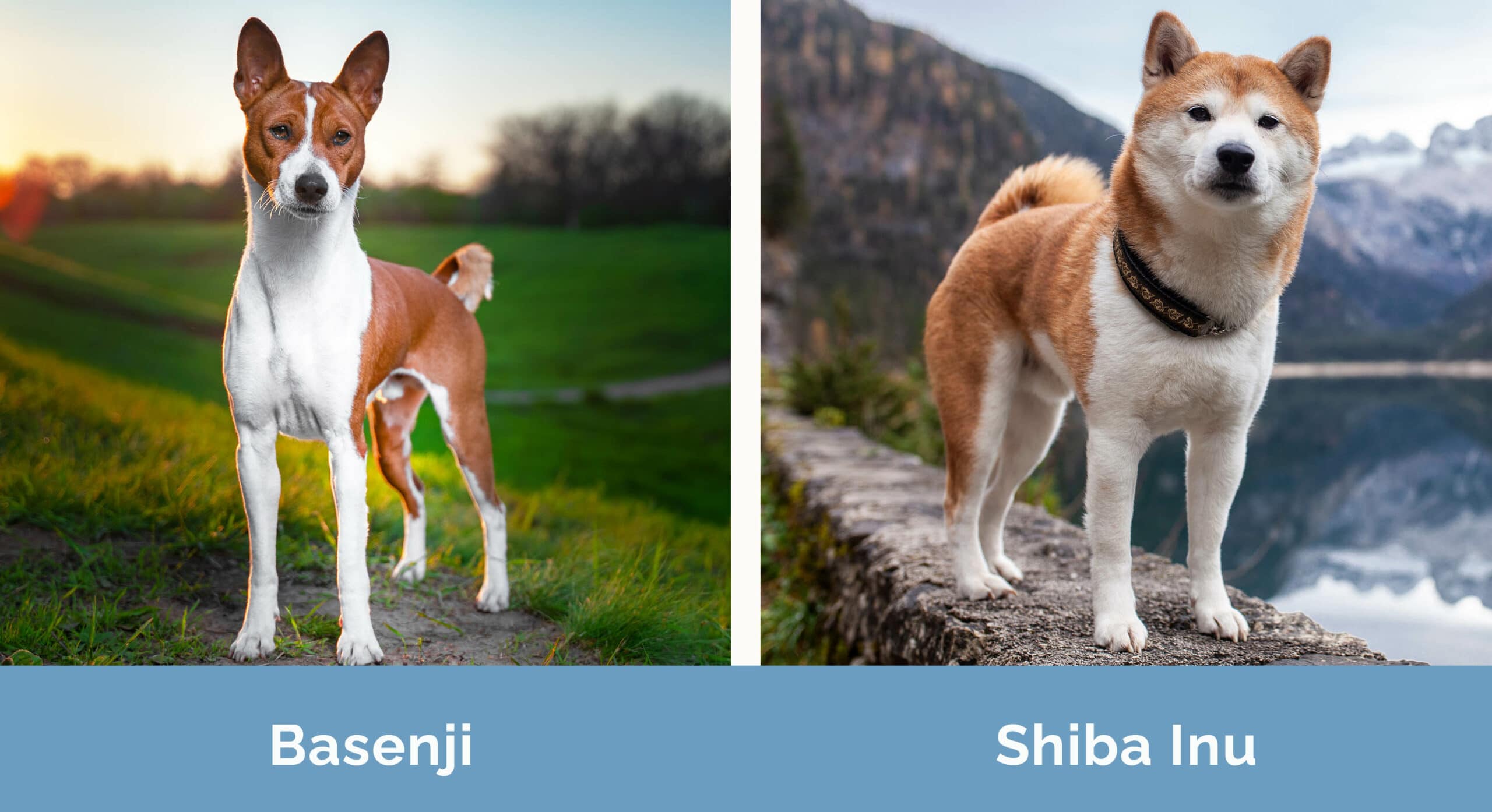
People frequently confuse the Basenji and the Shiba Inu because they look quite similar. However, there are some notable differences between them. When deciding which one to bring home, it's crucial to consider these distinctions to find a pup that best fits your needs.
The agile Basenji is a dog breed originating from Africa with endless energy and strong hunting ability. The Shiba Inu, a small but mighty Japanese breed, is an ancient breed that enjoys time alone. In this post, we'll discuss the similarities and contrasts between these two types of dogs to help you find the right one.

Visual Differences
At a Glance

Basenji Overview
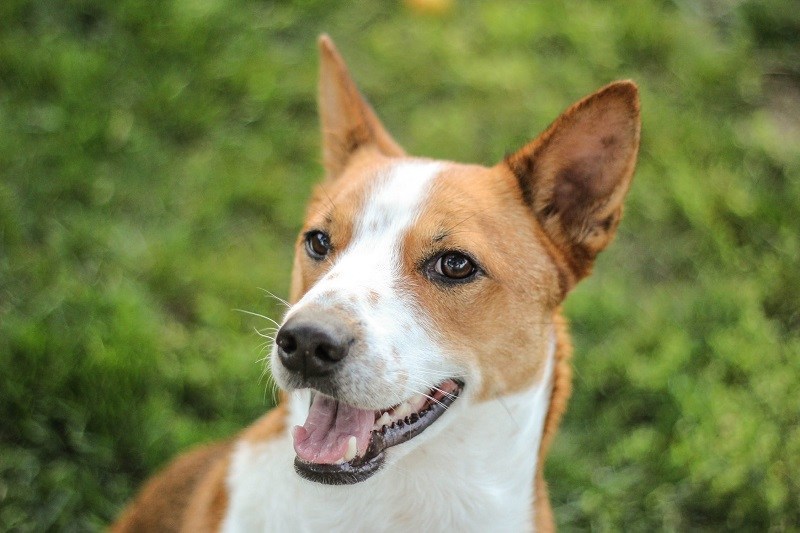
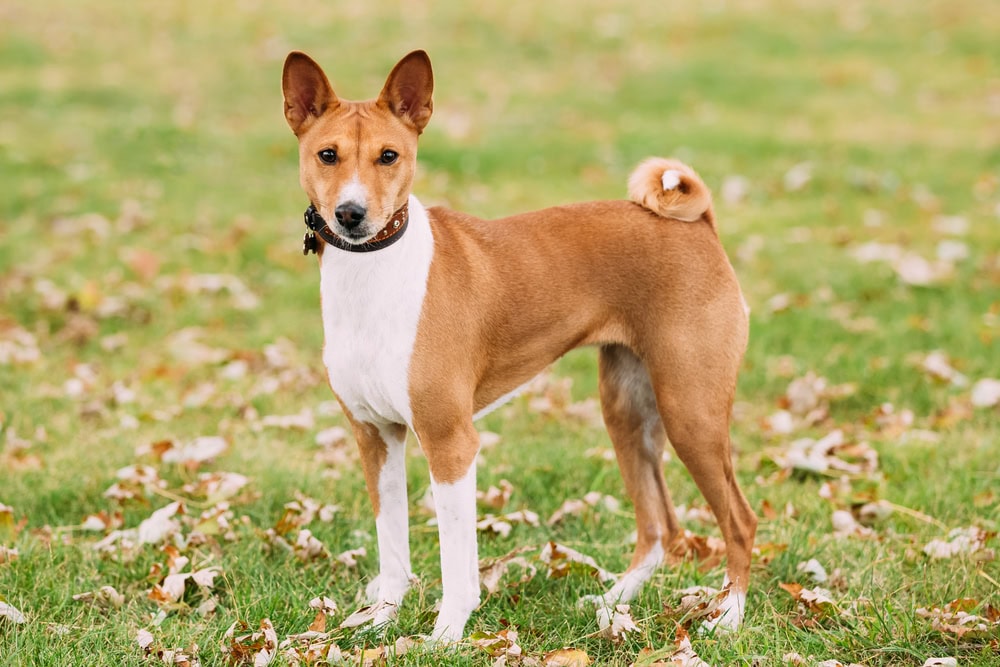
A small hound breed from central Africa, the Basenji has a short, smooth coat that doesn't shed much. These canines have almond-shaped eyes, upright ears, a wrinkled forehead, and a curled tail over their backs. They are square and athletic in shape overall, and the Basenji is often known as the "barkless dog" as they rarely bark. Doing your homework to ensure the breed is a good fit for you before getting one is crucial.
Personality
Owners often compare the Basenjis' personalities to those of cats. They tend to favor certain family members and can be somewhat independent and aloof, especially with strangers. In addition, they'll groom themselves as a cat does. These canines are intelligent and high-energy, so it's easy to understand why they get bored quickly.
Training
Basenjis are intelligent but quite stubborn, which can make training them difficult. They have relatively independent personalities and while they may fully understand the commands you give them, there is a chance they will simply choose not to obey.
So, it's vital to start training these canines at a young age. This will help build a strong foundation for them and prevent bad habits early on. Also, note that it's best to be consistent in your commands and use positive reinforcement. Keep lessons short and fun so your furry friend doesn't lose interest.
Don't forget to socialize your Basenji from an early age. These dogs are typically wary of strangers but can be friendlier if they have regular pleasant interactions with people. Remember that while Basenjis get along reasonably well with other dogs, they might view cats or other small domestic animals as prey.
Health & Care
This dog breed is generally healthy. However, some hereditary health conditions still exist in Basenjis, such as:
Exercise
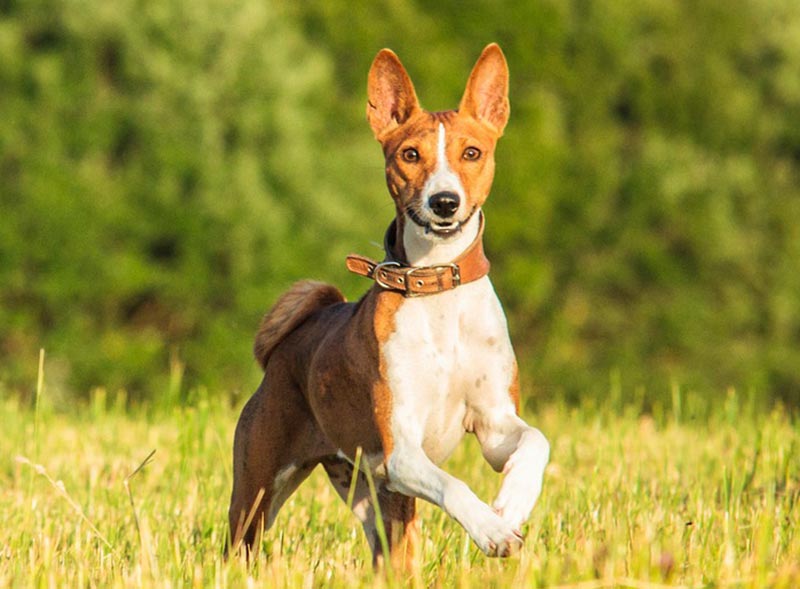
Basenjis need to exercise for at least a few hours each day. If they don't burn off excess energy, they may begin to chew on things in the house indiscriminately or show other harmful behaviors. Exercise for Basenjis can consist of long walks, running, hiking, and abundant play sessions. Furthermore, they are excellent at dog sports like tracking and agility.
When going outside, always keep Basenjis on a leash or ensure they are in a securely fenced area. Because they have a high hunting instinct, small animals running past are enough to stimulate these canines to chase when the opportunity arises. In addition, Basenjis are also known for their mastery of climbing fences—so be sure to keep an eye on your agile dog at all times.

Suitable For:
This energetic breed does best in a home with a secure yard and is suitable for people with an active lifestyle. They are also well-suited to apartment living thanks to their small size and easy-to-care-for coat. You only need to ensure they get enough exercise and don't leave them alone for too long.
Although Basenjis aren't known for being very affectionate toward kids, they can make good playmates for older kids. It's best to raise these dogs from puppyhood to build a strong bond if you have children.
Shiba Inu Overview
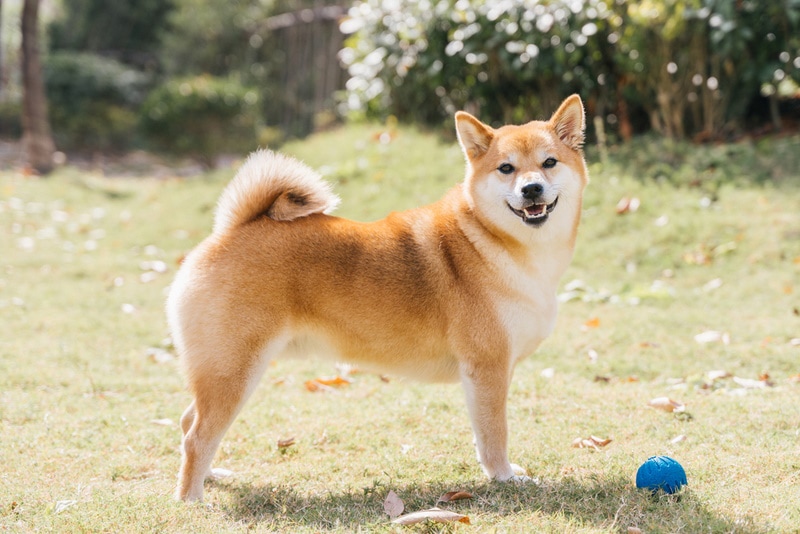
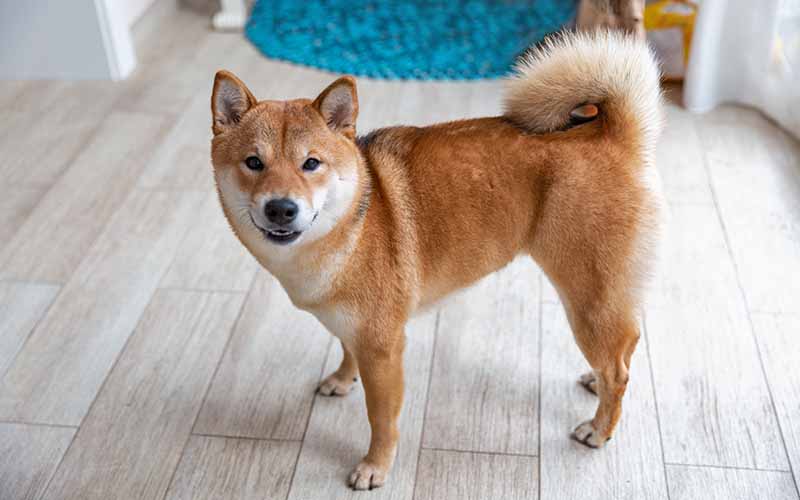
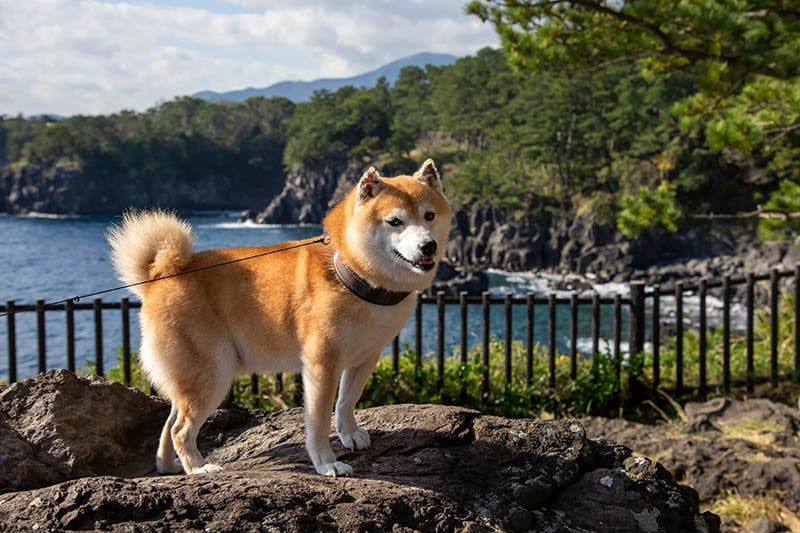
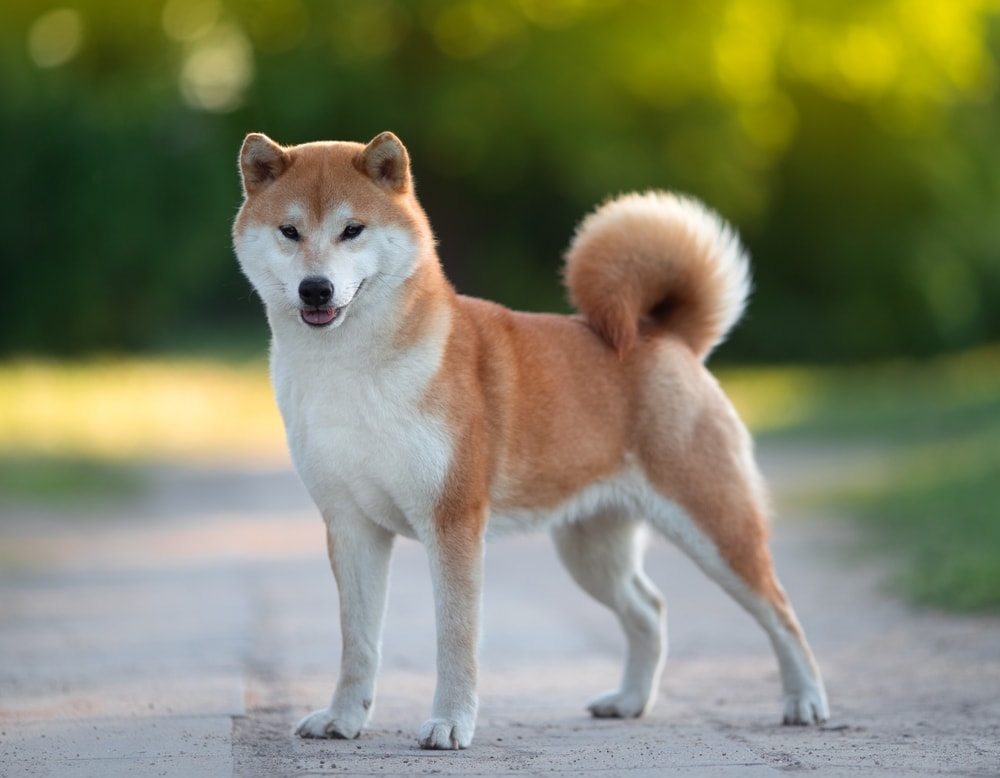
The Shiba Inu is a small Japanese breed with a double coat that is both short and thick and they have a “fox-like” appearance. They have upright ears and a bushy tail that curls over their back. Because they were bred for hunting, Shibas are quite athletic and muscular.
Like Basenjis, Shibas are aloof and independent. They also have a propensity to groom themselves like cats. Let's explore this breed in more detail to determine if they are a good choice for you.

Personality
Overall, the Shiba Inu is reserved but highly devoted to their owner. The breed's temperament typically includes high intelligence, independence, and stubbornness. Fortunately, Shibas can get along with other dogs and children if socialized from a young age.
Training
Training a Shiba may require more perseverance and patience than training other dog breeds. These dogs can be highly independent and stubborn, engaging in lessons only when they want to. To avoid the formation of undesirable habits, try to begin training at an early age.
To socialize your Shiba, try to expose them to a variety of people, dogs, and environments. Their comfort level will increase, and as a result, some of their aloofness will decrease.

Health & Care
The Shiba Inu is a generally healthy dog breed with a long lifespan. However, they are susceptible to some hereditary conditions, such as:
Exercise
Shiba Inus should engage in at least an hour of physical activity per day, such as walking, hiking, running, playing, and more. Additionally, dog sports and puzzle toys are fantastic ways to keep your pet mentally and physically active. Due to their strong hunting drive, always keep your Shiba on a leash or within a securely gated area when taking them outside.

Suitable For:
Most Shiba Inus only tolerate kids to a certain extent. For households with older children, well-trained and socialized Shibas can be beneficial. However, this dog may not be suitable for playing with boisterous young kids. Additionally, if Shibas have enough daily exercise and mental stimulation, they can make good apartment dogs.

Which Breed Is Right for You?
Because the Basenji and Shiba Inu were originally bred as hunting dogs, they have a natural sense of alertness and a desire to chase after things. They enjoy spending time with their families, but they also enjoy spending time alone.
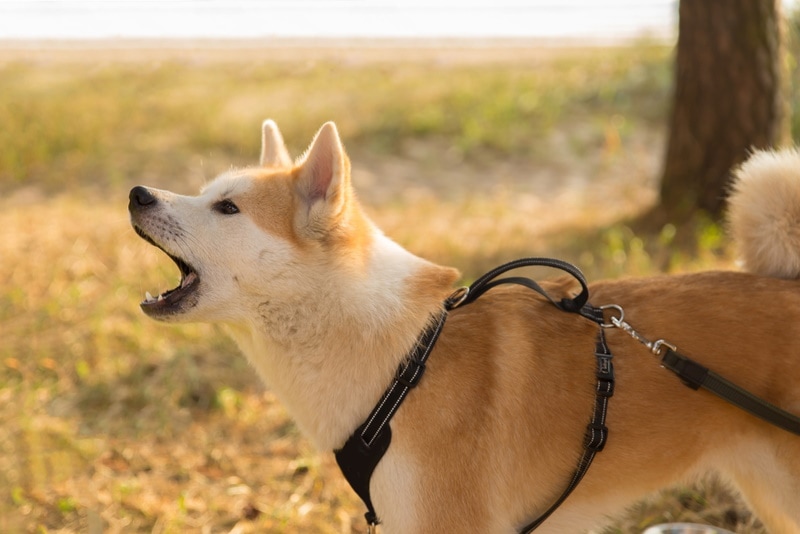
Both are fantastic dogs, but there are important distinctions between the two breeds. While Shiba Inus are famous for their howls, Basenjis are equally famous for not barking much. The final decision depends on your lifestyle and what is best for you in the long run. Good luck!
Related Reads:
Featured Image Credit: (L) Verbitskaya Juliya, Shutterstock | (R) OlesyaNickolaeva, Shutterstock
Get Hepper In Your Inbox


Pet care tips from our vets and experts, straight to your inbox.
You may opt-out at any time. View our Privacy Policy for more information.
Hanh is a freelance writer living in Vietnam. She has a big love for working online and writing about animals, especially dogs. She finds happiness in helping pet parents across the globe have a fulfilling life with their pets by sharing her knowledge and that of other experts. When not writing, she enjoys traveling and experiencing different cultures.
Join the conversation
Ask a question, share your story, or send private feedback.