Hepper is reader-supported. When you buy via links on our site, we may earn an affiliate commission at no cost to you. Learn more.
Shikoku vs Shiba Inu: Key Differences (With Pictures)
In this article
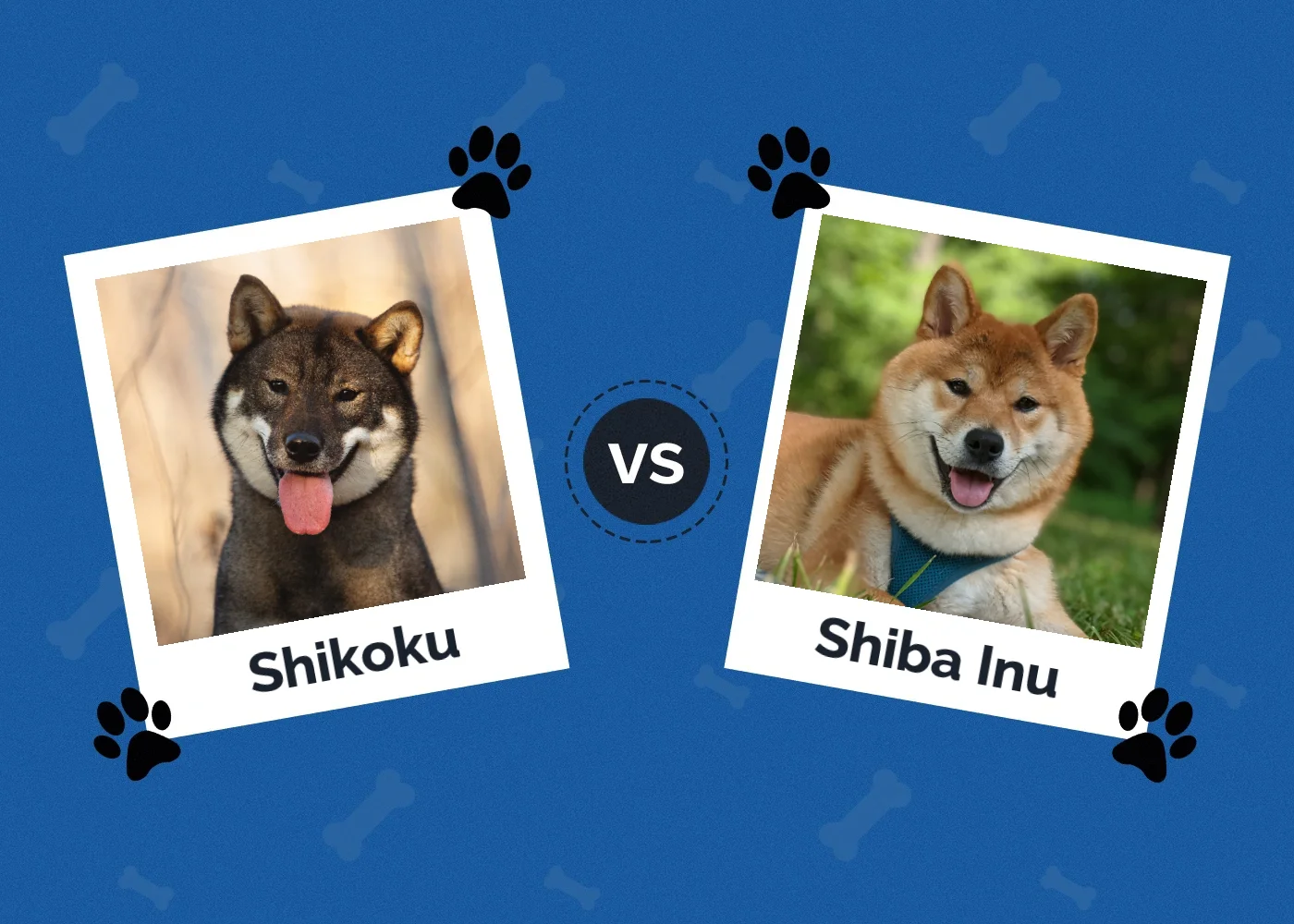
There are many dog breeds across the world; some are native to that country, some have been brought over from elsewhere, and there are some that have become a national favorite. Additionally, you will sometimes hear of dog breeds you’ve never heard of before. For example, did you know that there is a dog breed very similar to the Shiba Inu called the Shikoku? Both have similar characteristics, like triangular, pointy ears, a bushy tail, and dense, short fur.
Although the Shikoku and Shiba Inu look very similar, there are a few differences between the two dog breeds. Continue reading to learn about the differences between these two breeds and which is best for you.

Visual Differences

At a Glance

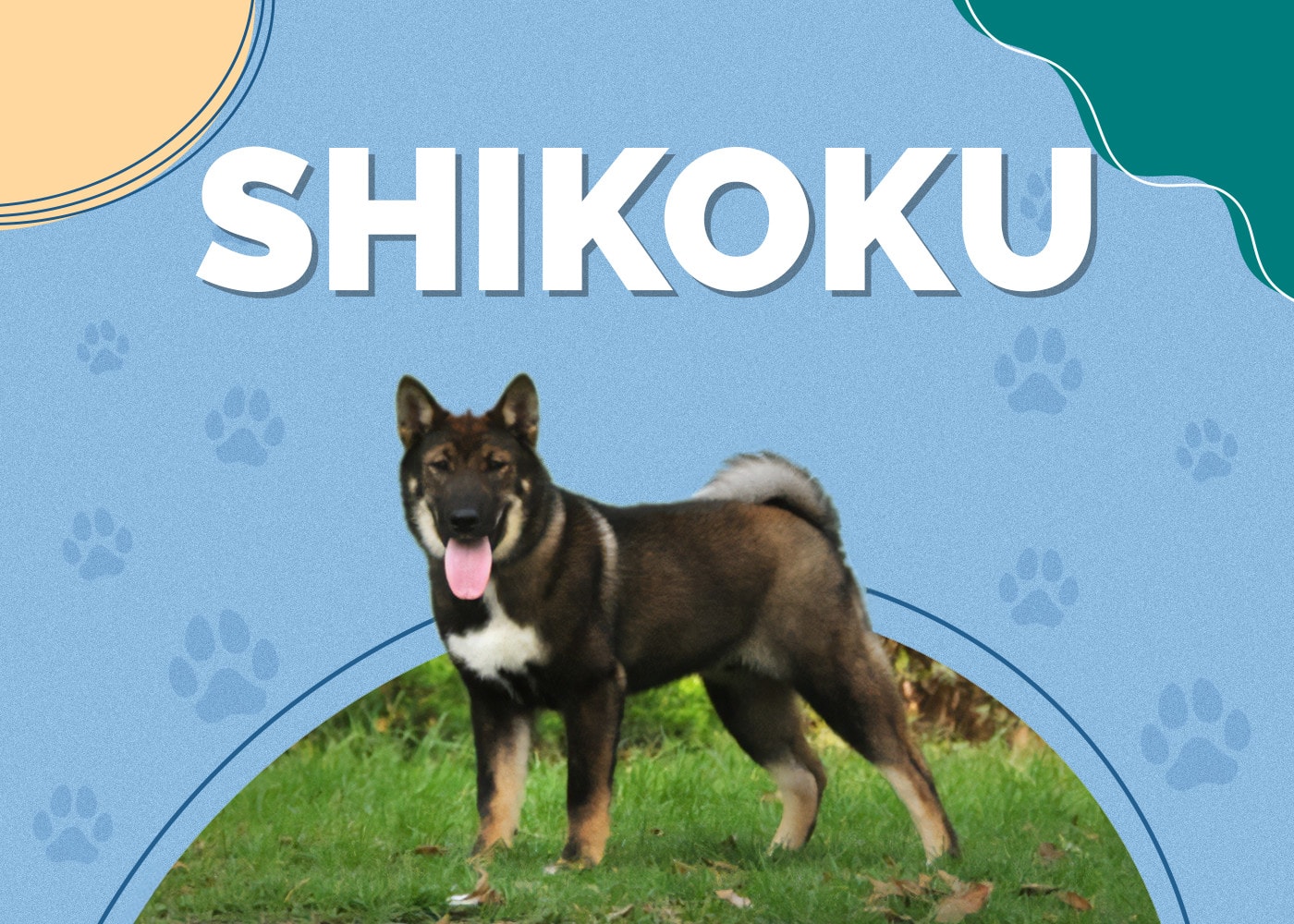
Shikoku Overview

The Shikoku dog breed is not commonly known across North America but has very similar physical characteristics to its smaller counterpart, the Shiba Inu. Their origin comes from Japan, where they were once used in tracking games as companions of hunters. These dogs were bred for the mountains and long periods of activity. They have noticeable short, pointy ears and short, dense fur. Their tails are usually curled and fluffy while being relatively long. Their markings are throughout their body with different shades of brown, from light to black in color, and in some cases, even red.
This dog breed is energetic and loves exercise but will also be very loyal to their owners. The Shikoku’s stature is quite strong, and their build is strong and sturdy. Their personalities are on the relatively moderate side in relation to other dog breeds in the sense that they aren’t overly hyper, require a moderate level of grooming, including nail clipping, and are on the average scale of personality.
These dogs are known to be good with other dogs and families when trained properly and show moderate affection towards their own families. Also, their short and dense fur means they do not shed a lot, making them relatively low-maintenance dogs.
Personality / Character
The Shikoku is known to be quite the adventurous dog needing regular exercise throughout the day. They have an energetic nature and are naturally geared towards exploring, whether in a backyard or during regular walks. They are also known to be very loyal to their owners and will display their intelligent side through training when done properly. It’s important to note that this breed may be aggressive and territorial towards others if not socialized well.

Training
Training the Shikoku is not as simple as using vocal commands and treats. These intelligent dogs are ready to learn and will remain calm through training processes. However, do not use negative or aggressive actions through the training process as the Shikoku will not respond well. Positive reinforcement is best with this breed.
Health & Care
The Shikoku required high-quality dog food in the proper portion sized for all meals. They are medium-sized dogs so becoming overweight will greatly impact their overall health. An overweight dog will encounter many health issues like joint and hip conditions that will affect their mobility. They will also be predisposed to diabetes or muscle conditions. It’s important to recognize any food issues they may have, such as allergies or aversions to certain ingredients.

Suitable For:
Due to the aggressive and protective nature of the Shikoku, this breed may be most suitable for a single adult, a couple, or a family with older kids. While like any dog they can be raised with positive behaviors towards people, they tend to fit best in these situations. If you have a young family, train your Shikoku to socialize well with children through positive reinforcement techniques.
Pros
- Low shedding
- Intelligent
- Low barkers
Cons
- Tendency for aggression
- Stubborn
- Hard to train

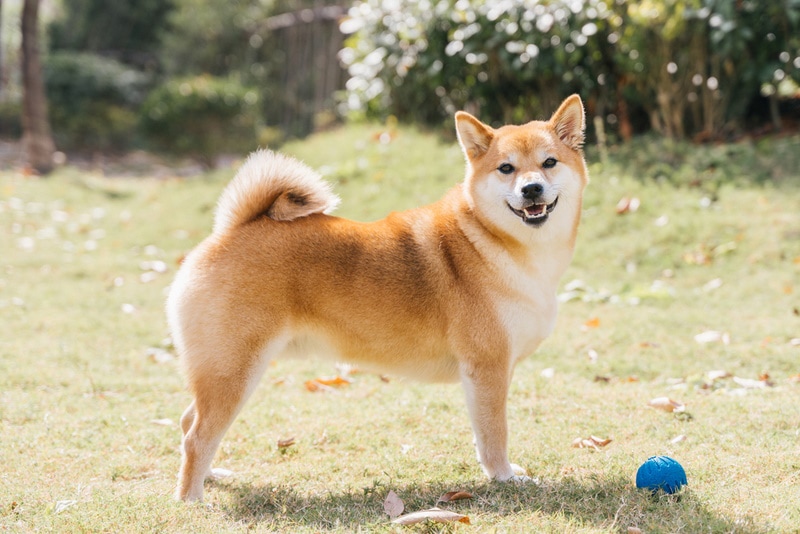
Shiba Inu Overview

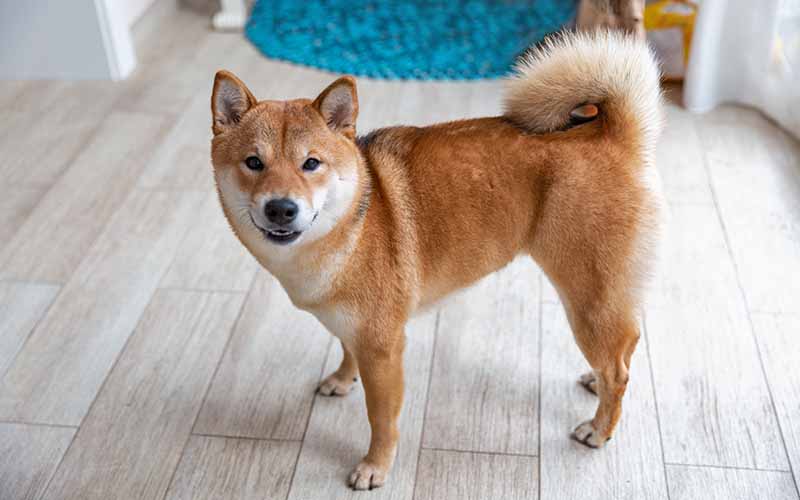
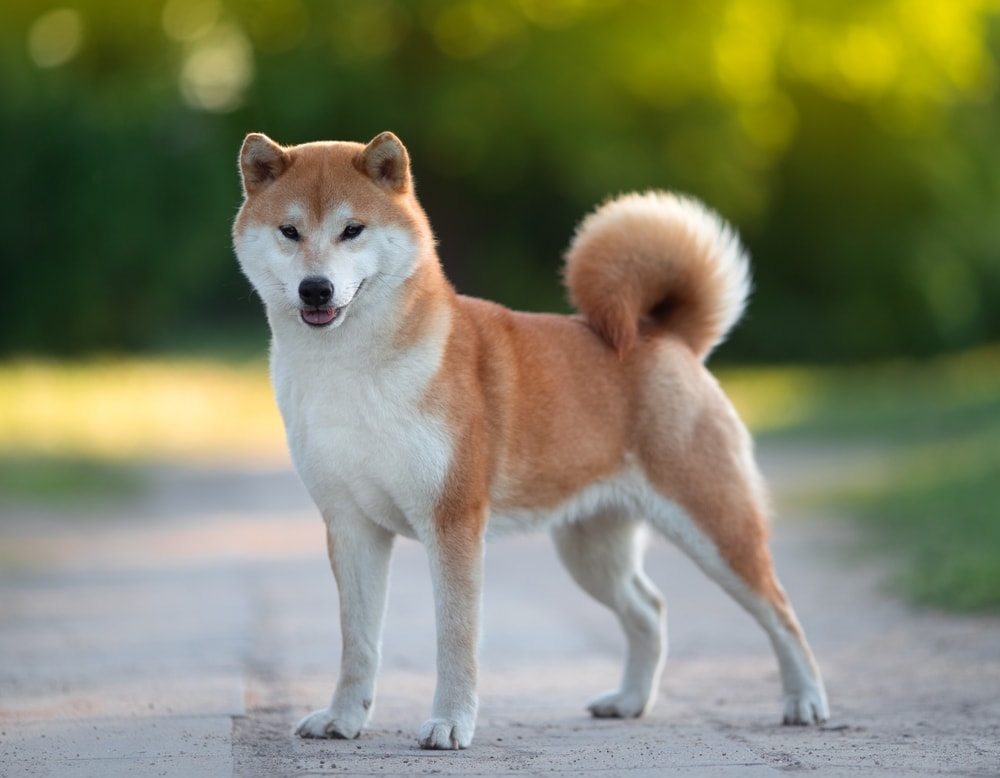
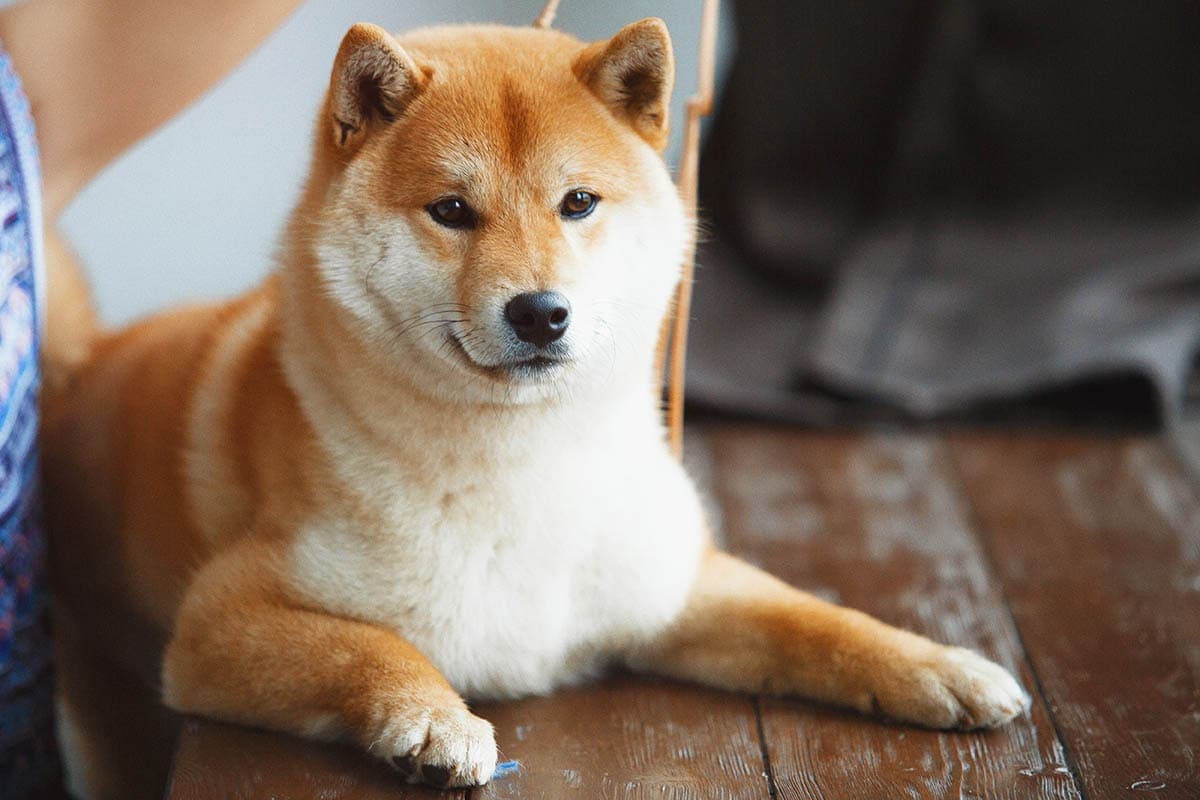
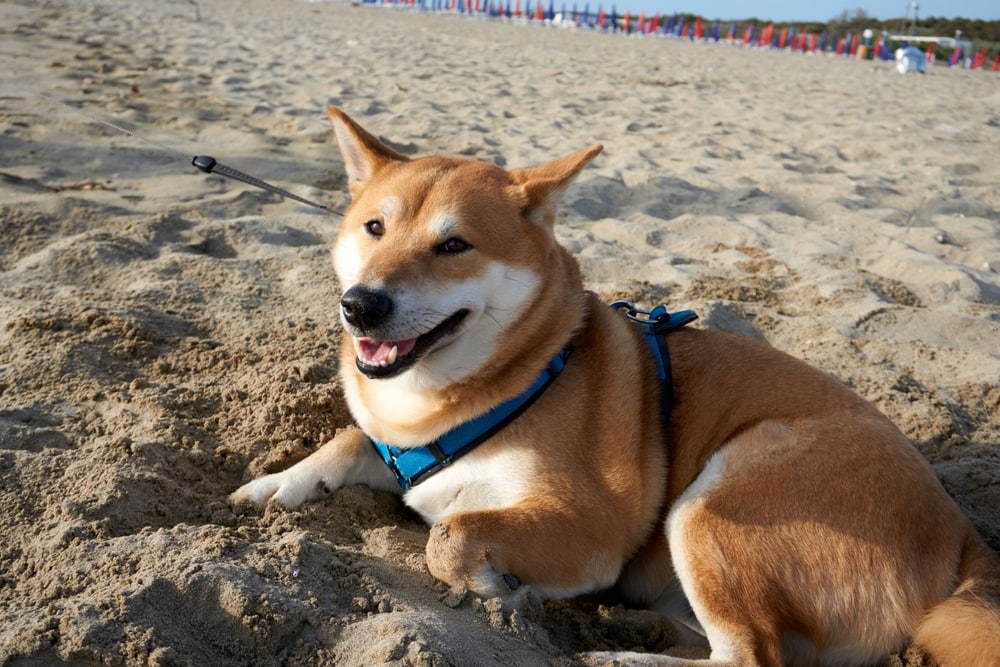
Shiba Inus are easily recognized by their fox-like appearance. These dogs are smaller in size and have pointy, triangular ears. They are generally a red or light brown in coat color but can also be seen in many shades of brown. This breed also has a curled or short tail that is fuzzy in texture and look.
The Shiba Inu is an independent dog who is rather stubborn. They can be left alone without socialization for longer periods of time in relation to other dog breeds. Their stubbornness can make them difficult to train, so they will require much more time, patience, and attention throughout the training process.
Shiba Inus also has a longer life expectancy of up to 16 years, which is much higher than the average of 10–12 years. However, the Shiba may display aggressive, protective, and territorial behaviors around other dogs, strangers, and children. They are naturally protective of their space around others, so you might notice this breed off on its own, barking at other dogs and only showing affection to those they trust.
This dog breed is a good choice for those who are looking for relatively low maintenance, may live alone, or have the time to put in a lot of training with their new pet.
Personality / Character
The Shiba Inu has a personality that is almost standoffish. Characteristically, their faces tend to look a bit more stern or ready to conquer a lengthy adventure. They may have a draw towards petting their soft-looking and fluffy fur, but make sure you ask their owner first if they like to be pet by people they don’t know, or you could be in for an aggressive reaction! Just like any other dog, though, the Shiba Inu can be raised to socialize well with others.

Exercise
Shiba Inus does require exercise, but less than the Shikoku may need. The average three walks a day will suffice for this dog breed, as they don’t have astronomical energy levels. You probably won’t see a Shiba sprinting around in circles at playtime like what you might see with a Boxer or Golden Retriever, for example.
Training
Training will be a challenge with the Shiba Inu as they are relatively stubborn and need a specific type of training to get it right. Although highly intelligent and keen observers, they have an instinct to hunt and track down prey, so keeping them engaged and focused without darting off after the neighborhood squirrel may be a problem.
Health & Care
Shiba Inus are relatively low maintenance due to their short and dense fur. They won’t run into any issues with a messy mouth from drooling and won’t leave heaps of fur on your couch after taking a nap. They are easy to maintain, and because they are smaller breeds, they have a lower potential for gaining massive amounts of weight, leading to health issues later in life.

Suitable For:
The Shiba Inu would be suitable for a dog owner who has experience in training or has had a difficult breed before. They will need patience, time, and a relatively open schedule to keep their Shiba Inu happy and away from aggressive behaviors. Although affectionate with those they trust, they might be a little more hesitant to let a young child or stranger pet them.
Pros
- Adaptable to different spaces
- Intelligent
- Low maintenance
Cons
- Can be aggressive
- Difficult to train
- Less friendly with others
Which Breed Is Right for You?
If you are looking for a dog you want to raise as your own, the Shikoku and Shiba Inu may be right for you. Both breeds take a lot of patience and handling to raise them happy and friendly, rather than falling into their natural ability to be aggressive and protective. The Shiba Inu has a stubborn yet intelligent personality, and the Shikoku is not too different. They will both show more affection to their own family than to other people and dogs.
Keep in mind that the Shikoku is of a larger size in comparison to the Shiba Inu, so your home environment could make a big difference.
Related Reads:
Featured Image Credit: Left - Anastasiia Cherniavskaia, Shutterstock | Right - FRA v, Pexels
Get Hepper In Your Inbox


Pet care tips from our vets and experts, straight to your inbox.
You may opt-out at any time. View our Privacy Policy for more information.

Hey there! My name is Krystal, and I am a freelance writer, editor, and content creator. With a passion for words and a background in English, I have expanded my skills in SEO, creative writing, blog posts, and more. I am a two-time cat mom, an all-around animal lover, a nerd for crafts and DIY, and a budding plant enthusiast.
Join the conversation
Ask a question, share your story, or send private feedback.