Hepper is reader-supported. When you buy via links on our site, we may earn an affiliate commission at no cost to you. Learn more.
Beagle Cherry Eye: Signs, Causes & Care (Vet Answer)

In this article
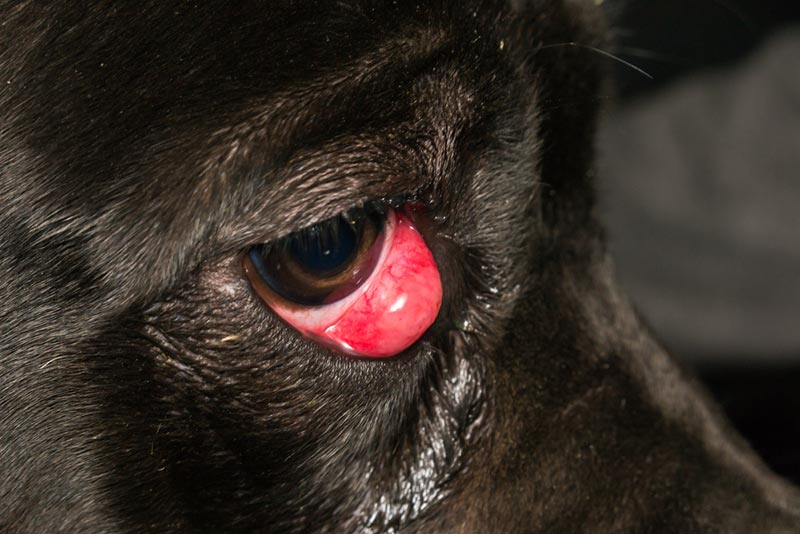
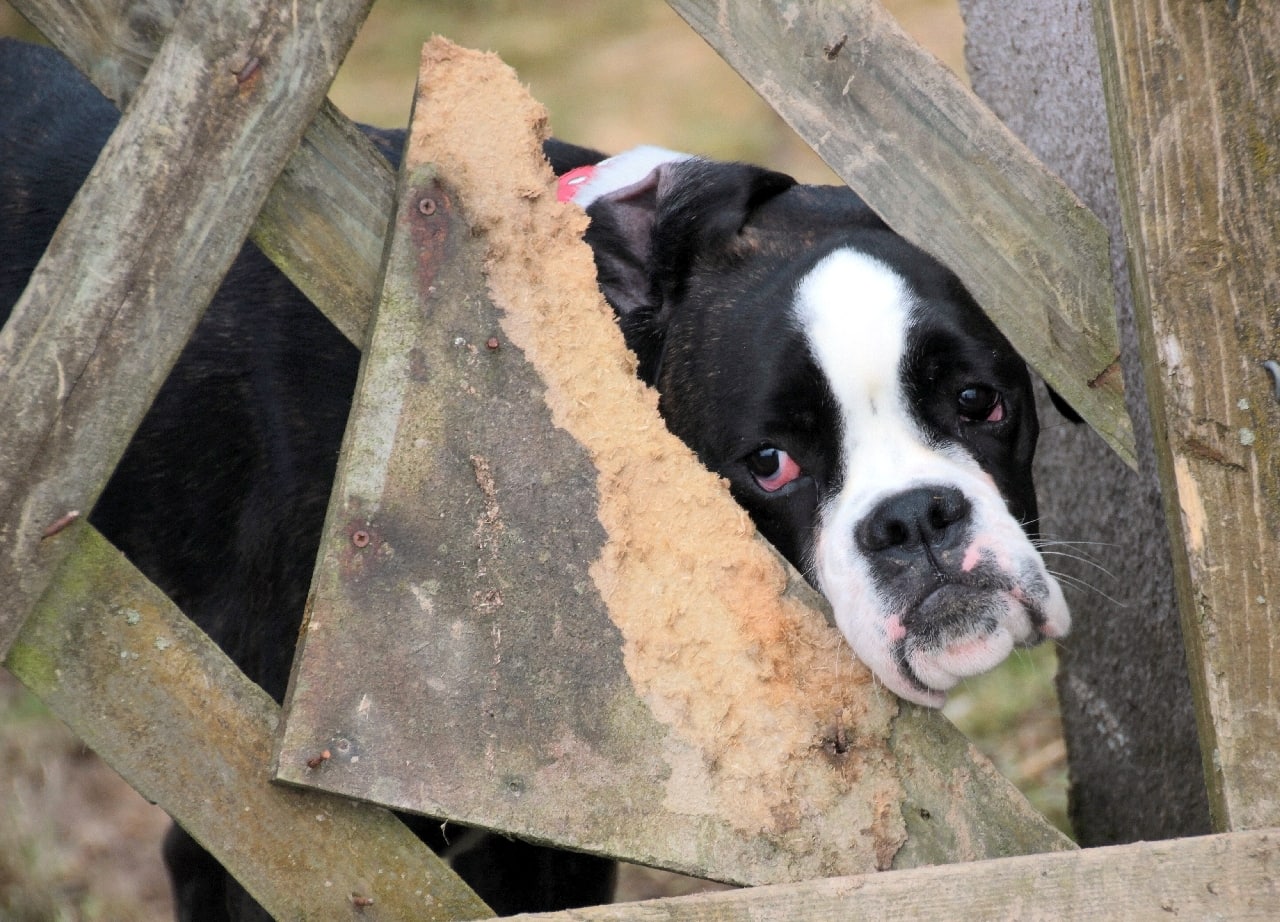
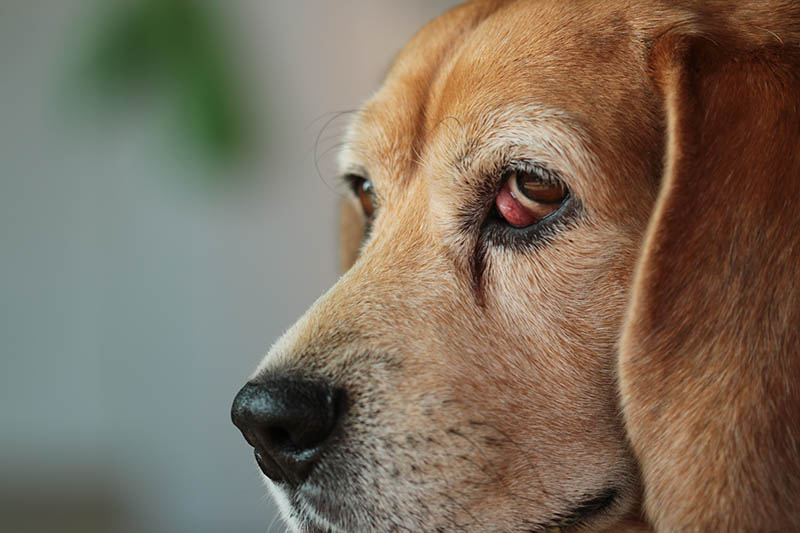
The Beagle could give a master class in the art of irresistible puppy eyes, but have you ever heard of a Beagle with cherry eye? The term is used to describe a condition where the gland of the third eyelid pops out of place. The prolapsed gland is usually swollen and red, like a cherry. Beagles (and Beagle crosses) are considered to be at higher risk for cherry eye than other breeds.
Cherry eye can look a bit shocking but, fortunately, it is usually very treatable. If you think your pup might have cherry eye, schedule an appointment with your veterinarian right away. Surgery is typically recommended to restore the gland to its normal position, and this should be done sooner than later.

What is Cherry Eye?
Did you know that dogs have three eyelids? It’s true! They have an extra eyelid inside each of their lower lids, which is thought to serve as an additional layer of protection for their eyes. This third eyelid is also called the “nictitans” or “nictitating membrane.”
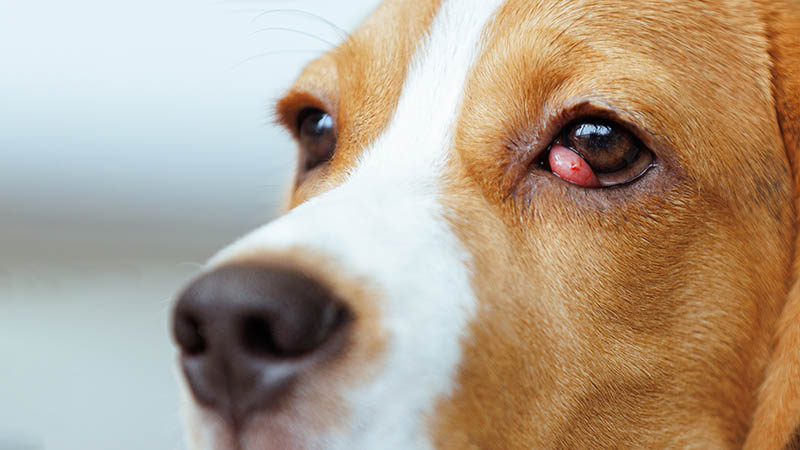
Attached to the base of the third eyelid is an important gland that helps with tear production. Normally hidden from view, this gland sometimes prolapses (moves out of place) and becomes visible. When this happens, it is called cherry eye because of the red color of the prolapsed gland. It can occur in one or both eyes.
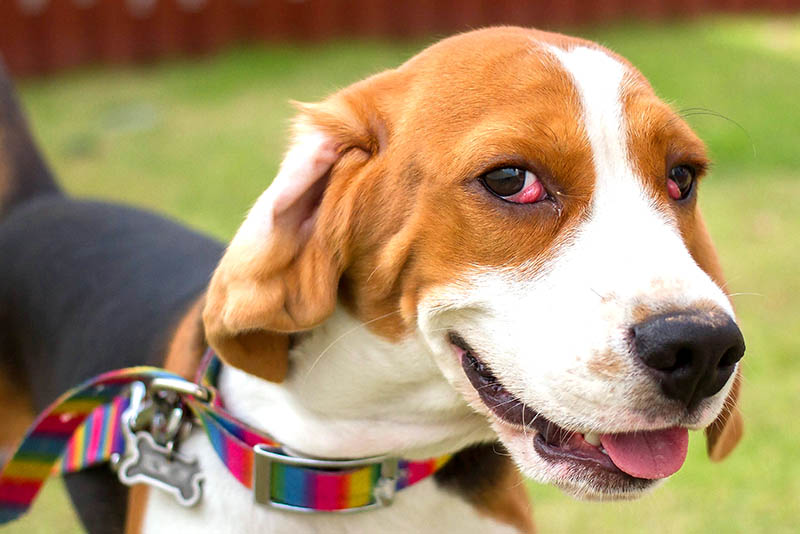
What Are the Signs of Cherry Eye?
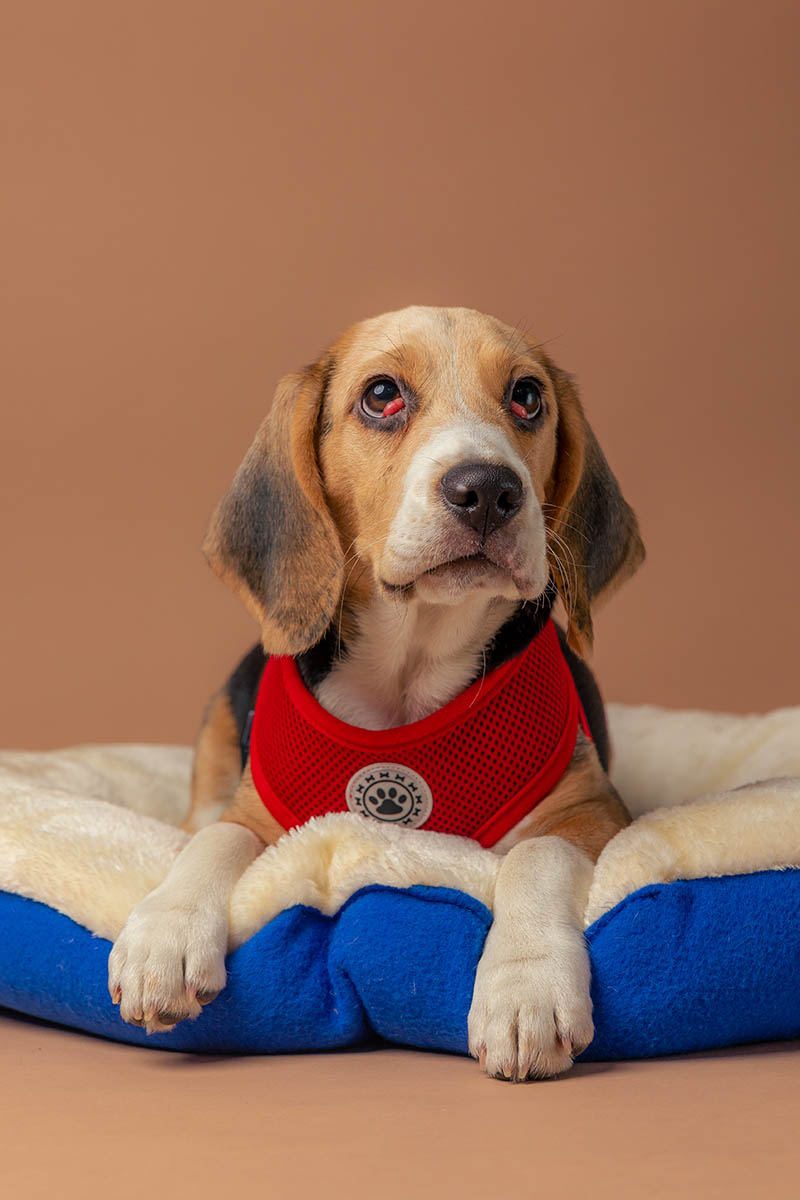
The most obvious sign of cherry eye is a red, swollen lump protruding from inside the lower eyelid, near the inner corner of the eye.
Additionally:
- Your pup may have red or bloodshot eyes
- There may be discharge from the affected eye(s)
- Some dogs will paw at the affected eye(s) or rub their face on the ground
What Are the Causes of Cherry Eye?
Cherry eye is thought to occur because the fibrous tissue holding the third eyelid gland in place is weaker than it should be.
Certain breeds (including Beagles) are known to be at higher risk, suggesting the condition is likely somewhat hereditary, but a clear genetic cause has not yet been identified.
How Do I Care for a Dog With Cherry Eye?
If you suspect your pup may have a cherry eye, it is a good idea to seek veterinary attention promptly. Although less common, other conditions (e.g., cancer) can look similar to cherry eye and should be ruled out.
If your veterinarian confirms a diagnosis of cherry eye, they will likely recommend scheduling corrective surgery as soon as possible to minimize the risk of the gland (and the eye itself) becoming damaged.
Leading up to the surgery, your veterinarian may recommend applying an artificial tear solution to lubricate the gland and eye. It is also a good idea to have your pup wear a cone to prevent them from pawing or rubbing at the area.
What is the Treatment for Cherry Eye?
The recommended treatment for cherry eye is surgery to maneuver the gland back into its normal position and secure it there with sutures (stitches). This is performed under general anesthesia, but patients are often able to go home the same day. You will likely need to administer eye drops for a few weeks after the procedure and it is important for your pup to wear a cone while their eye is healing.
Many general practice veterinarians are comfortable performing this procedure but, in some cases, you may be referred to a veterinary ophthalmologist (eye specialist).
It is important to mention that surgery is not always successful on the first attempt. If your dog’s cherry eye comes back, a different surgical technique (or a combination of techniques) may be needed.
Surgical removal of the gland is not recommended because it is needed for proper tear production. Removing the gland increases your pup’s risk of developing keratoconjunctivitis sicca (KCS) or “dry eye.” This condition is uncomfortable, requires lifelong management (i.e., eye drops), and often leads to scarring of the cornea and impaired vision.
Frequently Asked Questions
Are Beagles at Higher Risk of Cherry Eye Than Other Breeds?
Yes, Beagles and Beagle crosses (e.g., Puggles) are considered to have an elevated risk of developing cherry compared to other breeds.
Why Do Beagles Get Cherry Eye?
Unfortunately, no one knows for sure why Beagles (and other breeds) get cherry eye.
There is evidence to support a genetic basis for this condition, but the exact mechanism of inheritance is not yet understood.
Facial structure may be a factor, as brachycephalic (short-nosed, flat-faced) dogs are commonly affected. It has also been suggested that dogs who get cherry eye may have weaker connective tissue holding the third eyelid gland in place.
To be safe, dogs with cherry eye should probably not be used in breeding programs.
Is Cherry Eye More Common in Young or Old Dogs?
According to a large study from the United Kingdom, cherry eye occurs more often in young dogs (specifically, less than two years of age).
Will Cherry Eye Go Away on Its Own?
In most cases, the cherry eye will not go away on its own. The ideal treatment is surgery to restore the gland to its normal position. Removing the gland is not recommended, as this will negatively impact tear production in the affected eye(s).
Surgery should be performed as soon as possible to prevent damage to the gland, its surrounding tissues, and the eye itself.
What Happens if Cherry Eye Is Not Treated?
If cherry eye is left untreated, the following may happen:
- The third eyelid gland may become damaged
- Conjunctivitis may occur in the affected eye(s)
- Your pup may develop keratoconjunctivitis sicca (KCS), also known as “dry eye”

Conclusion
If you share your home with a Beagle or a Beagle cross, it is a good idea to be familiar with the signs of cherry eye. If you ever find yourself gazing into those beautiful puppy eyes and suddenly notice a pink or red swelling, please seek veterinary attention right away. Prompt surgical treatment offers the best chance for a successful outcome.
Sources
https://veterinarypartner.vin.com/default.aspx?pid=19239&id=4951447
https://animalvisioncare.com/eye-conditions/canine/third-eyelid-gland-prolapse-cherry-eye/
https://www.westvet.net/blog/post/when-to-seek-veterinary-care-for-cherry-eye-in-dogs/
https://www.animaleyecare.com.au/breeder-info/178-cherry-eye.html#breeding
Featured Image Credit: jukgrapong, Shutterstock
Get Hepper In Your Inbox


Pet care tips from our vets and experts, straight to your inbox.
You may opt-out at any time. View our Privacy Policy for more information.
Dr. Sharon (as she is known by her clients) has had an intense love for animals for as long as she can remember. She grew up in Guelph, Ontario and fulfilled her childhood dream by obtaining her Doctor of Veterinary Medicine (DVM) degree from the Ontario Veterinary College in 2009. She has since found joy working in a variety of small animal clinics, focusing on cat and dog care. She loves sharing her expertise and empowering pet owners to take the best possible care of their fur babies!
Sharon currently lives in beautiful British Columbia with her husband, daughter, and Parker, her loveable Great Dane. When she’s not at work, she enjoys clogging, photography, and exploring the outdoors with her family.
Dr. Sharon (as her clients call her), was raised in Guelph, Ontario, and has loved animals for as long as she can remember. She fulfilled her childhood dream when she obtained her Doctor of Veterinary Medicine (DVM) degree. Sharon now lives in British Columbia, Canada with her husband, daughter, and Parker, their loveable Great Dane. When she’s not working, she enjoys clogging, photography, hiking, and camping with her family.
Education
Dr. Sharon obtained her DVM in 2009 from the Ontario Veterinary College in Ontario, Canada.
Experience
Dr. Sharon loves sharing her knowledge and empowering people to take the best possible care of their fur babies, which she has been able to do through her work. She has practiced in a variety of small animal clinics since graduating, with a main focus on cats and dogs.
Check out some of our top posts written by our veterinary team:
Why Does My Dog Snore? Should I Act?
My Cat Ate Paint! Our Vet Explains What to Do Now
How Common is Heartworm in Cats? 7 Things to Know About Heartworm Disease
Join the conversation
Ask a question, share your story, or send private feedback.