Hepper is reader-supported. When you buy via links on our site, we may earn an affiliate commission at no cost to you. Learn more.
Can Cherry Eye in Cane Corsos Be Prevented? Vet-Reviewed Tips & Facts


In this article
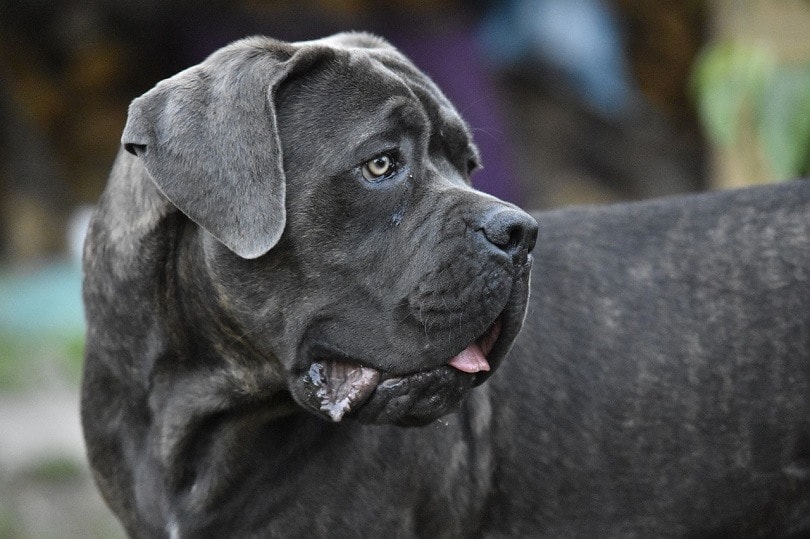
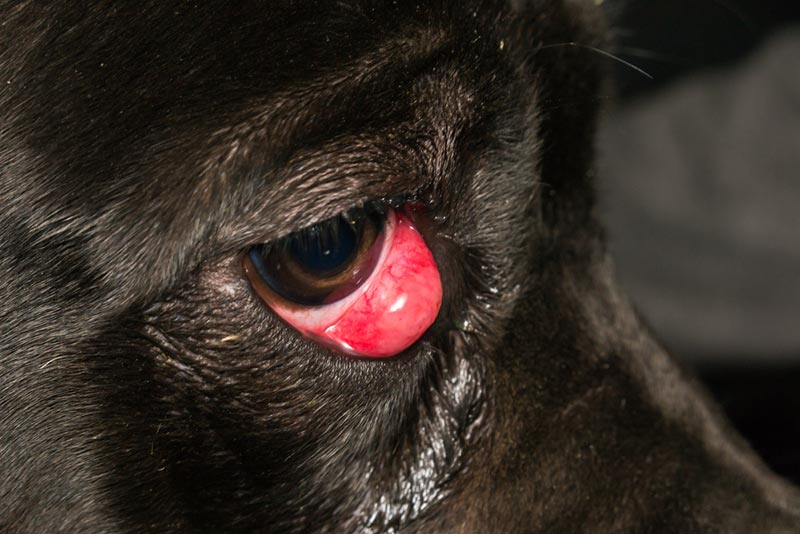
Cane Corsos are one of the most powerful dog breeds around. As descendants of the Greek Molossus dog, this breed fought alongside Roman soldiers and was used to hunt wild boar, bear, and other big game. Being big and powerful doesn’t prevent them from suffering from ailments like any other dog breed. One issue many Cane Corsos experience is the cherry eye. Cherry eye is when a dog’s nictitating gland swells and protrudes. Unfortunately, for Cane Corso owners who wonder if cherry eye can be prevented, the answer to that question is no. Let’s learn more about cherry eye, the signs, and treatments so you can be better prepared if your Cane Corso experiences this issue.
One issue many Cane Corsos experience is prolapse of the third eyelid gland, or cherry eye. Cherry eye can occur in one or both eyes, and it involves the protrusion of the tear gland that is normally found under the third eyelid, in the inner corner of your dog’s eye. Unfortunately, for Cane Corso owners who wonder if cherry eye can be prevented, the answer to that question is no. Let’s learn more about cherry eye, the signs, and treatments so you can be better prepared if your Cane Corso experiences this issue.

What Is Cherry Eye?
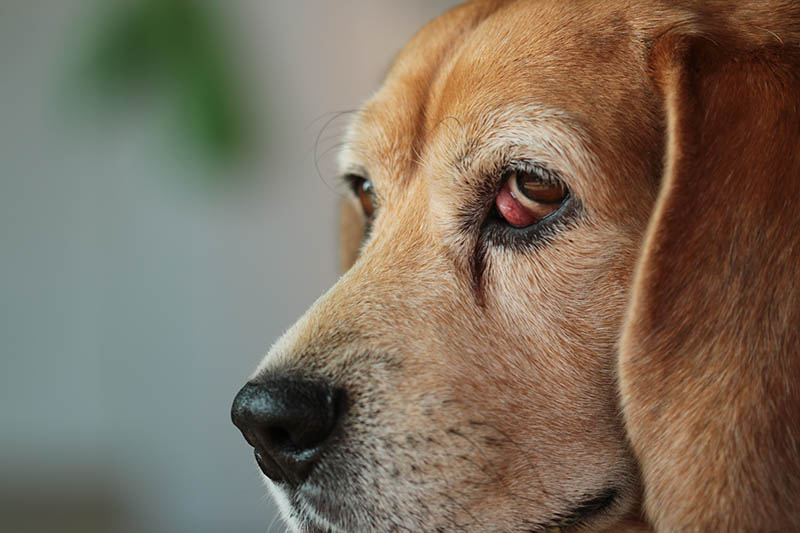
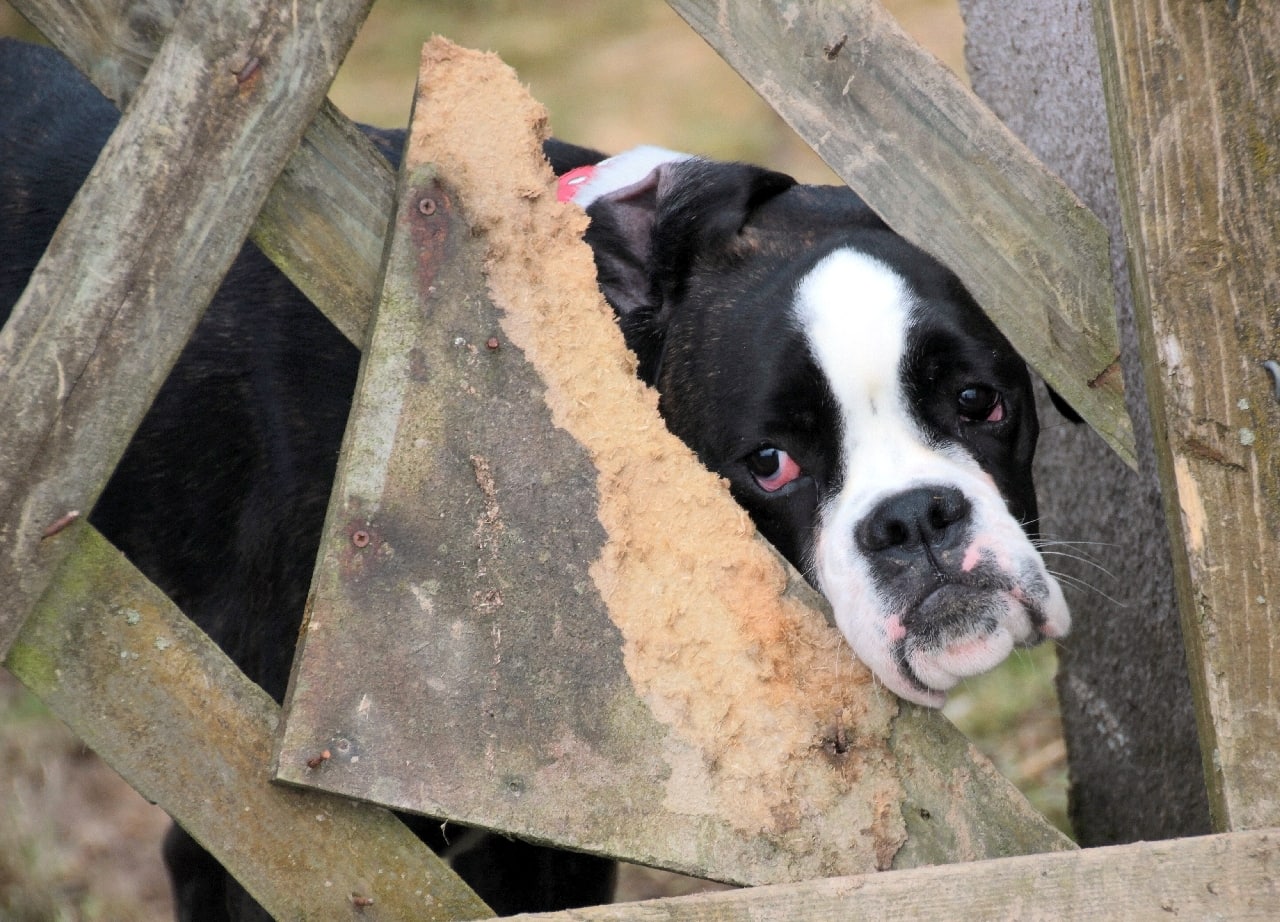
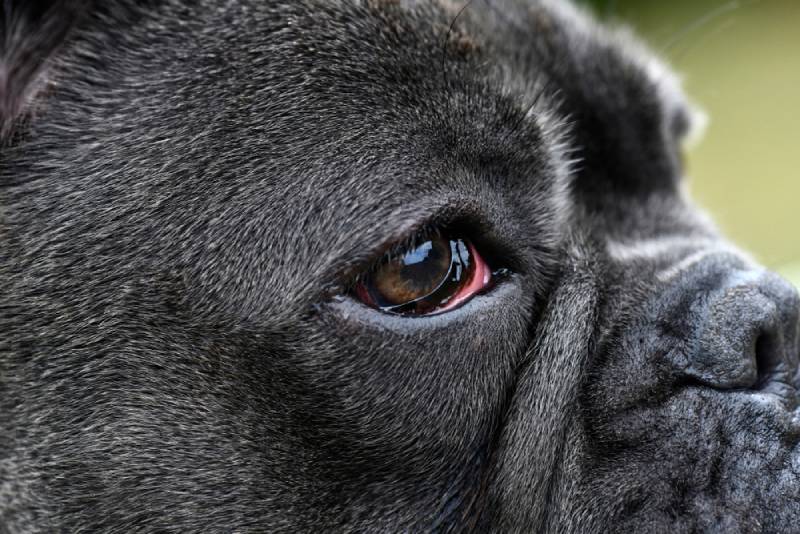
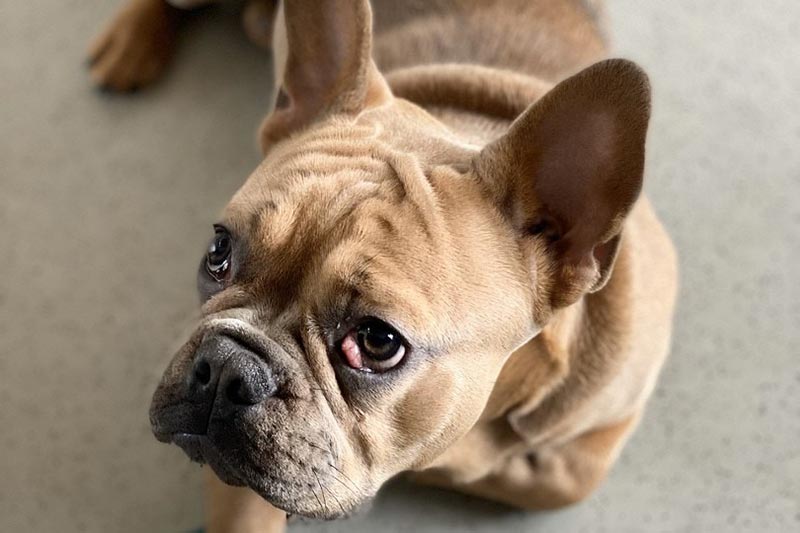
Many of us don’t realize it, but dogs have three eyelids. Their third eyelid is known as the nictitating membrane, or simply, the nictitans. This membrane is used to offer an additional layer of protection for the eye. Inside this membrane is the nictitating gland. The production of tears and lubrication of the eye is this gland’s main job. Cherry eye, or a prolapsed nictitating gland, takes place when the nictitating gland slips into view and protrudes from the membrane. When this happens, swelling and redness is often experienced. There will be a pinkish or red lump that looks a lot like a cherry in the inner corner of your dog’s eye, hence the name.
The Causes of Cherry Eye in Cane Corsos
Cherry eye is a major concern for Cane Corsos. As one of the breeds most susceptible to this disorder, it’s best to learn all you can about cherry eye so you can be prepared if your Cane Corso becomes afflicted. Unfortunately, there isn’t a lot you can do to prevent cherry eye, as it is thought to be the result of an inherited weakened band of tissue that anchors the gland in place. It is also believed that cherry eye could be caused by inflammation associated with allergies. Cherry eye is most commonly seen in young puppies and dogs younger than 2 years of age.
Signs of Cherry Eye
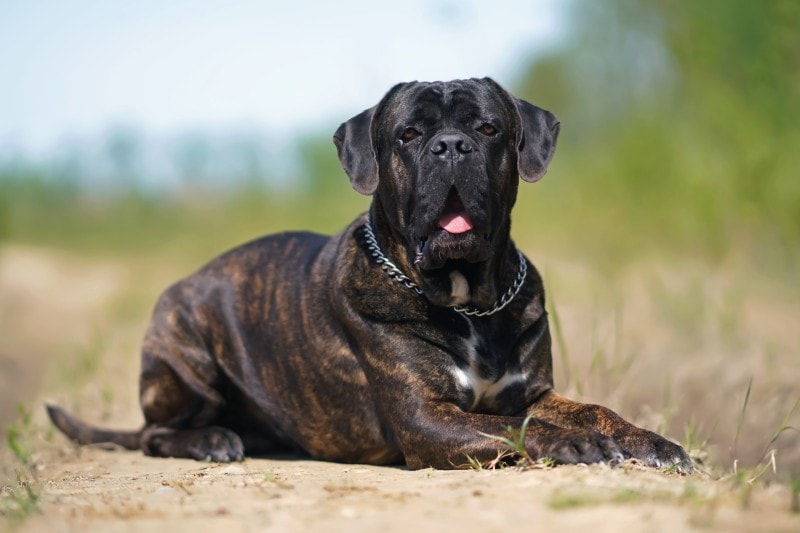
Like with most ailments, there are signs you should keep your eyes open for when it comes to cherry eye in Cane Corsos or other dog breeds, besides the obvious red lump in the corner of the eye.
Other signs include:
Keep in mind that cherry eye can present slightly differently in each dog. Some will be large enough to almost cover the eye, while others will be relatively small. However, if you do not seek treatment, your dog is likely to rub and scratch at their eye. This can cause infections or more serious injuries. For this reason, if you suspect your dog is suffering from cherry eye, take them to the vet immediately for diagnosis and assistance.
Treatments for Cherry Eye in Cane Corsos
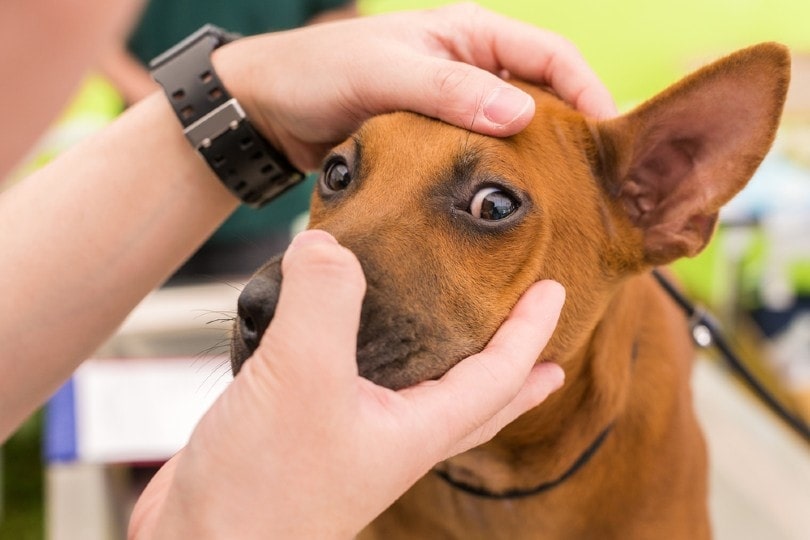
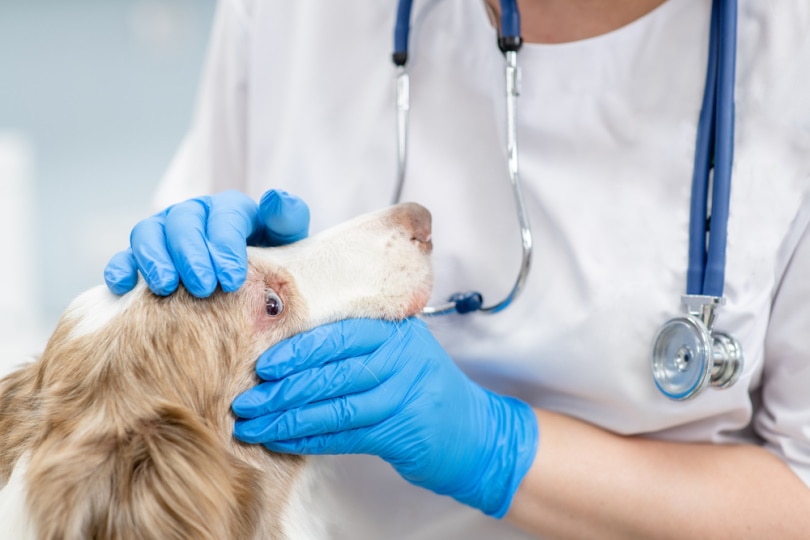
Now that we’ve learned what cherry eye is, it’s time to go over treatments. Of course, the first step should be taking your Cane Corso to the veterinarian for a proper diagnosis at the first sign of an eye problem. Treatment of cherry eye always requires repositioning the gland back in place, rather than removing it, since it plays an essential role in tear production.
1. Eyedrops

One of the first things your veterinarian may prescribe when you bring your Cane Corso in for treatment is anti-inflammatory and lubricating eye drops. These drops can help reduce the swelling and get your big buddy feeling better. However, eyedrops will not solve the issue long-term and the cherry eye will remain.
2. Pocket Technique
With this technique, the veterinarian creates a pocket of tissue within the third eyelid where the gland is buried. Once this is done, the gland is covered by the mucous membrane and stitched closed, similar to a sealed envelope or pocket. This allows the gland to remain in place and continue functioning.
3. Anchoring
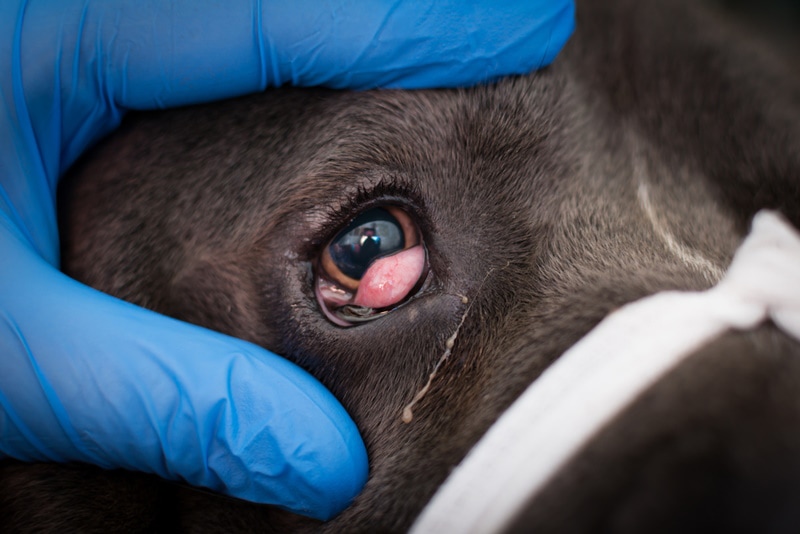
During this procedure, the exposed gland is repositioned. The veterinarian will also stitch the gland to the connective tissue surrounding the eye to keep it in place.
4. The Combination
There are severe cases of cherry eye in Cane Corsos or cases that fail to resolve after one surgery, where veterinarians feel it is best to use both pocket and anchoring techniques to resolve the issue. This combination is most commonly used in the most difficult cases.
Risks of Cherry Eye Surgery
Like with any surgery your dog goes through, there are risks involved when treating cherry eye. These postoperative complications are uncommon, but they can still happen. Here are a few things you should keep an eye out for if your Cane Corso has cherry eye surgery:
- Eye damage or injury
- Stitches that are loose and come undone
- Infection
Mild swelling and discomfort are expected after cherry eye surgery. It should, however, subside within a week. You should also keep in mind that having the surgery doesn’t mean cherry eye won’t happen again or even present itself in the other eye.

Summary
As you can see, cherry eye can be a big issue for Cane Corsos. As one of the breeds that are most susceptible to this illness, having an owner that is caring and on top of healthcare is the animal’s best chance of living a healthy life. If you see any signs of cherry eye in your Cane Corso, or any dog breed, immediately reach out to your veterinarian. This will help your dog avoid the pain and discomfort that is often associated with cherry eye.
Sources
Featured Image Credit: Todorean-Gabriel, Shutterstock
Get Hepper In Your Inbox


Pet care tips from our vets and experts, straight to your inbox.
You may opt-out at any time. View our Privacy Policy for more information.
Nicole is a lover of animals of all sizes but is especially fascinated with the feline variety. She’s the proud mom of Baby, a Burmese, and works every day so he can relax in the sunshine or by the fire. She’s always had a cat in her home and has spent countless days with others, observing behaviors and softening up even the grouchiest of the lot. Nicole wants to share her kitty expertise with you so you and your cat can live happy, healthy, and care-free.
Join the conversation
Ask a question, share your story, or send private feedback.