Hepper blog

Search our database of over 9,984 posts with up-to-date information from our experts and veterinarians.

Hepper is reader-supported. When you buy via links on our site, we may earn an affiliate commission at no cost to you. Learn more.

Is Beak Grinding in Cockatiels Bad? Vet-Verified Bird Behavior

By Chris Dinesen Rogers · Reviewed & fact-checked by Dr. Luqman JavedVet Approved
Dr. Luqman Javed
Reviewed & Fact-Checked byDr. Luqman JavedDVM (Veterinarian)
Dr. Luqman grew up with an extreme fondness for animals and turned a childhood dream into reality by becoming a veterinarian. His goals are now focused on helping pet owners understand their pets better in order to ensure the best quality of life for all pets globally. He is passionate about wildlife, exotic pets, pet owner education, and animal welfare. Luqman has 3 years of professional experience working with a variety of animal species. He has skills in demonstrating proper animal husbandry and training some exotic species, such as parrots. Additionally, he has decades of personal experience with keeping many exotic pets: freshwater fish, parrots, songbirds, chickens, ducks, turtles, and hamsters.View authorThe information is current and up-to-date in accordance with the latest veterinarian research. Read about our vets
Share
Ask us a question in the comments
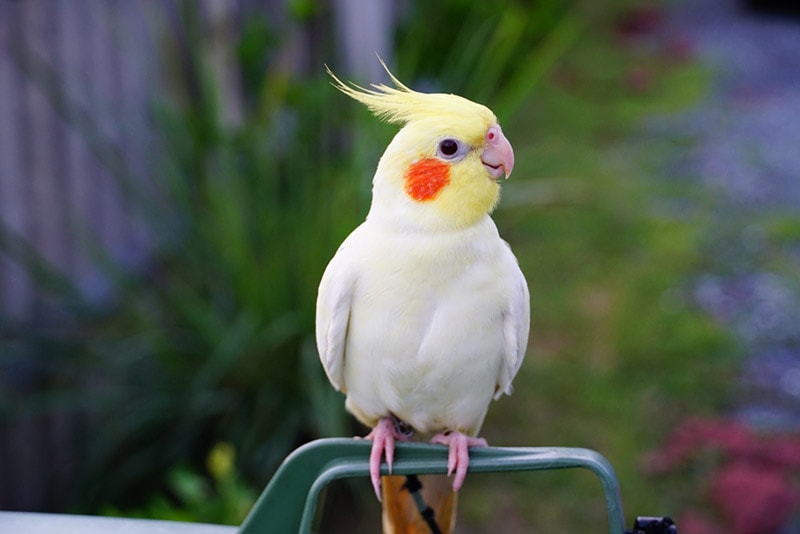
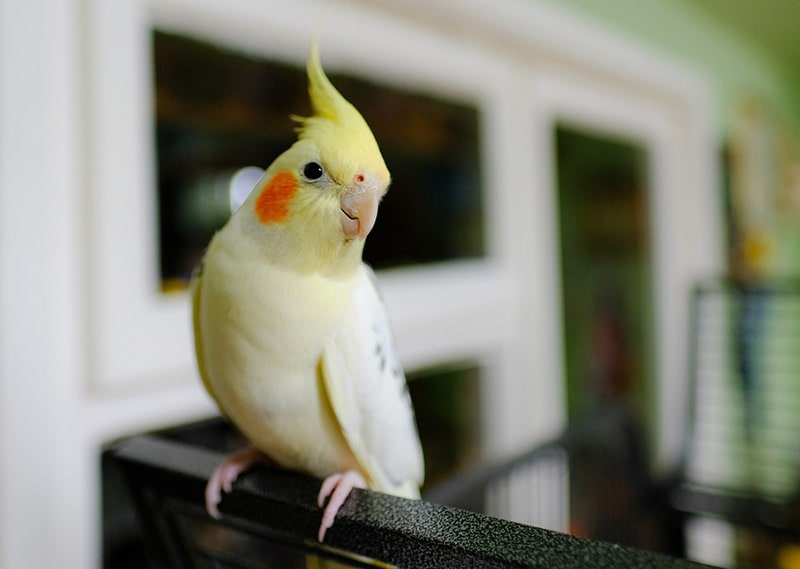
close up of a lutino cockatiel bird

Birds have some strange behaviors that might have you scratching your head. The cockatiel is no exception. How do you explain a pet tapping their beak against a mirror? Or singing a song like they knew what the lyrics meant? On the list of habits that may baffle you is beak grinding. It sounds painful, but is something wrong?

The short answer is no. It doesn’t hurt your cockatiel. Instead, it’s a sign of contentment. It’s actually something you want to hear.

Reasons for Beak Grinding

Scientists are not sure why cockatiels grind their beaks. However, several factors point to it being a benign behavior. It’s a ritual for many birds, occurring like clockwork before they go to sleep at night. Some cockatiels also do it before napping. The pattern suggests a routine to settle down and prepare for rest. Their body language also supports this hypothesis.

Usually, pet birds are on their roost. They aren’t showing signs of stress or squawking. By all appearances, they seem at ease. You may notice other signs that your cockatiel feels relaxed, such as preening, wing stretching, and standing on one foot. You may even see their eyes starting to close while still carrying on with the beak grinding. It comes from rubbing their upper and lower jaws together.

Beak grinding is usually a soft sound. The only time it might raise a red flag is if your pet does it continuously. That’s especially true if you notice any changes in their behavior, vocalization, or appetite.
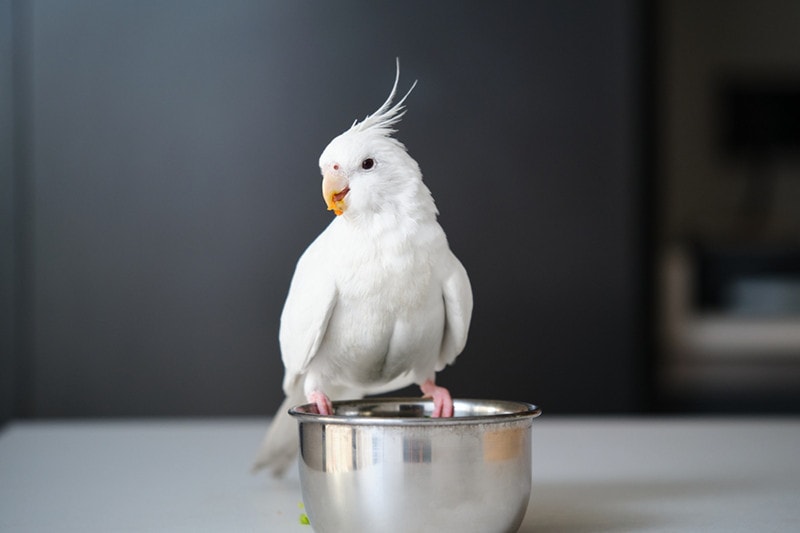
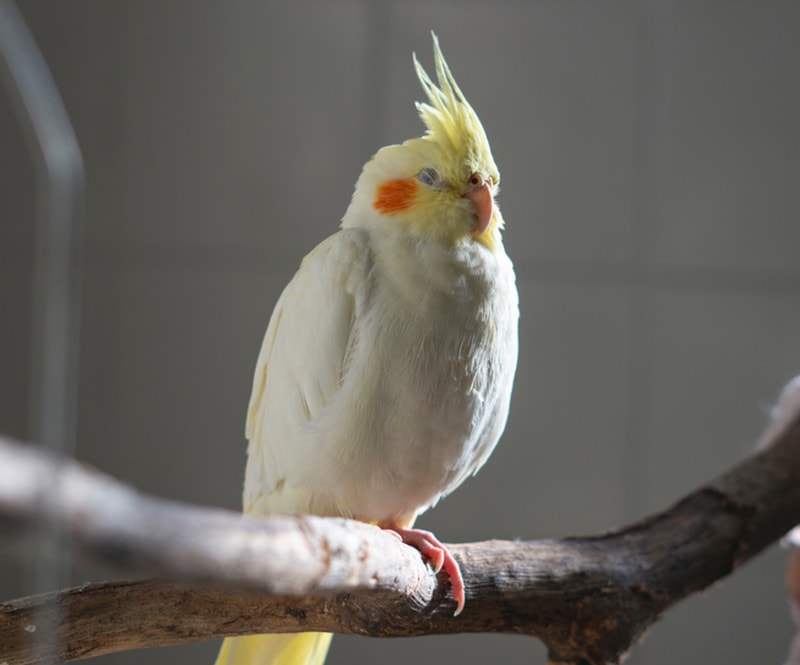
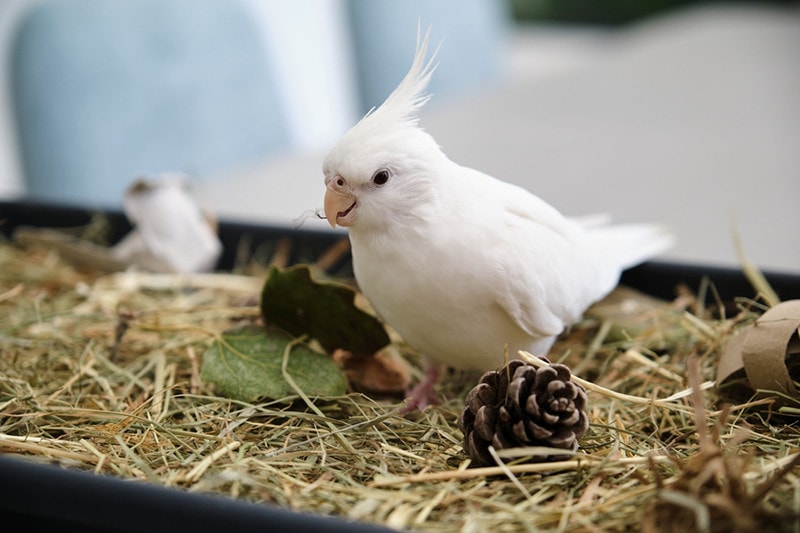
albino cockatiel eating vegetables
Image Credit by: Ladanifer, Shutterstock

What Beak Grinding Isn’t

Grinding is a misnomer since it has nothing to do with the behavior. It isn’t a bird trying to wear down their beak. Toys or a cuttlebone will take care of that task. It’s not painful, as we mentioned earlier. A cockatiel wouldn’t do it if it hurt. Some people may equate this action with teeth grinding, a sleep-related movement disorder in humans that may have psychological or physical causes.

A cockatiel that engages in beak grinding is not stressed. Birds deal with that emotion in very different ways.

Signs that a pet is stressed include the following:

  • Loss of appetite
  • Changes in vocalization patterns
  • Pacing
  • Feather plucking
  • Self-mutilation
  • Biting
  • Tail bobbing
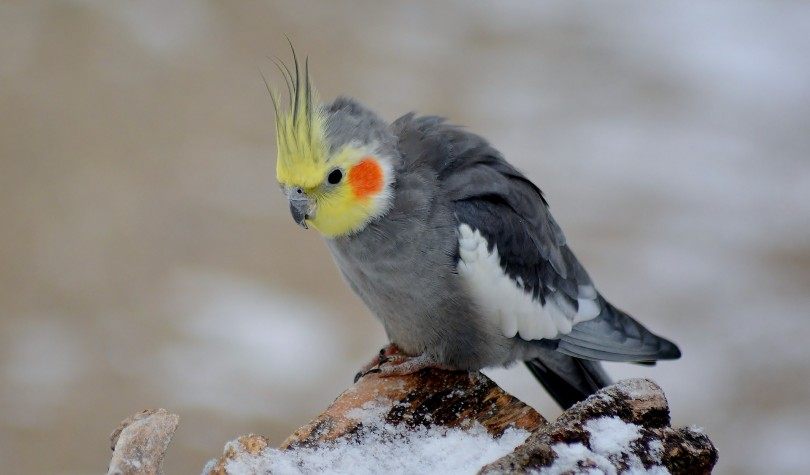
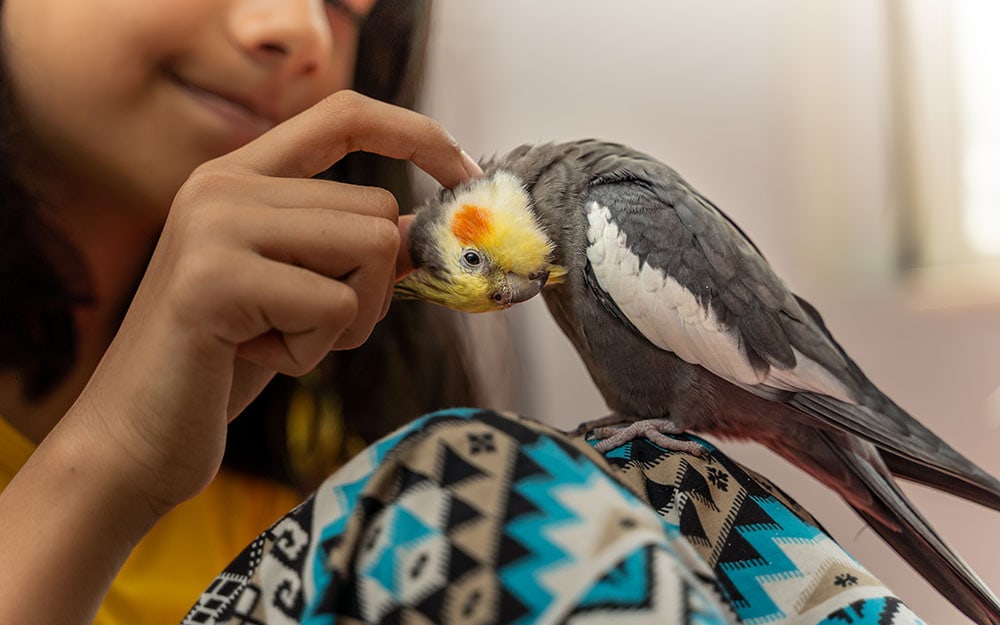
cockatiels
Image Credit: Didgeman, Pixabay

Grinding isn’t the only sound that cockatiels make with their beaks. Other things you may hear your bird do include clicking when they open and close their beak rapidly. This one differs from grinding since it’s most often associated with playfulness or excitement. However, there’s a fine line, with the latter between something positive and a threat. Therefore, context is essential.

A cockatiel may also bang their beak on objects. It is evidently a sign they want attention, which could make it a part of courtship behavior. Related behaviors include foot stomping, straight-up crest, and strutting. Another beak-related behavior is snapping. It is a sign of aggression in a highly agitated bird. Take it for the warning that it is.

Other indications of an upset cockatiel include the following:

  • Hiss-like sounds
  • Flat crest
  • Flight stance
  • Fanned tail
  • Iris pinned
  • Lunging to bite
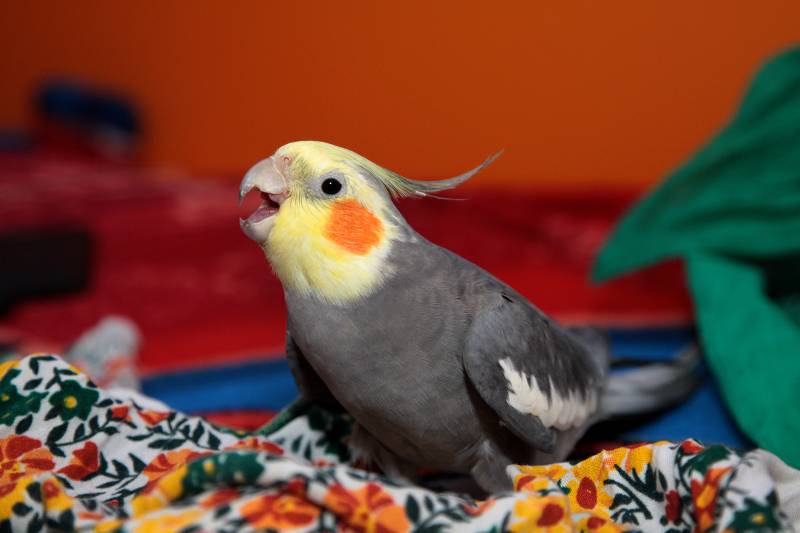
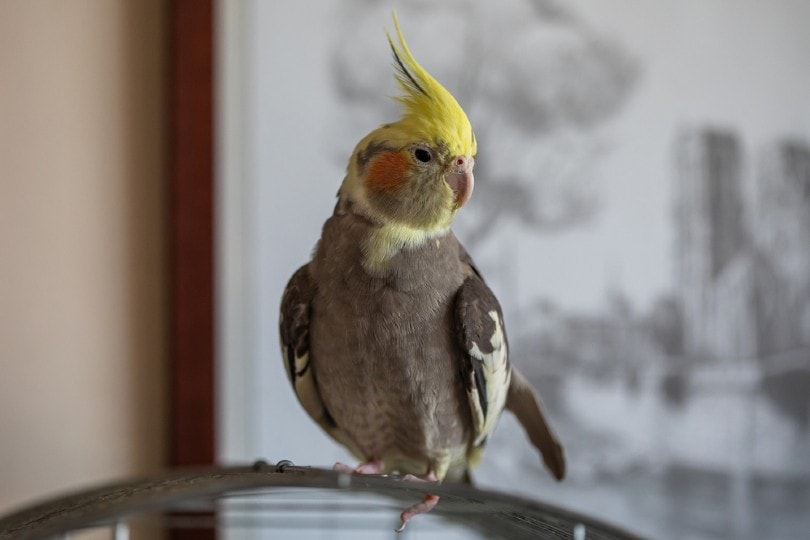
Cockatiel parrot sits with colored rags with an open beak
Image Credit by: Jolanta Beinarovica, Shutterstock

Final Thoughts

Cockatiels, like many birds, are sometimes seen as creatures of habit. They often feed at specific times of the day. They also call and sing, usually in the morning and again during the late afternoon or early evening. These rituals are undoubtedly comforting to them, not unlike beak grinding. It’s part of their nighttime routine to get ready for sleep and usually not a cause for concern.

Sources

Featured Image Credit: Miss Nachcha Chayapan, Shutterstock

Get Hepper In Your Inbox

Pet care tips from our vets and experts, straight to your inbox.

List

Select all that apply.

You may opt-out at any time. View our Privacy Policy for more information.

Chris Dinesen Rogers
Authored by

Chris Dinesen Rogers

Join the conversation

Ask a question, share your story, or send private feedback.
Rate this post
Required to post. Only our editors see your rating.
Who should see this?

A human reviews every comment before it appears. Your email is never published.

Picked to go with this article

9 Common Cockatiel Sounds & Their Meanings (With Audio)

9 Common Cockatiel Sounds & Their Meanings (With Audio)

Cockatiels are natural-born communicators. In their natural habitat, they live in flocks where vocalizations are crucial to their survival, so it’s only natura…

Chantelle Fowler
By Chantelle Fowler ·
How Do Cockatiels Sleep? Our Vet Answers & Explains Resting Positions

How Do Cockatiels Sleep? Our Vet Answers & Explains Resting Positions

Cockatiels sleep to reap the benefits of rest, just like other birds do. Like many other parrots, wild cockatiels are diurnal; they spend their days awake and…

Dr. Luqman Javed
By Dr. Luqman Javed ·
Why Is My Cockatiel Shaking? ? 6 Vet-Approved Reasons

Why Is My Cockatiel Shaking? ? 6 Vet-Approved Reasons

Cockatiels are fun and funny pets that have several unique and unusual habits. If you see your cockatiel shaking, it isn’t necessarily a sign of illness or som…

Nicole Cosgrove
By Nicole Cosgrove ·
Do Cockatiels Bite? Vet-Reviewed Reasons & Tips to Stop It

Do Cockatiels Bite? Vet-Reviewed Reasons & Tips to Stop It

Cockatiels often rely on body language or sounds to communicate with their humans. They can’t verbally tell you to stop making noise while they are trying to s…

Nicole Cosgrove
By Nicole Cosgrove ·

Keep reading

More stories you might like

Cockatiel Body Language: 15 Crucial Cues to Look For

They might not be able to talk, but Cockatiels have many ways to communicate a message to you, beyond whistling, clicking, and squawking. They can be very expr…

Nicole Cosgrove
By Nicole Cosgrove ·
Cockatiel Body Language: 15 Crucial Cues to Look For

How Loud Are Cockatiels? Behaviors That Affect Their Noise Level

Cockatiels are one of the most common pets, but people who have never kept them are always surprised to hear how intensive their care requirements are. If you’…

Chantelle Fowler
By Chantelle Fowler ·
How Loud Are Cockatiels? Behaviors That Affect Their Noise Level

Can Cockatiels See in the Dark? Vet-Approved Science & Information

As with humans, birds like cockatiels rely on their eyesight to survey and perceive their world. Because they are diurnal (active during the daytime), cockatie…

Chantelle Fowler
By Chantelle Fowler ·
Can Cockatiels See in the Dark? Vet-Approved Science & Information

12 Incredible Cockatiel Facts & FAQs (Vet-Approved)

Cockatiels are small pet birds that make great pets. They are affectionate, fun, and social animals, and while it is very rare, albeit not entirely impossible,…

Nicole Cosgrove
By Nicole Cosgrove ·
12 Incredible Cockatiel Facts & FAQs (Vet-Approved)

Why Do Cockatiels Bob Their Heads: 8 Likely Reasons

Birds exhibit many strange behaviors that aren’t always easy to identify. Everyone knows that when a cat hisses, it’s angry, or when a dog wags its tail excite…

Chantelle Fowler
By Chantelle Fowler ·
Why Do Cockatiels Bob Their Heads: 8 Likely Reasons

9 Signs Your Cockatiel Loves You: What to Watch For!

Many new cockatiel owners are surprised to learn that birds are not simple creatures. They are complex and have many different ways to express themselves. New…

Chantelle Fowler
By Chantelle Fowler ·
9 Signs Your Cockatiel Loves You: What to Watch For!

How to Trim a Cockatiel's Nails: Vet-Approved Step by Step Guide

You don’t have to be around a cockatiel long before you realize why it’s the second most popular pet bird. They’re sweet animals and a joy to own. However, rai…

Chris Dinesen Rogers
By Chris Dinesen Rogers ·
How to Trim a Cockatiel's Nails: Vet-Approved Step by Step Guide

How Long Do Pet Cockatiels Live? Vet Reviewed Lifespan, Data & Care

Cockatiels may be native to Australia but are among the most popular companion birds worldwide. Known for their gentle, affectionate, and intelligent personali…

Chantelle Fowler
By Chantelle Fowler ·
How Long Do Pet Cockatiels Live? Vet Reviewed Lifespan, Data & Care