Hepper is reader-supported. When you buy via links on our site, we may earn an affiliate commission at no cost to you. Learn more.
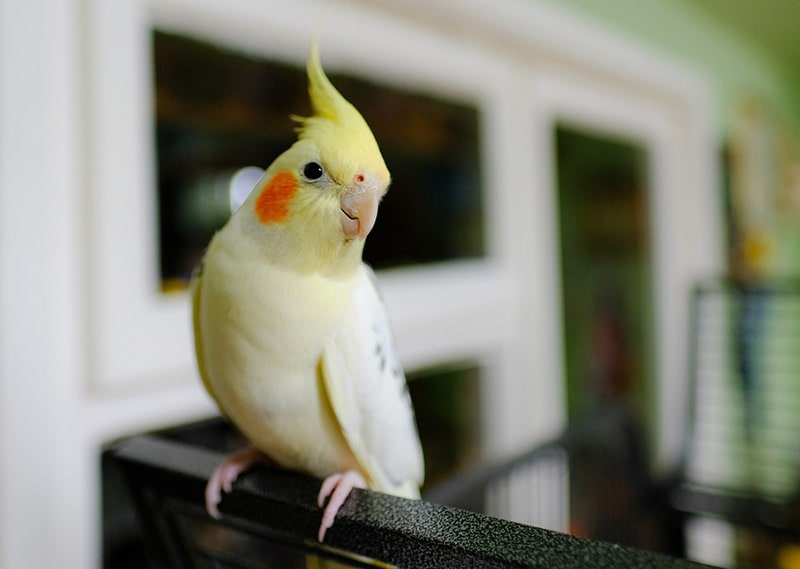
9 Signs Your Cockatiel Loves You: What to Watch For!
In this article
Many new cockatiel owners are surprised to learn that birds are not simple creatures. They are complex and have many different ways to express themselves. New bird owners need to familiarize themselves with their pet's sounds and body language so they can figure out what their bird is trying to tell them.
You may be wondering how your new bird will convey affection towards you. It’s easy to tell when cats and dogs love you; they’ll purr rhythmically or jump up on you with rapidly wagging tails.
Keep reading to find our list of nine tell-tale signs that your cockatiel loves you.

Top 9 Signs Your Cockatiel Loves You:
1. They Make Pleasant Sounds When You’re Near
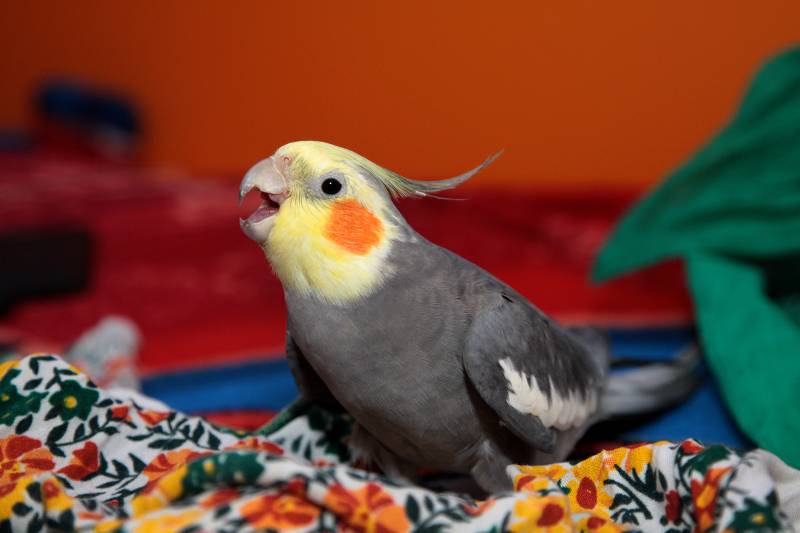
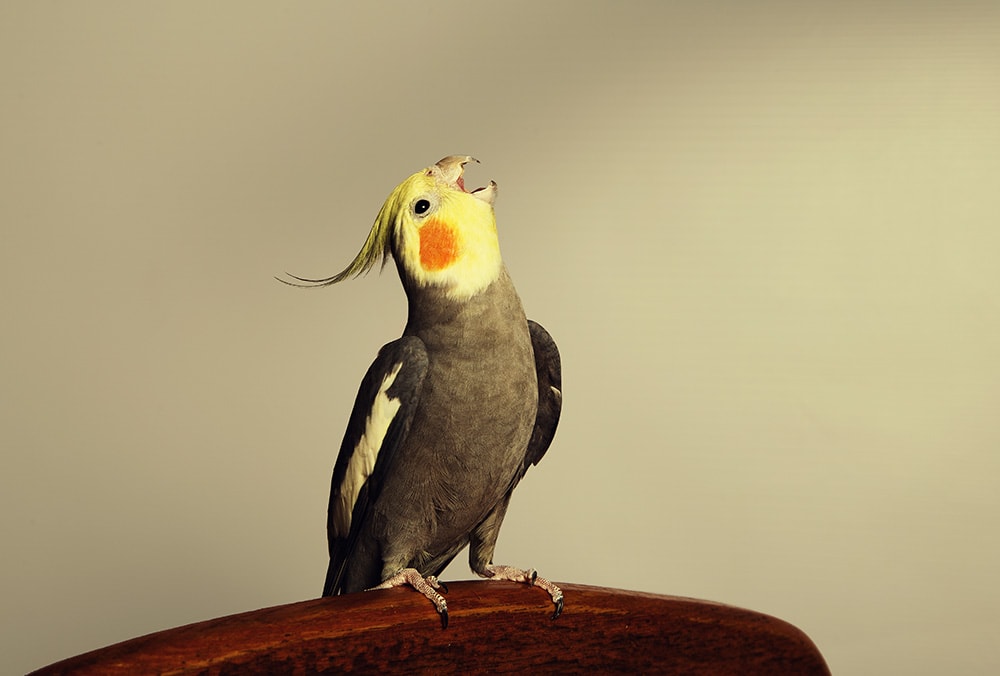
You will know that your cockatiel loves you when they make excited noises when you’re near. Though cockatiels aren’t big talkers like other parrots, if yours is singing or chirping when you enter the room, you can pretty much guarantee that they love it.
If your cockatiel is often hissing, they may be afraid or stressed. Check to ensure they have everything it needs to stay happy and healthy, such as food, water, and enriching toys.
2. They Have Positive Body Language
A cockatiel that loves their human will often move back and forth or jump to the front of their cage as you approach them. Positive body language shows that your cockatiel is excited to get out of their cage so they can be near you.
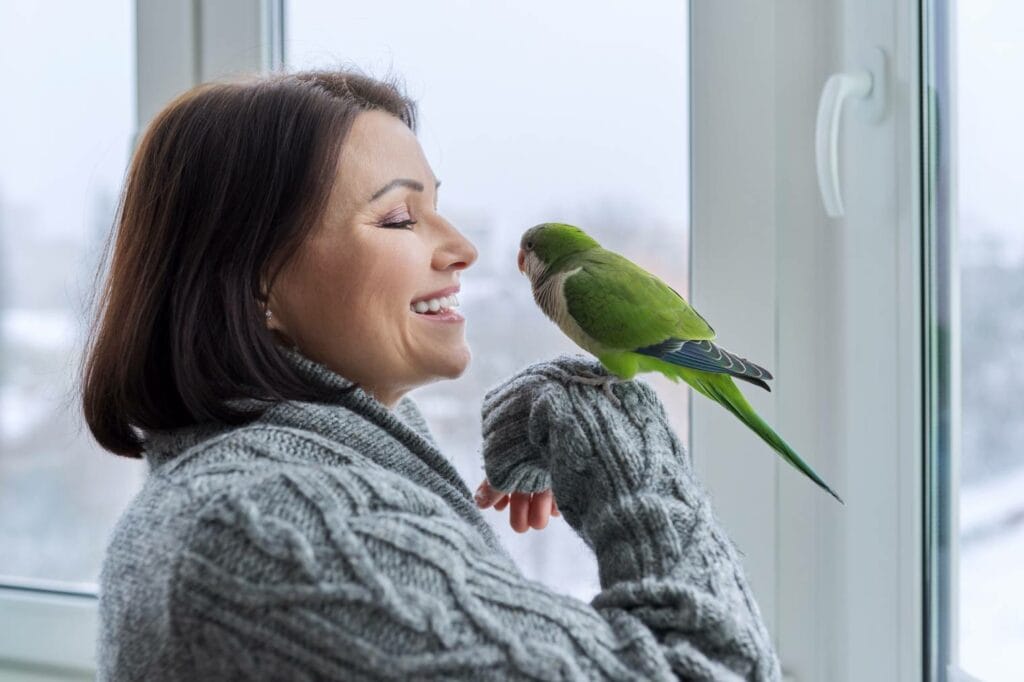
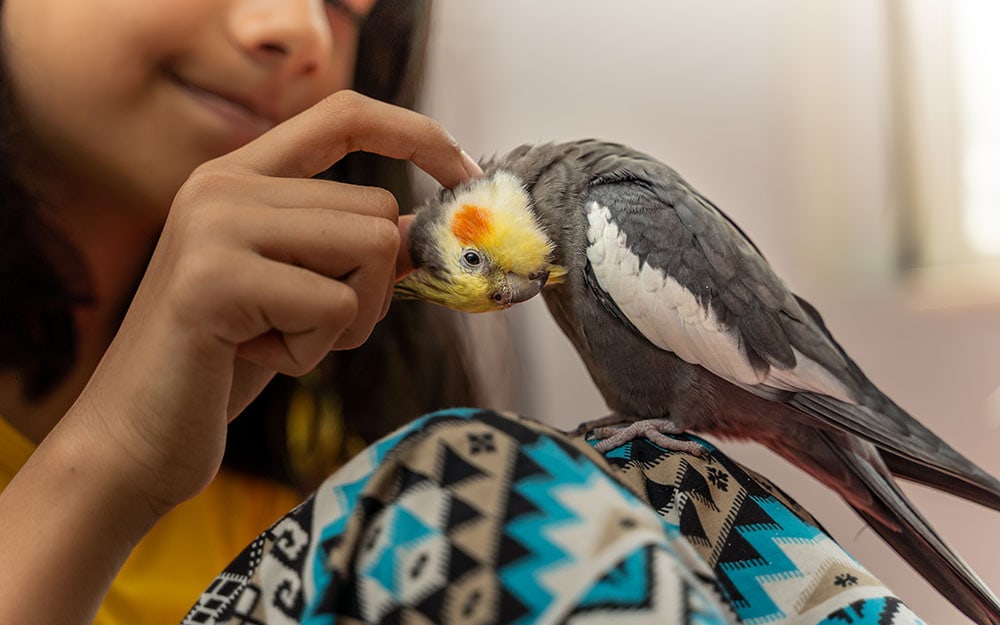
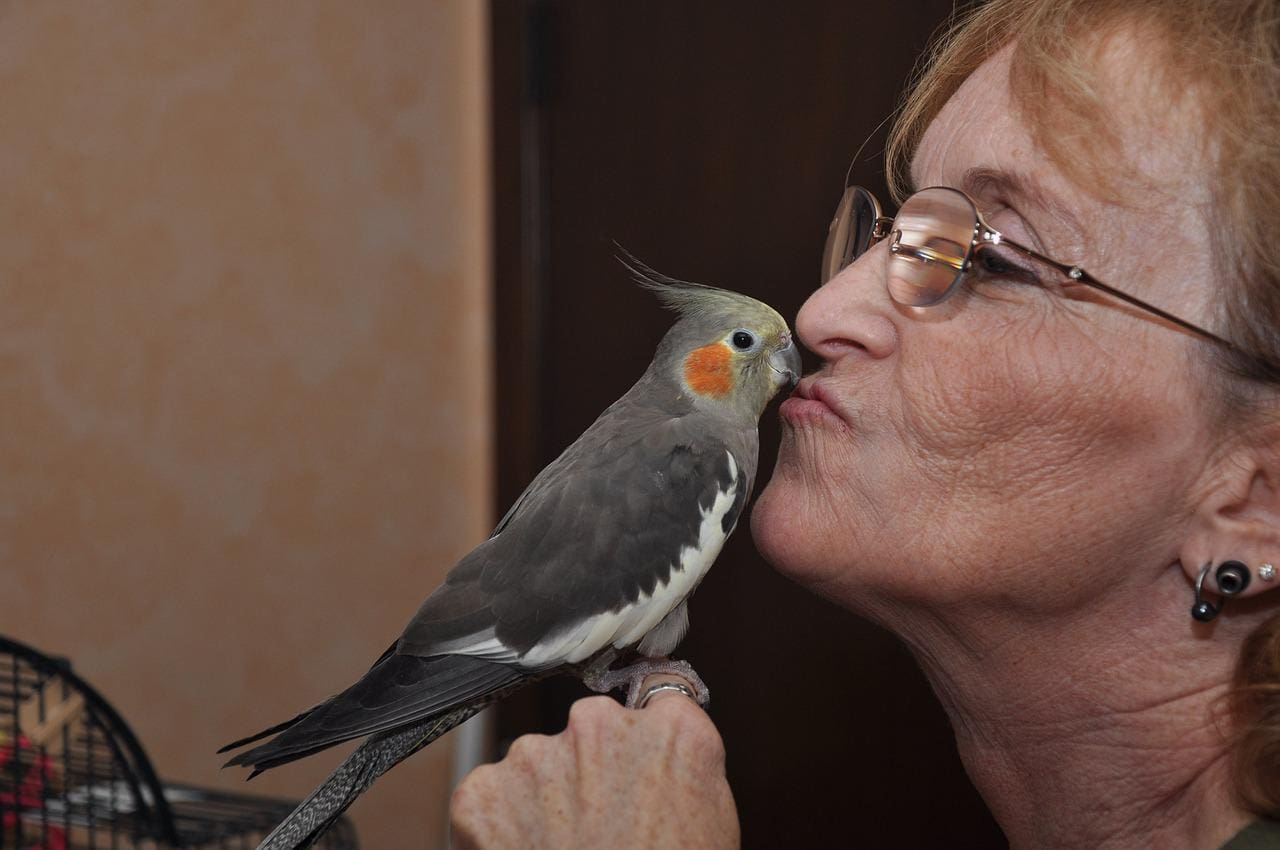
When you let them out, they might fly to your shoulder and use it to perch. They may start grooming your hair or picking at your jewelry. These are common signs of physical affection in cockatiels and can definitely mean yours loves you.
If your bird tries to escape when you hold them or runs to the back of the cage as you walk towards them, you’re best to back off and give them some space. The same rule applies if they raise a foot in the air, as this is a common sign of aggression in cockatiels.
3. They Want to Be Near You
This is a pretty obvious one, but it’s still worth mentioning.
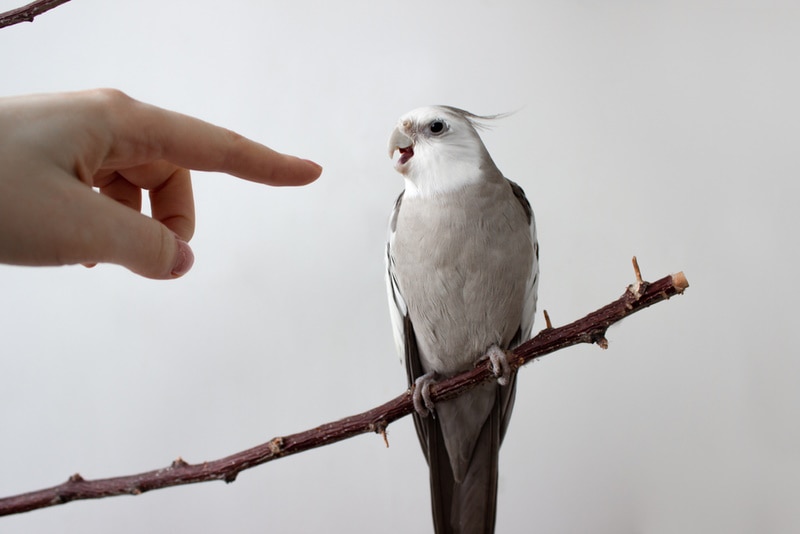
When your cockatiel loves you, they will approach you with ease. They may climb onto or hang from their cage bars in a plea to be let out so they can be near you. They might bob their head or try to step up onto you.
An untrusting cockatiel will hide away when you approach. One that’s still not too sure about you may sit back and watch you. A bonded bird will always want to be as close to you as possible.
4. Their Crest Is Relaxed
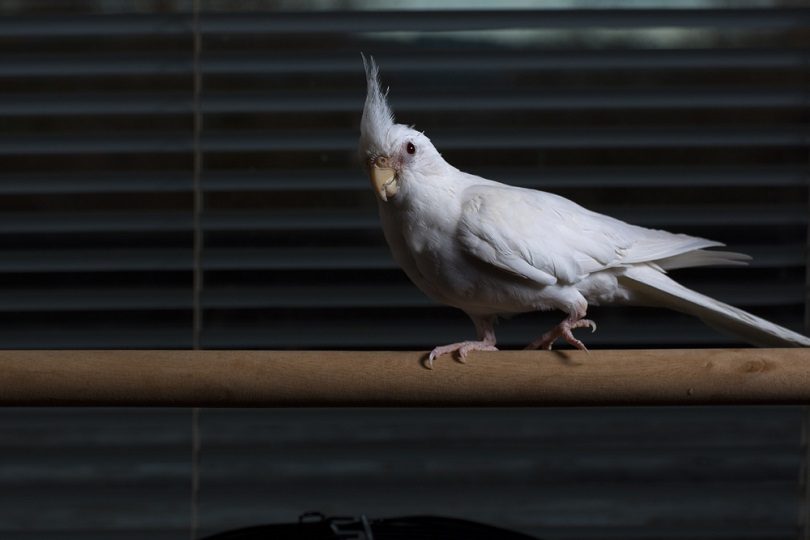
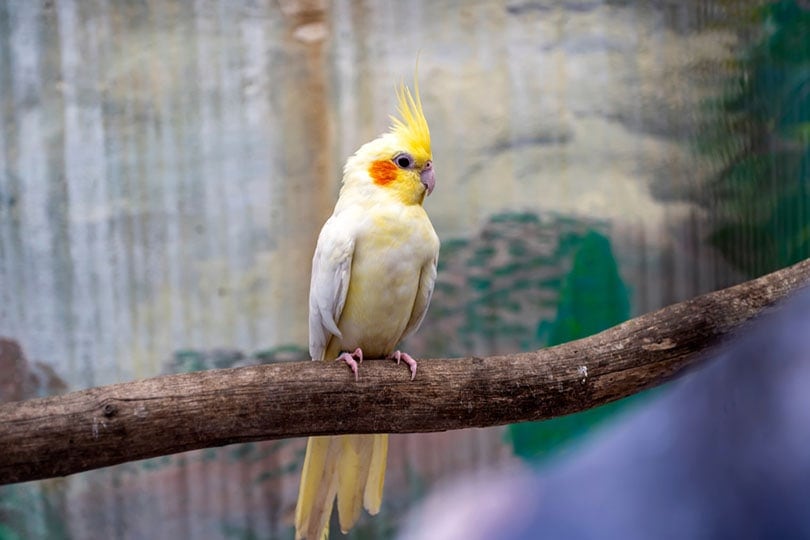
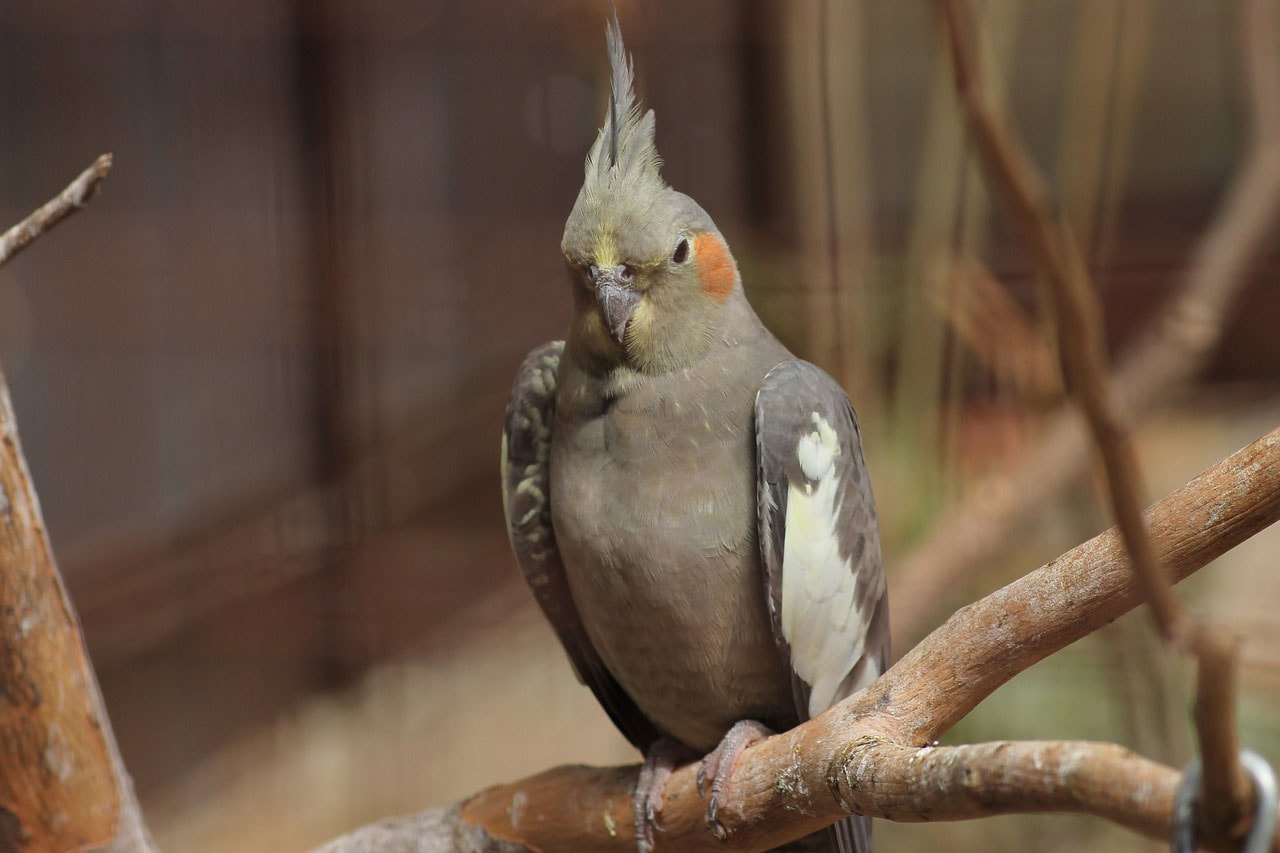
One of the unique features of a cockatiel is their crest feathers on top of their head. Not only is this feature striking, but it can also convey a lot of emotion.
Your bird may feel hostile when the crest is pressed into the top of their head. When fully erect, your cockatiel may be on high alert. When the crest lies between these points, they feel relaxed and affectionate. If the crest is always in this relaxed position when you’re around, that’s a good sign that your cockatiel loves you.
5. They Have Warm Feet
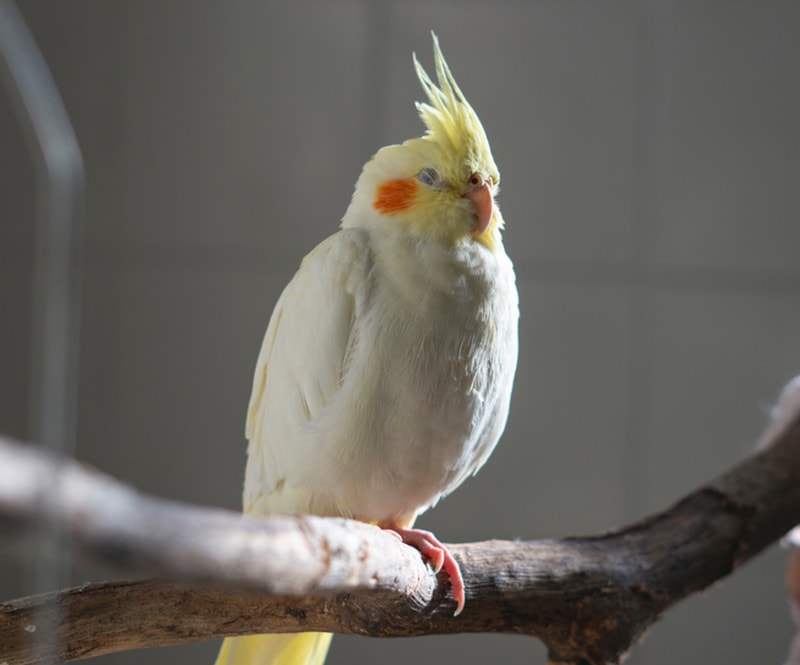
Pay close attention to the temperature of your cockatiel’s feet. If the feet are always cold, they could be feeling stressed, or there may be a health issue afoot. If they’re warm, though, that’s not only a sign that your cockatiel is in good health but that they love you.
6. Their Eyes Are Saying "I Love You"
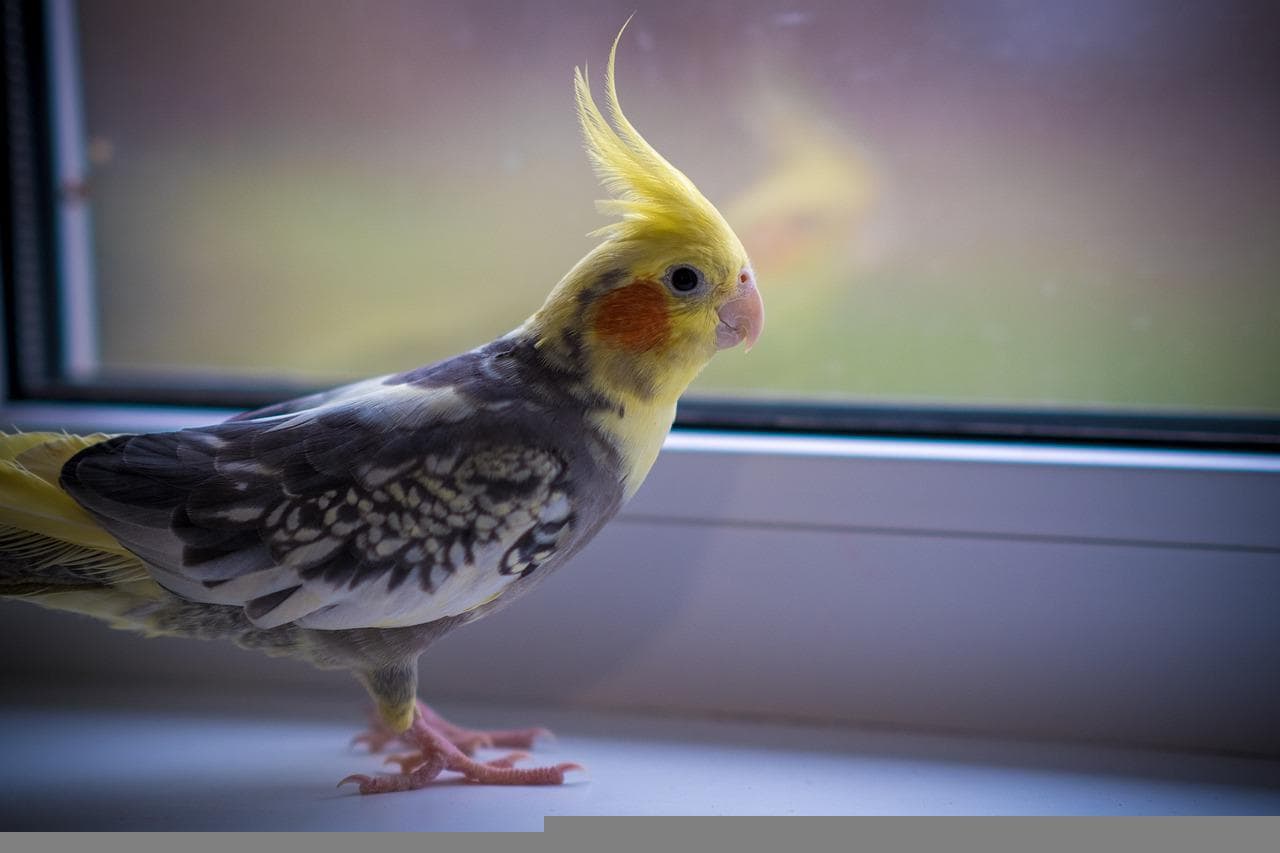
The eyes are one of the most expressive parts of our faces, and the same rings true with cockatiels. There are several eye-related behaviors to be on the lookout for to determine if your bird loves you.
First, if your cockatiel is blinking a lot and makes a point of looking at you while blinking, it’s safe to say your bird is very comfortable in your presence. Reciprocate the blinking to let them know you feel the same way.
Next, eye contact means a lot in the bird world. While maintaining eye contact is a big no-no for wild animals like lions or wolves, as it’s seen as threatening, it is the exact opposite for cockatiels. When your bird makes prolonged eye contact with you, it means they’re interested in you and want to communicate with you.
Finally, take a look at your bird’s pupils. Dilated pupils are common in both animals and humans when the creature is looking at something they feel strongly about.
7. They Regurgitate on You
While it sounds disgusting, regurgitation in the bird world is like the ultimate form of affection. If your cockatiel regurgitates their last meal onto you, they're saying that they care deeply for you. Birds in the wild care for their mates by feeding them; sometimes, the food they’re providing just happens to be of the pre-chewed variety.
8. They Call for You
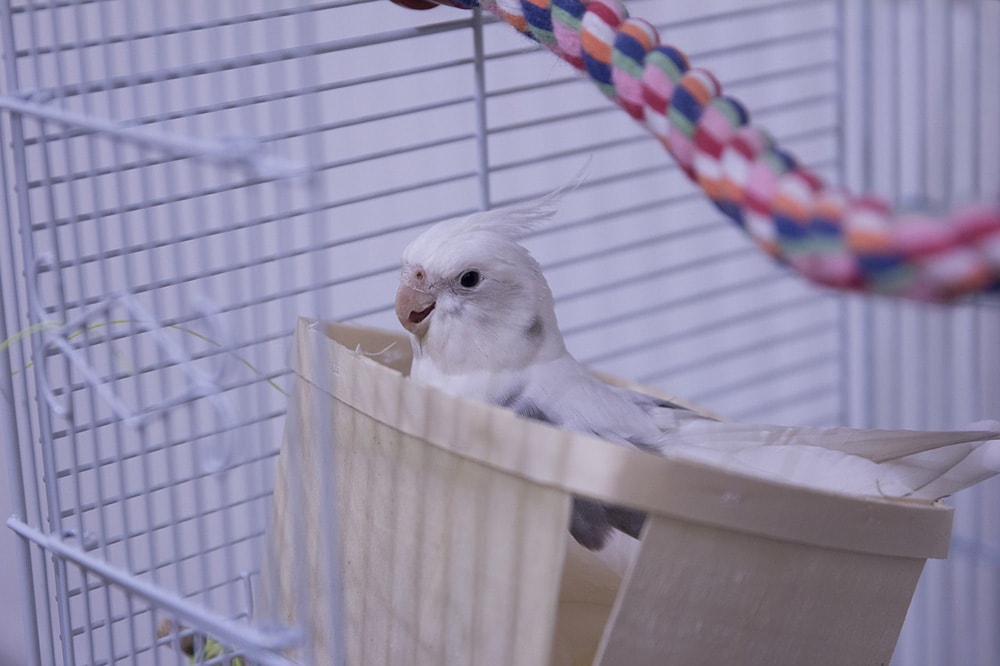
Cockatiels that love their owners may call for them using their tell-tale contact call.
A contact call is a noise cockatiels make in the wild to check in with their flock when members are out of sight. While your domesticated cockatiel is unlikely to have a flock of their own, they likely will grow to consider you a member of their community.
If your bird is calling for you, talk or whistle back at them. If you don’t, they may start to worry that something has happened to you and can begin to stress out.
9. They're Territorial
If your cockatiel loves you, they will naturally want to protect you as they do their flock mates in the wild. If your bird is regularly biting other people or being protective of you when you’re around others, chances are they're doing so because it’s natural for them to act territorial around those they love.
It’s best to curb territorial behavior in your birds, as it can become aggressive and destructive.
How to Tell if Your Cockatiel Doesn’t Like You
It doesn’t mean that your cockatiel doesn’t like you if they don't display any of the nine above behaviors. Like any other animal, every cockatiel is different and has their own personality. Your cockatiel may just not be as affectionate as others, and that’s okay.
But if you’re worried your bird doesn’t like you, there are some tell-tale signs to be on the lookout for:
If you checked some (or all) of those boxes, don’t worry. With some time and patience, you can regain your cockatiel’s trust.
We recommend the following steps for building a better relationship with your bird:
Final Thoughts
Cockatiels are sweet and affectionate birds that bond well with their humans. As you get to know your bird better, you’ll come to understand their behaviors instinctively and know when they're trying to tell you that they love you. This is important because when you know that your bird is displaying affection toward you, you’ll be able to reciprocate that affection and bond more thoroughly with your pet.
See also:
Featured Image Credit: binoyphotofolio, Shutterstock
Get Hepper In Your Inbox


Pet care tips from our vets and experts, straight to your inbox.
You may opt-out at any time. View our Privacy Policy for more information.

Chantelle's life revolves around two passions: writing and animals. Raised on the prairies of Canada amidst a menagerie of pets, she now lives with five cats, two guinea pigs, and a bearded dragon. Together with her husband and child, Chantelle delights in being an exemplary animal parent, going as far as installing wall-mounted cat shelves to give their cats an indoor playground. When she's not cozying up with her cats or snapping their amusing antics, she enjoys venturing into the Rocky Mountains, binge-watching her favorite Netflix shows, and indulging in spontaneous reading adventures.
Join the conversation
Ask a question, share your story, or send private feedback.