Hepper is reader-supported. When you buy via links on our site, we may earn an affiliate commission at no cost to you. Learn more.
Why Is My Cockatiel Shaking? ? 6 Vet-Approved Reasons


In this article
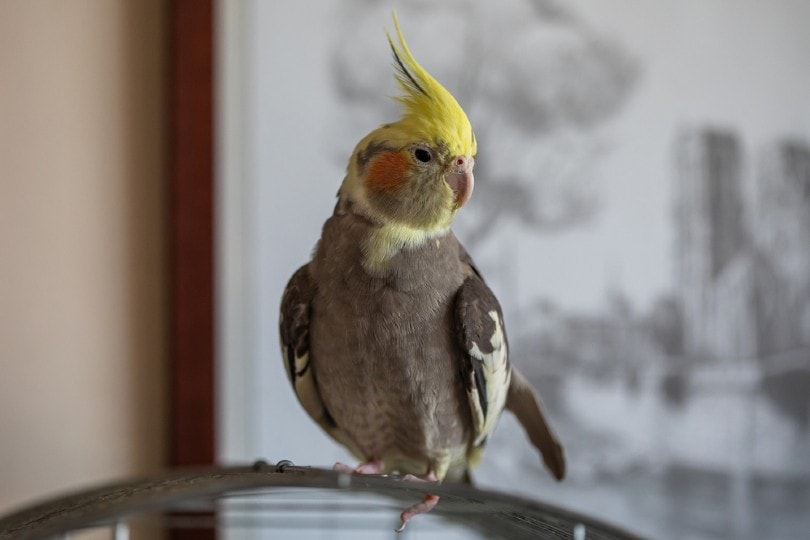
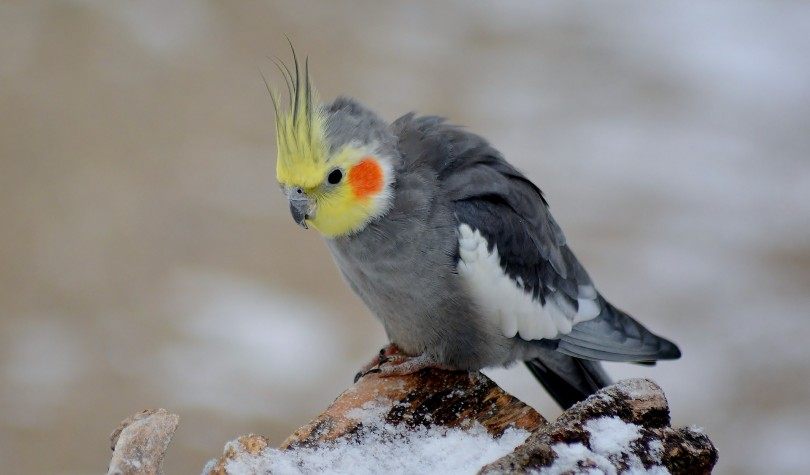
Cockatiels are fun and funny pets that have several unique and unusual habits. If you see your cockatiel shaking, it isn’t necessarily a sign of illness or some other negative occurrence. A quick shake can be a part of the grooming process. Your pet could be shaking to get rid of dust or debris from their feathers, and many cockatiels do a small shake as part of their take-off “ritual.”
However, prolonged shaking can also be a sign of anxiety or stress and may be an indication of an underlying health condition. While you don’t necessarily need to panic or fear the worst, you shouldn’t ignore shaking, especially if it is unusual for your cockatiel.
Here, we highlight some of the most likely causes of cockatiel shaking so that you can hopefully identify the cause and determine whether you need to take any action to remedy it.

The 6 Likely Reasons Why Cockatiels Shake
1. The Grooming Ritual
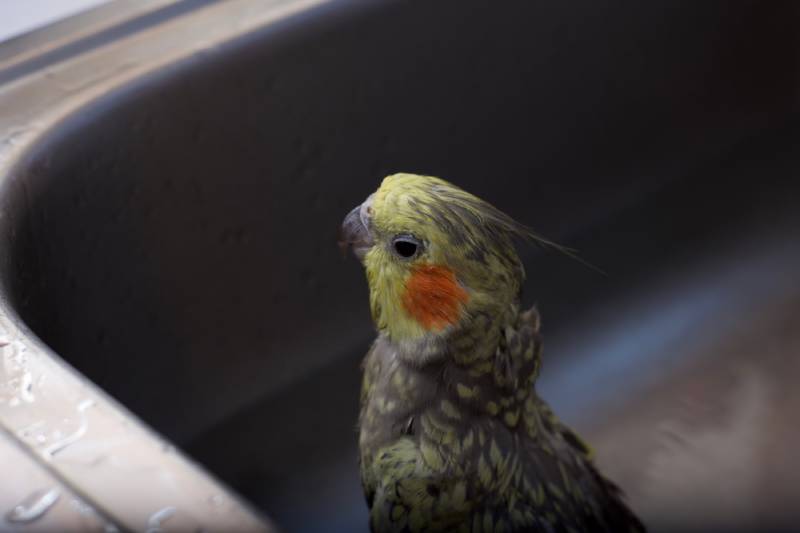
Grooming is an important part of your cockatiel’s daily routine. Like a lot of birds, cockatiels will usually groom themselves several times over a day, and grooming can be quite an involved process with many different steps and processes. A cockatiel might shake their feathers to try to get rid of dust, dirt, and other debris. They will also ruffle and shake their feathers if they are wet because shaking will help dry the feathers off.
If your cockatiel has just bathed themselves, you have given them a bath, or they have spent minutes preening their feathers, shaking is likely just a part of the grooming ritual.
In this instance, the shaking will be fast. Your bird will likely appear to slightly puff up after a period of grooming and then quickly shake. In most cases, they will go right back to the preening process. This is completely normal, and you should let your pet groom themselves; grooming is considered a sign of a healthy bird.
2. Take-Off Routine
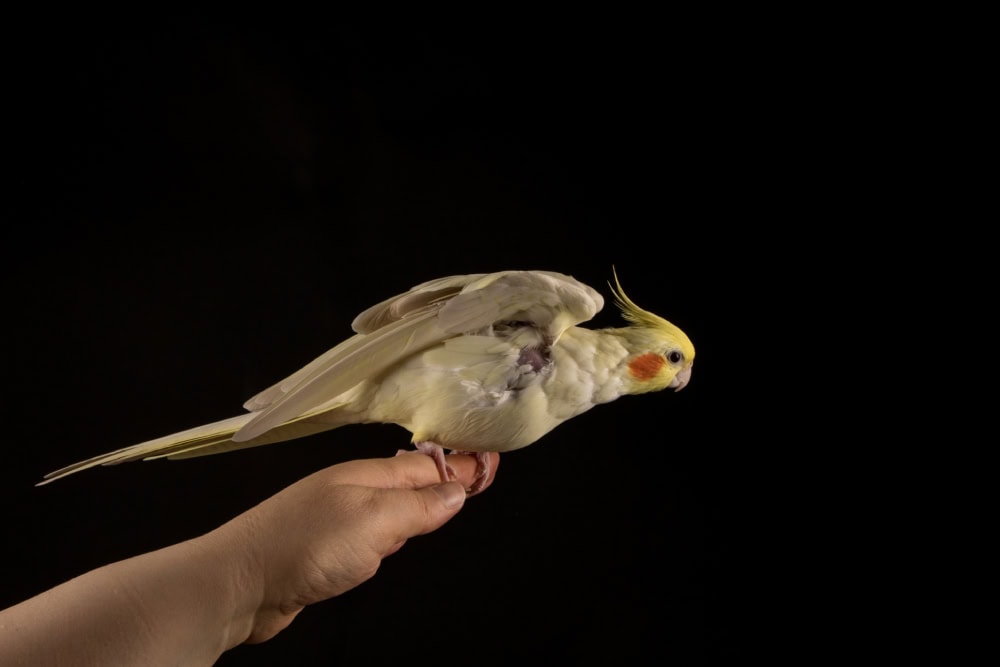
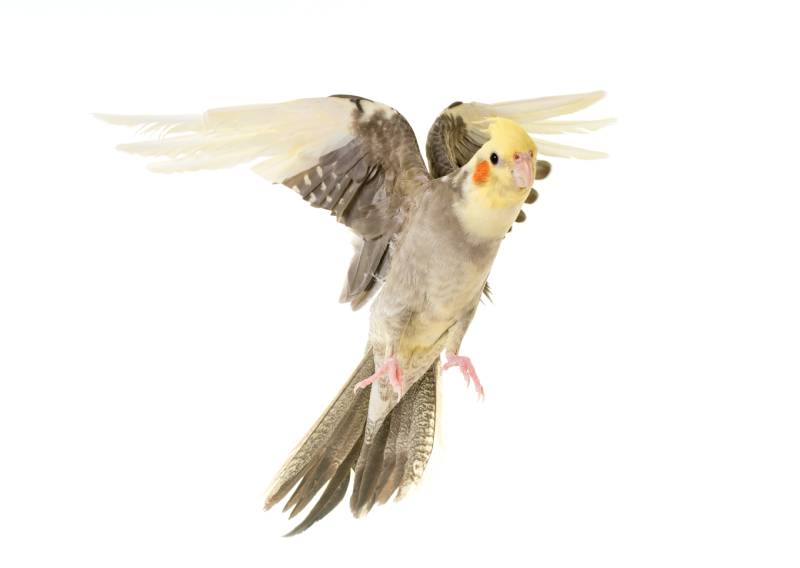
Similarly, shaking can also be part of a pre-flight routine. This can be especially common in birds that have had their wings clipped. Because they are unsure if they will be able to fly away, they are effectively testing the efficiency of their wings to see whether they will be able to take flight. If your bird looks as though they are rocking back and forth, they are likely preparing to take off. Even if the cage door is closed and your ‘tiel doesn’t have the space to fly, they may still undergo this flight routine.
In this instance, the shaking is once again quick and often missed. By the time your bird is airborne, you won’t notice it anymore. Another sign that indicates that your pet is about to fly is that they will often crouch slightly just before take-off. This is especially true for fledglings that are still learning the ropes of proper flight.
3. Cold Shivers
Cockatiels may shake slightly when they’re feeling cold. This is most commonly seen when they’re drying off after a bath. In this instance, they also puff up their feathers, as doing so helps their body trap more air near its surface, which can then be warmed by the bird’s own body heat. Muscles along the bird’s body may contract slightly to increase the rate at which they produce this heat. This helps increase their temperature and prevents them from getting cold.
It may look similar to the cold shivers that you experience during the winter or right after getting out of a swimming pool. If your bird is shivering without having taken a bath, they may be cold. Ensure that their cage is away from drafts and that the temperature of the room that they’re in is steady. The ideal ambient temperature for cockatiels is around 70–75oF (21–24oC).
4. Stress
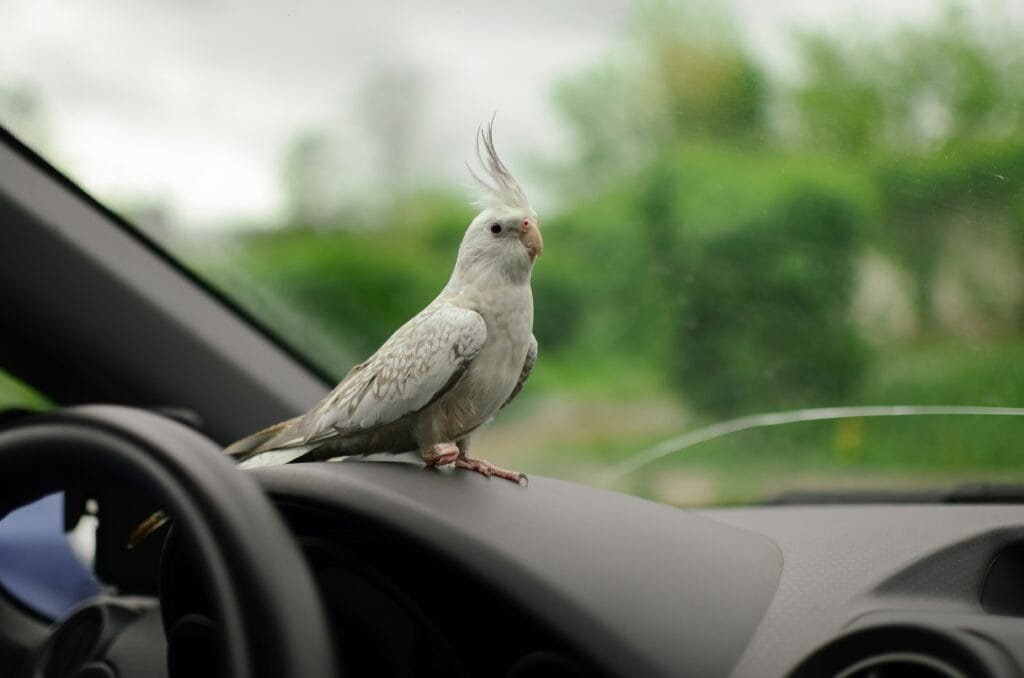
Cockatiels tend to look like confident and lively little birds, but this doesn’t mean they don’t feel stressed like other animals do. Stress in parrots can be from either external factors (their environment) or internal factors (processes happening within your pet’s body). A cockatiel may sometimes shake due to stress. However, this is rarely the only sign of stress, and the shaking might be accompanied by other signs of distress, such as refusing to eat, lethargy, and tail bobbing. It may also sometimes happen after an unfortunate incident, such as an injury that results in your cockatiel becoming somewhat incapacitated.
5. Fear
Cockatiels may shake when fearful. These birds are natural prey and are therefore instinctively fearful of many things, including other pets and in some cases, other humans whom they’re unfamiliar with. Birds that are wild captured or were trained with negative reinforcement may also be frightened and appear to shake at times.
A bird that’s incredibly fearful may lash out to bite if they are approached. In this scenario, they often puff up their feathers slightly, pin their iris, and lunge forward with their beak open.
6. Illness
Almost any illness may be accompanied by shaking and trembling. Cockatiels are likely to shake and show other abnormalities when they are ill. Signs to watch out for are:
Signs Your Cockatiel Might Be Ill
If you suspect that your bird is ill, you should have them examined by a veterinarian promptly.
Is My Cockatiel Having a Seizure?
Cockatiels can have seizures, and during such an instance, the signs are quite pronounced. A seizure typically has three phases:
Phase of a Seizure
If your bird has a seizure, they require immediate veterinary attention.
Final Thoughts
Cockatiels are fun, interesting, lively, and intelligent birds. They can have several odd quirks, but you know your bird better than anybody else. If you see them shaking, look for context and any other signs that accompany the shaking.
A short quick shake is most likely part of your bird’s natural behavior; for example, it’s part of a grooming or pre-flight habit. Conversely, prolonged and unexplained bouts of shaking can be a sign of stress, discomfort, fear, or illness. If you suspect that your parrot is shaking for the wrong reasons, have them looked over by your veterinarian promptly.
See Also: Why Is My Parakeet Shaking?
Sources
Featured Image Credit: jggrz, Pixabay
Get Hepper In Your Inbox


Pet care tips from our vets and experts, straight to your inbox.
You may opt-out at any time. View our Privacy Policy for more information.
Nicole is a lover of animals of all sizes but is especially fascinated with the feline variety. She’s the proud mom of Baby, a Burmese, and works every day so he can relax in the sunshine or by the fire. She’s always had a cat in her home and has spent countless days with others, observing behaviors and softening up even the grouchiest of the lot. Nicole wants to share her kitty expertise with you so you and your cat can live happy, healthy, and care-free.
Join the conversation
Ask a question, share your story, or send private feedback.