Hepper is reader-supported. When you buy via links on our site, we may earn an affiliate commission at no cost to you. Learn more.
How Big Do Belgian Malinois Get? Vet-Verified Growth & Weight Chart

In this article
Belgian Malinois, a breed of dog known for their intelligence, agility, and loyalty, have become increasingly popular in recent years. If you're considering adding a Belgian Malinois to your family, it helps understand the growth and development of these incredible animals. Why? Because like with any other dog breed, as Belgian Malinois grow and develop, their needs and behaviors will change. Fully grown Belgian Malinois can be 22 - 26 inches tall and weigh 40 - 80 pounds. In this article, we'll explore the growth and development of Belgian Malinois, from birth to adulthood, and provide tips on how to ensure your furry friend reaches their full potential.

Belgian Malinois Breed Overview
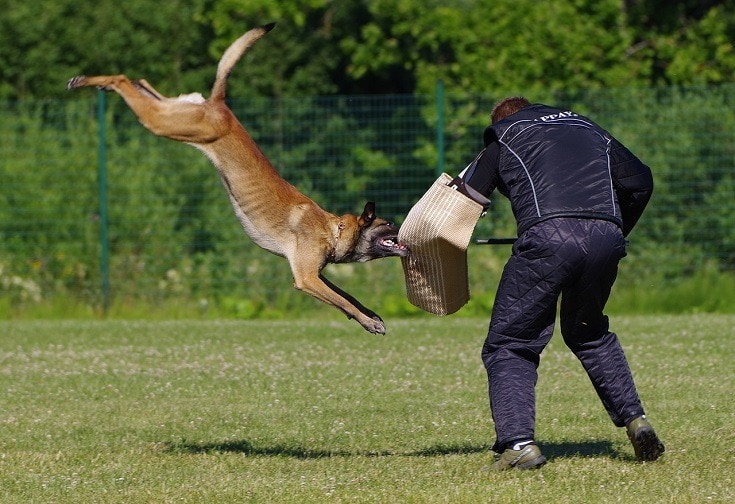
The Belgian Malinois is a breed of dog that originated in the city of Malines, which is located in the northern part of Belgium. This breed is known for its intelligence, loyalty, and high energy levels, which make it an ideal choice for a variety of tasks, including police work, military service, and search and rescue. Belgian Malinois are also popular as family pets and are known for their affectionate nature and their ability to form strong bonds with their owners.
As a dog with a strong history of work in police and military fields, these pups need lots of physical and mental stimulation, and many unsuspecting owners have found themselves overwhelmed by the demands of these highly intelligent dogs. This is a breed for experienced dog owners with plenty of time to dedicate to training and exercise.

Breed History
The Belgian Malinois was first developed in the late 1800s, when breeders in Belgium sought to create a dog that was both agile and strong. They bred the Malinois with other breeds, including the German Shepherd, to create a dog that was capable of performing a wide range of tasks. The Belgian Malinois quickly became popular in Belgium and was used by the military and police as well as by farmers and shepherds.
Today, the Belgian Malinois is recognized as a separate breed by the American Kennel Club and is one of the most popular breeds in the United States. Despite its popularity, the breed is still relatively rare outside of Belgium and is primarily used for working purposes rather than as a companion animal. So, if you’re thinking about getting one of these pups as your next family member, note that they have high energy levels and need daily exercise and mental stimulation.
Breed Appearance
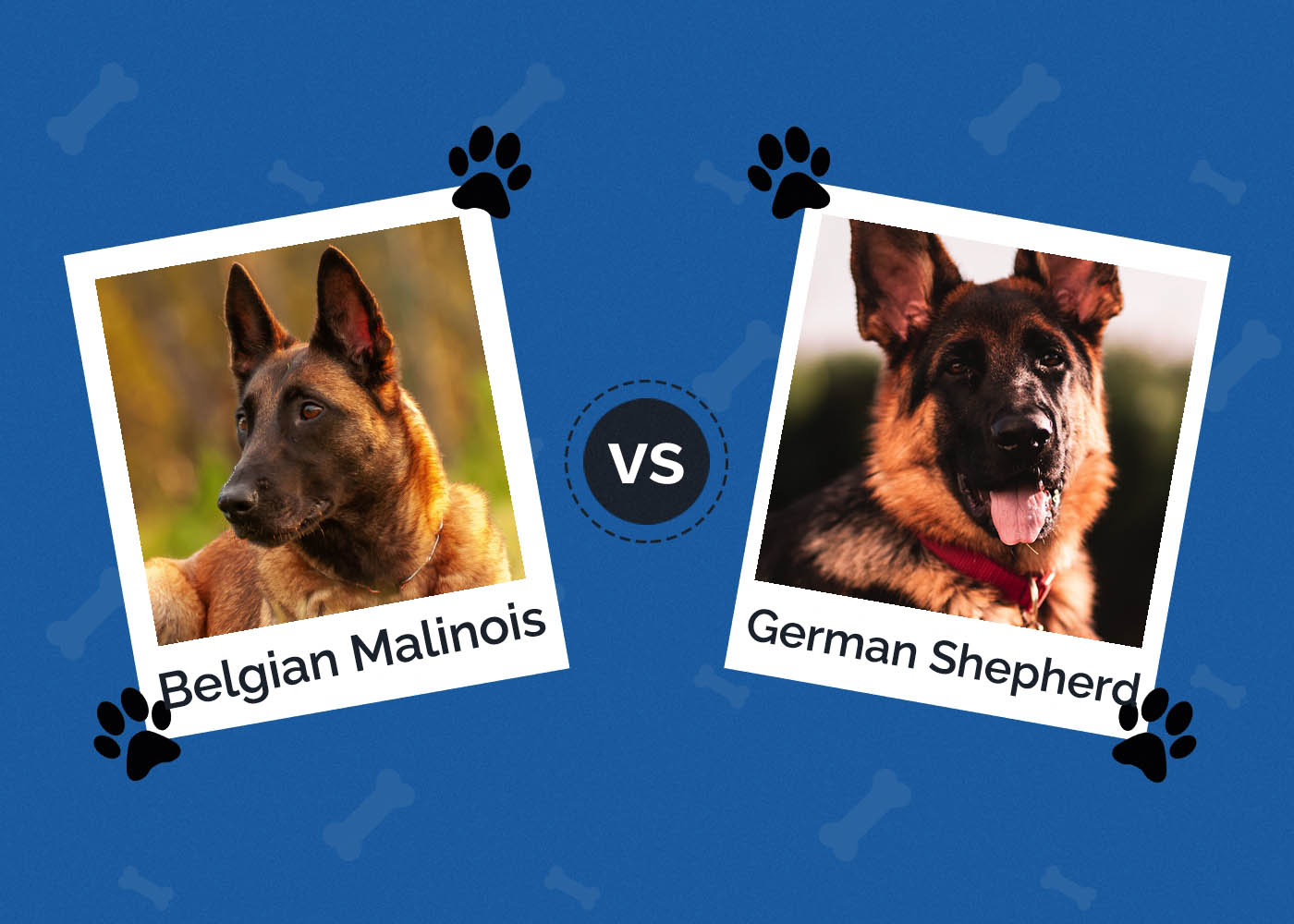
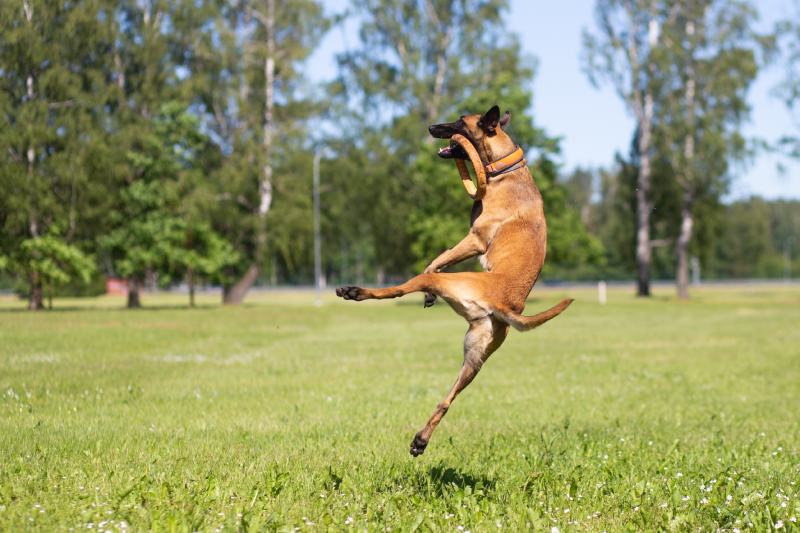
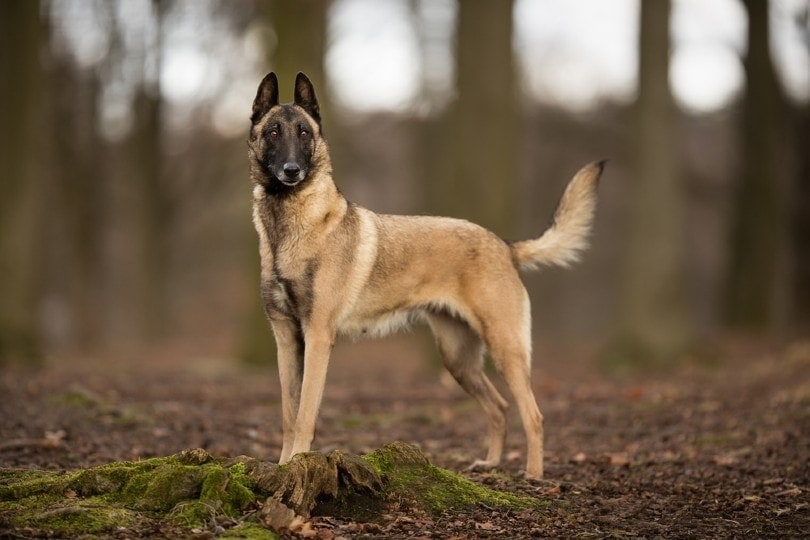
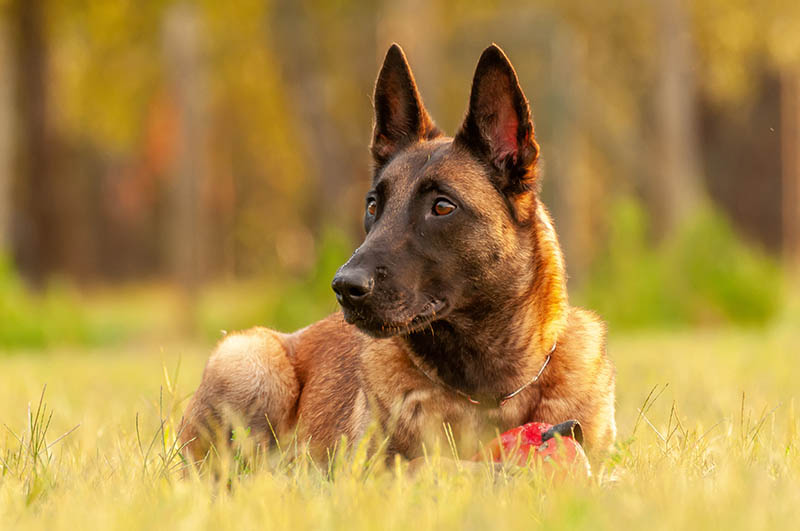
The Belgian Malinois is often mistaken for the German Shepherd, except their coat is often darker and they're a bit slimmer. This breed is medium to large in size, with a muscular build and a lean profile. Their coat is typically short, straight, and dense, with a range of colors including black, fawn, and mahogany.
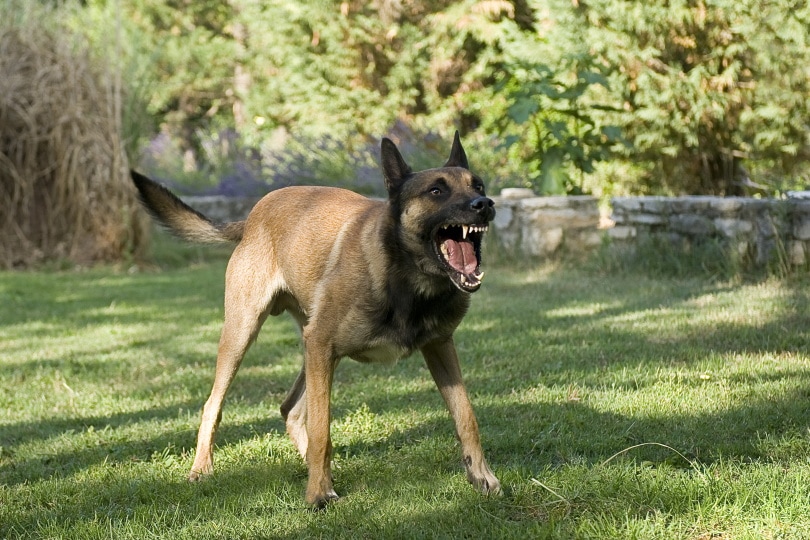
One of the most distinctive features of the Belgian Malinois is their pointed ears, which, Like the German Shepherd, stand erect and are triangular. Their eyes are almond-shaped and are usually brown in color, although some dogs may have lighter or darker eyes.
In terms of physical characteristics, the Belgian Malinois is a highly athletic and agile breed. They're built for speed and stamina, with a strong and powerful body that enables them to excel in a range of activities such as herding, police work, and agility training. While they're not as heavy or bulky as some other medium-size breeds like the Pit Bull or Rottweiler, they are nonetheless incredibly strong and able to perform a range of tasks with ease.
Belgian Malinois Size and Growth Chart
| Age | Weight Range | Height Range |
| 3 months | 20–28 pounds | 8–12 inches |
| 6 months | 40–55 pounds | 12–18 inches |
| 9 months | 50-65 pounds | 18–22 inches |
| 12 months | 60–70 pounds | 22–24 inches |
| 18+ months | 65–75 pounds | 24–26 inches |
When Does a Belgian Malinois Stop Growing?
Generally, a Belgian Malinois puppy can reach its full adult size and weight between 12 to 18 months of age. However, the growth rate can slow down after 6 months of age.
Note that the growth rate of a Belgian Malinois can be affected by their diet and exercise routine. A nutritious diet that meets all the nutritional requirements of the puppy is essential for its growth and development–especially their muscle and bone growth.
Your dog's vet can help you monitor the growth of your Malinois puppy regularly by measuring their weight and height. They can also help in determining whether the puppy is growing at a healthy rate and advise on any necessary dietary and exercise changes.
Belgian Malinois Growth Stages
Puppy Stage
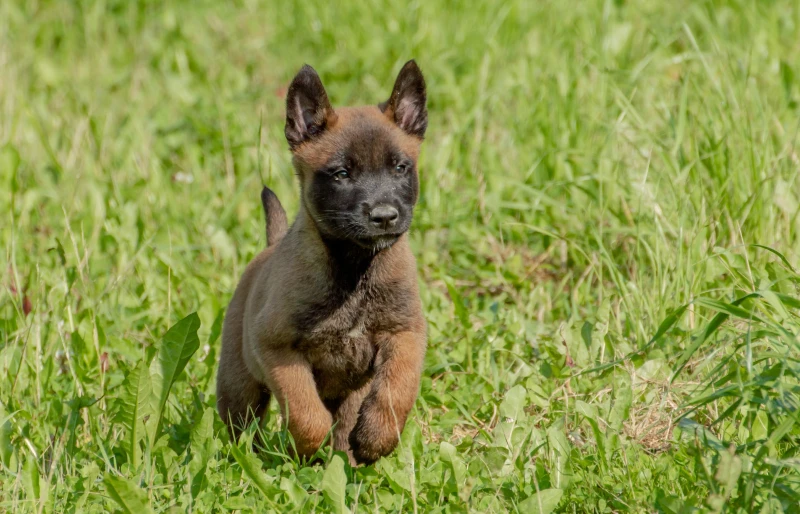
Belgian Malinois puppies are born with their eyes and ears closed, and they rely on their sense of smell and touch to navigate their world. During the first few weeks of life, puppies are completely dependent on their mother for food, warmth, and protection. As they grow, their eyes and ears will open, and they'll begin to explore their surroundings.
Around 4 weeks of age, Belgian Malinois puppies will begin to eat solid food and will start to develop their teeth. Socialization is critical during this stage, as puppies learn important skills such as bite inhibition and how to interact with other dogs and humans. By 8 weeks of age, Belgian Malinois puppies are ready to leave their mother and go to their new homes.
And it’s super important to provide a safe and stimulating environment for your Belgian Malinois puppy during this stage of development. Make sure their living space is clean, comfortable, and free of hazards. Provide plenty of toys and opportunities for play and exercise, as this will help them develop both physically and mentally. A nutritious diet is also essential for healthy growth and development.
Adolescent Stage

As your Belgian Malinois puppy enters adolescence, they'll start to experience hormonal changes that can affect their behavior and temperament. This stage typically occurs between 6 and 18 months of age, and it can be a challenging time for both dogs and their owners.
During adolescence, Belgian Malinois may become more independent, stubborn, and disobedient. They may also exhibit more aggressive or territorial behavior. It's important to continue training and socializing your dog during this stage, as this will help them develop into a well-behaved and well-adjusted adult.
Full Size and Weight of a Belgian Malinois
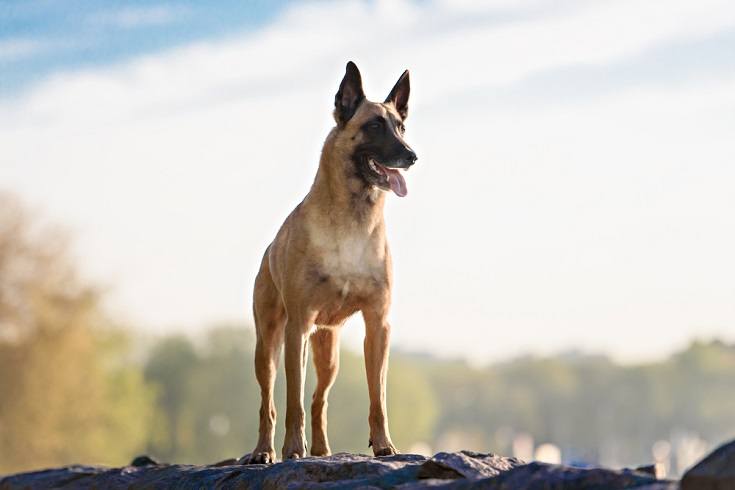
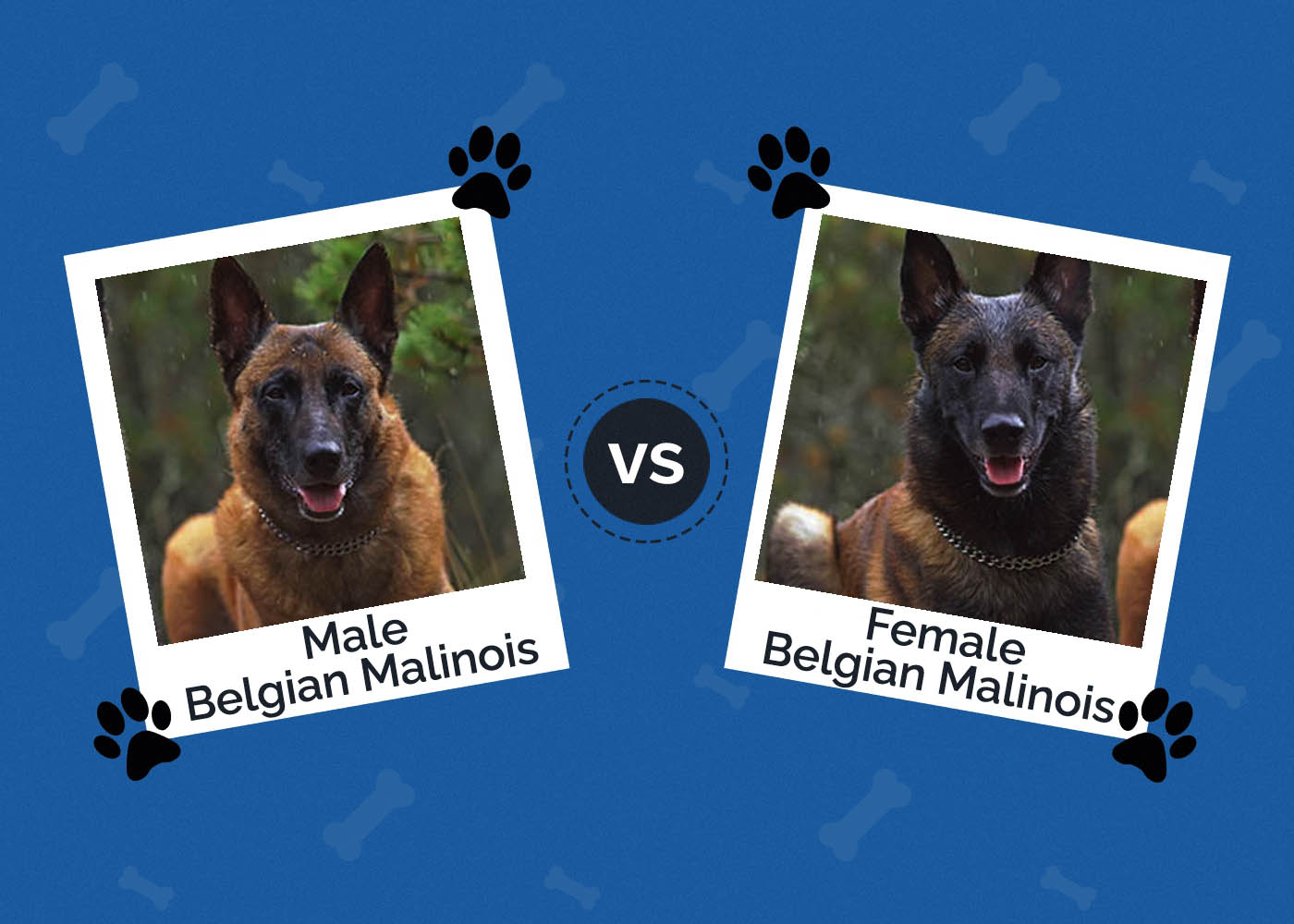
These dogs are medium to large-sized dogs, with male dogs typically weighing between 60 and 80 pounds and female dogs weighing between 40 and 60 pounds when fully grown. Their build will become leaner, and their coat will become denser. Note that there can be some variation in size and weight among individual Belgian Malinois.
Factors Affecting the Size of Belgian Malinois
One of the most significant factors that affects the size of a Belgian Malinois is genetics. The size of a dog is determined by its genes, and the same is true for Belgian Malinois. If the parents of a Malinois are large, then the offspring is likely to be large as well. Similarly, if the parents are small (like with humans), the offspring will also be small.
Another factor that affects the size of a Belgian Malinois is nutrition. Proper nutrition is crucial for the growth and development of a dog. If a Malinois is not getting the right nutrients, it may not grow to its full potential. Therefore, it is essential to provide a balanced diet that includes proteins, carbohydrates, and fats.
Exercise is also a crucial factor that affects the size of a Belgian Malinois. Regular exercise helps to keep the muscles toned and promotes healthy growth. If Malinois does not get enough exercise, they may have lower muscle mass and be a bit underweight as a result.
Ideal Diet for Maintaining a Healthy Weight
Proper nutrition is critical for the health and growth of your Belgian Malinois. During the puppy stage, it's important to feed your dog a diet that's high in protein and fat to support their rapid growth and development. Look for a high-quality puppy food that's specifically formulated for large breed dogs.
As your Belgian Malinois puppy grows, you'll need to adjust their diet accordingly. At around 6 months of age, you can switch things up to a high-quality adult dog food that's appropriate for their size and activity level. It's important to monitor your dog's weight and adjust their food intake as needed to maintain a healthy weight and body condition.
In addition to their regular meals, you can also offer your Belgian Malinois healthy treats such as raw fruits and vegetables (like carrots, apples, and celery), lean meats, and low-fat dairy products. Just be sure to avoid foods that are toxic to dogs, such as chocolate, grapes, and onions.
How to Measure Your Belgian Malinois
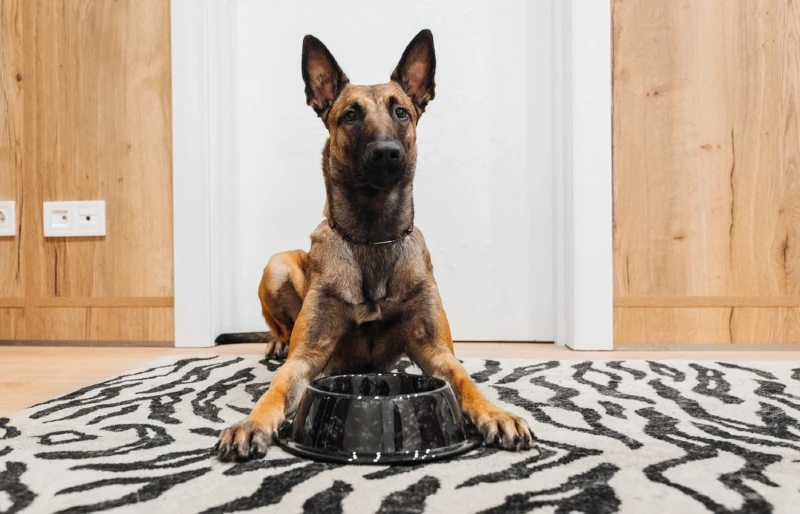
Measuring your Belgian Malinois is essential for keeping track of their growth and development. To measure your dog's height, stand them up against a wall and measure from the ground to the top of their shoulder blades. To measure their length, measure from the base of their neck to the base of their tail.
You can also monitor your dog's weight by using a bathroom scale. These dogs may be a bit difficult to get on a scale due to their size, so it’s way easier to just weigh yourself first, then weigh yourself while holding your dog in your arms. Then, simply subtract your weight from the total to get your dog's weight.
Exercise and Activity Levels for Adult Belgian Malinois
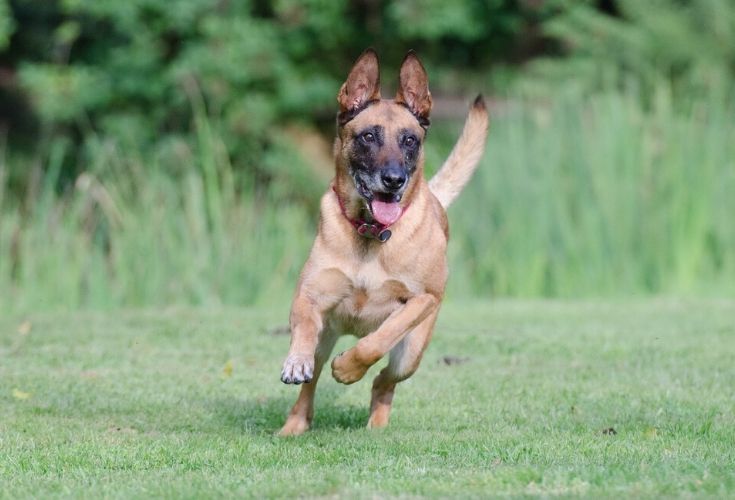
Belgian Malinois are an active and energetic breed that require plenty of exercise and activity to stay healthy and happy. They're known for their high energy levels and love of play, and they thrive on activities such as running, hiking, and playing fetch.
As a general rule, adult Belgian Malinois should receive at least 30 minutes to an hour of exercise each day. This can include walks, runs, or other forms of aerobic exercise, as well as playtime and training sessions. You can also provide your dog with mental stimulation through activities such as puzzle toys, obedience training, and agility courses.
Conclusion
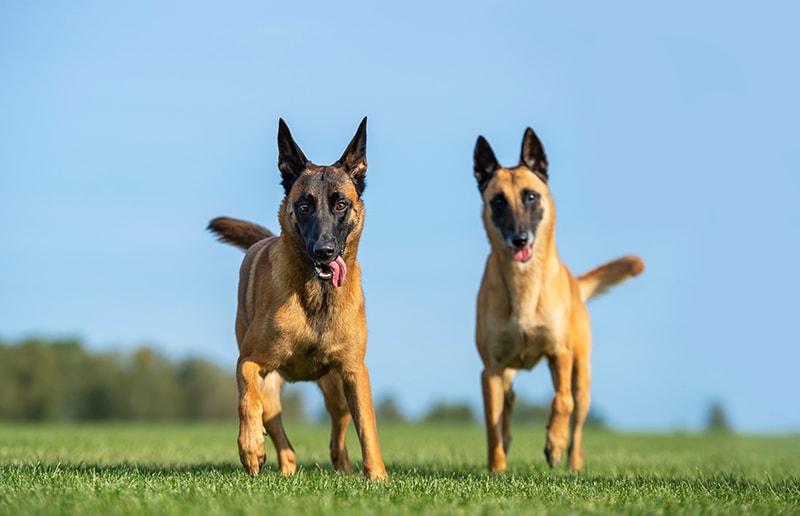
So, to wrap things up, understanding the growth and development of Belgian Malinois is essential for providing the best care for your furry friend. Overall, the Belgian Malinois is a breed that is both beautiful and highly functional as a canine friend. Their striking appearance is a testament to their athleticism and agility, and they are highly sought after by those who are looking for a playful and active dog.
Sources
Featured Image Credit: BIGANDT.COM, Shutterstock
Get Hepper In Your Inbox


Pet care tips from our vets and experts, straight to your inbox.
You may opt-out at any time. View our Privacy Policy for more information.
Nicole is a lover of animals of all sizes but is especially fascinated with the feline variety. She’s the proud mom of Baby, a Burmese, and works every day so he can relax in the sunshine or by the fire. She’s always had a cat in her home and has spent countless days with others, observing behaviors and softening up even the grouchiest of the lot. Nicole wants to share her kitty expertise with you so you and your cat can live happy, healthy, and care-free.
Join the conversation
Ask a question, share your story, or send private feedback.