Hepper is reader-supported. When you buy via links on our site, we may earn an affiliate commission at no cost to you. Learn more.
How Big Do Alaskan Malamutes Get? Average Weight & Growth Chart
In this article
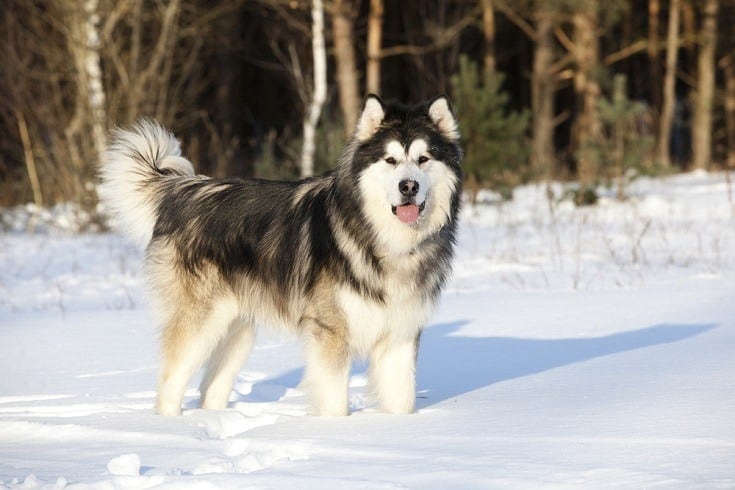
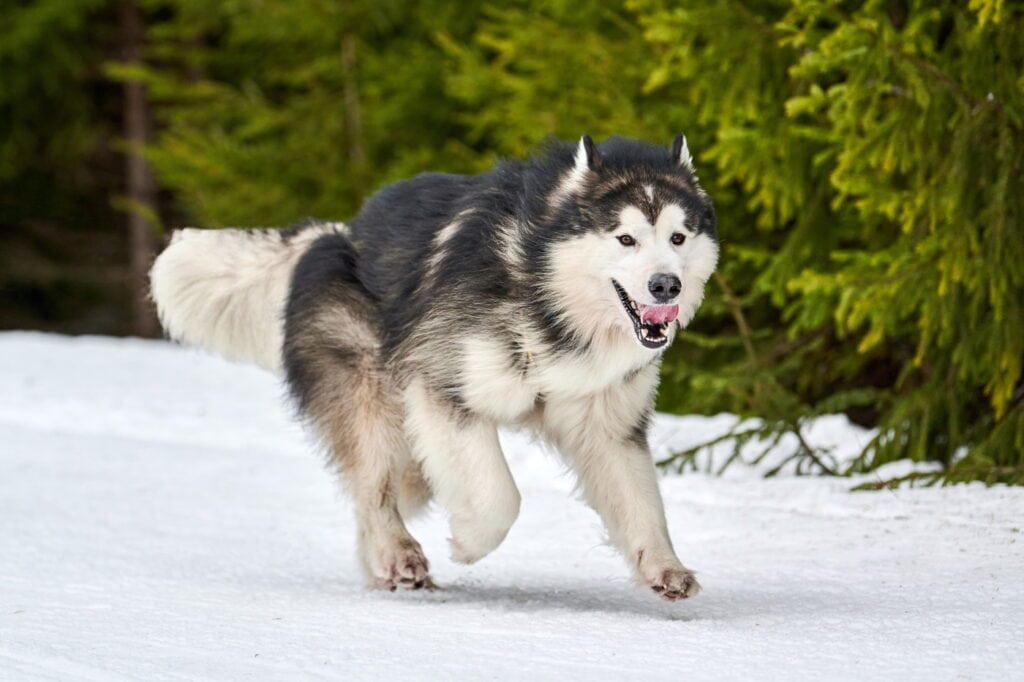
The Alaskan Malamute is a powerful yet majestic breed that was once used to pull heavy sleds over lengthy distances in the deep Arctic. While it had the ideal coat to survive such conditions, its large physique displayed incredible endurance and strength.
The Alaskan Malamute grows at an impressive rate, and any potential owners need to understand how fast they grow and how quickly they grow to their full size which can be from 23 to 25 inches in height and between 75 and 85 pounds. They quickly go from a cute bundle of fluff to a robust working dog.
In this article, we will discuss the weight and height of a young, growing, and adult Alaskan Malamute, along with a detailed toolkit to help you provide the best care for your Malamute's journey to adulthood.

Alaskan Malamute Overview
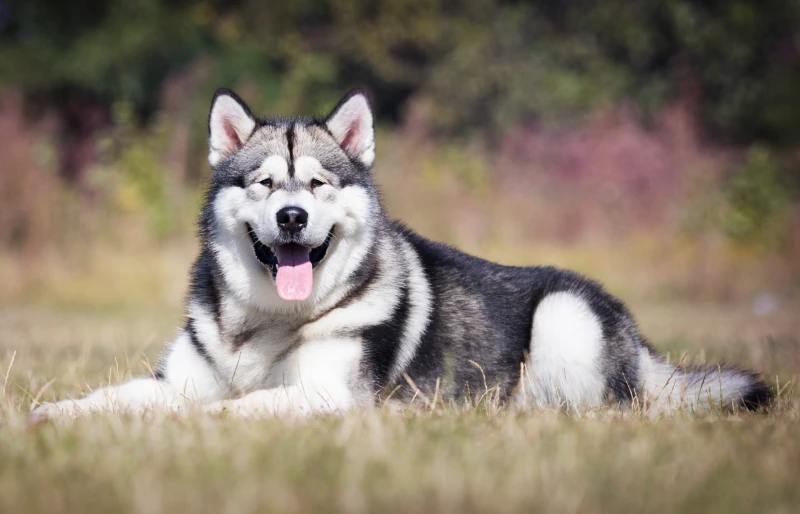
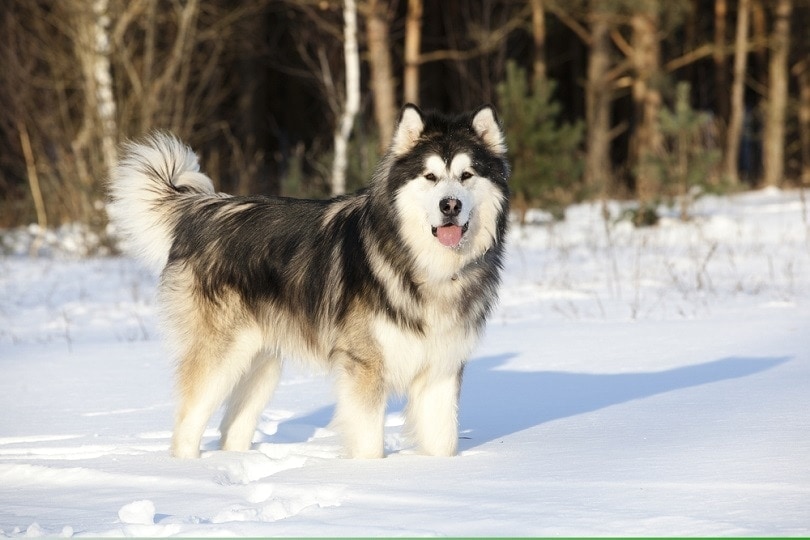
The Alaskan Malamute is a large, working breed, which is evident at first sight. Its height at the shoulder is 23 to 25 inches, and it weighs between 75 and 85 pounds. The Alaskan Malamute was developed in the arid regions of Alaska and was initially trained to pull huge sleds over great distances, which explains their incredible strength, endurance, and resilience.
With their wolf-like appearance, they also exude a sense of magnificence. These Spitz-like dogs are very loving, affectionate, playful, and devoted.
Due to their ingrained work ethic, physical exercise and mental stimulation are essential to their well-being. Engaging activities and regular outdoor adventures are essential because neglecting these demands can result in a bored and mischievous Malamute.
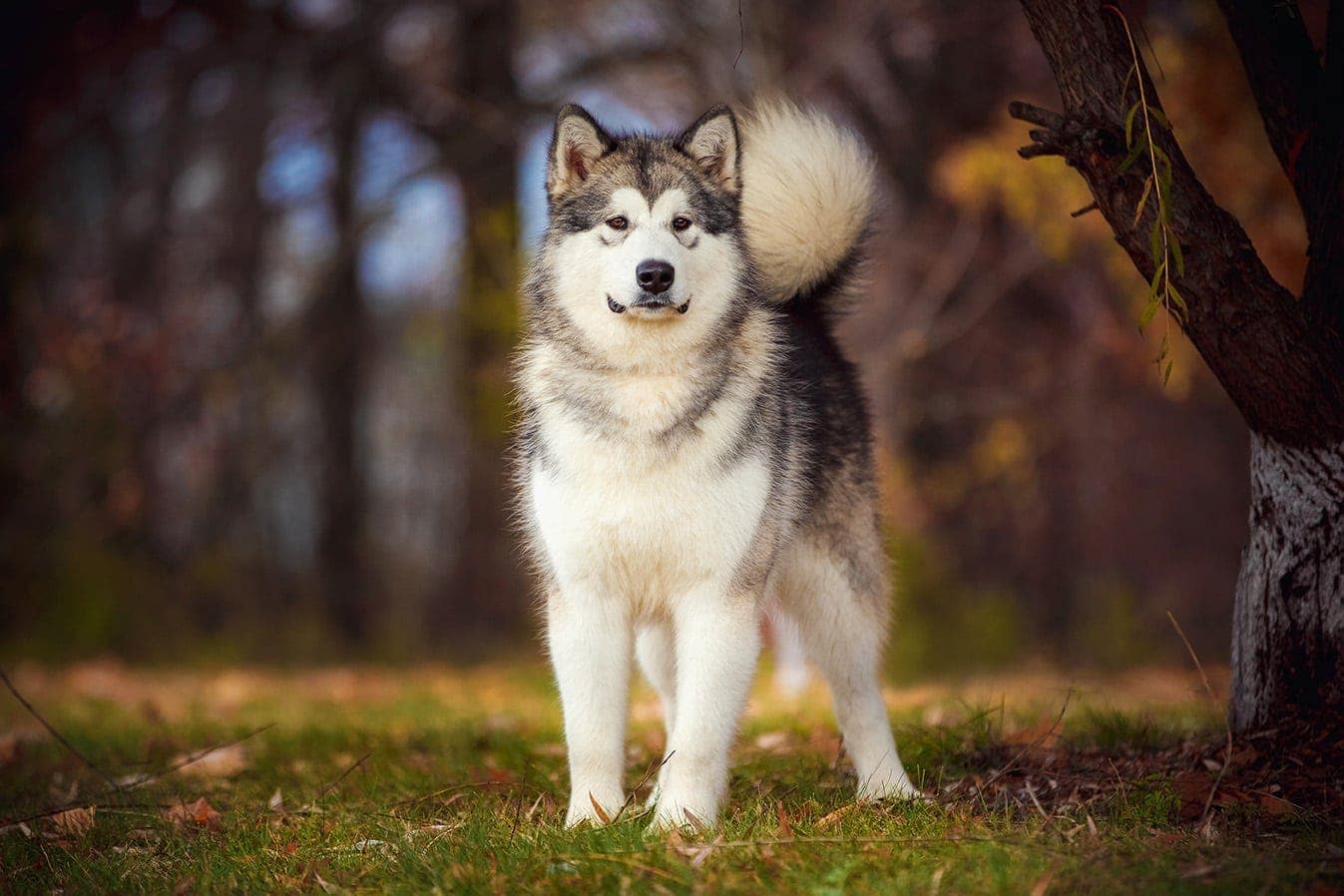
Alaskan Malamute Size and Growth Chart
Female Alaskan Malamutes are often smaller with lighter bone structures than their male counterparts, with males often being larger and more muscularly built. Male and female Alaskan Malamutes differ in size also in terms of weight.
Male Malamutes can reach up to 100 pounds on average, while females usually weigh 60–80 pounds. Remember that these weight ranges are only averages. Although most Alaskan Malamutes are renowned for their enormous size and power, the breed can occasionally produce smaller dogs due to specific genetic variances.
Every dog is unique, and the same is true for your Alaskan Malamute. They reach full size in their own time and grow slightly slower or faster than others. If you ever feel unsure or concerned about your Alaskan Malamutes size, we advise a check-in with your dog’s veterinarian.
| Age | Weight Range | Height Range |
| 1 month | 5–10 pounds | |
| 2 months | 10–25 pounds | 9–12 inches |
| 3 months | 15-30 pounds | |
| 4 months | 25–40 pounds | |
| 5 months | 30–50 pounds | |
| 6 months | 45–60 pounds | 11-14 inches |
| 7 months | 50–65 pounds | |
| 8 months | 55–70 pounds | 13–16 inches |
| 9 months | 55–70 pounds | |
| 10 months | 60–75 pounds | 15–18 inches |
| 11 months | 65–75 pounds | |
| 12 months | 70–80 pounds | 17–19 inches |
| 24 months | 75–85 pounds | 23–25 inches |
When Does an Alaskan Malamute Stop Growing?
Most Alaskan Malamutes reach their peak growth between the ages of 18 and 24 months, with the first year being one of tremendous growth. Most of their adult height and up to 80–90% of their adult weight will be reached by the time they turn one.
However, most will continue to bulk out and develop their chests until they are close to 2 years old. So, while the average Alaskan Malamute will still have plenty of growing to do before they can be considered grown, they can theoretically be called adults once they cross the 12-month mark and have switched to an adult diet.
Factors Affecting the Size of an Alaskan Malamute
A few factors come into play when it comes to the size of an Alaskan Malamute, including genetics, health, and diet. The size of these magnificent dogs is significantly influenced by genetics.
Some Malamutes have genes that cause them to be smaller, while other Malamutes may have genes that cause them to be larger. Their growth and development require proper nutrition, and their growth can be affected by inadequate nutrition.
Stunted growth or smaller sizes can be caused by feeding an unbalanced diet, underfeeding, overexercising, or having picky eating habits. A veterinarian should be consulted to rule out any underlying health issues that could be the cause of the smaller size.
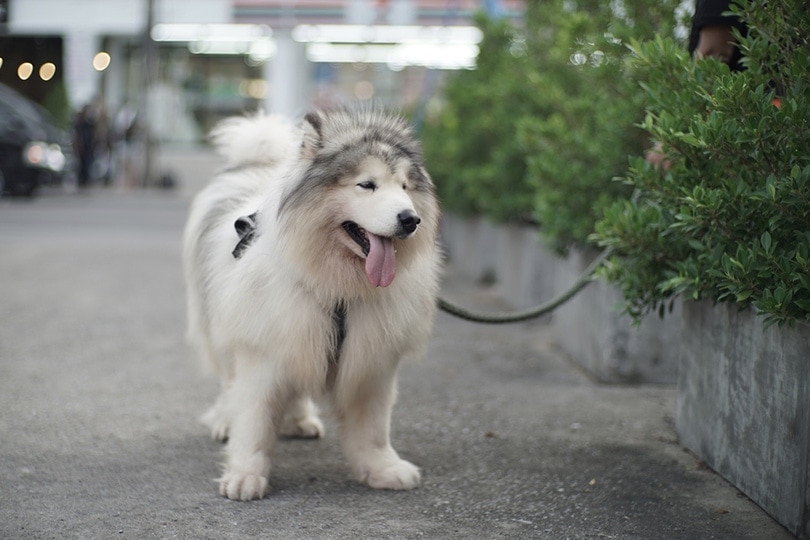
Ideal Diet for Maintaining a Healthy Weight
The amount of nourishment an Alaskan Malamute receives has a significant impact on their growth and size. To ensure the dogs grow and retain a healthy size, adequate nutrition is crucial. To ensure that an Alaskan Malamute receives the nourishment they require, feeding them the right proportions of high-quality, well-balanced dog food is crucial.
Their food should also be breed and life-stage-appropriate so that they receive the correct nutrients and caloric intake. Based on your Alaskan Malamute's age, weight, and activity level, speak with your veterinarian to establish the right amount of food and their nutritional requirements.
Remember that an Alaskan Malamute's size and health could be impacted by either overfeeding or underfeeding. While underfeeding can result in stunted growth and nutrient deficits, obesity can cause several health problems.
How to Measure Your Alaskan Malamute
Measuring your Malamute while they’re standing upright will give you the most accurate result. You can entice your Malamute to stand and be still with a treat or two; a harness and leash may also be helpful. Use a measuring tape to measure the base of the tail to the withers and their shoulder height from the ground to the highest part of the shoulder blade.
Because Alaskan Malamutes are so large, it's best to have them weighed at the veterinary office. You could also use a luggage scale if you are close to a bus stop or airport. If you need to weigh your Malamute at home, you can place a platform on a standard scale. First, weigh the platform and record the weight. Then, record the weight of your dog with the platform and deduct the weight of the platform to determine your dog’s weight.
Conclusion
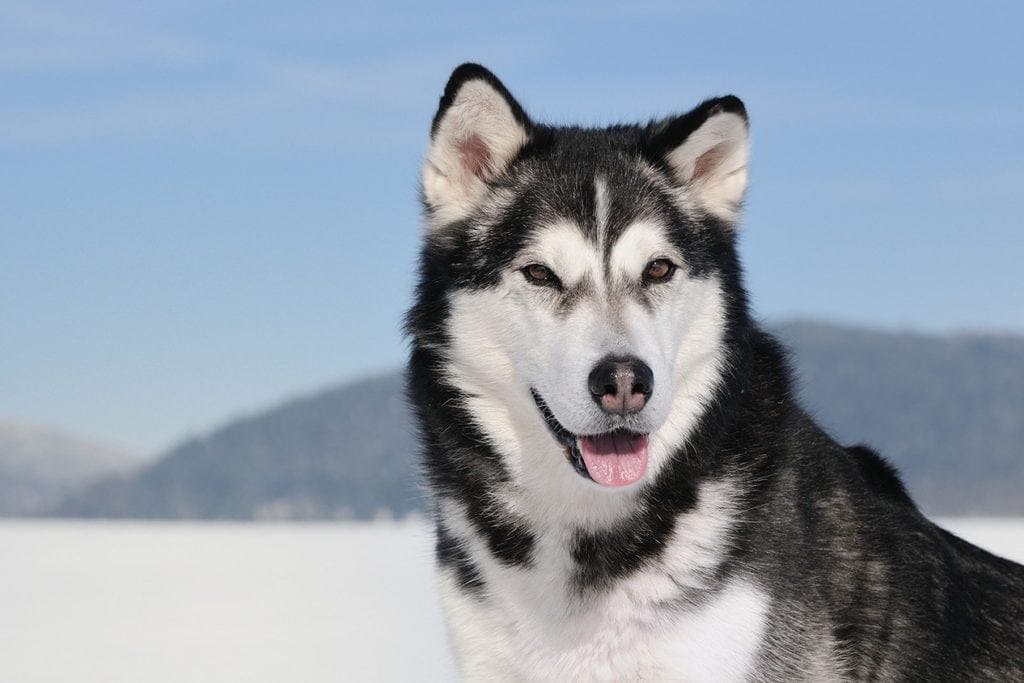
The average size of an adult Alaskan Malamute is 23–25 inches tall and weighs 75–85 pounds. However, each one is unique, so their size can vary. An Alaskan Malamute may be smaller for a variety of reasons, including age, genetics, underfeeding, health issues, and gender, but when determining the size of your Alaskan Malamute, these factors should be taken into account. Maintaining a healthy diet, engaging in regular exercise, and keeping track of their development are essential to ensure their optimum growth.
Sources
Featured Image Credit: Malachi Jacobs, Shutterstock
Get Hepper In Your Inbox


Pet care tips from our vets and experts, straight to your inbox.
You may opt-out at any time. View our Privacy Policy for more information.

Nicole is a lover of animals of all sizes but is especially fascinated with the feline variety. She’s the proud mom of Baby, a Burmese, and works every day so he can relax in the sunshine or by the fire. She’s always had a cat in her home and has spent countless days with others, observing behaviors and softening up even the grouchiest of the lot. Nicole wants to share her kitty expertise with you so you and your cat can live happy, healthy, and care-free.
Join the conversation
Ask a question, share your story, or send private feedback.