Hepper is reader-supported. When you buy via links on our site, we may earn an affiliate commission at no cost to you. Learn more.
Wired vs Wireless Electric Dog Fence: Differences Explained
In this article
One of your top priorities is ensuring the safety and security of your dog when they’re out in the backyard. A dog fence is an essential investment for every pet owner, whether you live in a suburban area or a rural community. With so many options available on the market, choosing the right fence can be a daunting task. Wired and wireless dog fences are two of the most popular types of containment systems, each with its own set of benefits and limitations. So, let's take a look at both to see how they compare.

Visual Difference
At A Glance
Overview of Wired Electric Dog Fence
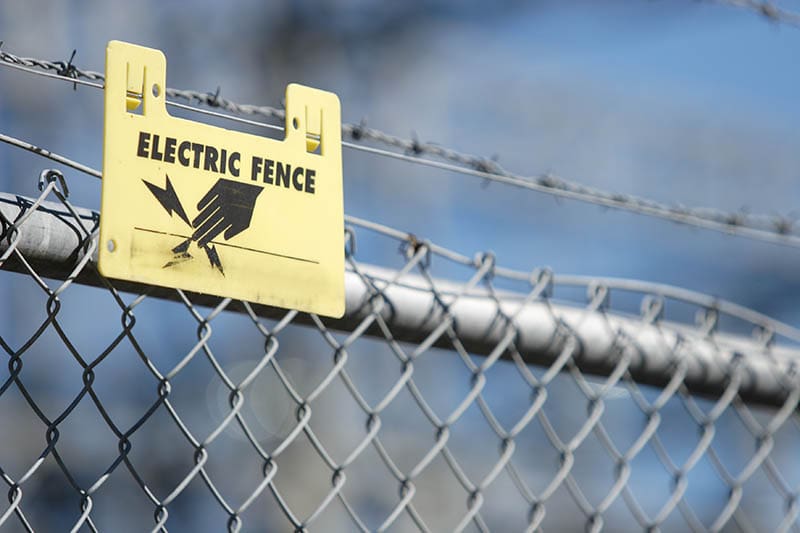
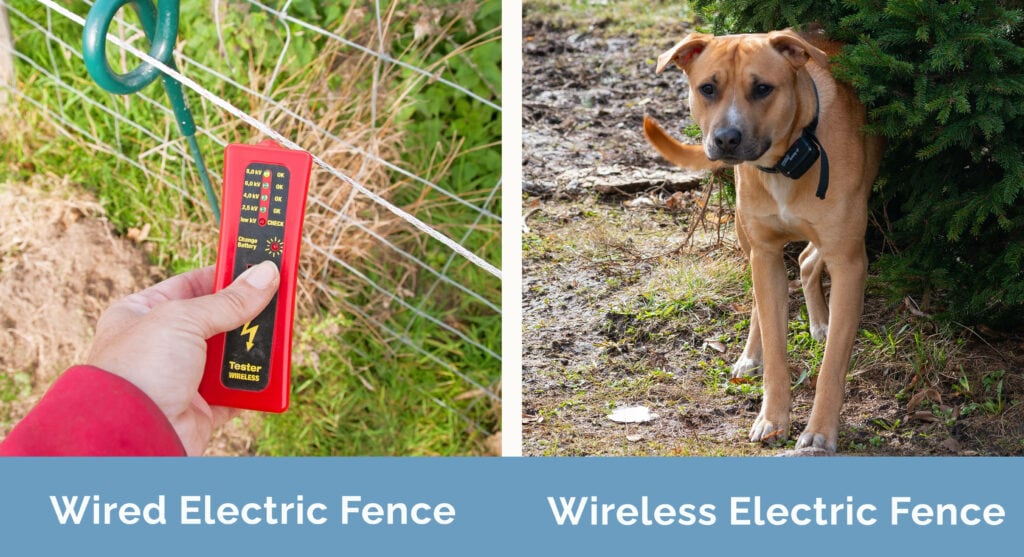
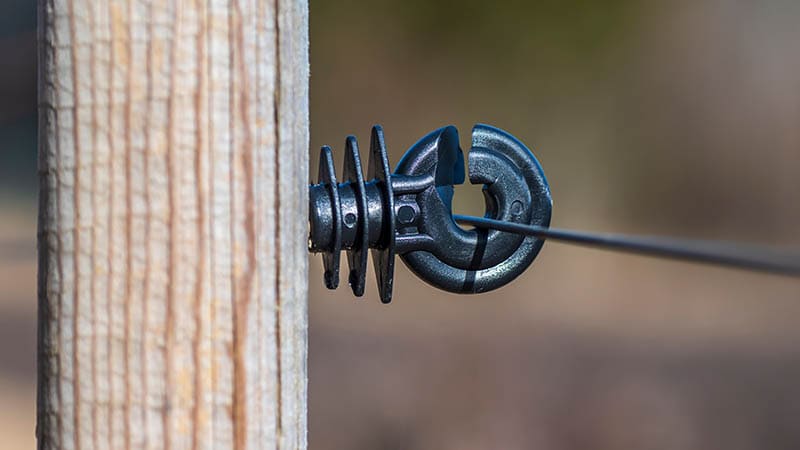
Wired dog fences are the traditional type of containment system, and they have been around for decades. These fences are installed by burying a wire or installing the fence above ground around the perimeter of your property, creating an invisible boundary for your dog. When your dog approaches the boundary, the collar emits a warning beep, followed by a mild static correction if he continues to move closer.
Costs
One of the major benefits of these types of fences is their cost-effectiveness compared to traditional physical fences. While the initial installation cost may be higher, these fences generally require less maintenance over time and can save pet owners money in the long run. Additionally, electric fences are often more aesthetically pleasing than traditional fences, as they don't obstruct views or create weird barriers in outdoor spaces.
Effectiveness
Effectiveness is a key consideration when choosing a wired electric dog fence. While they're definitely effective, it’s important to note that the effectiveness of an electric fence can really depend on various factors, such as the size and temperament of the dog, the strength of the fence's transmitter, and the layout of the property. So, owners should carefully consider these factors before investing in a wired electric fence and should also be prepared to provide additional training and reinforcement to ensure their pet's safety.
Maintenance
Let's discuss the maintenance of these fences. While they generally require less maintenance than traditional physical fences, they do require some upkeep to ensure their effectiveness and longevity. This may include periodically checking things like the fence's wires and transmitter for damage, replacing batteries or other components as needed, and testing the fence's functionality on a regular basis.
Overall Coverage
Coverage area is another important factor to consider when choosing a wired electric dog fence. These fences can typically cover a large area, which makes them ideal for pet owners with large properties or expansive outdoor spaces. But it's important to ensure that the fence's coverage area is adequate for the size of the property and the needs of the pet.
Installation
Installation typically involves burying wires around the perimeter of the property and installing a transmitter within the home. While installation can be a rather time-consuming and labor-intensive process, many pet owners find that it's well worth the effort for the peace of mind that comes with knowing their pet is safely contained in their yard.
Pros
- Wired dog fences are customizable, meaning you can create any shape or size of containment area that suits your property.
- They're relatively affordable compared to other types of dog fences, such as wooden or aluminum fences.
- Wired dog fences are invisible, so they won't spoil the view of your property or interfere with your landscaping.
- They're easy to maintain, requiring only occasional checks to ensure that the wires are in good condition.
Cons
- Wired dog fences require some digging and burying of wires (and stability posts), which can be a time-consuming and labor-intensive process.
- They're not portable, meaning you can't take them with you if you move to a new location.
- Wired dog fences may not be suitable for dogs that are extremely stubborn or aggressive, as they may be willing to tolerate the static correction and escape the boundary.
- They're not foolproof, as some dogs may be able to run through the boundary if they're highly motivated to do so.

Overview of Wireless Electric Dog Fence

Wireless dog fences are a relatively newer type (they hit the market around 1973) of containment systems that use radio frequency to create a boundary for dogs. You can’t see these fences and they don’t require any extensive installation at all. So, instead of burying stability posts and wires, you simply plug in the transmitter and adjust the boundary size to suit your property. The collar worn by your dog emits a warning beep and a static correction if he/she tries to cross the boundary.
Costs
The cost of installation can vary depending on several factors. Generally, the cost of a wireless electric dog fence can range from $200 to over $1,500, depending on the size of the property, the number of dogs using it, and the features of the system. The initial cost of the system includes the transmitter, receiver collars, and other accessories needed for installation. And some systems also require professional installation, which can add to the overall cost.
Effectiveness
When it comes to effectiveness, wireless electric dog fences can be quite effective, but it largely depends on the individual dog and their temperament. For example, some dogs may be more easily trained to stay within the boundary than others. Additionally, these fences may not really be suitable for all breeds of dogs, especially those prone to aggressive behavior or that have a high prey drive. The current may not be strong enough to keep these dogs from simply running past the invisible barrier.
Maintenance
Maintenance of a wireless electric dog fence is generally minimal to none. The system typically consists of a transmitter and a receiver collar worn by the dog. But the transmitter needs to be plugged into an electrical outlet, and the batteries in the collar need to be replaced periodically or it will need to be recharged. If the collar dies, the fencing system will not be effective. The system may also require occasional adjustments, such as changing the boundary range or signal strength.

Coverage Area
The coverage area of this fence can vary depending on the model and manufacturer. Some systems can cover up to 1 acre, while others may only cover a fraction of that. Before purchasing a system though, it's important to consider the size of your property and whether the coverage area will be sufficient for your needs.
Installation
Installation of a wireless electric dog fence is relatively simple and can typically be done by the homeowner without any special tools or skills. The transmitter is usually placed in a central location inside the home, and the boundary is defined by placing flags around the perimeter. The receiver collar is then fitted onto your pup, and training is then needed to teach the dog to recognize the boundary and avoid crossing it.
Portability
Portability is a good advantage of wireless electric dog fences. Unlike traditional electric wired fences, which are permanent structures, these fences can be easily packed up and taken with you when you move to a new home, go on a camping trip, or visit a friend or family member’s home. They're also great for traveling with your dog and allow you to create a safe area for your pet in unfamiliar locations.
Pros
- Wireless dog fences are easy to set up and require no digging or burying of wires.
- Wireless dog fences are suitable for all types of dogs, including stubborn and aggressive breeds.
- They're portable and can be taken with you if you move to a new location.
- They're very effective in containing your dog within the boundary, with a success rate of over 90%.
Cons
- Wireless dog fences aren't always customizable, so you may not be able to create any shape or size of containment area that suits your property.
- They're significantly more expensive than wired dog fences, making them less accessible for pet owners on a tight budget.
- They aren't really suitable for properties with uneven terrain or metal structures, as these can interfere with the radio signal.
- They require more maintenance than wired dog fences, as the collar batteries and transmitter need to be checked regularly.
- They can run into issues during periods of heavy rain or snow.

Factors to Consider When Choosing a Dog Fence
When choosing a dog fence, there are several factors to consider, including:
Size and Breed of Your Dog
The size and breed of your dog will determine the type of fence you need. Some breeds may require a stronger static correction than others, while larger dogs may need a wider boundary.
Location
Consider the location of your property, as this will affect the type of fence you need. If you live in an area with metal structures or uneven terrain, a wired dog fence may not be suitable.
Your Budget
Your budget will also play a role in the type of fence you choose. Wired dog fences are generally more affordable than wireless dog fences, although the cost can vary depending on the size of the containment area and the complexity of the installation.
Your Training Ability
Training your dog to use the fence is essential for its effectiveness. So, if you’re not confident in your ability to train your dog, a wired dog fence may be a better option, as they require less training than wireless dog fences.

Conclusion
A wired fence can provide a more stable and reliable signal than a wireless fence, making it more suitable for larger properties or areas with uneven terrain. On the other hand, a wireless electric dog fence won't require any physical wires or fencing to be installed. And it can be easier to install and adjust, making it a good option for smaller yards or rental properties. However, it can run into issues during bad weather or on uneven terrains, such as hilly areas. But this option is also portable.
Ultimately, the decision between a wired or wireless electric dog fence really comes down to your personal preferences and the needs of your dog. Consider the size and shape of your property, as well as any potential obstacles or interference that could affect the signal.
Featured Image Credit: (L) Margarita Young, Shutterstock | (R) MVolodomyr, Shutterstock
Get Hepper In Your Inbox


Pet care tips from our vets and experts, straight to your inbox.
You may opt-out at any time. View our Privacy Policy for more information.

Nicole is a lover of animals of all sizes but is especially fascinated with the feline variety. She’s the proud mom of Baby, a Burmese, and works every day so he can relax in the sunshine or by the fire. She’s always had a cat in her home and has spent countless days with others, observing behaviors and softening up even the grouchiest of the lot. Nicole wants to share her kitty expertise with you so you and your cat can live happy, healthy, and care-free.
Join the conversation
Ask a question, share your story, or send private feedback.