Hepper is reader-supported. When you buy via links on our site, we may earn an affiliate commission at no cost to you. Learn more.
6 Best Kitten Foods in Australia — 2026 Reviews & Top Picks
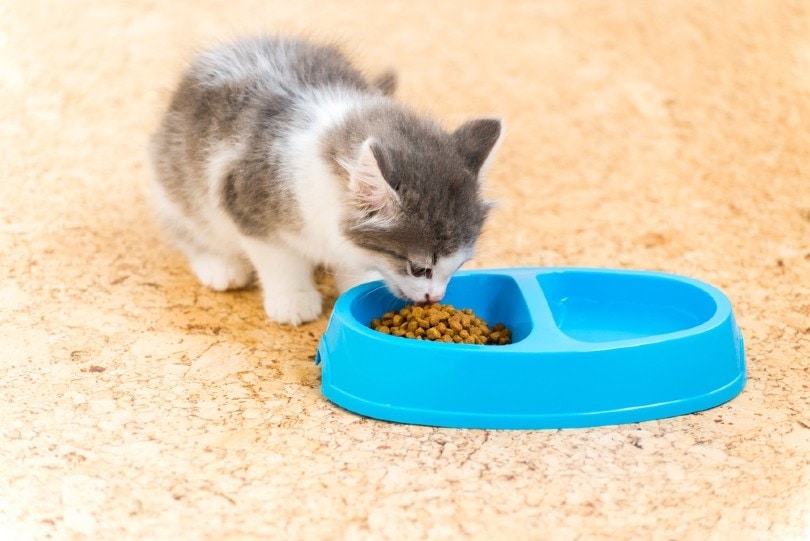
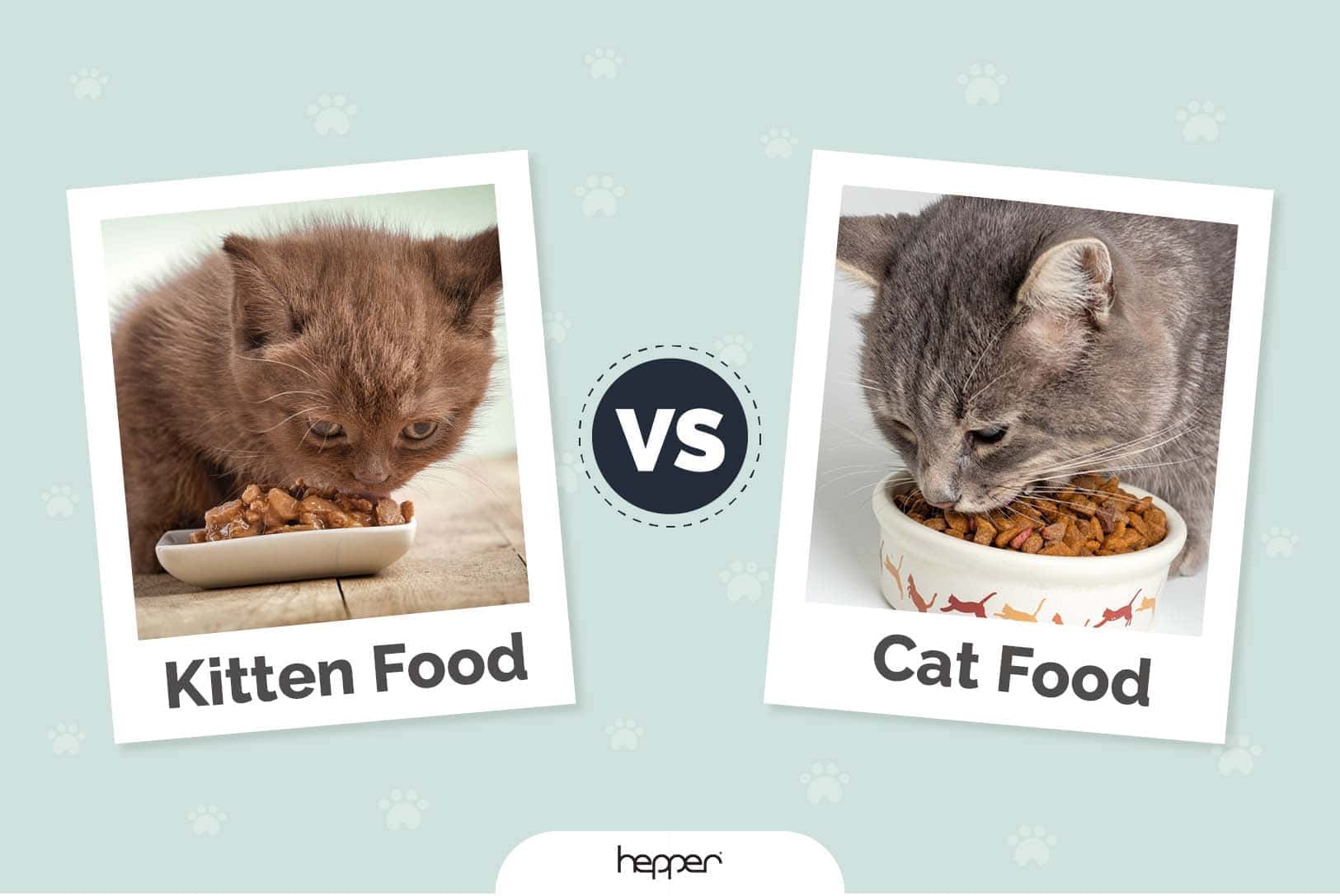
Your kitten is growing bigger every day, and they need the proper food to fuel that growth. Kitten foods are ideal for nursing mothers and growing kittens because they are packed with more calories and protein than adult cat foods. This special balance of food will help kittens stay healthy and happy through every growth spurt.
Not all kitten foods are made equal—these reviews list the pros and cons of seven of our favorite options available in Australia this year.

A Quick Comparison of Our Favorites in 2026
| Rating | Image | Product | Details | |
|---|---|---|---|---|
Best Overall
 |
|
Vetalogica Biologically Appropriate |
|
Check Price |
Best Value
 |
|
Advance Kitten Growth Cat Food |
|
Check Price |
Premium Choice
 |
|
Royal Canin Premium Kitten Food |
|
Check Price |
|
Hill’s Science Diet Kitten Dry Food |
|
Check Price | |
|
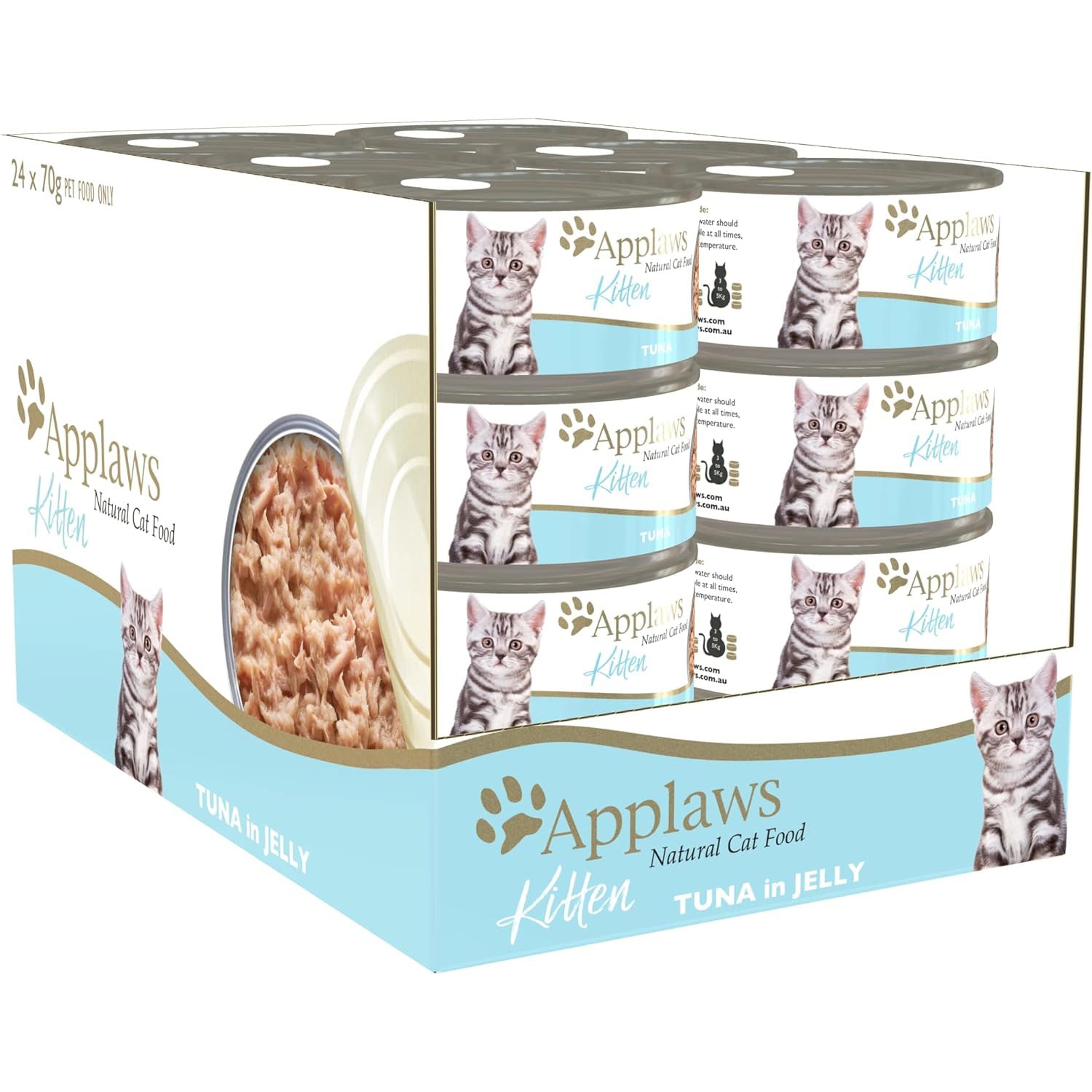
Applaws Tuna Natural Wet Kitten Food |
|
Check Price |
The 6 Best Kitten Foods in Australia
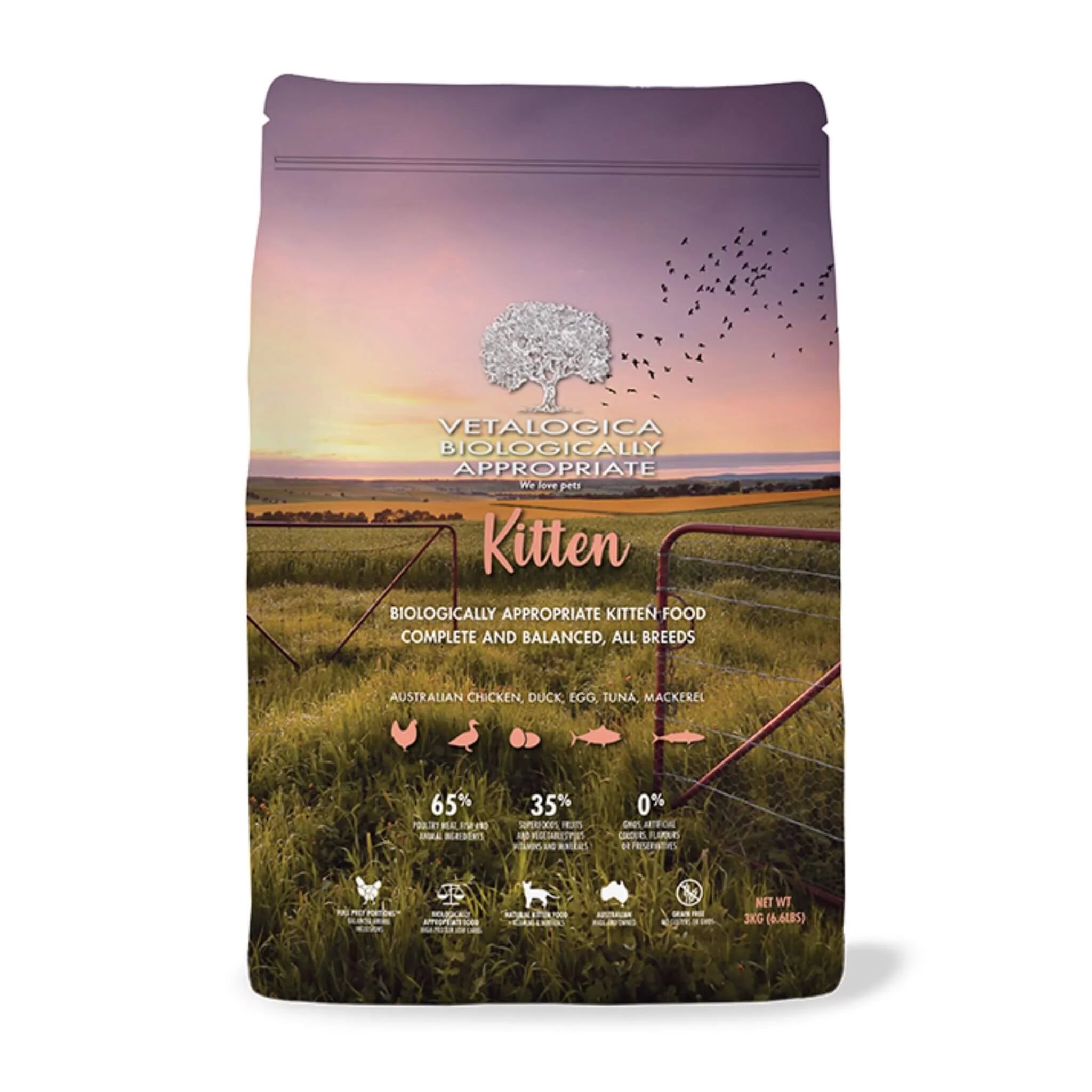
1. Vetalogica Biologically Appropriate Kitten Food – Best Overall
| First five ingredients: | Chicken meal, duck meal, tuna meal, mackerel meal, sweet potatoes |
| Food Type: | Dry |
Natural ingredients and a variety of meat sources are a great place to start your kitten’s dry food journey. We found Vetalogica Biologically Appropriate Kitten Food to be the best overall kitten food because of its high-quality ingredients and open-sourcing methods. This meat comes from four protein sources (chicken, duck, tuna, and mackerel) that give your kitten a varied diet and exposure to many different meat types. DHA found in fish ingredients is an important part of a growing kitten’s diet. This food is made of 65% meat and 35% vegetable products, with both meat and vegetable products being locally sourced in Australia.
This food is a grain-free meal—although most research suggests grain-free diets don’t offer any special benefits, grain-free diets are believed to be safe for cats. However, this food does contain legume ingredients such as lentils. Recent research has suggested that legumes might be linked to slightly elevated heart risk in dogs and cats, but results are not yet conclusive.
Pros
- Four meat sources for varied nutrition
- 65% animal product
- Australian product with locally sourced ingredients
- Blend of animal products and high-nutrition vegetables
Cons
- Some kittens prefer wet food
- Contains lentil ingredients
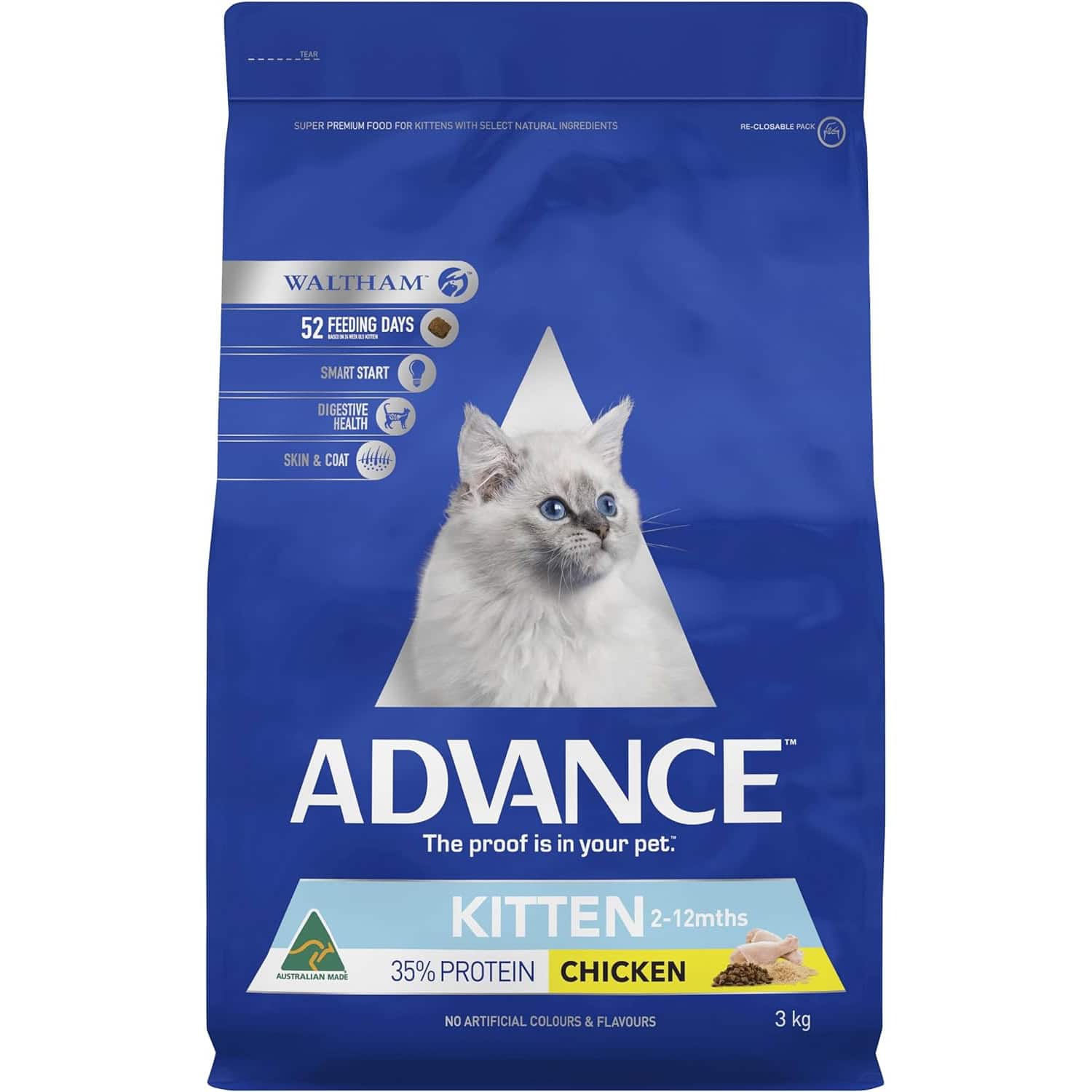
2. Advance Kitten Growth Chicken Cat Food – Best Value
| First five ingredients: | Chicken, maize gluten, rice, maize, chicken fat |
| Food Type: | Dry |
Advance Kitten Growth Chicken Cat Food gives you the best bang for your buck with this reasonably priced premium dry food. Although this isn’t the cheapest kitten food available when compared to others of a similar quality, its value shows. Made by an Australian company, this food has an impressive range of vitamins that give your kitten a good nutritional base. This includes choline and DHA-containing tuna, which both help your kitten’s brain to develop properly, as well as antioxidants, B vitamins, and many other nutrients.
Chicken is a more common allergen in cats, so some cats would be best served with a different food with a different protein source, while others would do better on wet food, but this is a great choice for many growing kittens.
Pros
- Great value for the price
- Full of vitamins including DHA, choline, and antioxidants
- Australian made
Cons
- Some kittens may prefer wet food
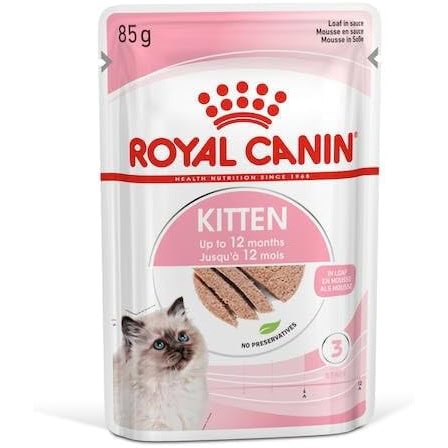
3. Royal Canin Premium Kitten Food – Premium Choice
| First five ingredients: | Meat and animal derivatives, cereals, vegetable protein extracts, derivatives of vegetable origin, minerals |
| Food Type: | Wet (loaf) |
Royal Canin Premium Kitten Food is a high-quality, carefully balanced wet food that comes in an innovative loaf style. This makes it an ideal premium option for picky kittens. The wet loaf is ideal for kittens who struggle with dry food because the texture and smell mimic real meat while also being easy to chew and digest, even while teething. In addition, the ingredients are curated to be easily digestible, making it perfect for developing digestive systems. This food is also full of vitamins and minerals, including probiotics and antioxidants that support your kitten.
However, one big drawback to this food is the non-specific ingredient list. Ingredients like “meat derivatives” and “cereals” are frustrating because they don’t give owners the information they need to decide if it’s the best choice for their kitten. They also are unhelpful for kittens with allergies and intolerances.
Pros
- Soft loaf texture for weaning kittens
- Easily digestible proteins
- Full of antioxidants
Cons
- More expensive option
- Non-specific ingredients
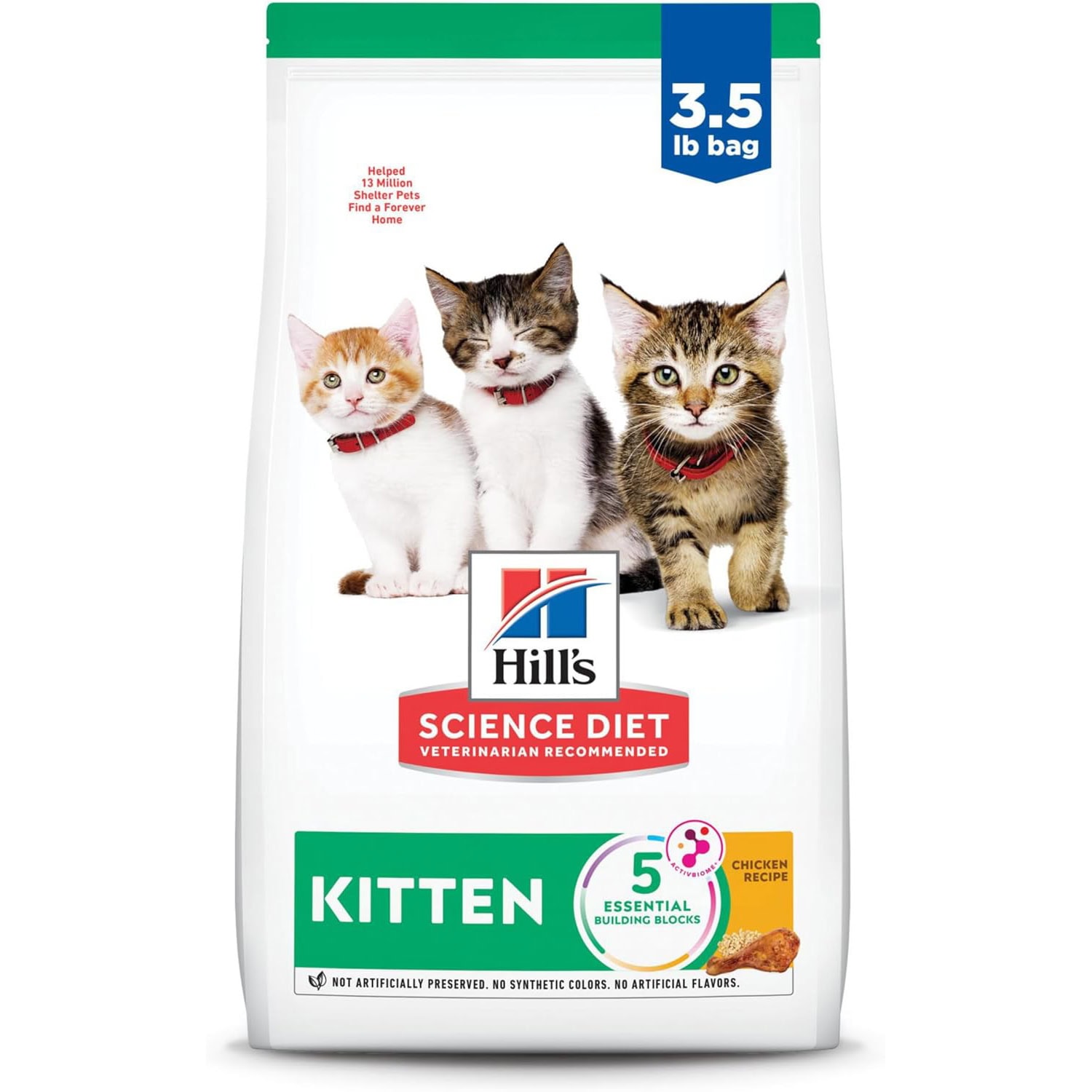
4. Hill’s Science Diet Kitten Dry Food
| First five ingredients: | Chicken, brown rice, wheat gluten, chicken fat, egg product |
| Food Type: | Dry |
As far as balanced meals go, Hill’s Science Diet has you covered. Their chicken-flavored dry kitten food is a great choice for kittens because of the expertise and quality ingredients that go into this cat food. Although this is a dry food, it keeps meat as the first ingredient with a chicken base. Healthy whole grains round out this meal, but where it really shines is the inclusion of so many natural vitamins and minerals that help your kitten develop strong bones, a healthy immune system, and a good coat and skin. DHA, an ingredient found in fish oil, promotes healthy brain and eye development.
The biggest drawback to this food is that it relies on egg protein to some extent instead of wholly sourcing proteins through meat.
Pros
- Science-backed approach to nutrition
- Packed with vitamins, minerals, and other nutrients
- DHA from fish oil promotes brain and eye development
Cons
- Some kittens may prefer wet foods
- Relies on some egg protein
5. Applaws Tuna Natural Wet Kitten Food
| First five ingredients: | Tuna, sunflower oil, vegetable gelling agent, vitamins & minerals, taurine |
| Food Type: | Wet canned food |
Applaws Tuna Natural Wet Kitten Food is the perfect choice for owners who want just the meat or kittens who need to be on limited-ingredient diets. Applaws Tuna food has only a handful of ingredients—tuna, sunflower oil, and a gelling agent—along with added vitamins and minerals. This is perfect for kittens with allergies to common protein sources like chicken or finicky stomachs in general.
The canned food is easy to eat because of its wet texture, making it perfect for teething kittens or slow weaners. However, if you aren’t a fan of tuna yourself, be warned, as it has a strong fishy smell that some reviewers found unappealing.
Pros
- Palatable wet texture
- Limited ingredient list
- Perfect for kittens with allergies
Cons
- Strong smell
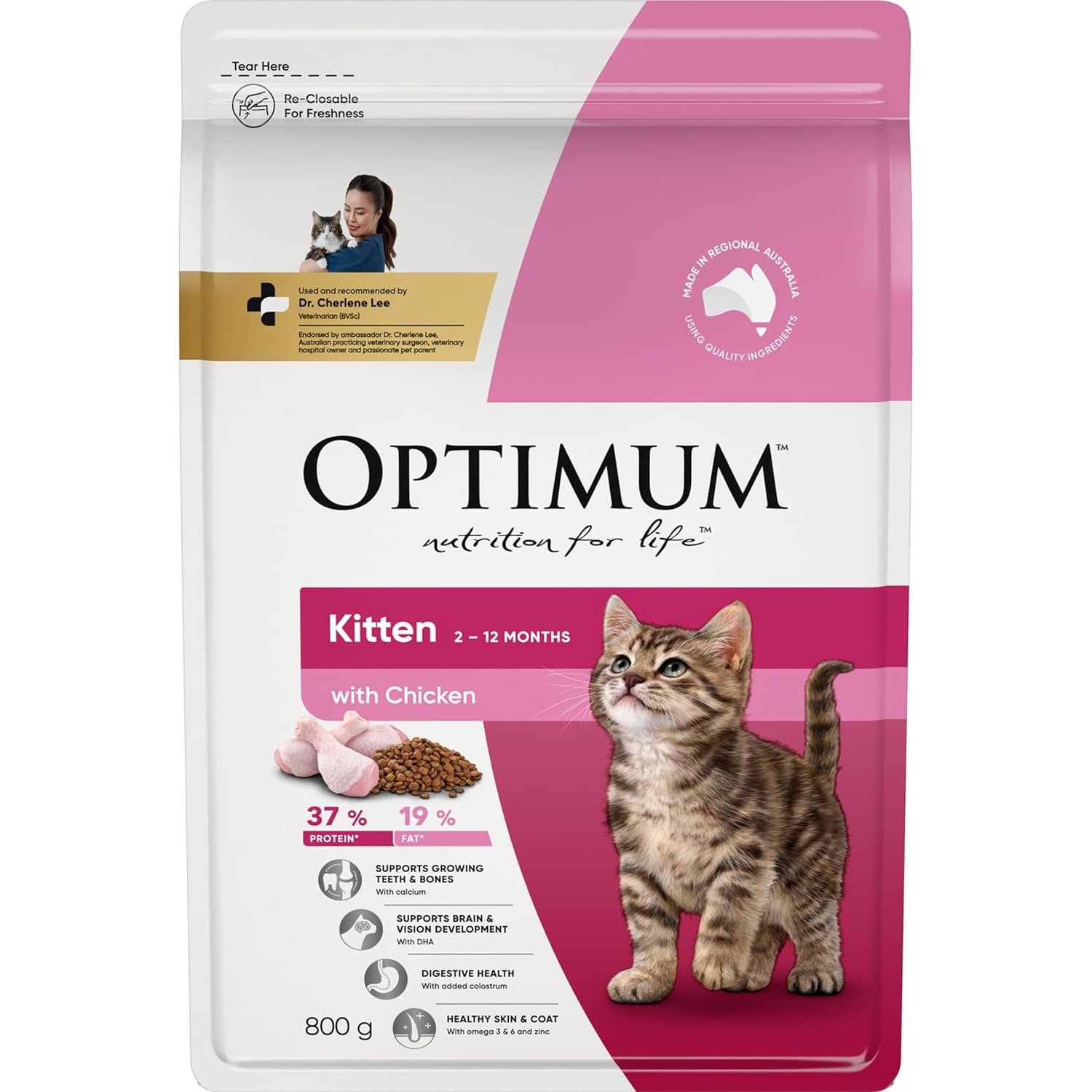
6. Optimum Kitten 2-12 Months with Chicken Dry Cat Food
| First five ingredients: | Poultry and poultry by-products, cereals, cereal protein, tuna meal, poultry digest |
| Food Type: | Dry |
Optimum Kitten Chicken Dry Cat Food is a great option for pet owners looking to protect their kitten’s heart and immune system. It is specially formulated to improve heart health via arginine, vitamin E, and taurine, along with a pH balance made to improve urinary tract health. In addition to these, it includes many other ingredients that will specifically support a growing kitten, especially colostrum, an ingredient that helps kittens develop their digestive and immune systems. This option is also on the lower end of the price spectrum for kitten food, making it ideal for tighter budgets.
The biggest drawback of this food is the lack of specific ingredients. Without specific proteins and cereals mentioned, it can be hard for owners to figure out whether this food is meeting their cat’s needs and work around allergies or other dietary restrictions.
Pros
- Includes colostrum to strengthen the digestive/immune system
- Australian-made
- Formulated for heart and urinary health
- Lower price
Cons
- Non-specific ingredients
Buyer’s Guide: Finding the Best Kitten Foods in Australia
Kitten vs Adult Food – What’s the Difference?
If you’re new to the cat-owning thing, the different life stage labels might confuse you. There are three main categories of food—kitten food, adult food, and “all life stages” food. You might also see kitten food sold as “for growth” and adult food sold as “for maintenance.”
Kittens have specific nutritional needs. They are growing very quickly, so they have a very fast metabolism compared to adult cats. On a macronutrient level, they need a higher amount of protein and fat than adult cats because they are growing so quickly. They need more calories overall, especially as they become bigger. Kittens also need to have some nutrients that aren’t as important in adult cats. They are still developing vital systems like their digestive system and becoming nutrient deficient can lead to lifelong problems. Kittens should eat specialized food until they are about 12 months old, or they stop growing.
On the other hand, adult cats don’t need the high protein, high-calorie diet because they aren’t growing larger. If an adult cat eats mostly kitten food, they are more likely to overeat and gain too much weight. Recently, some cat foods have started advertising themselves as suitable for all life stages. Most of the time, these are somewhere between adult and kitten food. They might be ideal for an older kitten or an especially active adult cat, but just as often they tend to be too much for adults and not enough for kittens.
Kitten Food Green Flags
When you’re deciding what brand of kitten food to pick, rest assured that quality control standards make most kitten foods suitable for a growing cat. However, if you’re looking for the best quality food, there are a few things that show that pet food might be standing a little higher than its peers.
One of the first signs of high-quality cat food is a specific ingredient list. Lower-quality cat foods often put non-specific terms like “meat products” on the list so that they can change the recipe according to price fluctuations. Although not all cat foods with general terms are low quality, it’s worth looking out for.
Look for a pet food brand that is vet-supported and spends time researching. For example, Hill’s Science is a US-based company that has been an industry leader in nutrition research. Pet foods with a research budget are more likely to be on the leading edge of bringing you what’s healthiest and happiest.
Another thing to watch out for is natural versus artificial ingredients. Most of the best pet foods avoid artificial colors or flavors, instead opting for natural ingredients. Although artificial colors aren’t necessarily harmful for your cat, they might be a sign of food with other shortcuts.
Conclusion
Kitten foods help your kitten stay strong during an important stage of growth, so it’s important to pick the best foods. We found Vetalogica Biologically Appropriate Kitten Food to be the best overall choice because of its excellent high-quality ingredients and variety of protein sources. A good value option is Advance Kitten Growth Chicken Cat Food, which delivers a high caliber of food for a relatively low price.
And if your kitten is struggling with standard dry or wet foods, Royal Canin Premium Kitten Food is a perfect premium choice. As you can see from these reviews, there’s no perfect food out there, but we hope that the comparison will help you find the food that’s best for your home.
Featured Image Credit: BestPhotoPlus, Shutterstock
Get Hepper In Your Inbox


Pet care tips from our vets and experts, straight to your inbox.
You may opt-out at any time. View our Privacy Policy for more information.

Chelsea Flake Mortensen is a writer with a passion for pets. She grew up around everything from cats to chameleons and loves working with all kinds of animals. Chelsea has a BA in English and Creative Writing from Brigham Young University.
Chelsea loves reading, writing, sewing, and board games. She's lived in half a dozen US states and two countries. She is currently living in New England with her husband. Her articles have been featured in various magazines and literary journals for children and adults. Her writing has been translated into over 40 languages.
Join the conversation
Ask a question, share your story, or send private feedback.