Hepper is reader-supported. When you buy via links on our site, we may earn an affiliate commission at no cost to you. Learn more.
How to Choose a Dog Food: Our Vet Explains


In this article
“How do I choose the best food for my pup?” and “What is the best food brand for my dog?” are two of the most popular questions that dog owners ask when it comes to the nutrition of their beloved four-legged friends.
Unfortunately, owners are presented with an overwhelming range of diets and brands, all claiming to be or make the best food on the market. As a result, finding a healthy, affordable, yet appealing dog diet for your pet is often difficult and frustrating.
When shopping for pet food, you should keep these aspects in mind: your dog’s age, breed, weight, and health status.
In this article are a few tips that will help you choose a superior food for your pup.

The 4 Vet Essential Tips on How to Choose a Dog Food
1. Product Name
Pet food has rules and regulations regarding the product’s name on the label, as it should reflect information about the named ingredient proportions in the food itself. For example, when you buy "Chicken Dog Food," the name tells you that the product contains chicken meat (and byproducts). This ingredient must also constitute at least 70% of the product by weight. If the product is called, "Beef Dinner," “Lamb Platter,” or "Entrée With Chicken Meat," it means that the package contains animal protein (beef, lamb, or chicken, in this case) in a proportion of 10%. Products named "Dog Food With X Meat" contain 3% of the specified meat, while products with the flavor of a certain type of meat (e.g., “Dog Food With Beef Flavor”) contain less than 3% of the named meat (to give the product its flavor).
In conclusion, if you are looking for a diet with a high percentage of animal protein, choose the foods labeled, "[X Type of Meat] Dog Food."

2. Ingredients List
The list of ingredients on the back of dog food packaging will only tell you what the respective food contains, not the quality of the ingredients. The ingredients are listed by weight in order of their proportion in the food. For example, if chicken is the first ingredient, the respective food is rich in chicken. However, whole meat contains a high percentage of water, which makes it more heavy, while meat meal is a concentrated and dehydrated product that weighs less. Neither considers the quality or digestibility of the protein content.
Moreover, certain manufacturers have resorted to ingredient splitting, which is turning one single ingredient into different products. For example, corn can be added to dog food in various forms (ground, flakes, or kibbled), and these can be put on the list as separate ingredients. This can mislead you and make you think that the respective food contains less corn than it does.
Checking the list of ingredients is important if you want to know what your dog will consume, especially if they have food allergies or you want to feed your four-legged friend certain proteins, carbs, or fibers.
If you are worried about what food your dog is eating, we suggest speaking to a vet online.
3. “Complete and Balanced”
What is a complete and balanced dog food? When dog food is labeled this way, it means it was designed to serve as your dog's only diet. In other words, you don't have to add anything else to your dog's meals because this food has the essential nutrients that your pet needs. "Complete and Balanced" is not written just to advertise. The Association of American Feed Control Officials (AAFCO) ensures that pet food meets certain requirements. AAFCO-approved diets must contain the minimum amount of essential nutrients for dogs (proteins, carbs, vitamins, minerals, fibers, water, etc.). However, keep in mind that there is a difference between minimal and optimal levels of nutrients, which is why certain dog foods are so expensive.
4. Wet or Dry Food
So, should you get wet or dry food? Which is better for your dog? The most important thing about dog food is not the form of the food, but rather the ingredient content. Any dog food, wet or dry, can provide your four-legged friend with all the important nutrients, vitamins, and minerals—provided that the ingredients are of high quality and the composition is appropriate. Both types of dog food have their advantages and disadvantages. So, it’s ultimately about your personal preferences and your pet's nutritional requirements.
That said, if your dog suffers from an oral problem or has just undergone a surgical intervention, for example, you will need to adapt to their requirements and give only wet food to your dog for a while.
The Benefits of Both
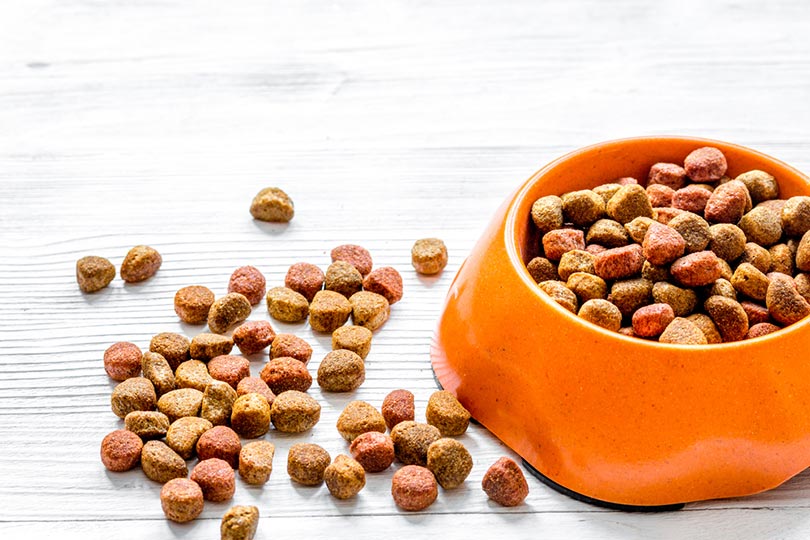
Dry food has a high-calorie content, and your dog should only need to consume small amounts to cover their daily caloric requirements. This type of food is also considered the most economical solution, unlike wet food.
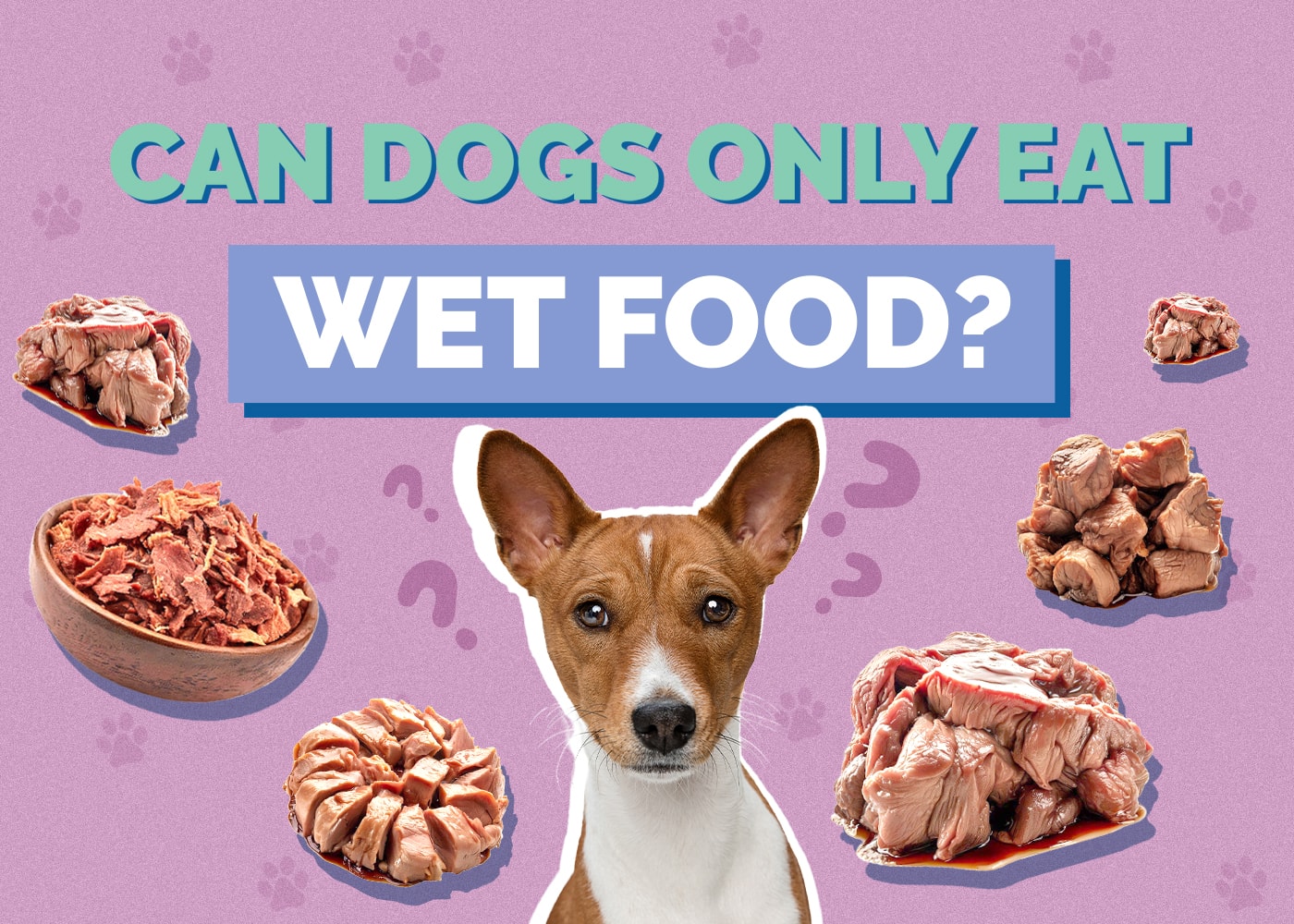
That said, wet food can have several advantages for your dog. Most dogs prefer it because it has a more appealing taste and smell. Also, it has a high water content, which has an additional benefit for your dog's health. This type of food could be a solution for some overweight dogs too, as they can eat more wet food without exceeding their caloric needs.
Semi-moist Dog Food?
Semi-moist dog food is a combined form of wet and dry food. It has a moisture content of 15–30% as opposed to >65% in wet food and <20% in dry food. The higher water content makes the kibble soft and juicy, which helps maintain its texture and taste.
Many dogs love semi-moist food. It can also be easily digested, and the texture of the kibble can help senior dogs with dental problems, as they can chew it without difficulties. That said, always check the quality of the ingredients.

Frequently Asked Questions
How Do I Know If My Puppy Food Is Good?
A good food for your puppy should contain meat, fat, vegetables, fruits, and grains. Also, all the ingredients must be of good quality and suitable for your puppy's digestive system. As a general guide, when looking for food for your dog, focus on those that contain at least 30% animal protein and 8–9% fat.
Does It Matter What Dog Food I Get?
Your dog's nutrition should be just as important as yours and your family members. A diet that has low concentrations of essential nutrients and low-quality ingredients can make your dog sick. Therefore, choosing the right diet for your pet can be one of the most important decisions that you make.
When choosing your dog's food, you must consider the following aspects: their breed (each breed has different nutritional requirements), age (each age also has different nutritional requirements), weight, health status (a sick dog will need to consume special veterinary diets), and the ingredients (high-quality ingredients do make a difference).

Conclusion
There is no one-size-fits-all answer to the perfect type of dog food. Every individual dog is unique and needs a suitable type of food. Age, weight, breed, activity level, and health status are individual factors that should be considered when looking for the right diet for your pup. It is recommended to feed your dog a complete and balanced diet, with ingredients and formulations that go beyond the minimal requirements. Excess grains, artificial flavors, preservatives, or sweeteners should have no place in your pet’s diet because they can make your dog sick in the long run.
Therefore, no matter what type of food you choose for your furry friend, take a good look at the label first.
Sources
Featured Image Credit: dogboxstudio, Shutterstock
Get Hepper In Your Inbox


Pet care tips from our vets and experts, straight to your inbox.
You may opt-out at any time. View our Privacy Policy for more information.
Iulia Mihai is a veterinarian with more than 13 years of experience in pet pathology, laboratory, and cancer. She studied at the University of Agronomical Sciences and Veterinary Medicine of Bucharest, Romania Iulia earned a master’s degree in equine and pet pathology and studied epithelial cancer for her Ph.D. Dr. Mihai's passions for internal medicine and parasitology inspired her to volunteer at the faculty’s clinic in her third year of college. She has worked in a couple of veterinary clinics over the years as an internal medicine specialist, and loves to write and educate pet parents about pet nutrition, behavior, and diseases.
Iulia is a passionate veterinarian with a strong affinity for veterinary parasitology, internal medicine, and laboratory. She is excited to share her experience and knowledge with pet owners around the world through her writing and hopes to educate people on pet nutrition, diseases, and behavior.
Education
Iulia graduated from the University of Agronomical Sciences and Veterinary Medicine, Bucharest, Romania, in 2012 and has a Master’s degree in Small Animals and Equines Pathology and is certified in HAACP food safety system implementation. Iulia started her Ph.D. in epithelial cancer in dogs and cats in 2013. Her research is published in national and international veterinary journals.
Experience
Dr. Iulia has been a veterinarian for more than 14 years. She is experienced in animal pathology and laboratory and has experience with exotic animals, such as pet rats and ferrets. She also has skills in the field of clinical pathology, laboratory, microscopy, cancer, and imaging.
Join the conversation
Ask a question, share your story, or send private feedback.