Hepper is reader-supported. When you buy via links on our site, we may earn an affiliate commission at no cost to you. Learn more.
5 Best Sands for Bearded Dragons - 2026 Reviews & Top Picks
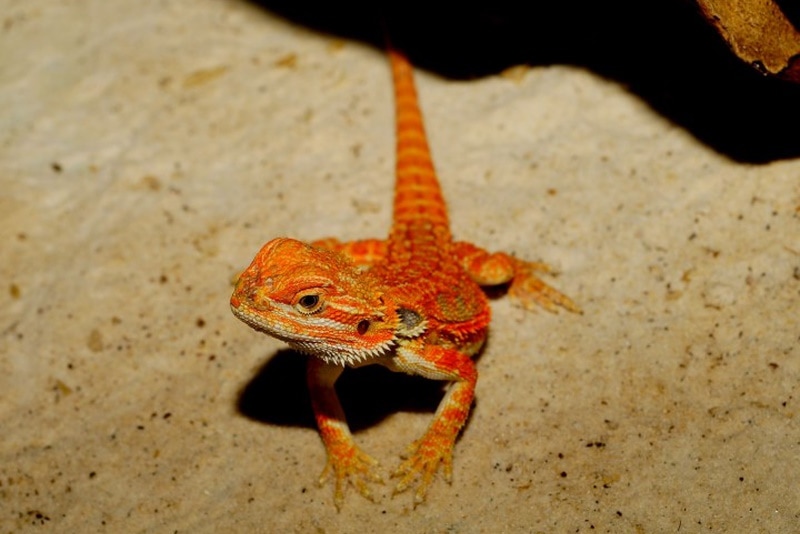
Sand is a hot topic in the world of bearded dragon keepers. You'll find people that use nothing but sand in their beardie's enclosures, while others swear that it is the worst substrate due to the risk of impaction if your pet were to ingest some.
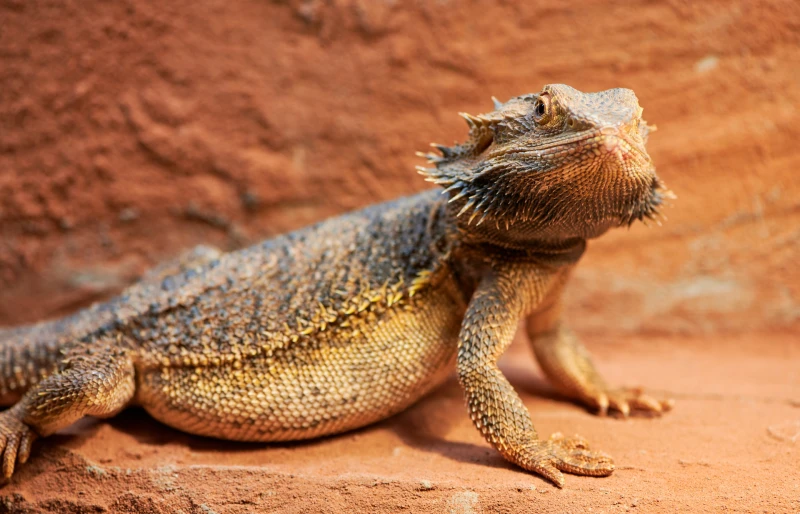
Truthfully, sand is all your bearded dragon's wild counterparts know and what they've evolved to live on. If you have the rest of your pet's husbandry down to a science (heating, lighting, UVB, etc.), sand should pose no impaction risk for your adult beardie.
Read on to find our reviews of the best sands for bearded dragons and to learn more about why sand is the optimal substrate choice for your reptile.
In this article

A Quick Comparison of Our Favorites in 2026
| Rating | Image | Product | Details | |
|---|---|---|---|---|
Best Overall
 |
|
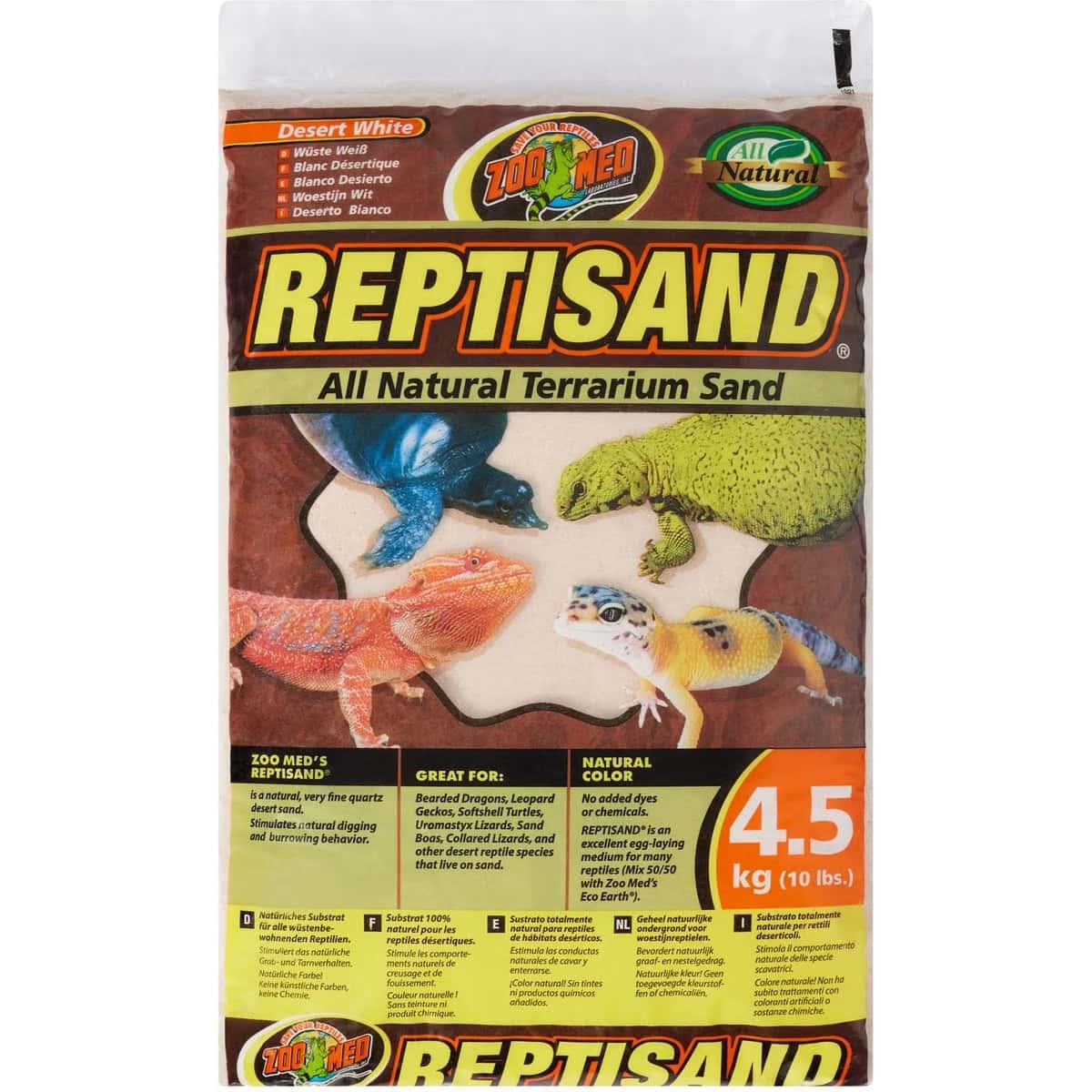
Zoo Med Reptisand Reptile Terrarium Sand |
|
Check Price |
Best Value
 |
|
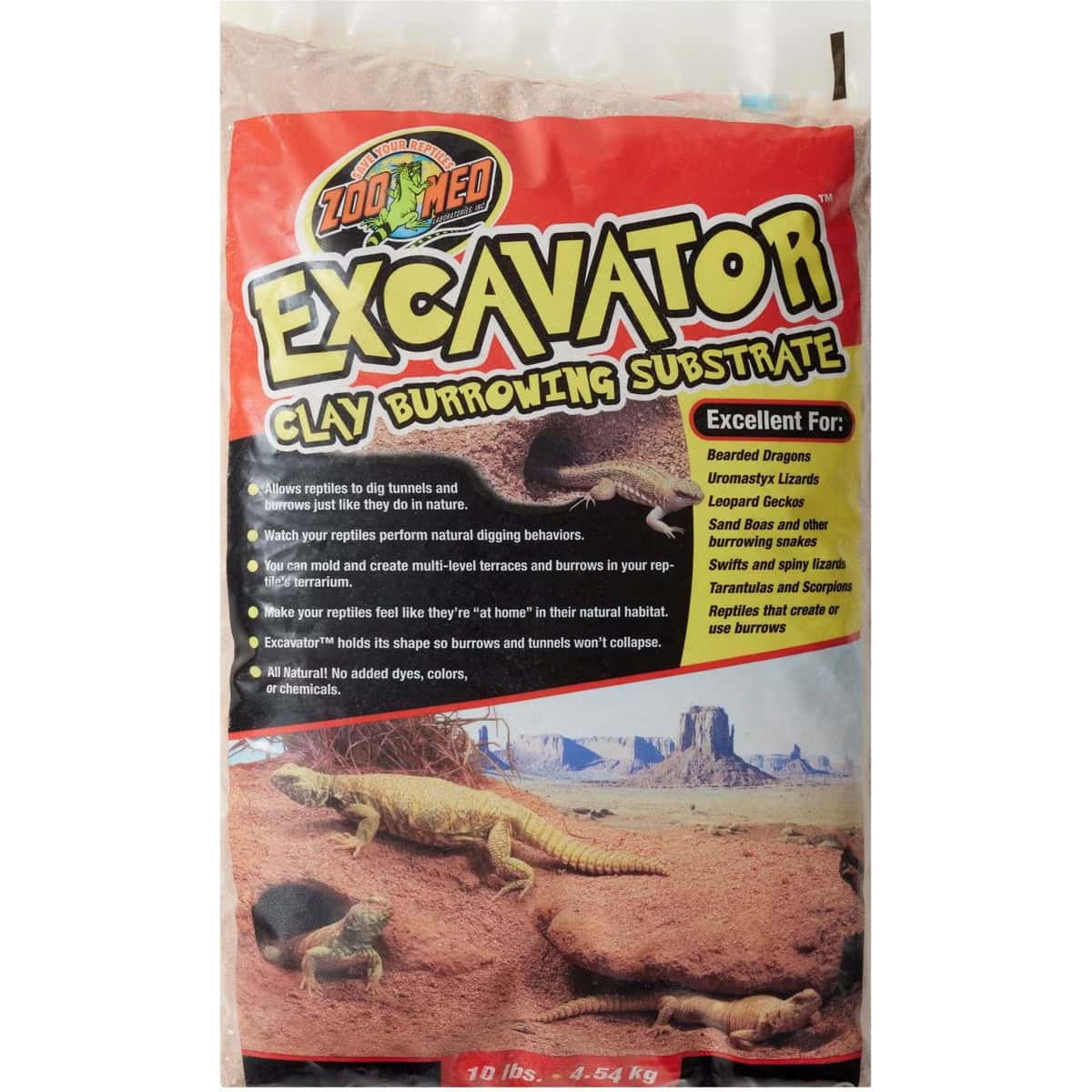
Zoo Med Excavator Clay Reptile Substrate |
|
Check Price |
Premium Choice
 |
|
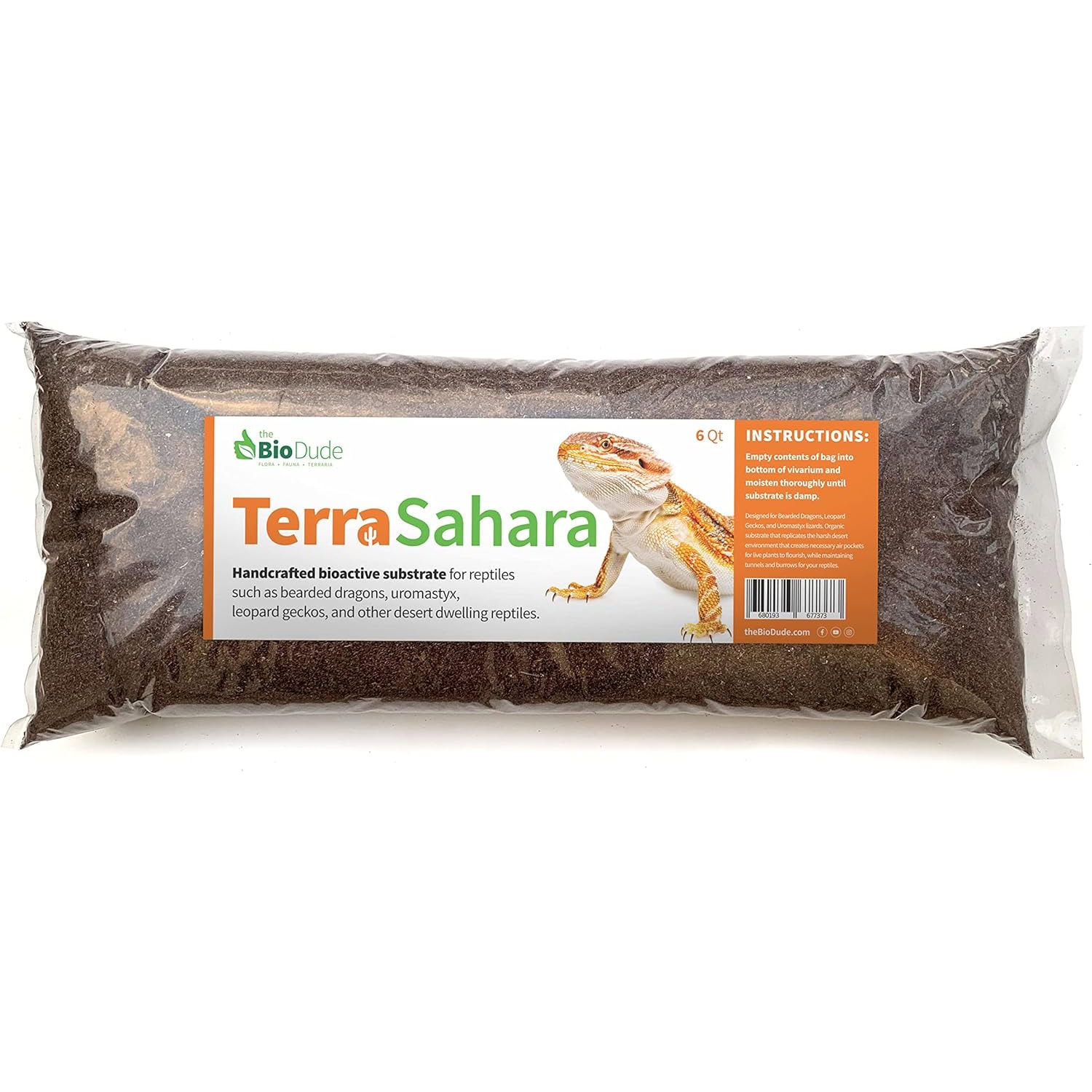
The Bio Dude Bioactive Reptile Substrate |
|
Check Price |
|
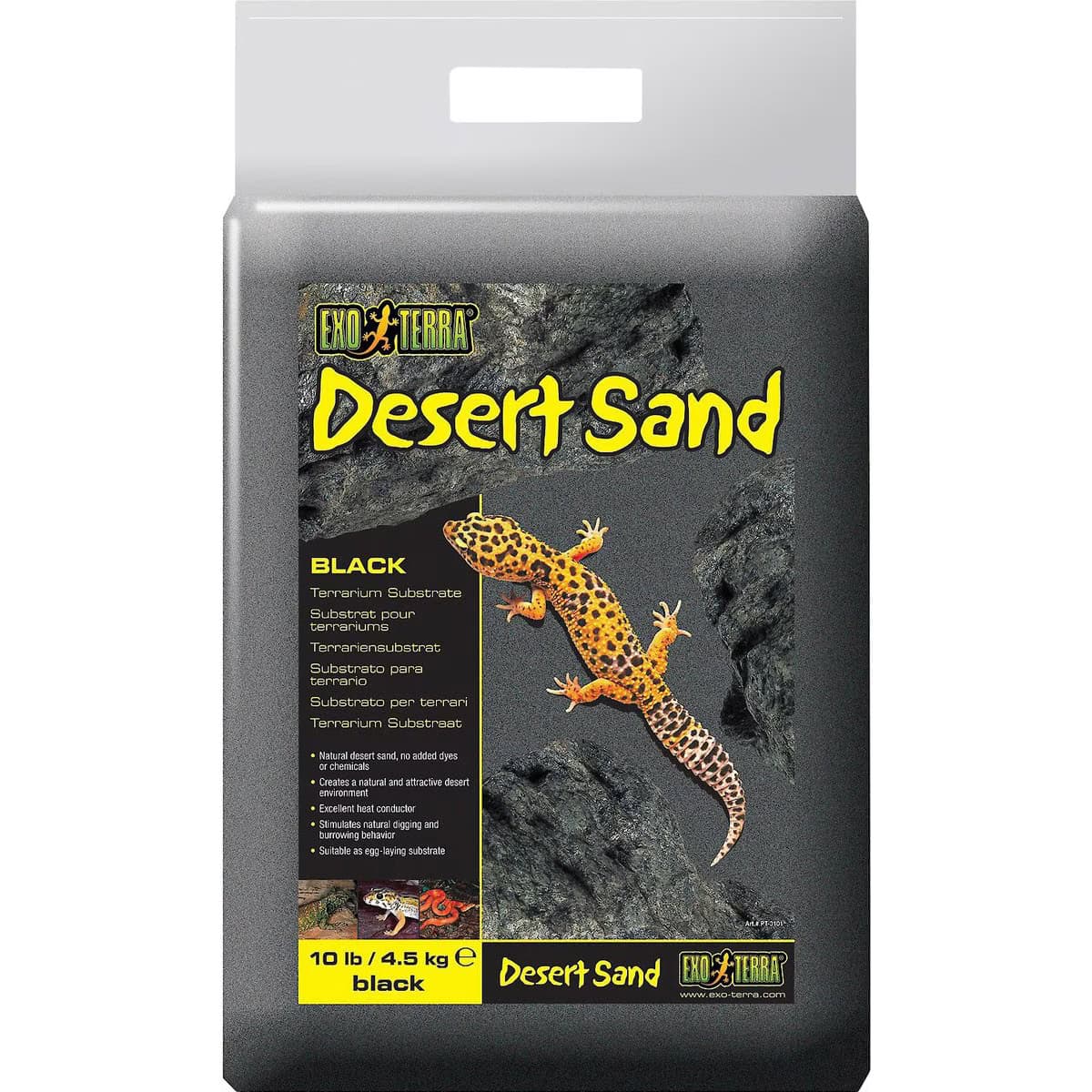
Exo Terra Desert Sand |
|
Check Price | |
|
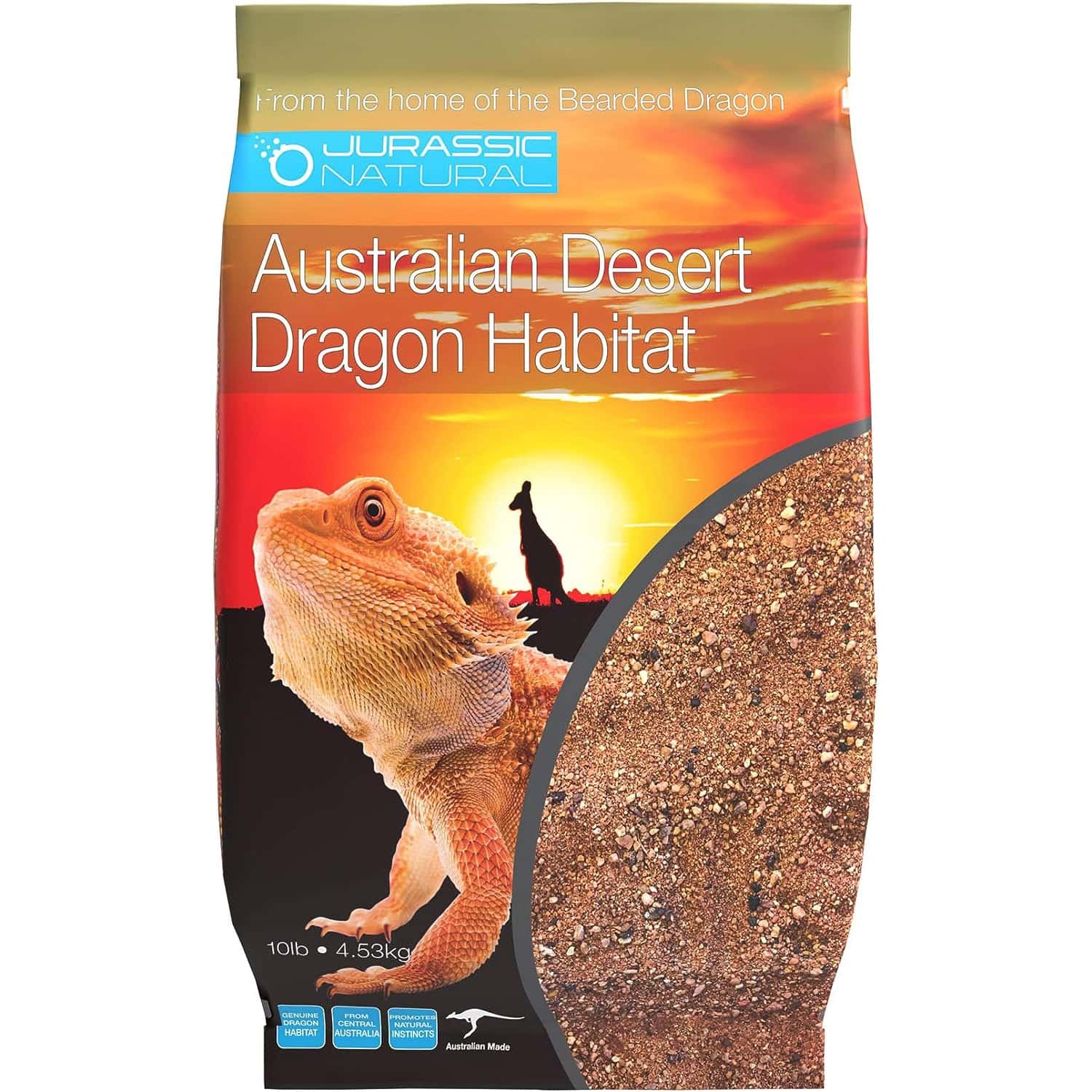
Jurassic Natural Dragon Habitat |
|
Check Price |
The 5 Best Sands for Bearded Dragons
1. Zoo Med Reptisand Reptile Terrarium Sand – Best Overall
| Weight: | 10 pounds |
| Substrate Type: | Sand |
| Sourced From: | United States |
The Zoo Med Reptisand Reptile Terrarium Sand is the best overall sand for bearded dragons because it stimulates natural behaviors like digging and burrowing. This sand is super soft and acts as a great heat conductor, so you don't need to worry about the heat escaping from your beardie's enclosure. In addition, it doesn't contain any dyes or chemicals and isn't dusty, so there's little chance of it irritating your pet's respiratory system.
The bag is a little fragile, which can make quite a mess in your home if it gets a small tear.
Pros
- Encourages natural behaviors
- Not dusty
- Super soft under foot
- Good heat conductor
- No dyes or chemicals
Cons
- Fragile bag
2. Zoo Med Excavator Clay Burrowing Reptile Substrate – Best Value
| Weight: | 10 pounds |
| Substrate Type: | Clay |
| Sourced From: | United States |
If you're looking for the best sand for bearded dragons for the money, look no further than the Zoo Med Excavator Clay Burrowing Reptile Substrate. This all-natural product technically isn't sand at all, but instead clay. It mimics your beardie's natural habitat and allows him to satisfy his natural urge to burrow and dig. You can construct the clay to shape mounds and tunnels for your beardie to explore. It holds its shape, so you don't need to worry about it collapsing. This product is made without any added dyes, colors, or chemicals.
The clay can be messy to work with and difficult to clean poop off of.
Pros
- Encourages burrowing and digging behaviors
- Can be shaped into mounds and tunnels
- Mimics the natural habitat
- Won't collapse
- Dye and chemical free
Cons
- Hard to work with
- Difficult to clean
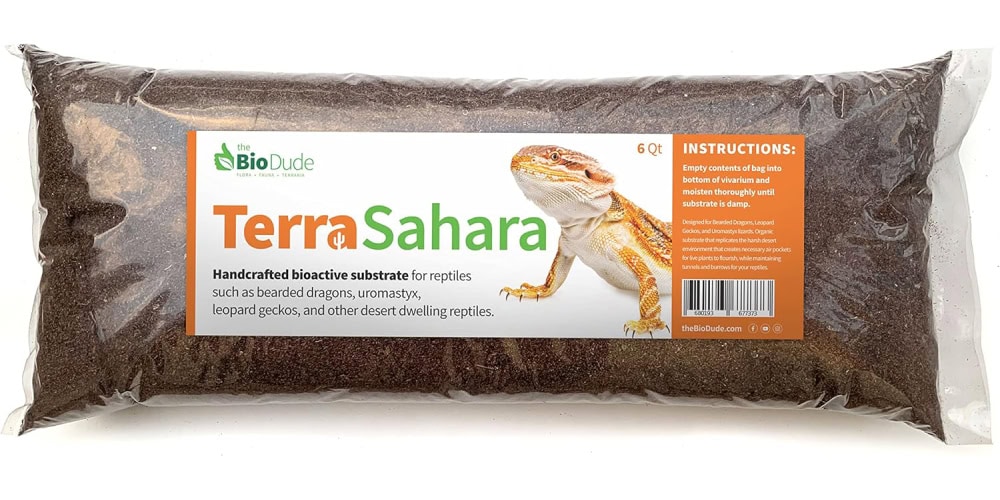
3. The Bio Dude Bioactive Reptile Substrate – Premium Choice
| Weight: | 36 quarts |
| Substrate Type: | xxx |
| Sourced From: | Not disclosed |
The Bio Dude Terra Sahara Bioactive Reptile Substrate is a great option for bearded dragon enclosures as it was designed to replicate their natural habitat. This substrate holds the optimal amount of water while allowing for evaporation to ensure bacteria cannot grow and the humidity doesn't get too high. It is a burrowable material that will hold all created tunnels and caves, encouraging your beardie to engage in his natural behaviors. If you have dreamed of having an enclosure where plants can grow, this is the substrate you should consider, as it is designed to support a balanced ecosystem.
This is our Premium Choice pick for bearded dragon sand, as it is quite pricey.
Pros
- Promotes natural behaviors
- Great for bioactive enclosures
- Humidity won't get too high
- Will hold tunnel and burrow shapes
Cons
- Expensive
4. Exo Terra Desert Sand
| Weight: | 10 pounds |
| Substrate Type: | Sand |
| Sourced From: | Not disclosed |
The Exo Terra Desert Sand is a natural sand made without dyes or chemicals. The sand has been pre-sifted to remove any irregularities, so each grain should be identical in size. This substrate promotes the digging and burrowing behaviors that bearded dragons often engage in in the wild. This sand is a perfect heat conductor to ensure your enclosure stays at optimal temperatures, and it can even be used as an egg-laying substrate for your pregnant beardie.
This sand can be dusty when pouring it, so we recommend removing your beardie whenever you refill his enclosure.
Pros
- Pre-sifted to remove irregularities
- Promotes natural behaviors
- No dyes or chemicals
- Good heat conductor
Cons
- Can be dusty
5. Jurassic Natural Australian Desert Dragon Habitat
| Weight: | 10 pounds |
| Substrate Type: | Sand |
| Sourced From: | Central Australia |
The Jurassic Natural Australian Desert Dragon Habitat is one of the best substrates for desert-dwelling reptiles as it is made from the sand they'd encounter in their real habitat. Ethically sourced from central Australia, this sand is low dust compared to other options on the market. You'll notice a variety of particle sizes, making the substrate nice and dense, perfect for burrowing. Additionally, this sand is a great heat conductor.
The bag can be a pain to open. There are perforations on the top that we assume are present to allow for easy opening, but they don't do their job well.
Pros
- Made of ethically sourced desert sand
- Low dust
- Great heat conductor
- Encourages natural behaviors
Cons
- Bag is hard to open
Buyer's Guide: How to Choose the Best Sand for Bearded Dragons
Isn't Sand Bad for Bearded Dragons?
You've likely stumbled across websites in your search for the best substrate for your beardie's enclosure that claim that sand is awful. "No loose substrate!" is a central tenet in some well-intentioned but misinformed reptile-keeping websites.
Loose substrate, like sand, isn't dangerous and doesn't cause impaction, as many of these websites claim. The authors of these blogs will try to sell you on using tile, paper towel, or reptile carpet in its place.
However, when did you last see any of those "substrates" in the desert? Tile, paper towels, and reptile carpets simply don't exist in nature. But you know what does? Sand!
Reptiles have survived for eons living in the wild on the sand and have certainly accidentally gotten a mouthful here and there as they try to catch bugs. Sand moves through their digestive system along with the rest of their food and waste and doesn't cause blockages or impaction.
One study looked at the diseases that impact captive bearded dragons and found that though most were kept on a loose substrate like sand, very few had impactions. In addition, most impaction cases occurred with beardies with underlying conditions like metabolic bone disease, which attributed to the impaction.
However, there are two caveats to consider.
First, owners using sand as a substrate in their beardie's enclosure must have perfect husbandry—lighting, heat, diet, and humidity; otherwise, health problems can occur. Impaction sometimes happens when reptiles eat their substrate to obtain vitamins or minerals. However, if your husbandry is on point, your beardie will not seek out nutrition from his substrate.
It is important to note here that it isn't only sand that can cause impaction if your husbandry is off. Impaction can occur after any material is eaten, including other so-called "safe" substrates (e.g., paper towels) or an insect exoskeleton.
Second, most sources recommend young lizards not be kept on loose substrate. Their small size means they have smaller digestive tracts, putting them at risk of impaction if sand is eaten in smaller quantities.
Why Sand Is Best
Sand is the best option for adult bearded dragons for several reasons.
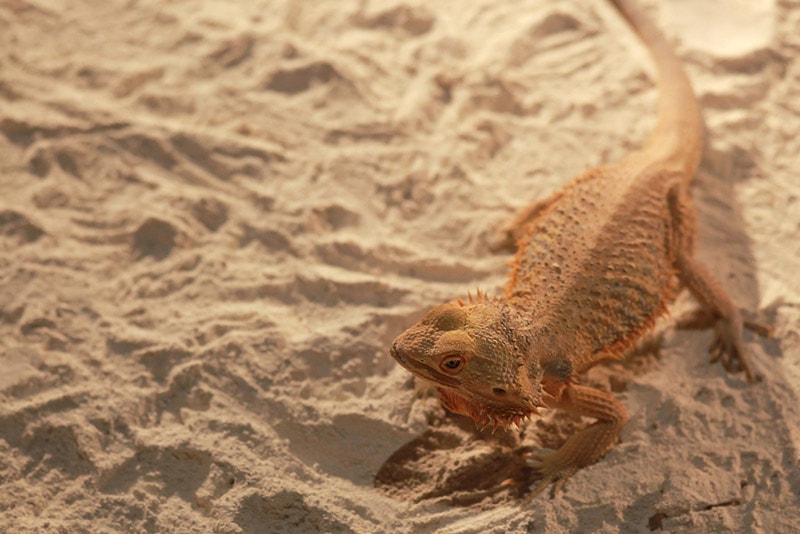
First, it mimics their natural habitat in Australia. Beardies are found throughout the Land Down Under, usually in arid or semi-arid environments. They often inhabit savannas, woodlands, scrublands, and deserts. Sand is often found in these environments, therefore making it the best material for replicating your pet's natural habitat.
Next, your bearded dragon has evolved to spend most of his life on a soft substrate. This includes walking on and interacting with it. The argument can be made that spending his years on a solid, hard surface like tile could potentially damage his joints.
Sand is burrowable, which allows your beardie to dig to his heart's content. Digging and burrowing are instinctual behaviors that provide mental and physical stimulation. Wild beardies will dig out tunnels and caves to hide and prepare for brumation.
How Much Sand Is Necessary?
The depth of your beardie's sand is essential, as too much can make it difficult for him to move around, and too little will not give him enough space to burrow and dig.
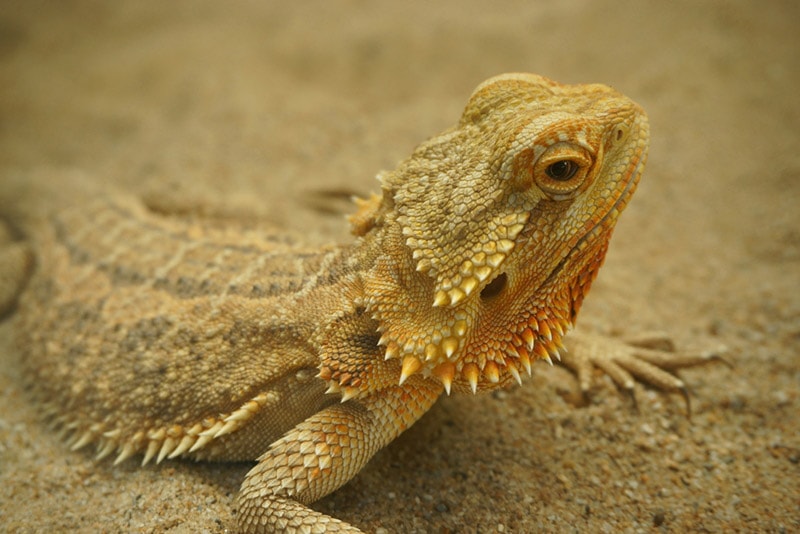
The depth of the sand should be between four to six inches deep. This depth allows space for your beardie to dig and burrow while still providing support, so they don't sink into the sand.
How Often Should I Change Out the Sand?
The biggest downfall of using sand as a substrate is that cleaning is a pain. You should completely clear out the enclosure every three to four months to ensure your beardie is living in a hygienic environment. Sand can get contaminated over time with bacteria or other contaminants that can make your pet ill.
It would be best to use a sand sifter between full cleans to pick up any waste, food particles, or other items in the sand that shouldn't be there.
Substrate Options to Avoid
Not all substrate options are created equal. If you're still deciding between sand and other options, here are several you should avoid at all costs:
- Calcium or vitamin sand can lead to impaction if ingested; can disrupt proper digestion
- Ground nut shells are dusty; can lead to impaction if ingested
- Wood bark/shavings can lead to impaction if ingested
- Linoleum produces volatile organic compounds
- Shelf liner produces volatile organic compounds
- Reptile carpet has fibers that can be a breeding ground for bacteria; fibers can catch claws and break toes and nails
Our Sands for Bearded Dragons Selection Process
When it comes to selecting products, Hepper has a committed team of writers and editors who work closely with licensed veterinarians to find the very best in today’s market. Together, they consider customer feedback, brand reputation, veterinary expertise, and whenever possible, hands-on testing. We aim to select and review the highest-quality products to help you make informed choices that meet both your and your pet’s needs.
Why Trust Hepper?
Since 2007, Hepper has been a trusted and growing online brand and resource with the edge of creating and retailing our own line of cat furniture, toys, and gear, and pet consumables, giving us valuable insights into how to choose sands for bearded dragons. Our driven team of pet-loving writers, editors, and veterinarians is dedicated to empowering our readers to make the best decisions for their animal companions. Our priority lies in providing top-notch information and recommendations. Our team is genuinely invested in the health and well-being of all pets worldwide, believing that expert knowledge is crucial for achieving this goal.
Final Thoughts
Zoo Med Reptisand Reptile Terrarium Sand is the best overall sand for bearded dragons, thanks to its natural construction and soft texture. Beardie owners on a budget will appreciate the Zoo Med Excavator Clay Burrowing Reptile Substrate as a pocket-friendly option that's easily shapeable into mounds and tunnels for your lizard to explore.
We hope our reviews and buying guide have helped shed some light on the misinformation regarding reptile sand. Provided you have your husbandry down to a science and your beardie is an adult, sand is a great substrate option that will make your beardie feel like he's back in his homeland Australia.
Featured Image Credit: Jumpstory
Get Hepper In Your Inbox


Pet care tips from our vets and experts, straight to your inbox.
You may opt-out at any time. View our Privacy Policy for more information.

Chantelle's life revolves around two passions: writing and animals. Raised on the prairies of Canada amidst a menagerie of pets, she now lives with five cats, two guinea pigs, and a bearded dragon. Together with her husband and child, Chantelle delights in being an exemplary animal parent, going as far as installing wall-mounted cat shelves to give their cats an indoor playground. When she's not cozying up with her cats or snapping their amusing antics, she enjoys venturing into the Rocky Mountains, binge-watching her favorite Netflix shows, and indulging in spontaneous reading adventures.
Join the conversation
Ask a question, share your story, or send private feedback.