Hepper is reader-supported. When you buy via links on our site, we may earn an affiliate commission at no cost to you. Learn more.
Why Is My Bearded Dragon Digging? 6 Reasons For This Behavior

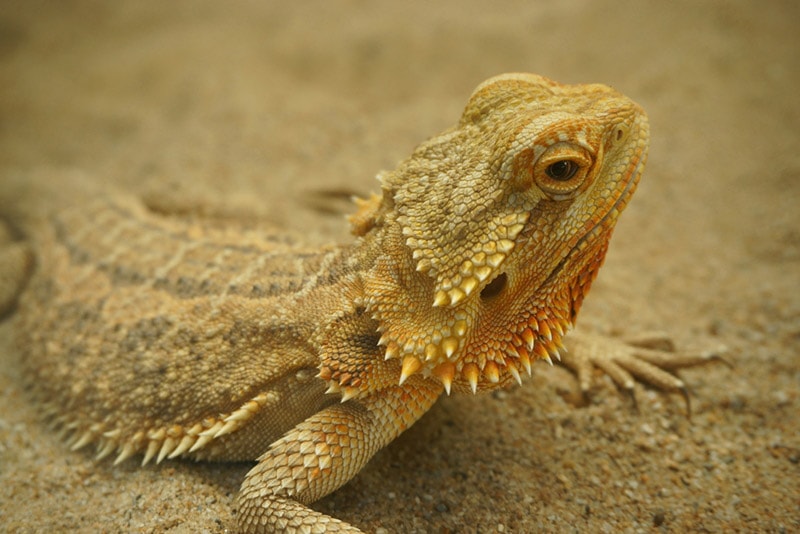
Reptiles can be fascinating creatures, and it's sometimes hard to pinpoint exactly why they behave the way they do. If you have seen your Beardie scuffling around its cage, digging up a storm, you should know what causes the behavior. After all, it might have come out of the blue and not seem completely normal to you. If that's the case, there is one really likely reason and a couple of others that could be possibilities. Here are six reasons why your Bearded Dragon might be digging and other signs you can look for to verify the underlying cause.

The 6 Reasons Why Your Bearded Dragon Is Digging
1. The Enclosure Lacks a Suitable Hide
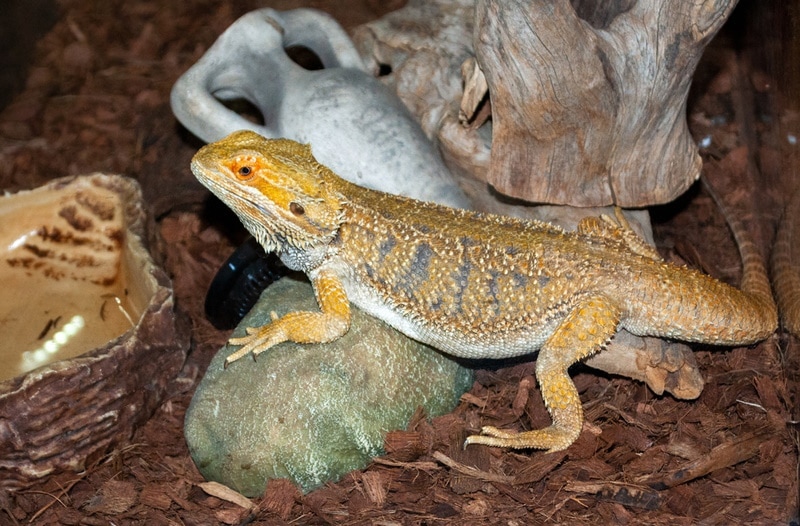
The most common reason Bearded Dragons start to dig is that their enclosure doesn't have a suitable place for them to tuck themselves away. You must have one, whether you have hides in the cage, logs, artificial huts, or another getaway.
If your Bearded Dragon feels very exposed, it can cause some erratic behaviors, including trying to dig just to cover itself. To make them feel more protected, there are many options to give them—inexpensive ways, too!
There are tons of different commercial products on sites like Amazon and Chewy. The size of hide you need will depend on how big your Beardie is. You can buy something like this Zilla Reptile Habitat Shale Rock Den.1
Alternatively, you can quickly and simply make your own hide, like a clay pot, plastic bowl, or other household object. Or, you could get really crafty and build a whole cave, like this example by Reptile Way.2
No matter what option you pick, having options to hide away helps your Beardie feel safe and protected. You might notice less digging once you correct the problem.
2. Your Beardie Is Cooling Off
Temperature regulation is vital for Bearded Dragons. The recommendation is that your Bearded Dragon has a cool and hot side to their cage so it can adequately regulate its body temperature.
On the warm side of the enclosure, temperatures should reach between 104 and 107 degrees Fahrenheit. On the cool side, it should be significantly less warm, ranging between 71 and 77 degrees.
When temperatures are vastly different within the enclosure, it gives your Bearded Dragon the necessary space to regulate its body temperature. If the cage is too small, and they're getting too much heat, digging can be a way to cool off and try to escape.
Too much heat exposure is not healthy for your Bearded Dragon. They need to manage their body temperature to promote healthy habits. A Beardie that is too hot might show some signs like lethargy and lack of appetite.
As we mentioned above, having no appropriate hide can also contribute to overheating in Bearded Dragons. If they cannot escape the direct light, it can make it impossible to cool down.
It would help if you always had a temperature and humidity gauge in the tank. Most folks decide to have more than one so they can keep a good eye on what the basking side versus the cool side measures as.
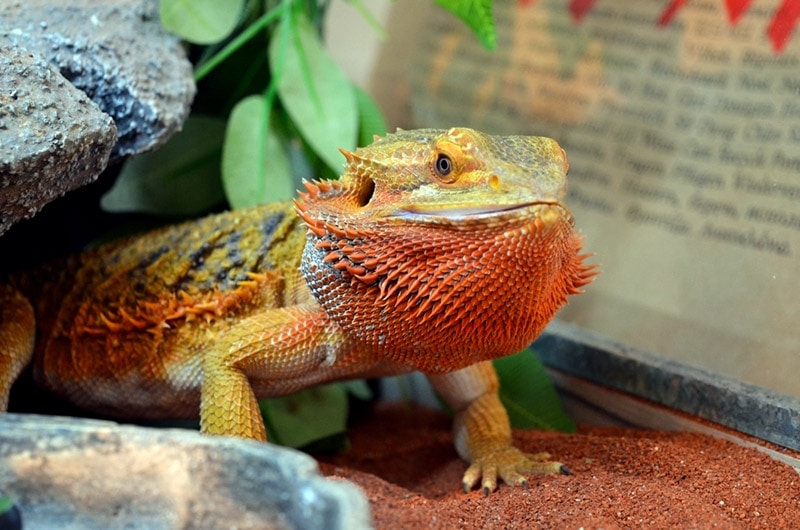
3. Your Beardie Is Trying to Create Space
Your Beardie may be feeling cramped and crowded. Often this happens when your Bearded Dragon has been growing in size, but you haven't yet changed the terrarium. If your Beardie feels like they need more space, they might try to create it by digging.
Bearded Dragons need much more space than one might think. Often, commercial terrariums sold in pet shops are not adequate sizes for a standard adult Bearded Dragon. It's essential to ensure that you have a terrarium suitable for the size of your particular pet.
Here is a chart to show you exactly what size cage your bearded dragon needs at the various stages of its life.
| Age | Length | Tank Size |
| 0–2 months | 3–4 inches | 20–40 gallons |
| 2–4 months | 5–12 inches | 40–75 gallons |
| 4–5 months | 12–16 inches | 50–75 gallons |
| 6 months | 11–18 inches | 50–75 gallons |
| 8 months | 13–20 inches | 59–85 gallons |
| 12+ months | 16+ inches | 120 gallons |
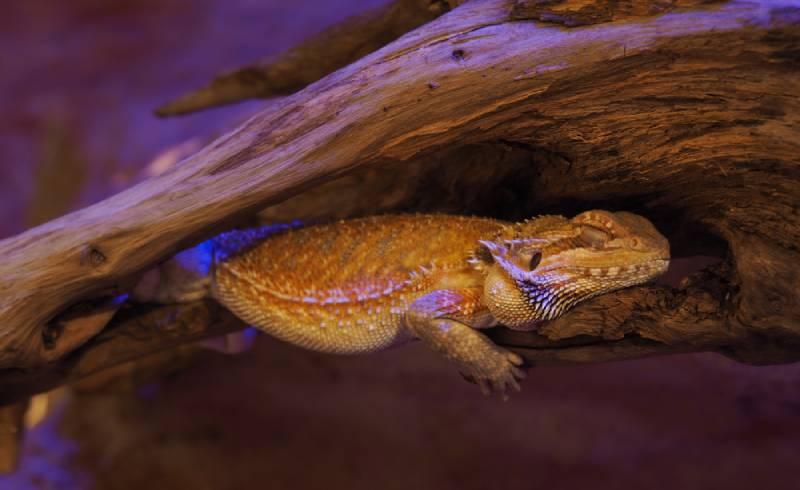
4. Your Beardie Is Preparing for Brumation
Brumation is an exceptionally important time of the year for Bearded Dragons. If you are still getting familiar with the concept due to being a novice owner, we will explain a little bit about what brumation is and some other behaviors you can expect during this time.
Brumation is defined as “a state or condition of sluggishness, inactivity, or torpor exhibited by reptiles (such as snakes or lizards) during winter or extended periods of low temperature,” per Merriam-Webster. Bearded Dragons are designed to slow down to save energy in months when food is scarce.
You might notice behaviors like:
When your Beardie starts digging, this can be a sign that it is preparing for the process. Some Bearded Dragons skip it altogether, but others go through this natural process when colder months hit.
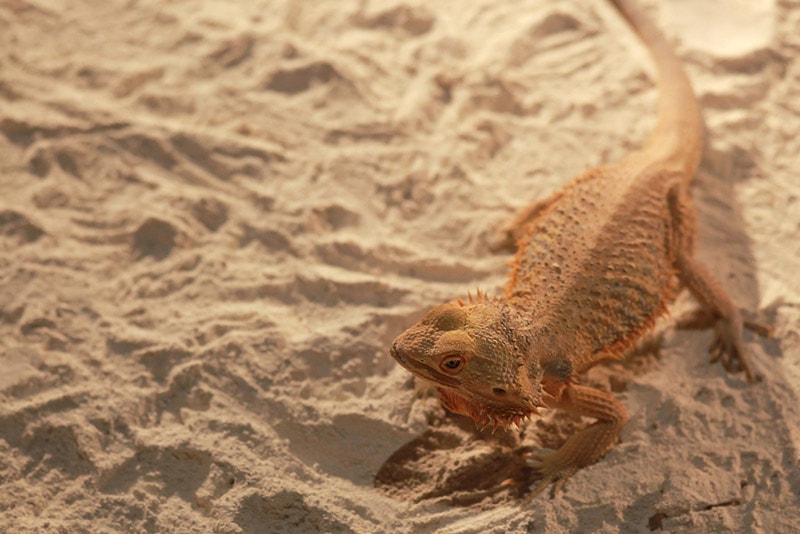
5. A Female Could Be Laying Eggs
If you have noticed your female Bearded Dragon scuffling around the enclosure, she might be preparing to lay a clutch of eggs. Typically, females will test various areas of the cage, digging small holes to see what the most suitable environment is.
Once fully prepared, they dig a shallow burrow, lay the eggs into it, and loosely cover it with the substrate. Females need particular conditions when they are laying eggs. So, if you suspect your Beardie is laying, make sure that the terrarium is a favorable place for her to do so.
While your female is gravid, she will need proper nutrition to keep her body strong. You can give your female extra supplements, including calcium, vitamin D3, and multivitamins. This certainly takes a lot of energy out of them, so replenishing their nutrients is necessary!
In addition to diet, this can be a very stressful time for your female. She will need her space and should always have a private and stress-free area.
Temperature is essential for egg laying, too. The ideal temperature for egg-laying females is between 80 and 85 degrees Fahrenheit. The tank should stay roughly 75% humidity, so mist the soil regularly. Once your female lays her eggs, keep the mist away from the clutch.
6. Your Beardie Could Be Hungry
Bearded Dragons will sometimes dig to find bugs under the surface. If they are scavenging, it's best to stop what you're doing and toss a couple of crickets or mealworms their way. If it's been quite a while since you fed your Bearded Dragon, they might just be hungry.
Bearded Dragons can be quite ravenous when they eat. They can snack on occasional treats like mealworms, butter worms, silkworms, rinsed earthworms, super worms, and wax worms. It won't take much to tell just how hungry they were once you drop some live prey in the enclosure.
However, they need a staple insect diet of crickets, dubia roaches, or hornworms. Remember never to feed your Bearded Dragon any wild-caught insects, as these can carry diseases, parasites, and pesticides.
In addition to live prey, they also need their fair share of fruits and veggies. In fact, an adult bearded dragon typically eats 80% of plants and only 20% of insects. However, juvenile Bearded Dragons eat quite a bit more protein–80% insects and 20% plants.
Your Bearded Dragon can enjoy carrots, greens, grapes, apples, blueberries, bell pepper, kale, bananas, kiwi, and watermelon—among many others!
Many folks choose to give their Bearded Dragons a 50/50 mixture of both. Always consult with your veterinarian before making any dietary changes.
When to See the Vet
Usually, digging isn't a sign of any significant health issue. Minor corrections to the enclosure should remedy the behavior. But if environmental changes don't automatically correct the behavior, it's time to seek professional guidance.
If your Bearded Dragon has been acting odd or unusual, you might want to make an appointment with your veterinarian to be on the safe side. Typically this is only necessary if other signs of sickness or distress accompany this behavior. However, sometimes it can signal that something just isn't right.
Conclusion
So, if you hear a little Bearded Dragon scuffling around the cage, one of these reasons could be the underlying factor at play. If you can pin it down by looking at other signs, you can adjust the environment accordingly.
Often, digging is nothing serious. However, if you notice several peculiar changes happening with your Bearded Dragon, always reach out to your veterinarian to ensure nothing more serious is happening.
Related Reads:
Sources
Featured Image Credit: petroleum man, Shutterstock
Get Hepper In Your Inbox


Pet care tips from our vets and experts, straight to your inbox.
You may opt-out at any time. View our Privacy Policy for more information.
Ashley Bates, a freelance writer with a passion for pets, is currently studying animal therapy. She is a mother to four children and 23 pets, both furry and feathery. Ashley actively volunteers at local shelters, advocates for animal welfare, and rescues animals in distress. Her mission is to promote awareness, education, and entertainment about pets to help prevent animal homelessness. She specializes in the care and well-being of dogs and cats.
Join the conversation
Ask a question, share your story, or send private feedback.