Hepper is reader-supported. When you buy via links on our site, we may earn an affiliate commission at no cost to you. Learn more.
Red Bearded Dragon: Size, Pictures, Habitat & Care Guide
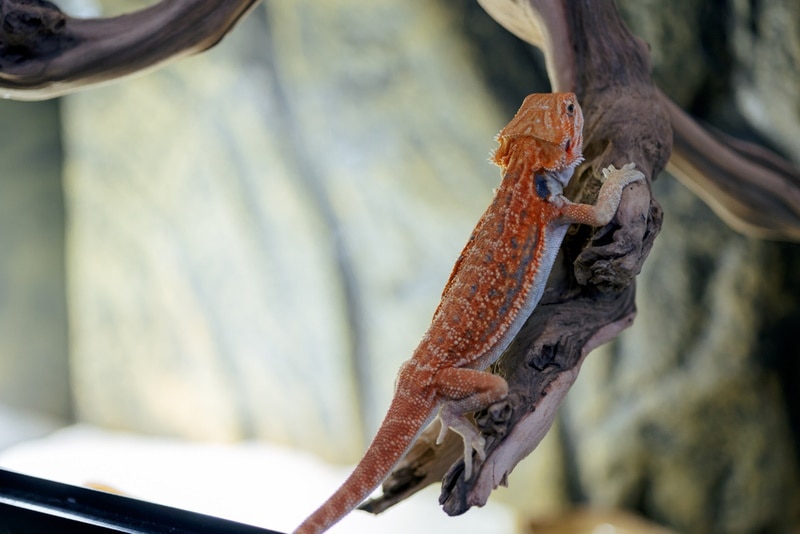
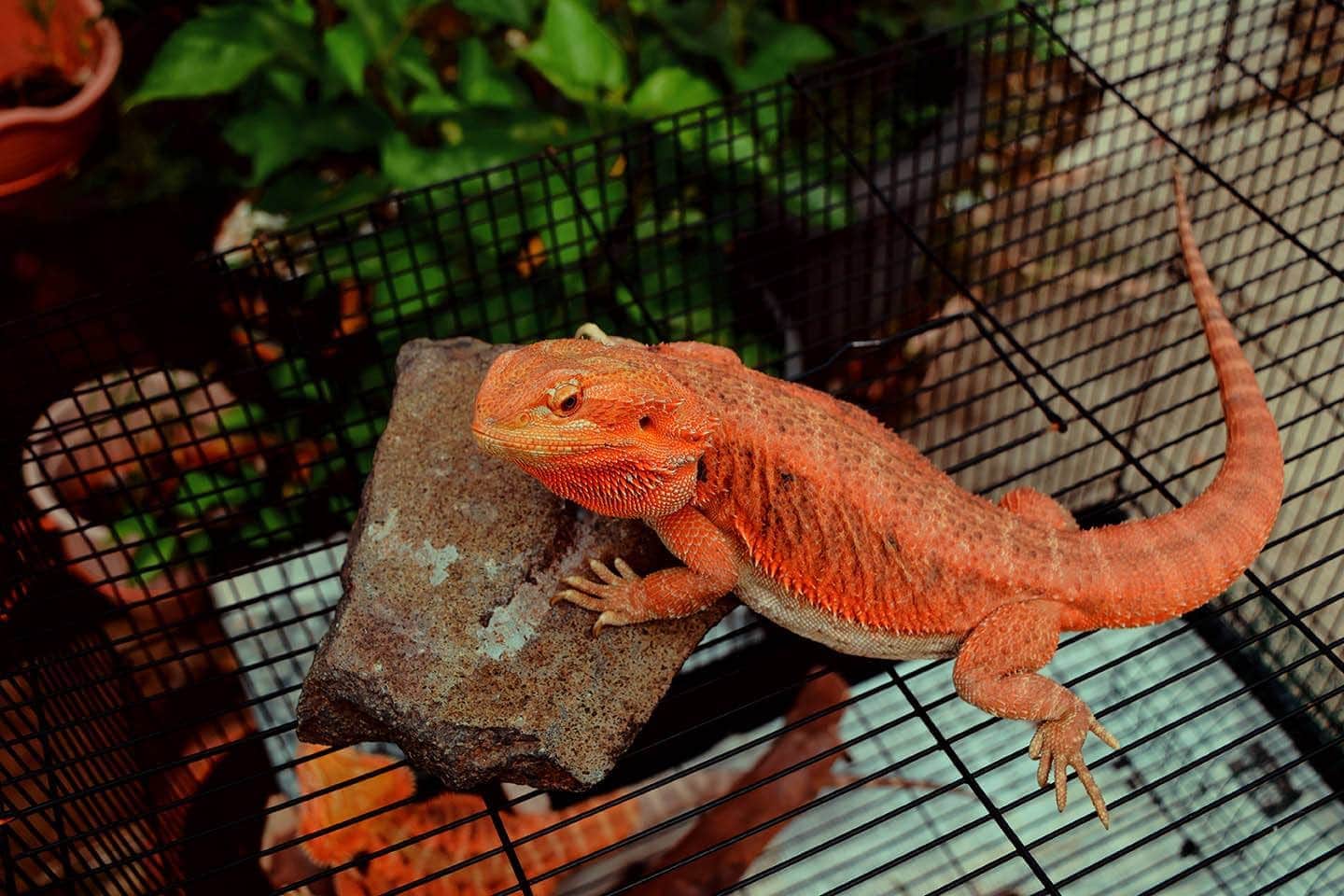
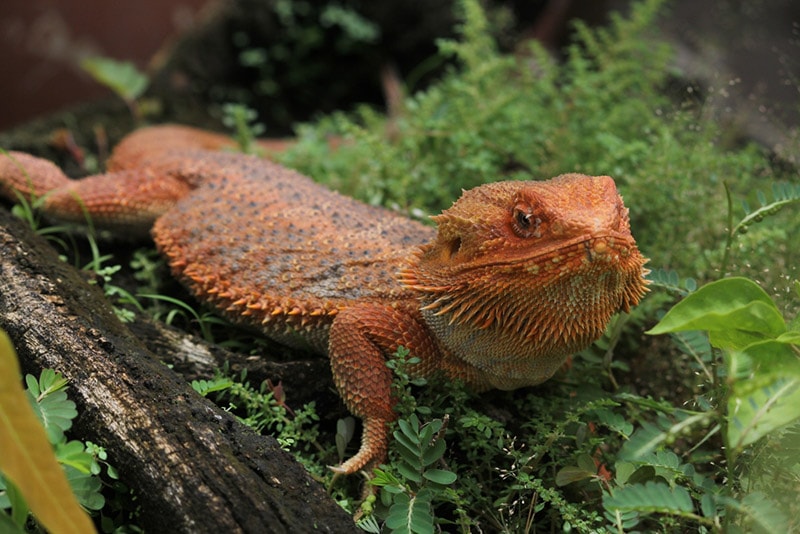
Bearded dragons are one of the most popular reptiles kept as pets, and due to selective breeding practices, multiple interesting color and pattern morphs have popped up within the pet trade. The red bearded dragon is an interesting color morph that is absolutely eye-catching, thanks to its beautiful red coloration. These reptiles can show up in multiple shades of red, as well as with varying patterns, making each one beautifully unique.
The bearded dragon is considered to be a good pet, even for beginners in reptile keeping, and the red bearded dragon morph is no different. These animals do have specific needs, though, so understanding their environmental and dietary needs before bringing one home will help ensure your pet stays healthy for a long time.
Navigate our complete guide by clicking on the title you would like to review first:

Quick Facts about Red Bearded Dragon
| Species Name: | Pogona vitticeps |
| Common Name: | Red bearded dragon |
| Care Level: | Moderate |
| Lifespan: | 10 years |
| Adult Size: | 16–24 inches |
| Diet: | Omnivorous: insects, plant matter |
| Minimum Tank Size: | 55 gallons |
| Temperature & Humidity | 75–115°F 30–40% |
Appearance
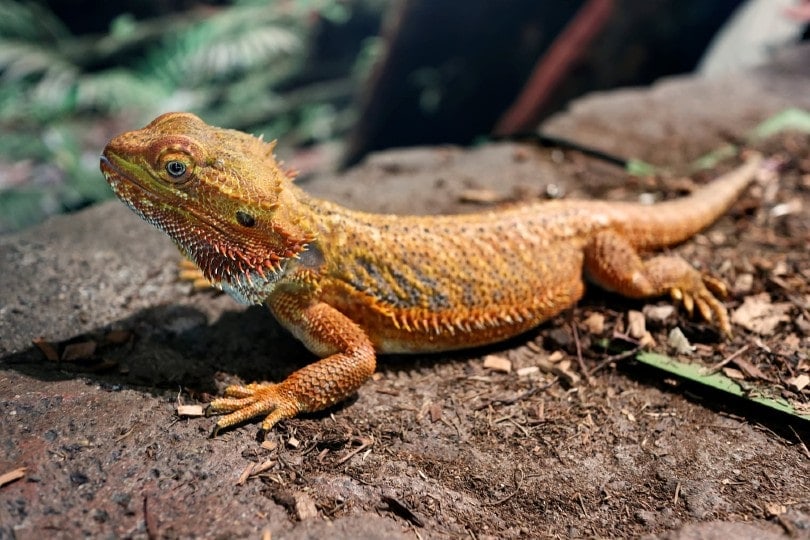
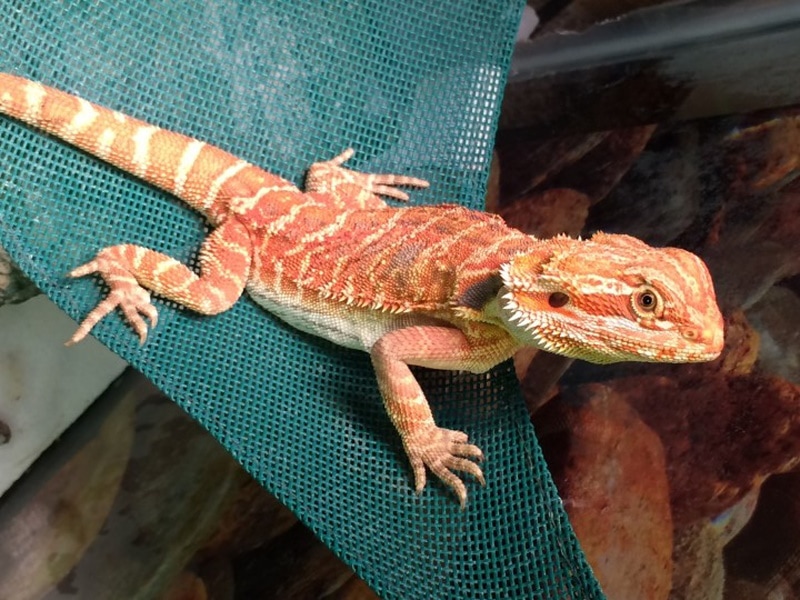
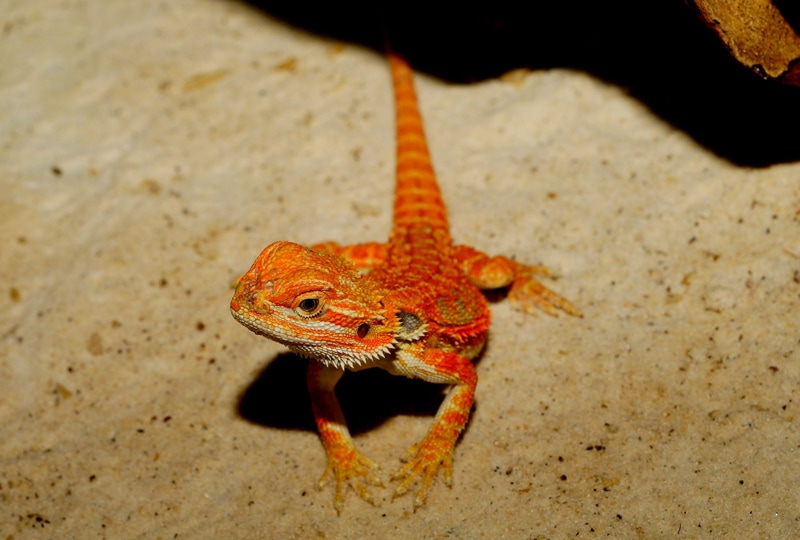
Red bearded dragons are an entirely manmade morph of the bearded dragon, so you will not spot one of these beauties anywhere in nature. There's a range of red colors that these reptiles can show up in, but solid red and ruby red colors are often the most highly sought-after versions of the red bearded dragon morph. Even if they aren’t one of the most sought-after varieties of the red morph, all red bearded dragons can fetch a high price tag.
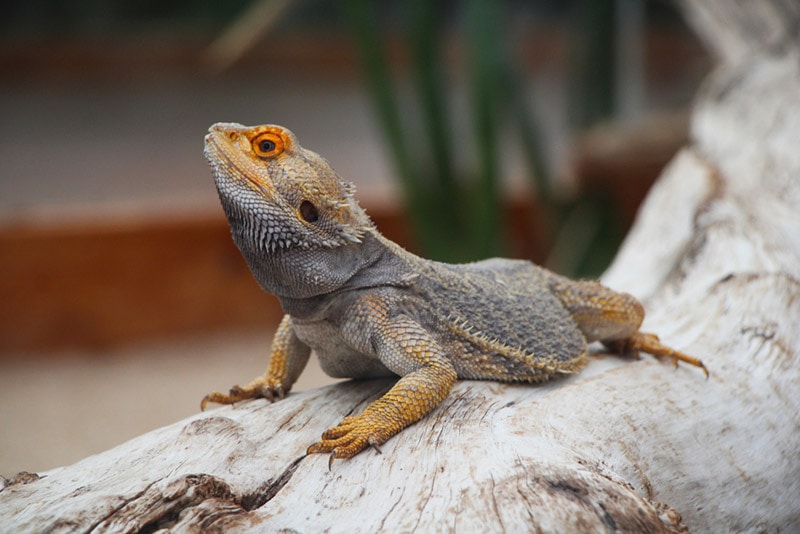
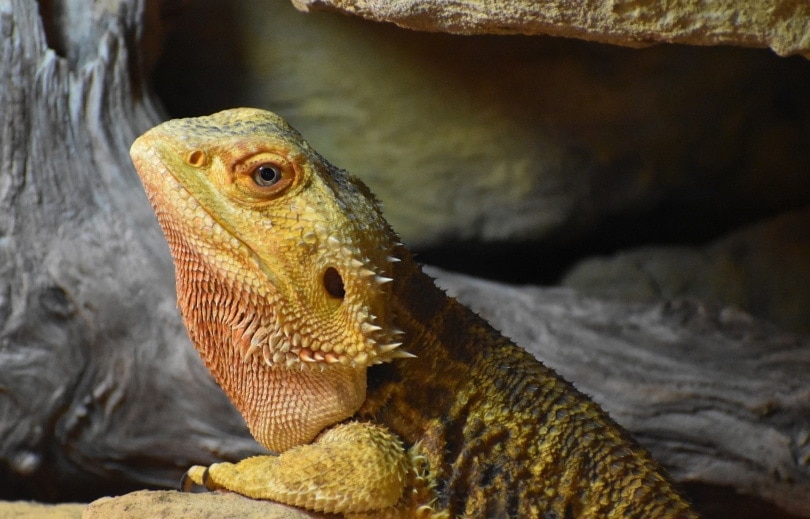
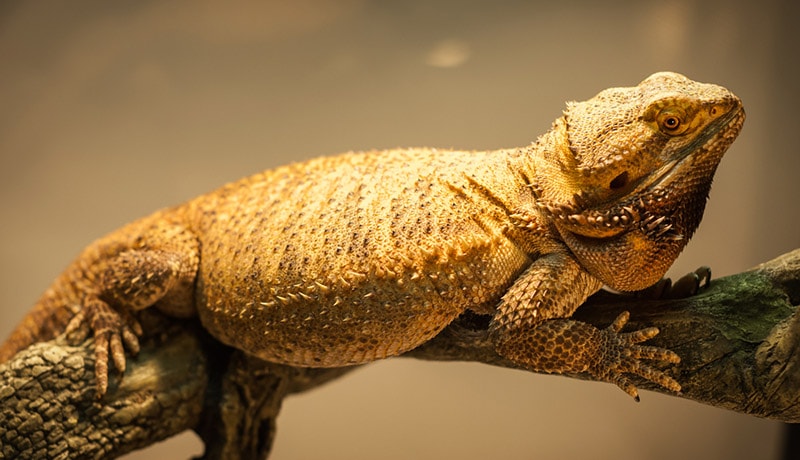
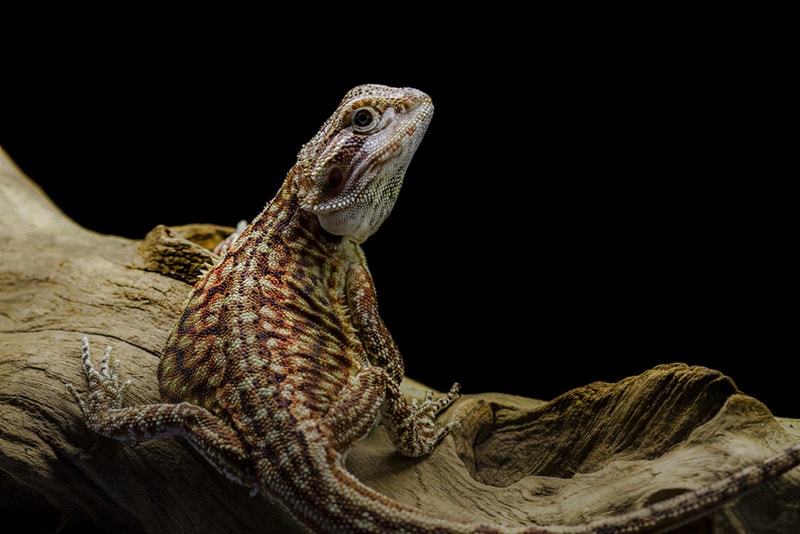
Coloration aside, these animals are built the same as any other bearded dragon. They have spiky scales and a spiked “beard” that can be puffed up when stressed or attempting to attract a mate. The beard can even turn black during high-stress situations. You can expect a bearded dragon to grow up to 2 feet in length, so if you’re looking for a small reptile, this is likely the pet for you.
Do Red Bearded Dragons Make Good Pets?
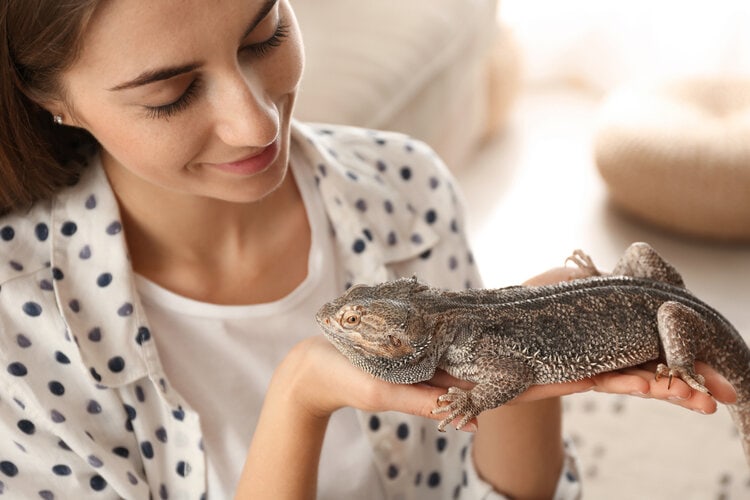
Yes! Like most bearded dragon morphs, the red bearded dragon can make an excellent pet. These reptiles are a good option for someone who wants a pet they can handle since socialized bearded dragons are often tolerant of being held by people. Some people are even able to take these curious creatures out on a special leash!
Although they make good pets, the bearded dragon is an animal with complex care needs. Anyone who wants to bring one home should be fully aware of their care needs, from a proper enclosure setup to providing a diet that is appropriate for the age of the lizard. With proper care, a red bearded dragon can be a social companion for around 10 years.
Are Red Bearded Dragons Friendly? Our Handling Advice
Red beardies are not any more or less friendly than other morphs of bearded dragons. Socialization to human handling is important to ensure you have a handleable pet. If not handled much while young, your bearded dragon may be less likely to be friendly.
How to Take Care of Red Bearded Dragon
Habitat, Tank Conditions & Setup
Your bearded dragon’s home is the most important aspect of giving them a fulfilling and healthy life. Make sure you read through each section below to ensure they have everything they need.
Tank
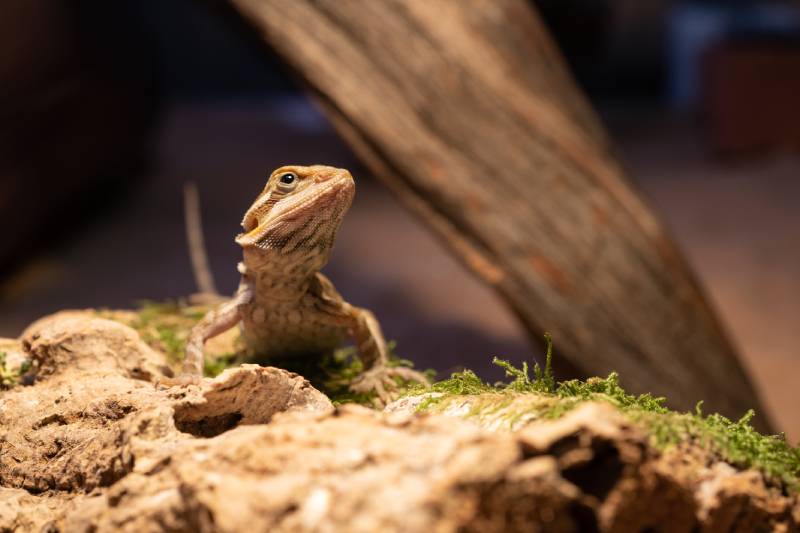
Since bearded dragons can get quite large, an adult bearded dragon should be kept in an enclosure that is at least 55 gallons in size. If your red bearded dragon is a juvenile, you can keep them in a smaller enclosure while they’re still growing but will need to upgrade as they age.
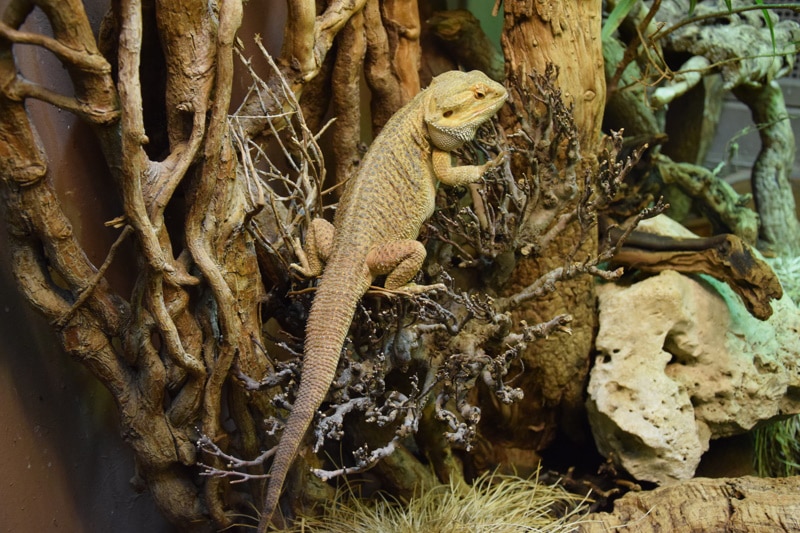
While your bearded dragon won’t need a particularly tall tank, providing them with some climbing space can provide some enrichment and exercise. Many beardies enjoy spending time in hammocks and on branches, and they will also enjoy having caves and hollow logs to spend time in.
If you’re bringing home a bearded dragon of any morph, you will need to be committed to spot-cleaning the enclosure every day, like removing poop and food leftovers. Once a month, you’ll need to fully clean the entire enclosure to prevent poor hygiene and disease.
Lighting
UVB lighting is necessary for the health of your bearded dragon. Provide them with a light that they can get within 12 inches of, so they may need a basking rock or branch near their light. A regular day/night lighting cycle of around 12 hours of light and 12 hours of dark is typically sufficient.
Heating (Temperature & Humidity)
Bearded dragons need their enclosure to have a cool and warm side. The cool side should be kept around 75°F to 85°F, while the warmest basking spot should be around 105°F to 115°F. Most keepers recommend a temperature gun for accurate temperature readings instead of a thermometer. Warmth can be provided via warming lamps, but most keepers recommend avoiding heat rocks because they have been known to lead to burns.
Humidity levels should be kept between 30% and 40%. If humidity levels are too low, your bearded dragon may have difficulty with hydration and shedding, while excessive humidity can lead to respiratory infections and other conditions. A hygrometer should be used to monitor the humidity levels within the tank, and you should be prepared to make adjustments if the humidity becomes too high or too low.
Substrate
There are multiple types of substrates that can be used for bearded dragons. For adults, some people choose to use desert sand or bark chips. These substrates need to be replaced regularly and can pose impaction risks if consumed. If you have a loose substrate, then your bearded dragon should be provided with a substrate-free space to consume their food to minimize substrate consumption.
Many keepers prefer to use flooring tiles as the substrate for their bearded dragons. They are easy to sterilize and spot clean, they don’t absorb waste or moisture, and they will last the life of your bearded dragon and beyond if cared for properly. Rubber shelf liners can be used in a similar fashion and are also likely to last a long time.
Reptile carpet can be used, but some keepers don’t recommend it due to the potential for it to harbor bacteria. If cleaned regularly and properly, reptile carpet can be appropriate, but it’s important that you’re willing to properly clean it to keep the enclosure safe.
| Tank Recommendations | |
| Tank Type | 55-gallon glass vivarium |
| Lighting | UVB lighting |
| Heating | Basking lamp |
| Best Substrate | Flooring tiles |
Feeding Your Red Bearded Dragon
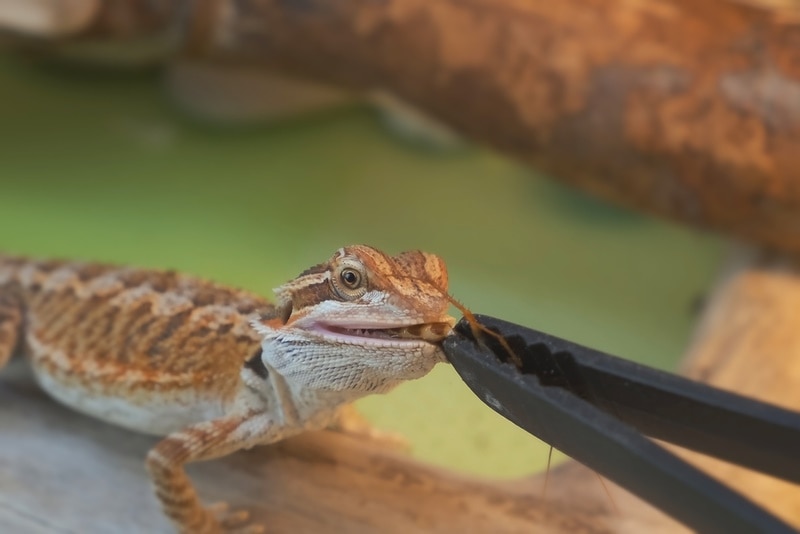
Young bearded dragons are provided with a diet that consists of about 80% gut-loaded insects, while adult bearded dragons require about 80% fruits and veggies. The protein needs of juveniles are much higher than that of adults. The dietary change from primarily insects to primarily plant matter occurs around 18 months of age.
Dubia roaches are often the insect of choice for bearded dragons, but they can also be fed crickets, super worms, and nightcrawlers. Collard greens, bell peppers, kale, butternut squash, arugula, parsley, apples, bananas, melons, grapes, and peaches are some of the fruits and vegetables that can be offered to bearded dragons.
| Diet Summary | |
| Plant matter | 80% of diet (adults); 20% of diet (juveniles) |
| Insects | 20% of diet (adults); 80% of diet (juveniles) |
| Supplements Required | Vitamin D3, calcium, multivitamin |
Shedding: What to Expect
Juvenile bearded dragons shed every few weeks, transitioning to shedding only a few times per year as adults. They are unlikely to shed their entire skin at once, though, often shedding in patches instead.

Keeping Your Red Bearded Dragon Healthy
Proper husbandry is the most effective way to keep your bearded dragon healthy. Many people fail to practice good husbandry, leading to a variety of illnesses for their pets. Proper nutrition, enclosure setup, and tank cleaning and maintenance are all essential parts of maintaining health.
Common Health Issues

Lifespan
With proper care, you can expect your red bearded dragon to live for around 10 years. Their lifespan is in line with the average lifespan of bearded dragons in general.
Breeding
Since bearded dragons should be kept individually, accidental breeding shouldn’t occur. A male and female can be temporarily kept together for breeding purposes, then they should be separated. After breeding, the female will lay fertilized eggs 4–6 weeks later. The eggs may need to be removed and kept in an incubator to prevent the female from damaging them. After being laid, eggs can take 50 to 80 days to hatch.
How Much Do Red Bearded Dragons Cost?
You can expect to spend between $200 and $400 for a red bearded dragon. This price can vary, with solid red morphs selling for more.
Care Guide Summary
| Red Bearded Dragon Pros | Red Bearded Dragon Cons |
| Tolerant of handling | Requires socialization |
| Unique color | Specialized care needs |
| Straightforward diet | Can become ill with improper husbandry |
Conclusion
Red bearded dragons are a lovely morph of the friendly bearded dragon. Although unique, they have the same complex care needs as other bearded dragons. Anyone bringing a red bearded dragon home should be fully versed in proper husbandry of these animals to ensure good health and a long life.
Related Read:
6 DIY Bearded Dragon Leash Plans You Can Make Today (With Pictures)
Uromastyx vs. Bearded Dragon: The Differences (with Pictures)
Sources
Get Hepper In Your Inbox


Pet care tips from our vets and experts, straight to your inbox.
You may opt-out at any time. View our Privacy Policy for more information.

After nine years as a veterinary assistant, Brooke Billingsley transitioned to a career as a nurse in 2013. She lives in Arkansas with her boyfriend, sharing their home with three dogs, two cats, five fish, and two snails. A dedicated animal lover, Brooke has a special place in her heart for special needs pets, including a three-legged senior dog and a famous cat with acromegaly and cerebellar hypoplasia. Fish keeping is one of her hobbies, and she is constantly improving her knowledge to care for her aquarium pets. Brooke is an active yoga enthusiast, having obtained her 200-hour yoga teacher certification in 2020. She believes in the importance of continuous learning and dedicates time each day to developing new skills and expanding her knowledge.
Join the conversation
Ask a question, share your story, or send private feedback.