Hepper is reader-supported. When you buy via links on our site, we may earn an affiliate commission at no cost to you. Learn more.
9 Incredible Bichon Frise Facts That You Need to Know
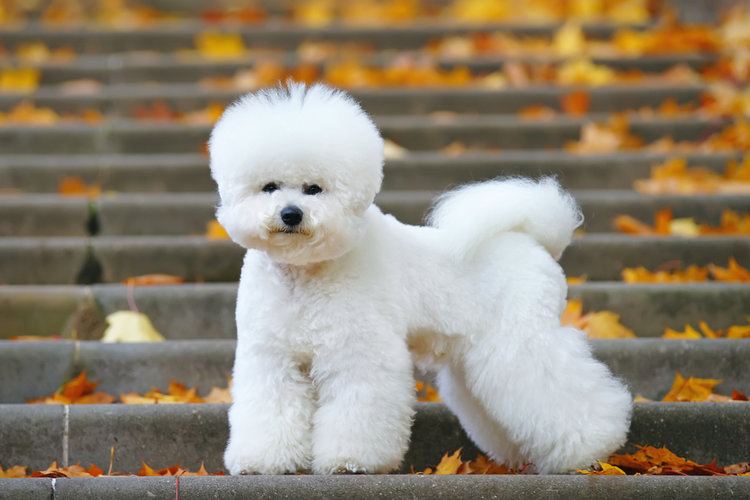
The Bichon Frise is a very popular, small breed of companion dog. It can make a great family dog and is also considered a good dog for senior owners because, while it is lively and fun, it doesn’t require too many long walks. It can also adapt to life in an apartment, although early socialization and training to help prevent heavy yapping will further endear the dog to apartment neighbors.
The breed itself is ancient and while the name is French, the Bichon Frise’s ancestors originate in the Canary Islands, and there are some reports that it was actually Italian traders that first took the dog back to mainland Europe.
Below are 9 fascinating facts about this cute little companion dog, so you can enjoy a deeper understanding of the breed.

The 9 Amazing Bichon Frise Facts
1. The Name Is French
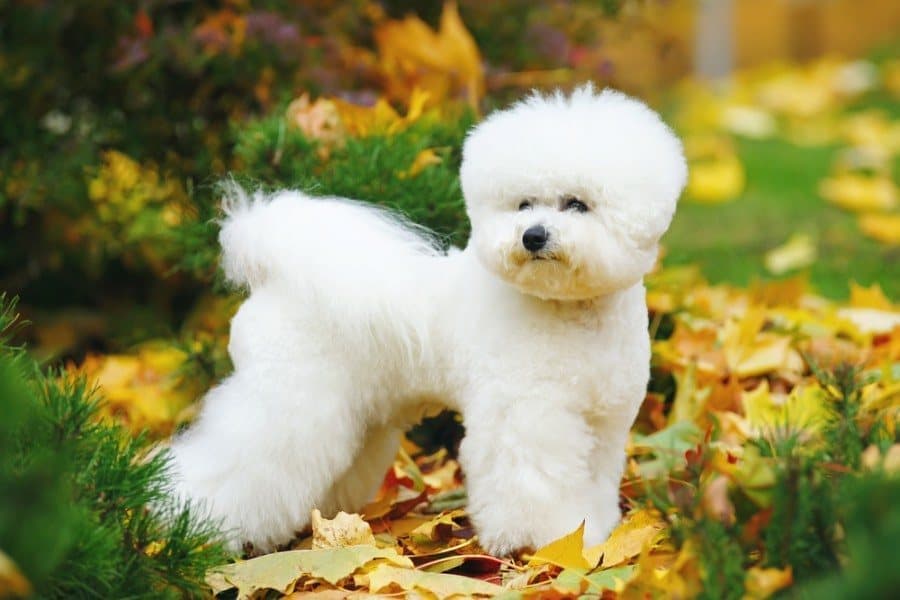
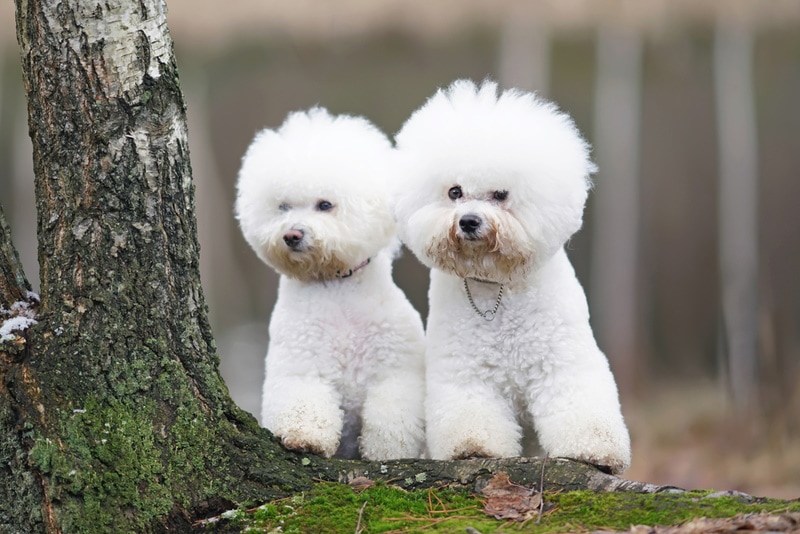
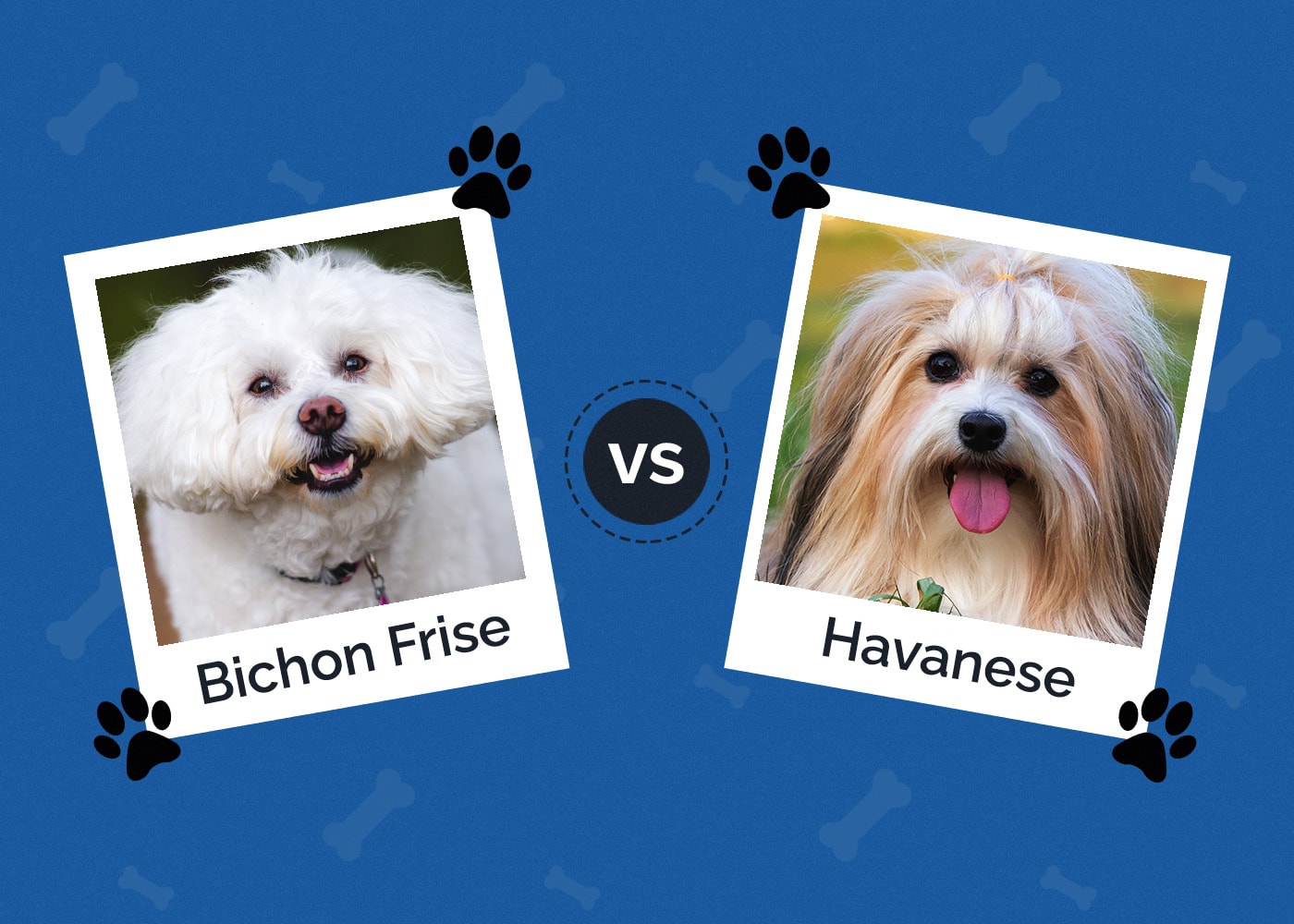
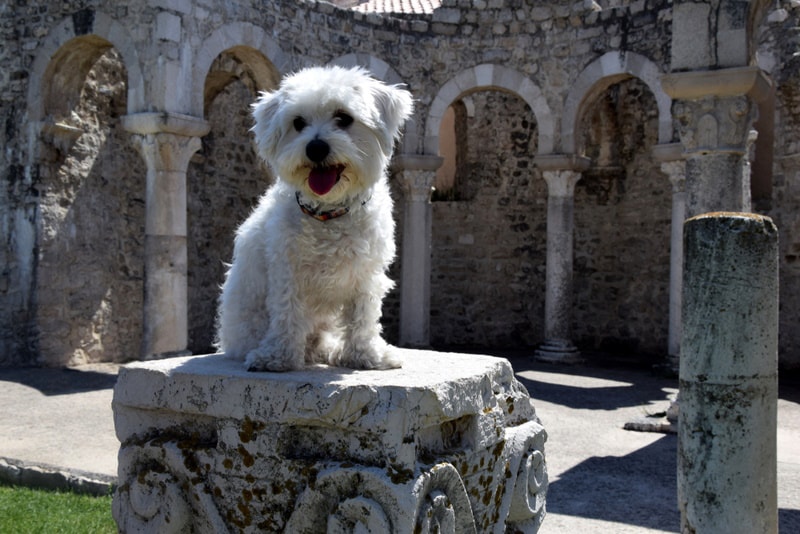
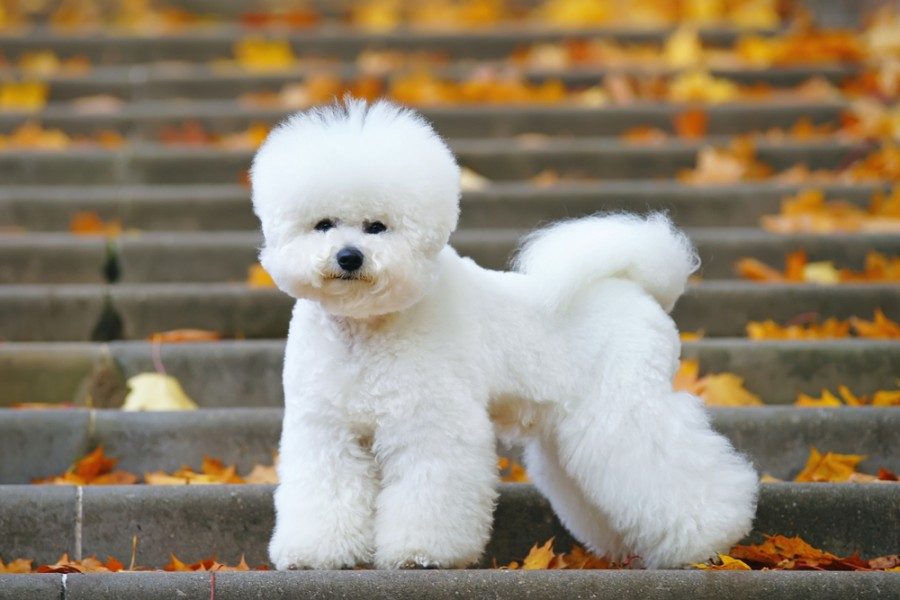
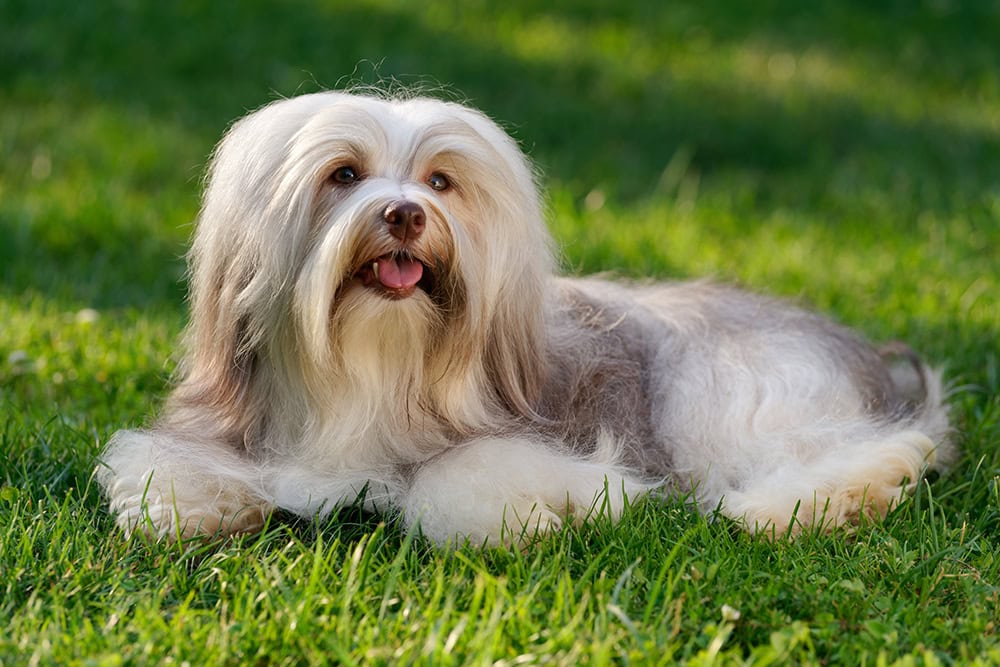
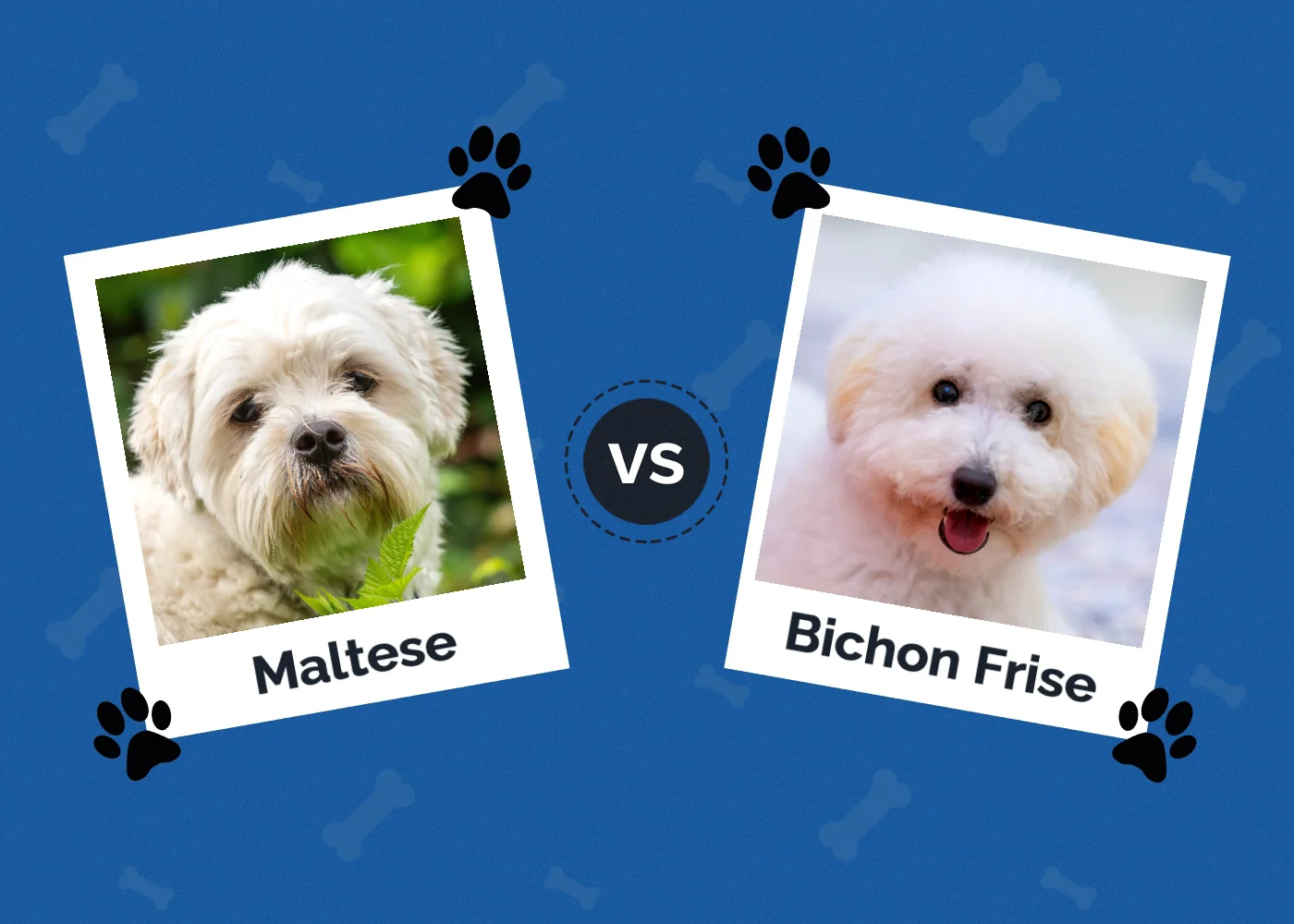
There are several Bichon breeds, and the Bichon Frise name, at least, originates in France. The name translates to “fluffy white dog” and it is easy to see why. The dog’s coat is similar to that of a Poodle and is always white. Other Bichon breeds include the Maltese and the Havanese and most of these breeds share similar characteristics of being friendly, lively dogs that make great companion pets. The name is pronounced, “bee-shon free-zay.”
2. They Descended from Water Dogs
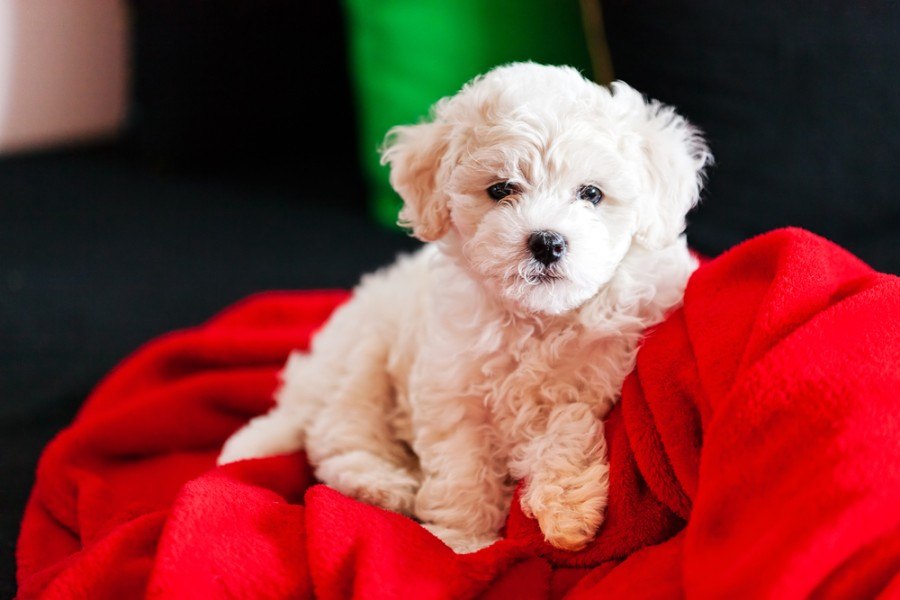
The exact history of the Bichon Frise isn’t exactly clear and while the name Bichon Frise is certainly French, the dog itself isn’t. In fact, while some believe that French travelers took the dogs over to France from the Canary Islands, there are some reports that it was actually Italian traders that took the dog to the mainland. In any case, they originate from the barbet, which is a water spaniel. Originally, they were given the name Barbichon but this was eventually shortened to Bichon.
3. The Bichon Frise Was Popular with French Nobility
No matter who can lay claim to taking the dogs to mainland Europe, it was the French that popularized them. Henry III loved the small fluffy dogs and had several and some historians report that he kept one in a basket that was tied around his neck. They were popular with French nobility and the dogs were seen as a status symbol and as a sign of a person’s wealth and nobility.
4. They Became Popular as Circus Dogs
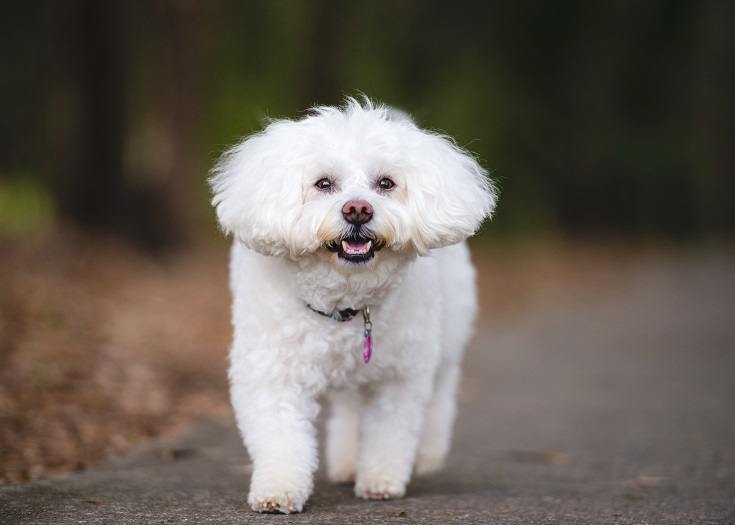
Unfortunately, this love affair with the Bichon Frise didn’t last forever and the nobility fell out of love with these little dogs. At this time, their intelligence and fun nature really came to the fore. The Bichon Frise was adopted by circuses, and they were used as performers thereafter. Their bright face, as well as their ability and willingness to learn tricks, meant that they were very popular for this purpose.
5. Bichons Should Be White
The name Bichon Frise means “white fluffy dog” and breed standards, therefore, dictate that the dog must be white to be considered a Bichon Frise. If it is any other color, then the dog is likely another breed or a mixed breed. It can still make an excellent pet that will get along with just about everybody, but it will not be allowed to enter shows and cannot be registered as a purebred Frise.

6. They Are Considered Hypoallergenic
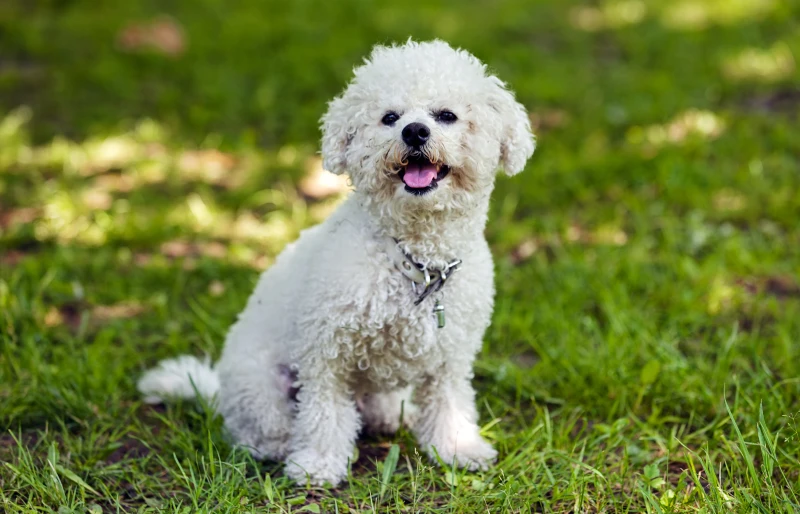
Not only does the coat of the Bichon Frise look like that of a Poodle, but it shares certain other characteristics, too. The curly coat sheds very little when compared to other breeds, which is similar to the Poodle. Because the protein that triggers allergic reactions in people with canine allergies is most commonly found in the hair and dander that is given off when the coat sheds, this has led to some claiming the Bichon Frise to be hypoallergenic. All dogs elicit some allergic reaction in sufferers, but allergic owners might indeed do better with this breed as it leaves less of its hair on the furniture, on clothes, and in the atmosphere.
7. They are Pampered Pooches
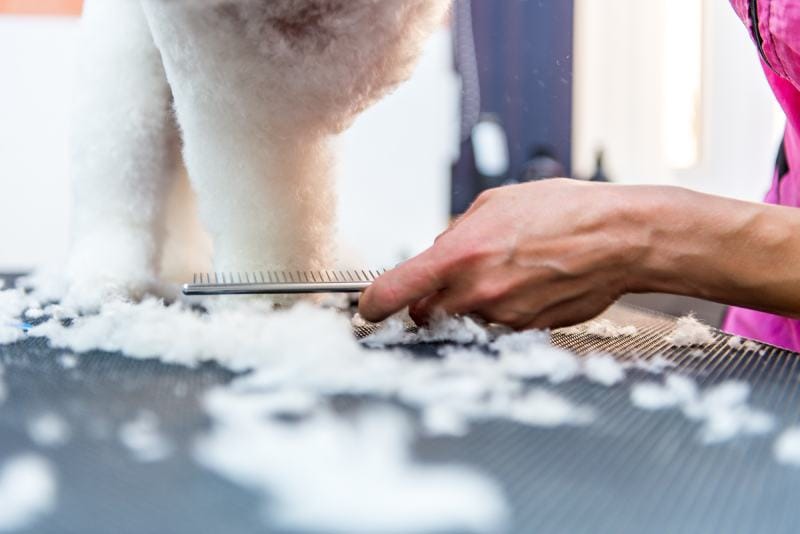
When the Bichon Frise was popular with the French nobility, owners lavished attention and pampering on the pets. They were especially keen on having the dog’s coat cut so that it resembled a small lion. Such was the level of pampering that the breed received that the French even invented the word “bichonner,” a verb that means to pamper.

8. They Only Came to The U.S. In the 1950s
While it might be an ancient breed that has been in Europe for centuries, the Bichon Frise was only bred in the U.S. in the 1950s. The first litter in the U.S. was born in 1956 and the curly white-haired dog started to spread from there. In 1972, the breed was formally recognized by the American Kennel Club, and it has grown in popularity since.
9. They Love Their People
There are many things to love about the Bichon Frise breed, especially if you want a dog that is alert and loving, intelligent, and generally well-mannered. However, it can be quite an independent dog, which means that it will use its high levels of intelligence to make its own games and create its own fun. Regular and consistent training is required to help ensure the dog behaves how you want it to, rather than the dog dictating what it wants.
Another potential pitfall of the breed is that, despite this independent streak, it does not tend to do well when left alone for long periods. As such, it might not be the best breed for people that go out to work all day or that need to leave the breed alone for several hours at a time.

Conclusion
The Bichon Frise is an ancient dog breed with roots in the Canary Islands and its popularity in French nobility. The small breed is known for its intelligence loyalty and loving nature. It is also a fun dog to have around, although it demands attention and can suffer separation anxiety if left alone for too long. However, for those looking for a family pet, it is a very popular choice.
Related Read: 8 Dogs Similar to Bichon Frise (With Pictures)
Sources
Featured Image Credit: Eudyptula, Shutterstock
Get Hepper In Your Inbox


Pet care tips from our vets and experts, straight to your inbox.
You may opt-out at any time. View our Privacy Policy for more information.

Nicole is a lover of animals of all sizes but is especially fascinated with the feline variety. She’s the proud mom of Baby, a Burmese, and works every day so he can relax in the sunshine or by the fire. She’s always had a cat in her home and has spent countless days with others, observing behaviors and softening up even the grouchiest of the lot. Nicole wants to share her kitty expertise with you so you and your cat can live happy, healthy, and care-free.
Join the conversation
Ask a question, share your story, or send private feedback.