Hepper is reader-supported. When you buy via links on our site, we may earn an affiliate commission at no cost to you. Learn more.
Bichon Frise vs. Havanese: How Are They Different? (With Pictures)
In this article
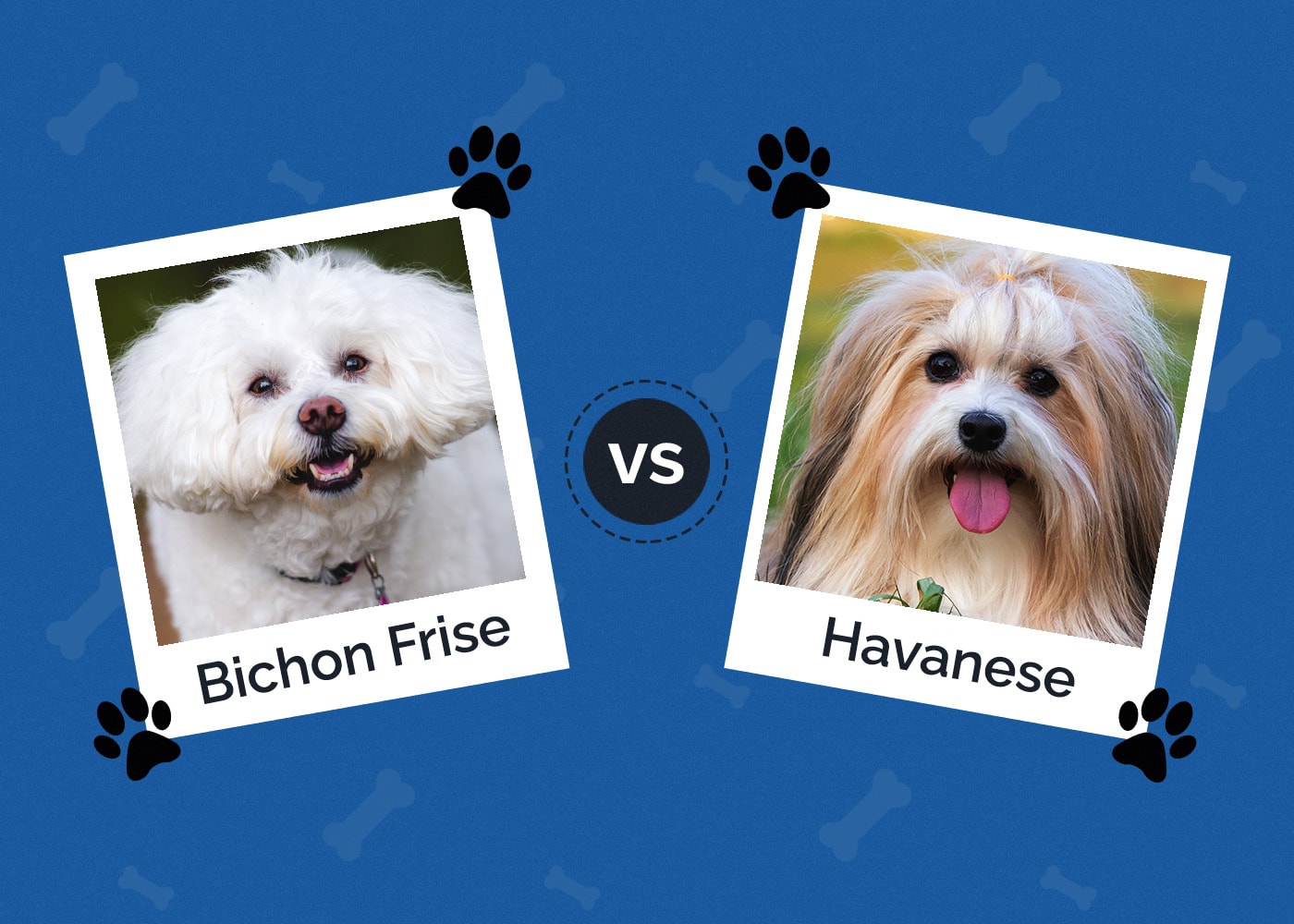
Living in a small condo or home means researching what kind of dog will do well in these modest urban spaces. The Bichon Frise and Havanese are loving and docile dogs that make wonderful companions. They have a few similarities, but there are notable differences too.
Here, we take a closer look at the Bichon and Havanese breeds and examine the similarities and differences regarding their temperament, care, size, appearance, and more. Hopefully, this will help you decide between these two amazing dog breeds!

Visual Differences
At a Glance

Bichon Frise Overview

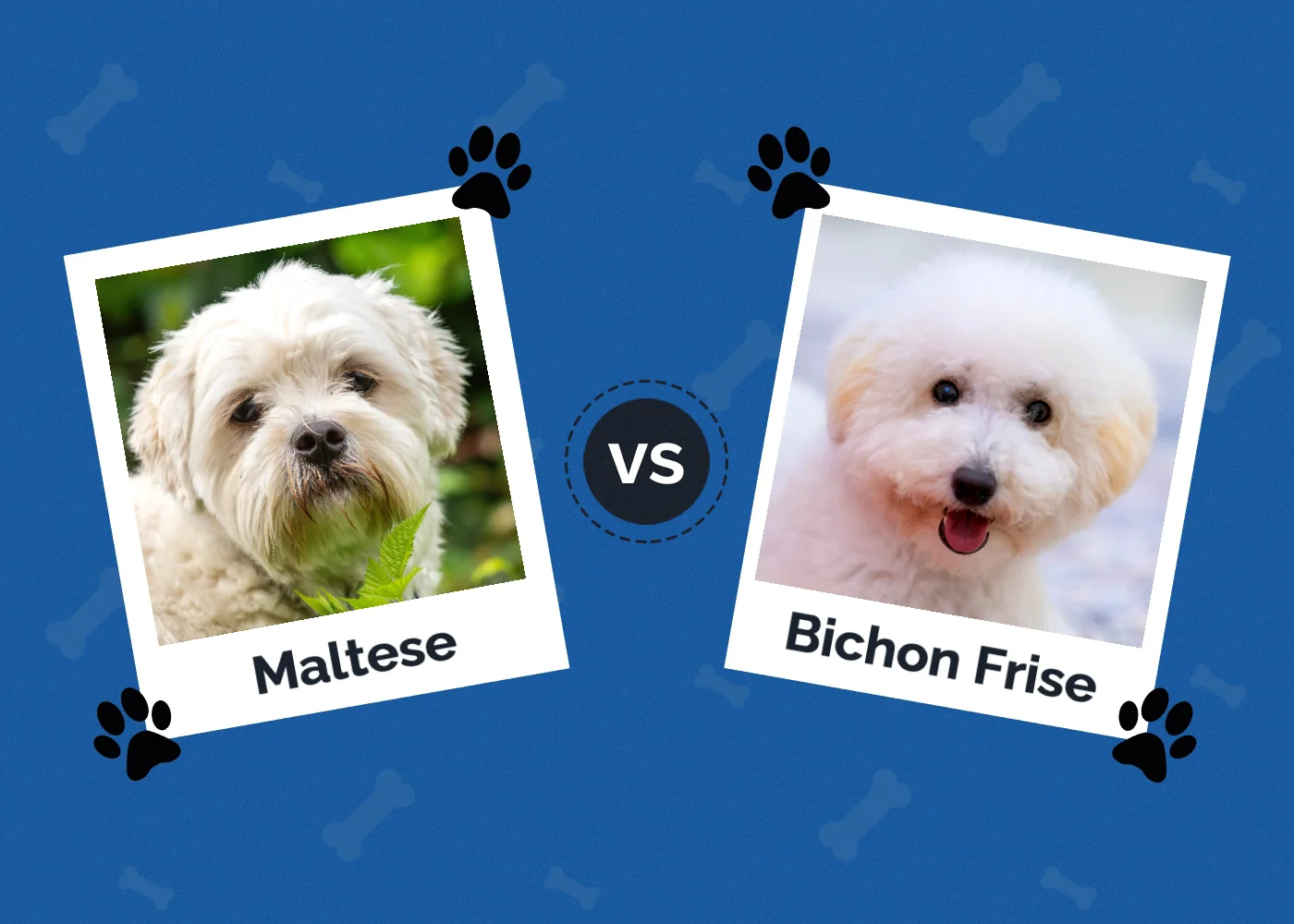
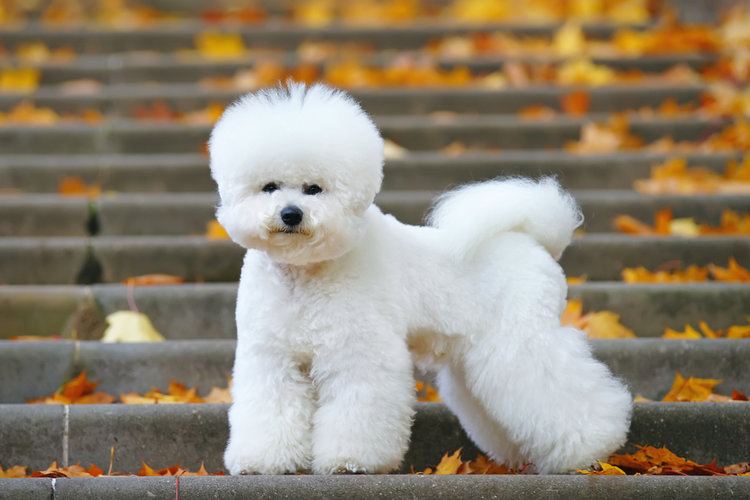
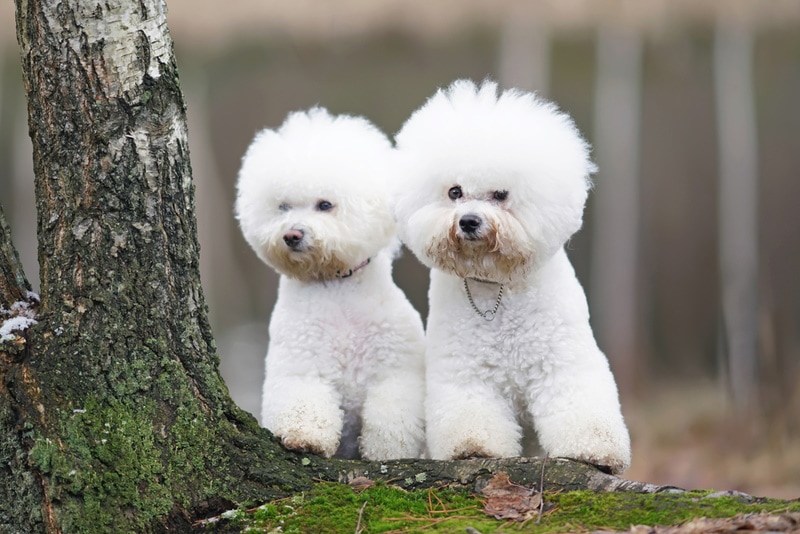
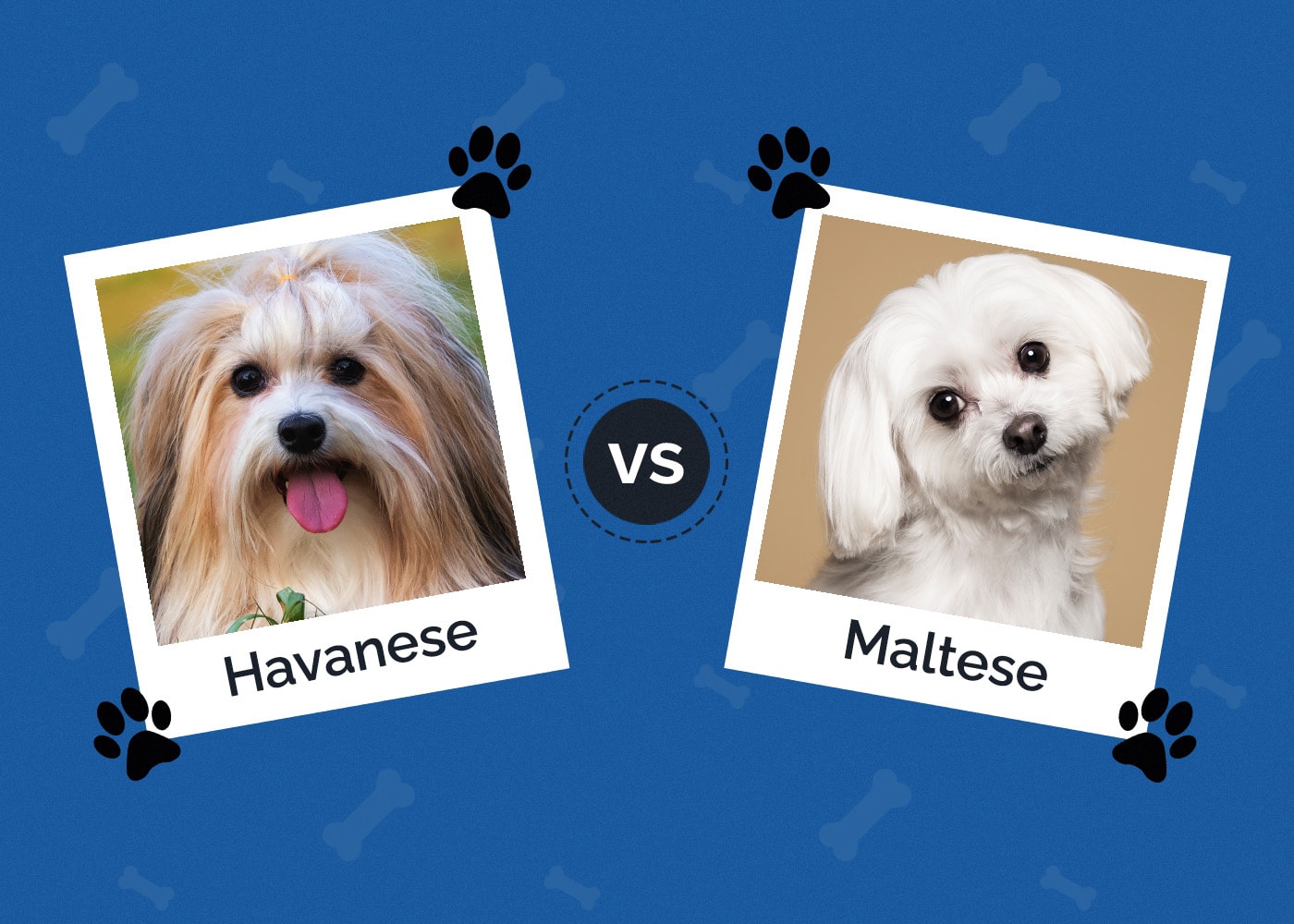
The Bichon Frise is part of the Barbichon family, which consists of small white dogs and includes the Havanese and the Maltese. The Bichon Frise is believed to have originally come from Spain’s Canary Islands, off the coast of northwestern Africa.
They were primarily companions to French aristocrats and eventually became street and circus performers after the French Revolution in 1789. By 1972, Bichons were placed in the Non-sporting Group in the American Kennel Club (AKC) and are currently the 47th most popular breed in the U.S.
Personality / Character
Knowing the origins of a breed is an excellent way to understand a dog’s temperament, so going by their background, Bichons are entertaining companions. They are quite social and friendly dogs that love spending time with their humans. Bichons are gentle, sensitive dogs that are also playful.
They make excellent family dogs because they get along well with children in addition to other pets. Their overall temperament is cheerful, upbeat, and curious, as well as loving.
But keep in mind that the Bichon Frise bonds quite closely to their humans, and if they are left alone for long periods, undesirable behaviors will likely occur.
Training
Bichons seem to have only one area of difficulty when it comes to training, and unfortunately, it is with housebreaking, so you’ll need to be consistent and gentle. Beyond this common problem, Bichons are intelligent and eager to please, so they take to training quite easily.
They are known to enjoy performing tricks and can learn new ones quickly. Like all dogs, they will respond best to positive training methods using rewards and praise.

Exercise
Bichons are relatively active dogs. They enjoy a good snuggle on the couch but will suddenly have spurts of energy, or dog zoomies. They require at least a 30-minute walk every day in addition to play sessions.
Due to this dog’s sudden bursts of energy, having a fenced-in backyard would be ideal but not necessary. On bad weather days, they can still expend a great deal of energy indoors due to their small size.
Health & Care
Bichons are healthy dogs for the most part but are prone to luxating patella, hip dysplasia, cataracts, dental issues, and allergies. Small dogs in general tend to be more susceptible to dental problems, including gum disease, so it is essential to stay on top of their dental care.
Grooming the Bichon is more of a challenge than for some other dogs. They should be brushed daily and must be trimmed once a month. Most Bichon owners take their dogs to the groomer every 4 weeks. The good news is that they are low shedders.

Suitable for:
Bichons are excellent dogs for first-time owners due to their intelligence and trainability. They will also work well for allergy sufferers (though keep in mind that there’s no such thing as a completely hypoallergenic dog), as well as single people or families with children and additional pets.
They do require owners who won’t leave them alone for long periods and are willing to provide quality playtime every day. You also need to be prepared for long grooming sessions and the financial means to pay for a groomer unless you’re willing to put the work in yourself.

Havanese Overview

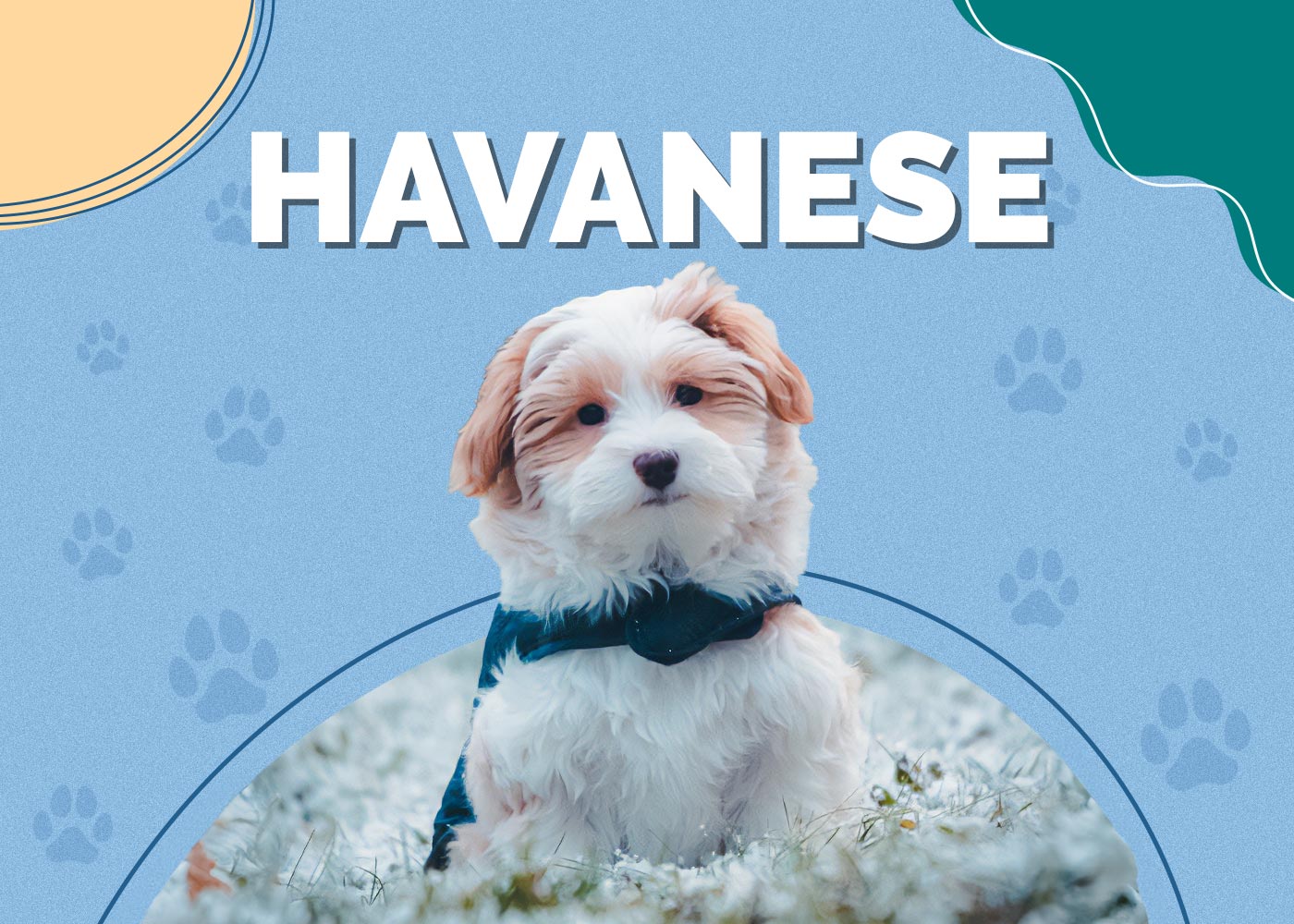
The Havanese likely share a common ancestor with the Bichon Frise. They were bred to be lap dogs and companions to aristocrats and wealthy plantation owners.
Their origins are in Cuba, where they were named after the capital city, Havana. They are the only native breed of dog from Cuba, so naturally, the Havanese is the National Dog there.
During Fidel Castro’s revolution in 1959, many Havanese owners fled the country and brought their dogs to American shores. The AKC recognized them in 1996, and they are currently the 25th most popular breed.
Personality / Character
Havanese are happy, cheerful little dogs that are quite sociable and extroverted, so they love meeting new people. They are playful, alert, funny, smart, and adaptable, so they can fit in almost anywhere and will typically garner a large share of attention.
The Havanese, like the Bichon, get along well with children and other pets and will be an excellent fit for large, noisy families or quiet single people. They also form a strong bond with their people and won’t do well if left alone for long periods.
Training
Havanese are quite intelligent and want to please their owners, so they are easy to train. They are sensitive dogs, so only positive training methods should be used, but overall, it will be easy and fun to train the Havanese.

Exercise
While Havanese are small dogs, they require a moderate amount of exercise and will need a minimum of 30 minutes of walking every day. They also need a fair bit of playtime with you as part of their daily exercise.
Since they are small, they can get enough exercise just by running around the house when the weather isn’t cooperating. Be sure to stop exercising if you see that your Havanese is struggling to keep up with you or is heavily panting.
Health & Care
The Havanese is a healthy breed, but like all purebred dogs, they are susceptible to several health conditions, including patellar luxation, eye disorders, Legg-Calve-Perthes Disease, deafness, and heart murmurs.
Grooming is easier with the Havanese, but they still require daily grooming. Some Havanese owners like to have their dogs clipped, which makes grooming much easier. Either you or a groomer can do this.

Suitable for:
The Havanese is great for first-time owners looking for a true companion that will encourage you to talk to almost everyone you meet. They are easy to train and form strong bonds with their owner, so someone does need to be home most of the time.
They can also make good watchdogs, but they don’t overdo the barking like some small dogs do. They are considered hypoallergenic, so they can be a good breed for allergy sufferers, as well as families with kids and pets.

Which Breed Is Right for You?
There are definitely far more similarities than differences between these two breeds, but those differences could have an impact on which breed you choose.
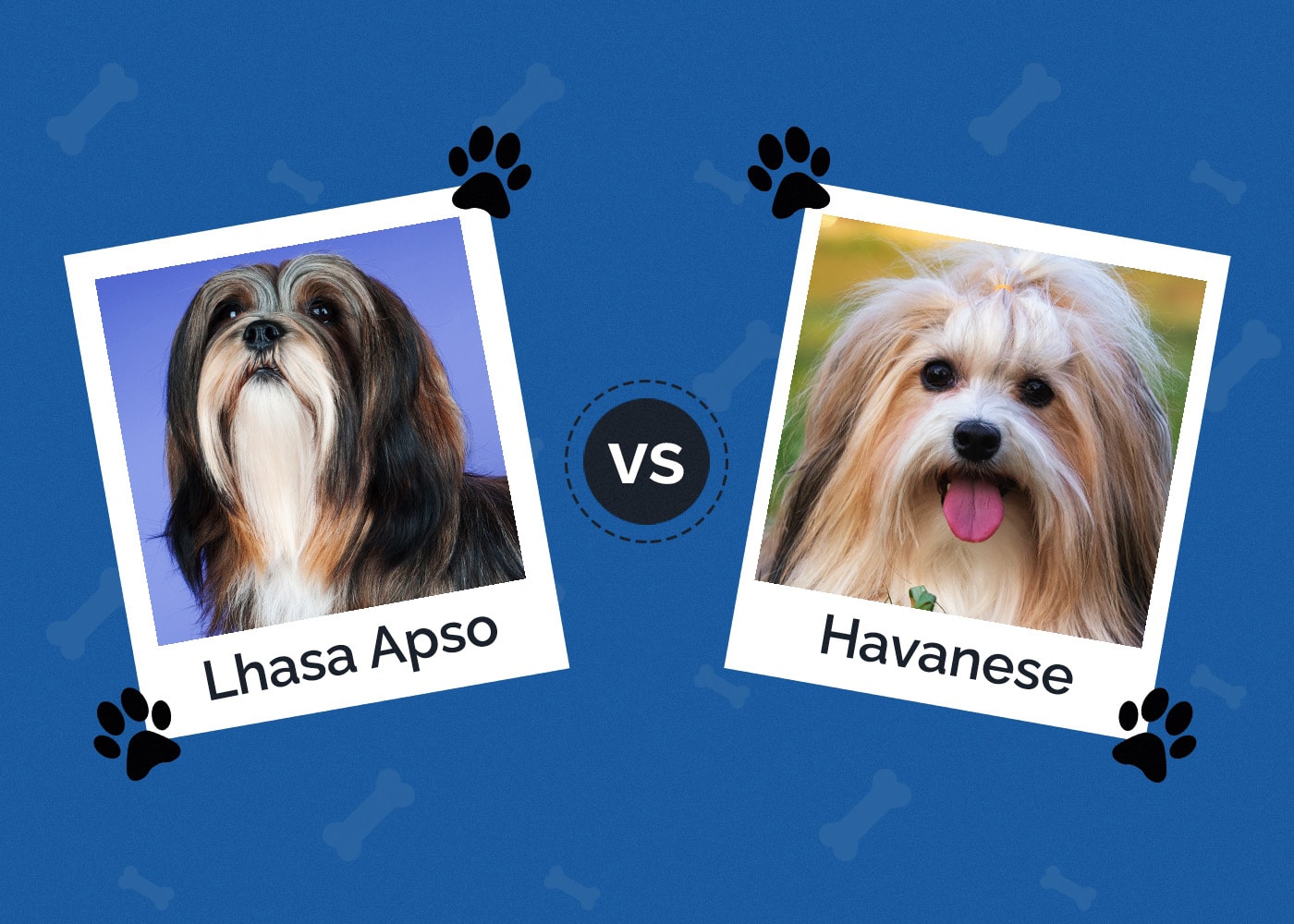
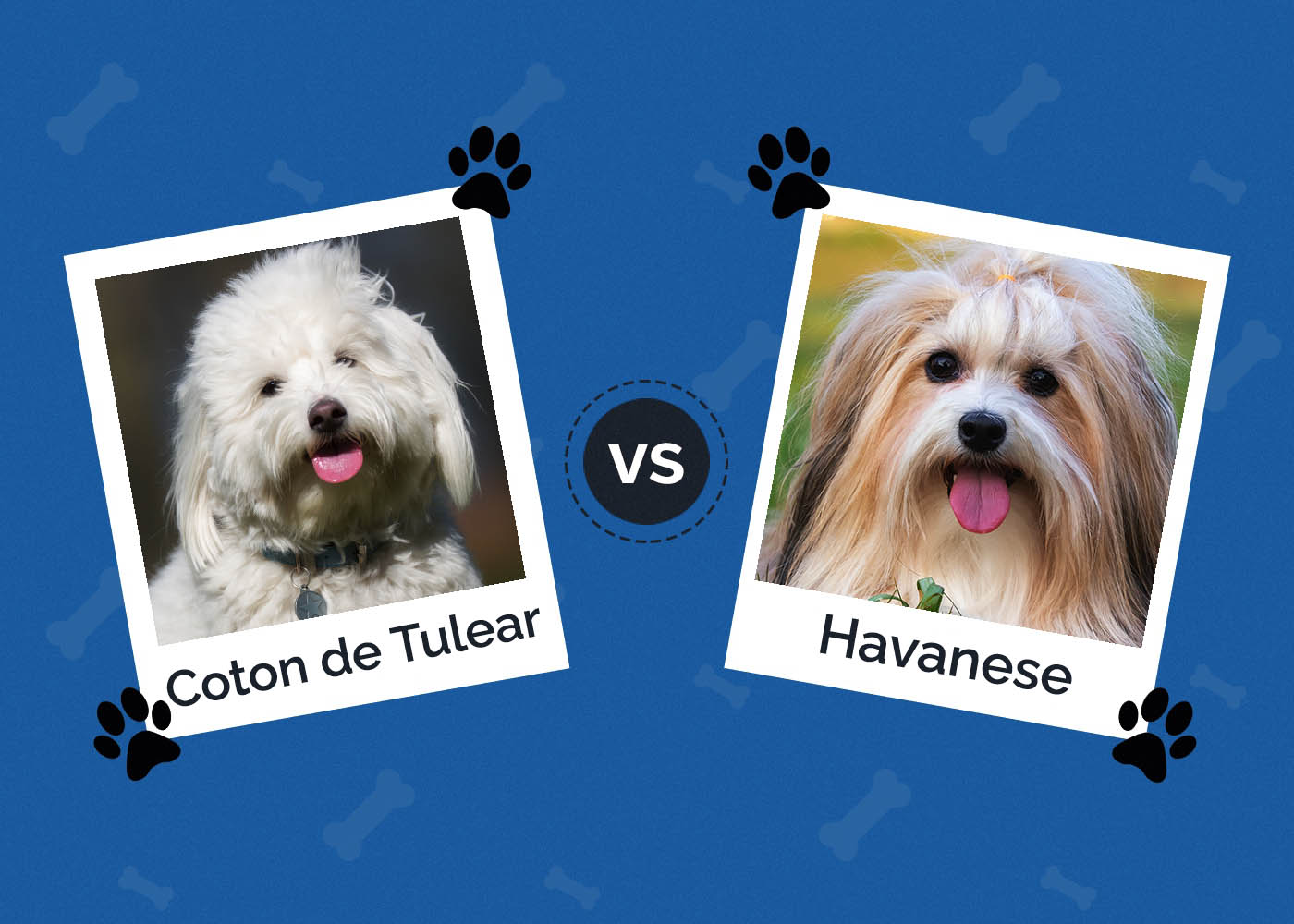
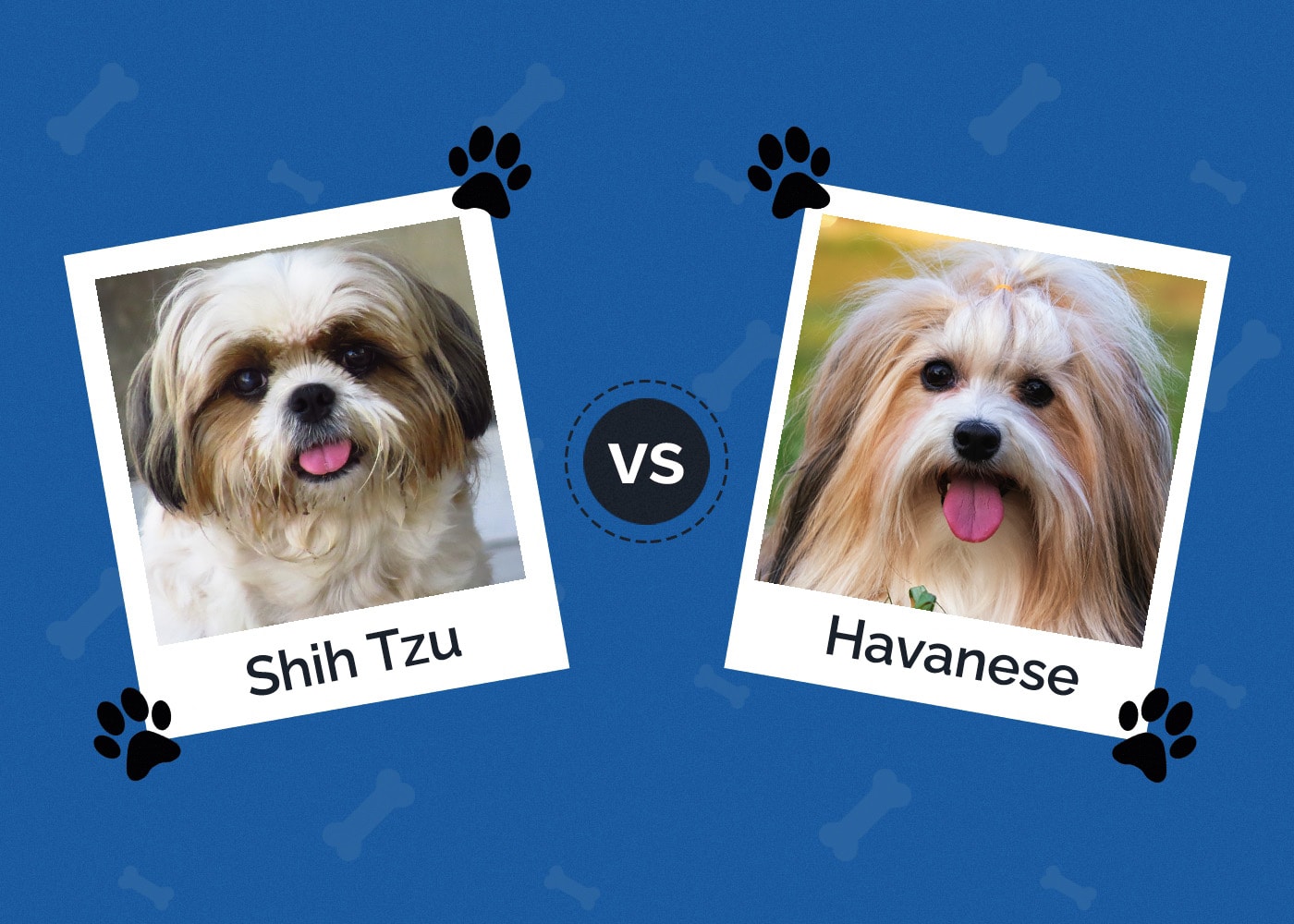
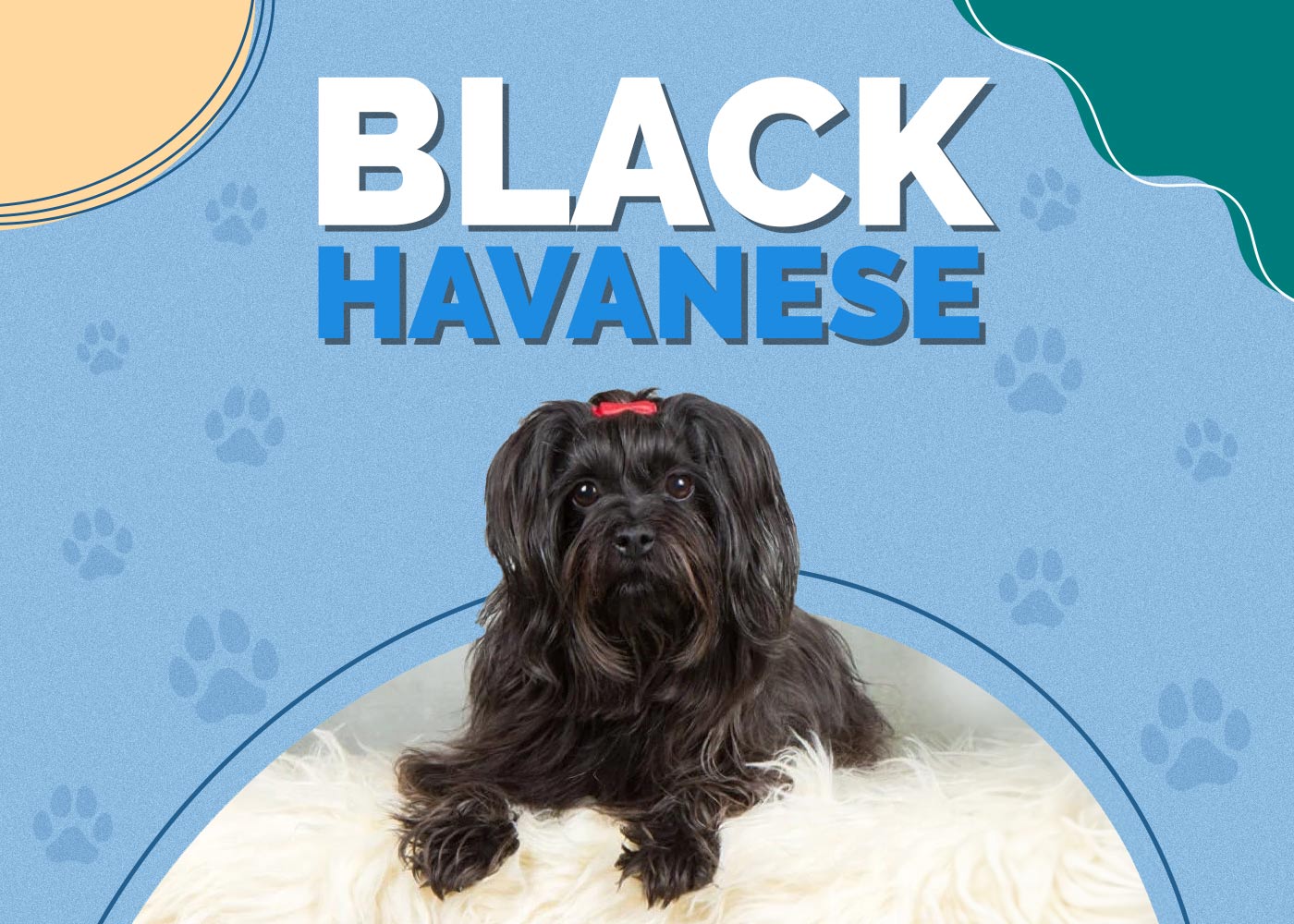
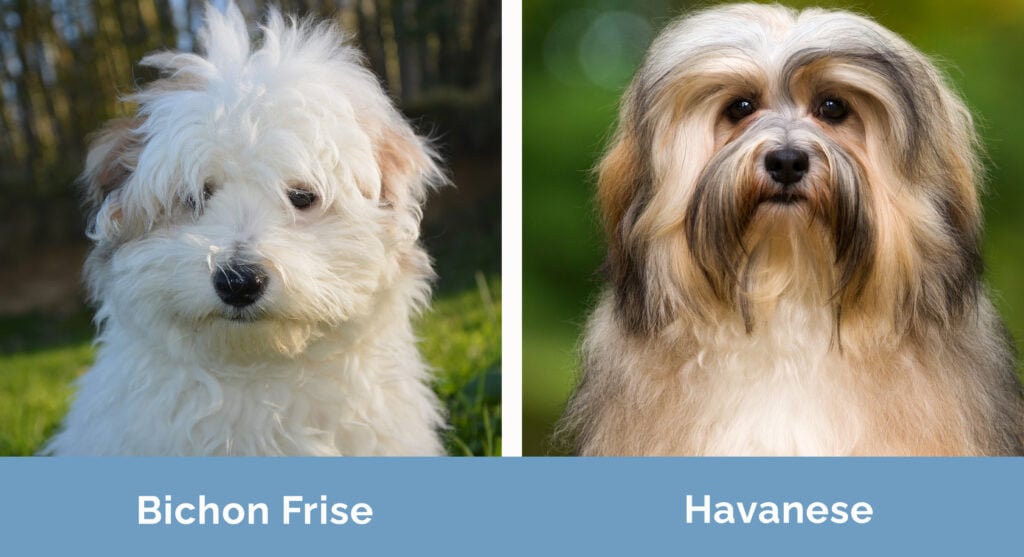
If appearance is part of your decision, the Bichon can be taller and heavier than the Havanese. Also, they are primarily white and have a curly, coarse coat, while the Havanese can come in multiple colors and they have a long silky coat.
If you want a dog with fewer grooming requirements, the Havanese is slightly better than the Bichon in this regard, but temperament-wise, they are quite similar.
If you’re looking for a watchdog, the Havanese is the better choice, and while they aren’t exactly yappy, they do tend to bark more than the Bichon.
So, there you have it! Both breeds have much in common: They require similar exercise, are outgoing, get along with kids and other pets, and need someone home most of the time. Basically, you can’t go wrong with either breed. The Bichon Frise and Havanese will make any family happy with their new companion!
Related Reads:
Featured Image Credit: (L) Kellymmiller73, Shutterstock | (R) Sandra Huber, Shutterstock
Get Hepper In Your Inbox


Pet care tips from our vets and experts, straight to your inbox.
You may opt-out at any time. View our Privacy Policy for more information.

Kathryn was a librarian in a previous lifetime and is currently a writer about all things animals. When she was a child, she hoped to work in zoos or with wildlife in some way, thanks to her strong love for animals. Unfortunately, she's not strong in the sciences, so she fills her days with researching and writing about all kinds of animals and spends time playing with her adorable but terribly mischievous tabby cat, Bella. Kathryn is hoping to add to her family in the near future – maybe another cat and a dog.
Join the conversation
Ask a question, share your story, or send private feedback.