Hepper is reader-supported. When you buy via links on our site, we may earn an affiliate commission at no cost to you. Learn more.
Bichon Frise Pros & Cons: What To Consider Before Bringing One Home
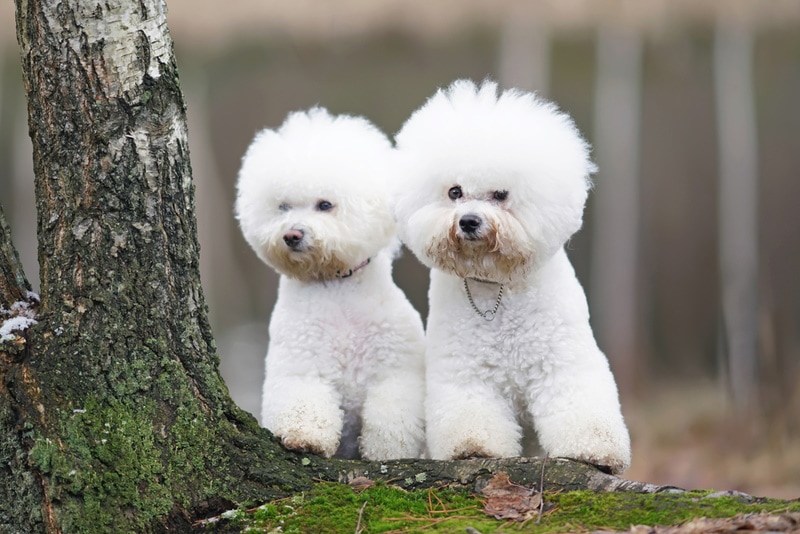
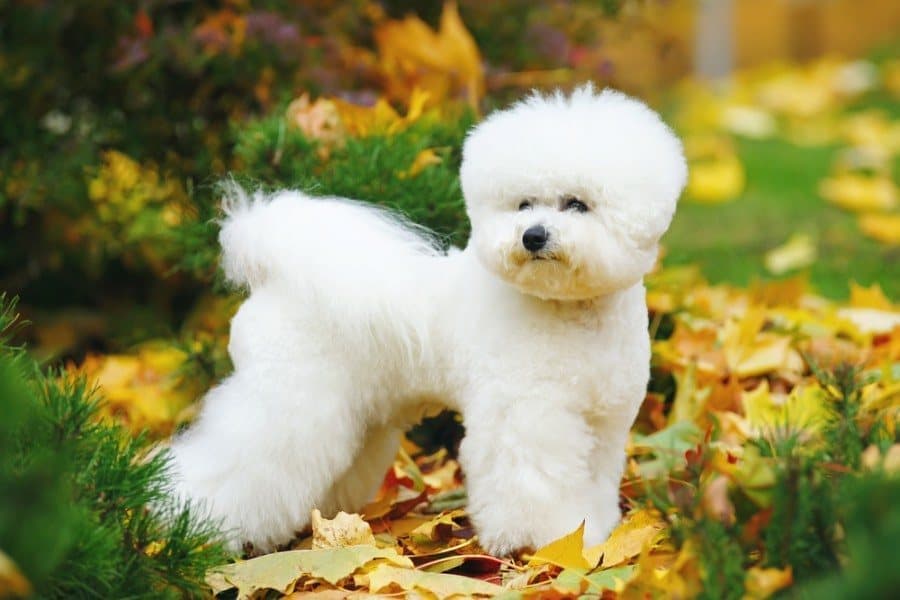
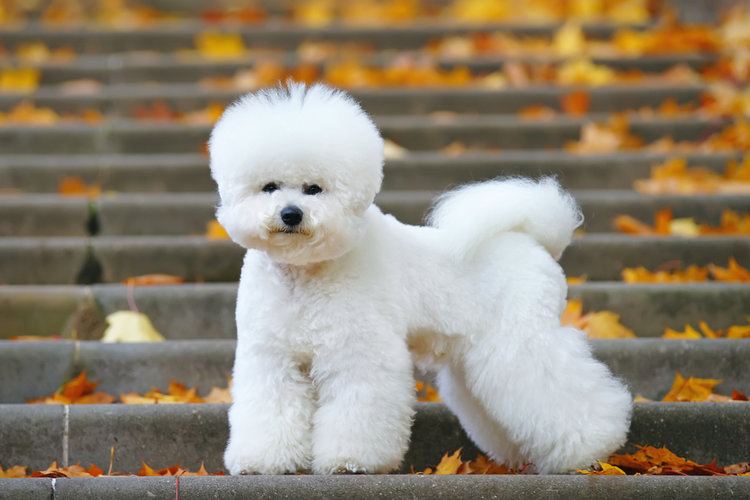
The Bichon Frise is an adorable little dog that was bred largely to be a companion. Therefore, they have many of the traits dog lovers often look for—friendliness, affection, and ease of training.
These dogs are slowly increasing in popularity, and for a good reason, however, not everything about these tiny dogs is roses. While there are many positives to adopting a Bichon Frise, there are some negative points you should be aware of, too.
Below, we’ll take a look at some of the pros of this breed, as well as the cons:

The 5 Pros of Owning a Bichon Frise
1. Low Exercise Needs
The Bichon Frise requires significantly less exercise than other dogs. Therefore, they’re perfect for those with a stricter schedule or for smaller spaces. They’re happy with a short walk around the block or even some indoor playtime. They even fit in smaller apartments with ease.
These dogs require mental stimulation, but this can also be met easily indoors. Puzzle toys and training can fulfill their need to learn, while a quick game of tug indoors can wear them out.
With that said, these dogs do still enjoy a good romp outside, and their exercise needs shouldn’t be neglected. Otherwise, they may develop behavioral problems like chewing and digging.
2. Affectionate
These dogs were bred to be companion animals. Therefore, they’re very affectionate and people-oriented. They’re great cuddle-buddies, but this also means that they need regular interaction.
They’re outgoing and love just about everyone. Bichon Frisse aren’t known for being aggressive or territorial, especially when socialized properly. As long as you treat them kindly, they will love you forever.

3. Low-Shedding Coat
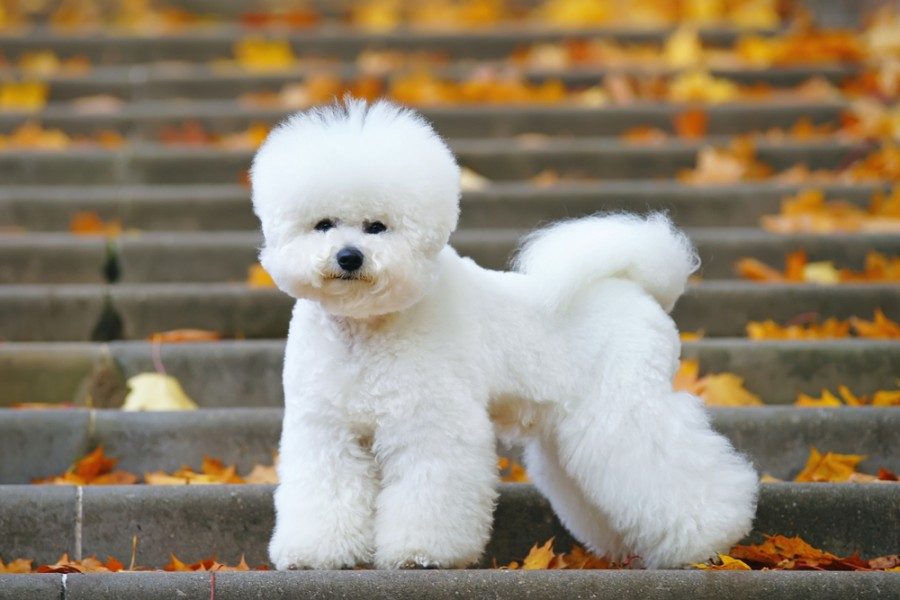
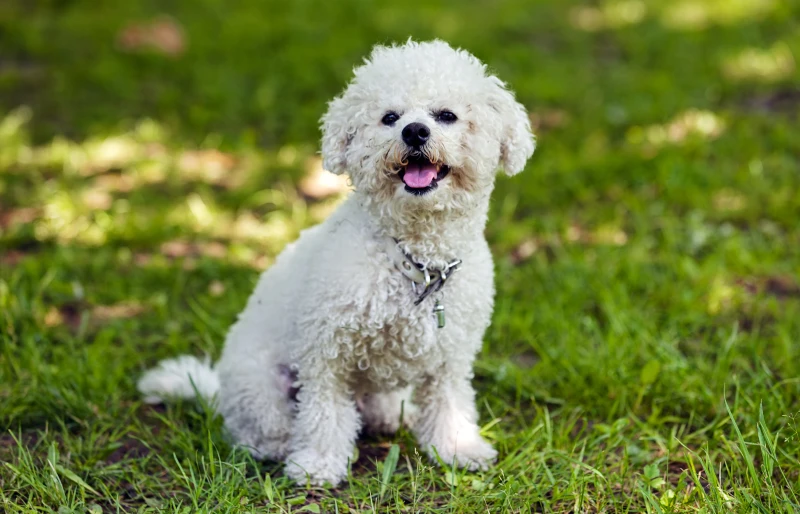
The Bichon Frise has a curly coat that doesn’t shed very much. Therefore, they’re a great option for those who don’t want to spend much time cleaning up dog hair. They don’t have an undercoat, so shedding is very minimal.
However, that doesn’t make them hypoallergenic. They still produce the dander and saliva that triggers dog allergies.
4. Good with Children and Other Pets
Bichon Frises are often good with children and other pets, especially when they are properly socialized. They may not be best for smaller children, as their small size makes them easily injured. However, they make great companions for older children.
They aren’t particularly aggressive or territorial towards other dogs, either. When socialized well, they can get along with just about any other canine. They’re great for multi-dog homes for this reason.
This breed also doesn’t have a huge prey drive. Therefore, they won’t chase cats as much and may even get along with other pets, like larger rabbits.
5. Trainable
Unlike some other small breeds, the Bichon Frise can be trained easily and is rather intelligent. These dogs can learn tricks relatively easily with positive reinforcement. Plus, they’re people-oriented enough to listen to you—most of the time.
With that said, they aren’t the most trainable dogs out there. German Shepherds and similar breeds will have them beat in the obedience department. Compared to other small dogs, they are extremely trainable, though.

The 4 Cons of Owning a Bichon Frise
1. Separation Anxiety
Bichon Frises are extremely prone to separation anxiety, as they are very people-oriented. They’re so people-oriented that it can be hard for them to spend time without people. They need lots of companionship and may not be able to deal with being home alone for much of the day. If you work full-time, a dog walker may be required (even though they don’t need tons of exercise).
These dogs need to be crate-trained from an early age, as this can help them learn to be alone. It’s important not to carry them around and baby them as puppies, as this may make them too reliant on people.
2. Difficulty Housebreaking
These canines may have a hard time being housebroken. They have extremely small bladders, so they need to be let outside often. As little puppies, they may need to use the bathroom as much as every hour. Therefore, most people don’t attempt to housebreak them when they are very little, as this is nearly impossible unless you spend all day at home.
Instead, getting an indoor “potty area” or something similar is recommended. For many people, taking their puppy outside every hour just isn’t practical.

3. Grooming
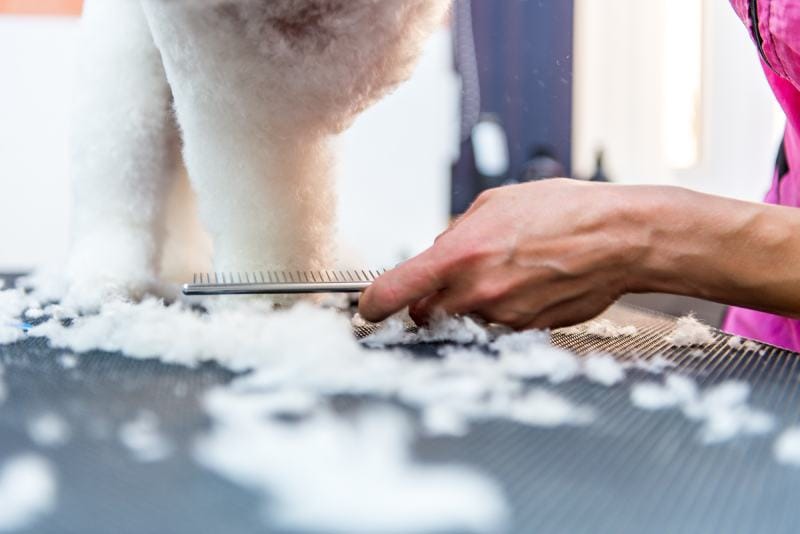
While these dogs don’t shed, they do require regular grooming. Their coat needs to be brushed daily to prevent mats and help keep them clean. Plus, they also need to be professionally groomed every few weeks. You can choose low-maintenance cuts that don’t require as much brushing (such as the puppy cut). However, these cuts often require more trips to the groomer.
You should plan on spending a bit of money on grooming your Bichon Frise, even if you do most of it at home. Furthermore, this is an extra time investment that you need to consider.
4. Health Problems
Bichon Frises are mostly bred for their looks and friendliness—not their health. Working dogs cannot continue to work if they have health issues. However, a Bichon Frise can keep being a companion with health problems. Therefore, their health is often a lower priority than it is for other dogs.
These dogs aren’t incredibly unhealthy. However, they can be prone to bladder stones, dental problems, eye infections, and allergies. These problems aren’t deadly or life-changing, but they do mean increased vet bills. Plus, because they’re so small, these dogs are prone to birthing problems. Therefore, they may cost more to purchase.


Final Thoughts
Bichon Frises are adorable dogs. However, not everything is amazing about this breed. They’re prone to health issues and are very difficult to housebreak due to their smaller size. Their non-shedding coat is a big plus for many pet owners. However, it also means that they must be groomed regularly—a huge time and money investment.
This breed is extremely people-oriented. This means they’re affectionate and tend to follow their people around the house. However, they can also develop separation anxiety. Some extra work needs to be done when they’re puppies to help prevent these problems.
Before adopting this breed, it’s important to understand both the pros and cons. While they can make great companion dogs, they do have some training difficulties and health problems.
Sources
Featured Image Credit: Eudyptula, Shutterstock
Get Hepper In Your Inbox


Pet care tips from our vets and experts, straight to your inbox.
You may opt-out at any time. View our Privacy Policy for more information.

Kristin is passionate about helping pet parents create a fulfilling life with their pets by informing them on the latest scientific research and helping them choose the best products for their pets. She currently resides in Tennessee with four dogs, three cats, two fish, and a lizard, though she has dreams of owning chickens one-day!
Join the conversation
Ask a question, share your story, or send private feedback.