Hepper is reader-supported. When you buy via links on our site, we may earn an affiliate commission at no cost to you. Learn more.
How Big Do Bichon Frises Get? Size & Growth Chart
In this article
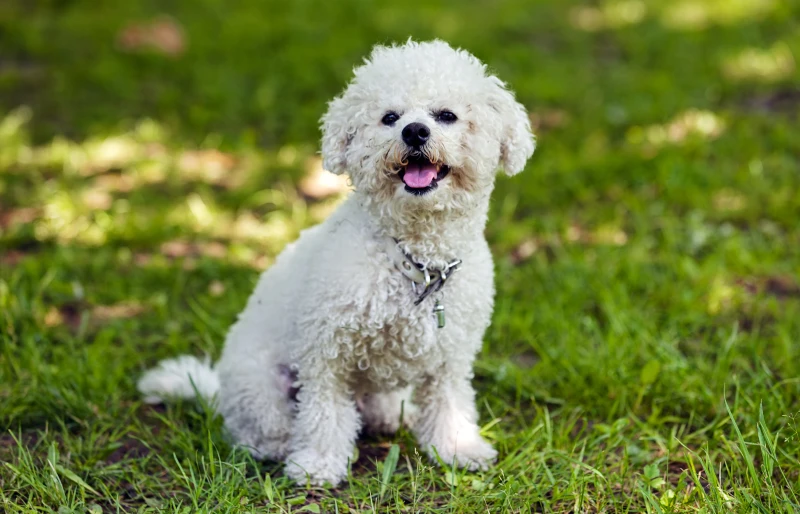
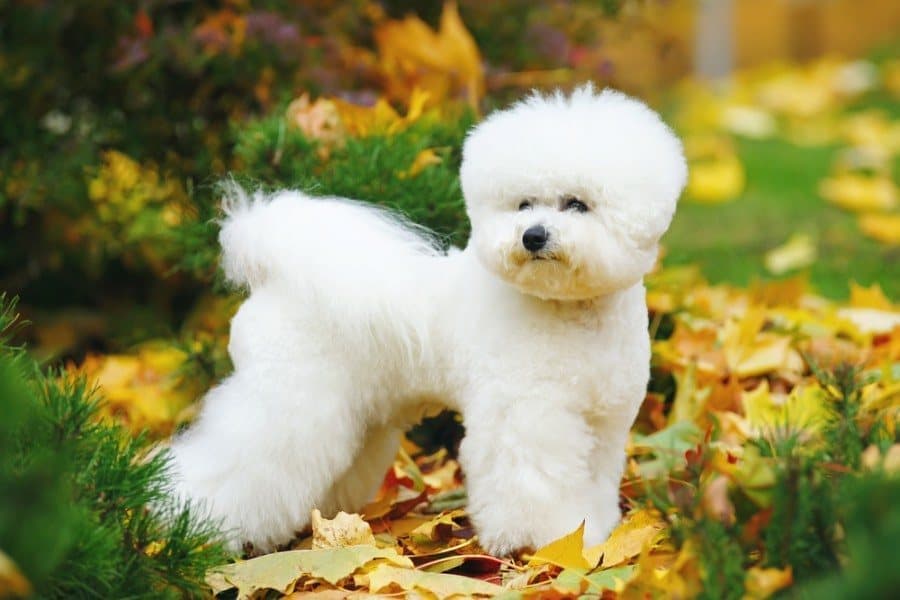
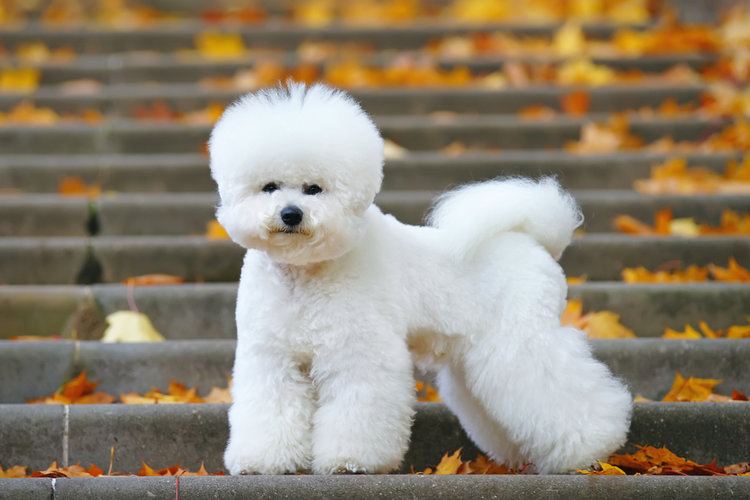
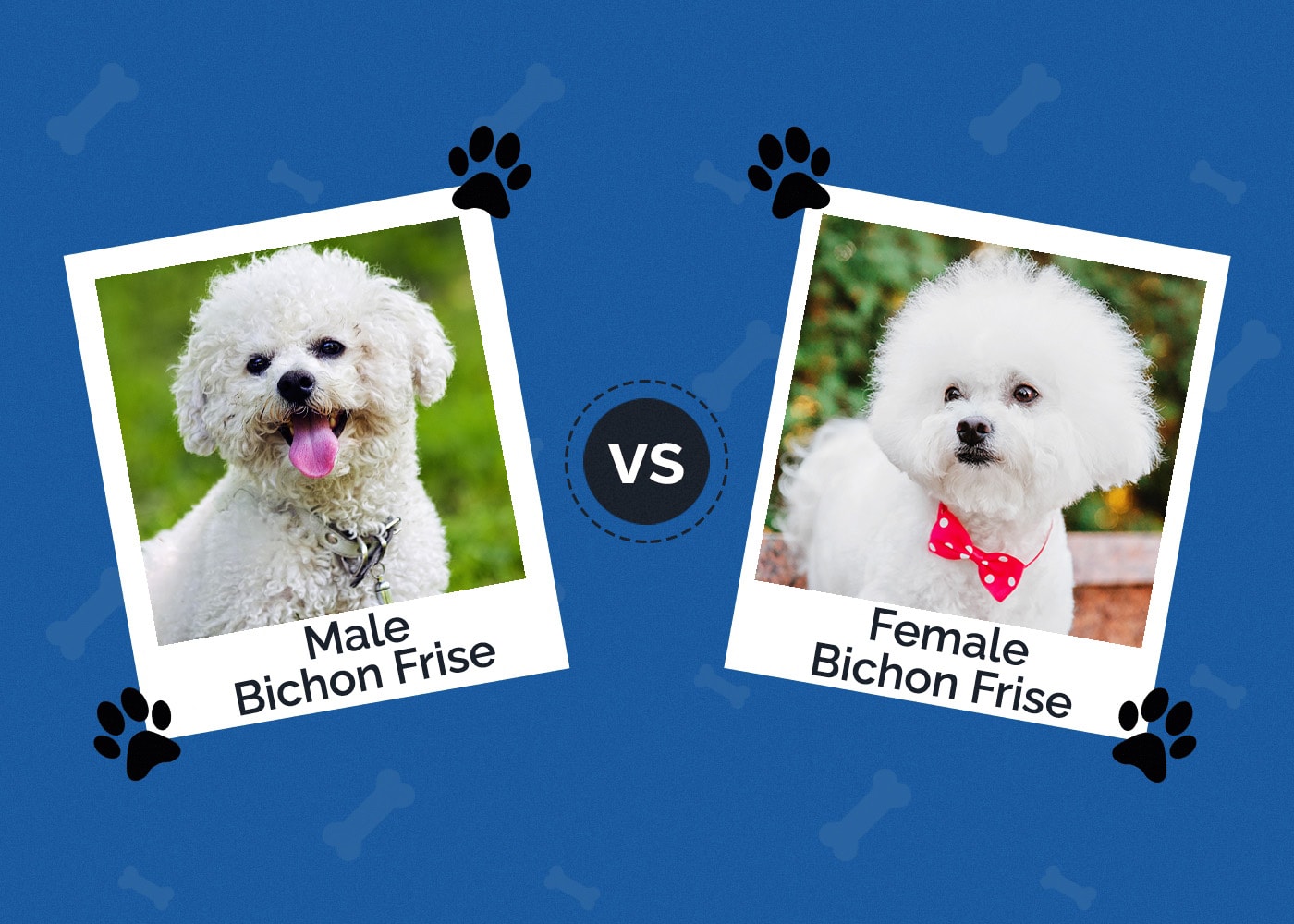
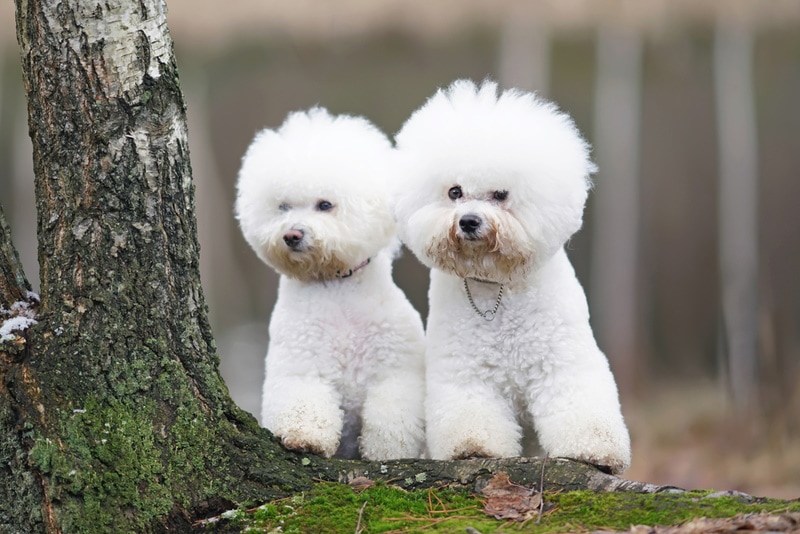
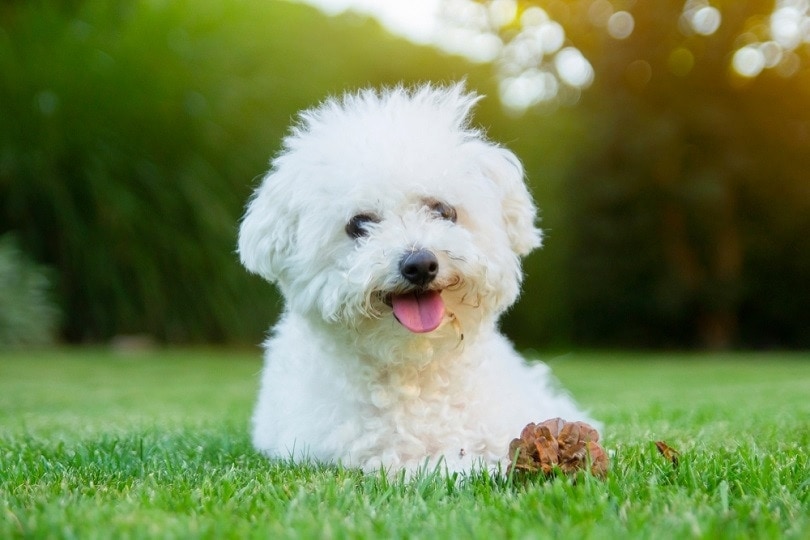
The Bichon Frise is a small French breed of companion dog. Although it may have originated from water breeds, most records regarding the Bichon Frise suggest that it has been kept primarily and predominantly as a companion, and it was especially popular with French nobility during the 16th Century.
The breed remains popular and one of the reasons for its popularity is that it is a small breed. An adult can weigh between 10-16 pounds and can be 9-12 inches long. It can adapt to life in an apartment, although certainly won’t complain at being given some outdoor space in which to run around, and it is considered a happy breed, although it can suffer separation anxiety and does have a slight tendency to be vocal.

Bichon Frise Breed Overview
The Bichon Frise is believed to have originated in France, although some experts argue that it was actually the Italians that brought the dog back to mainland Europe from the Canary Islands. In any case, the breed is a popular companion pet.
It is considered a happy breed that will get along with family members. It is lively and is usually always up for a game. It can be quite a lively dog, but its relatively small size means that it doesn’t require too much in the way of exercise.
The breed is intelligent, and it will need somewhere to channel this intelligence. Consider signing up for agility and training classes early in the dog’s life because this will help ensure that it has a legitimate output for its energy. It can also help to teach the Bichon not to jump up while teaching the “quiet” command can go a long way to ensuring your sanity.
One area where the Bichon does not necessarily excel is in its need to have its humans around. The breed is prone to separation anxiety and a stressed Bichon Frise left to its own devices for too long is likely to exhibit destructive and other unwanted behaviors. Those that go out to work or school all day may want to consider a different breed, or at least consider getting a regular walker.
Bichon Frise Size and Growth Chart
The Bichon Frise is a small breed that as an adult can weigh between 10 and 16 pounds. Males usually weigh a little more than females, and obviously, that is a large weight bracket that the dog can fall into. In this chart, we look at Bichon Frises at different ages so that you can determine whether your pup is on the right track or whether it is either under or overweight for the breed.
| Newborn | 6 – 8 ounces | 5 – 6 inches |
| 1 month | 1 – 1.5 pounds | 5 – 6 inches |
| 2 months | 1.5 – 2 pounds | 6 – 7 inches |
| 4 months | 3 – 5 pounds | 7 – 8 inches |
| 6 months | 6 – 9 pounds | 8 – 9 inches |
| 12 months | 10 – 16 pounds | 9 – 12 inches |


When Does a Bichon Frise Stop Growing?
Smaller breeds tend to reach maturity and stop growing sooner than big breeds, and because the Bichon Frise is such a small dog breed, it is considered fully grown by the time it reaches about 9 to 10 months, although some may continue growing until they reach 12 months of age. The breed has a typical lifespan of 12 to 15 years and is considered senior when it reaches the age of between 7 and 10 years. Every individual dog is different and while some might become less active and really slow down at the age of 7 years, others will keep going and be lively and active dogs until they reach 10 years or more.
Factors Affecting the Size of Bichon Frises
Ideal Diet for Maintaining a Healthy Weight
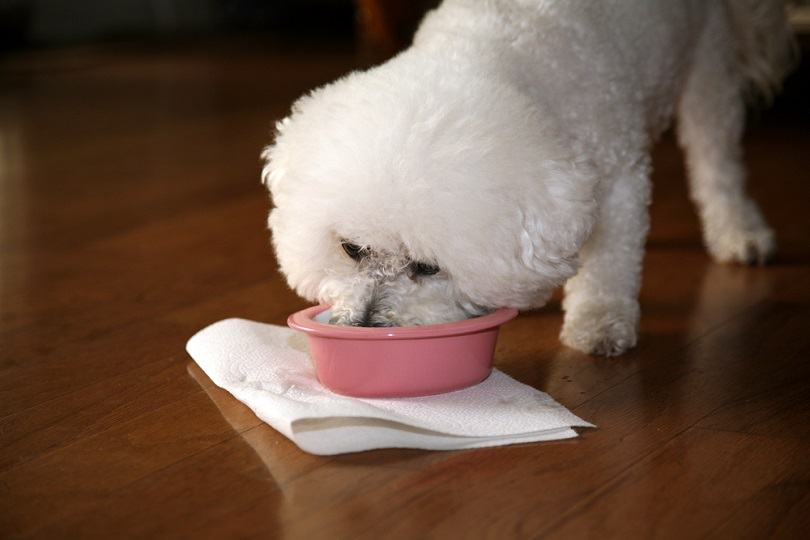
Typically, a Bichon Frise needs between a half and a whole cup of good-quality dry kibble every day. Ensure that the kibble is a complete meal, which means that it meets all of the dietary requirements of your dog, such as protein levels as well as the inclusion of vitamins and minerals.
Alternatively, you can feed wet food, but be aware that canned food can cause more weight gain because it is higher in calories. Weigh your dog and follow the feeding guidelines on the packet. If you find your dog is putting on weight, consult a vet, adjust the feeding schedule, and move to a diet food that does not contain as many calories but still meets the daily dietary requirements of the breed.
The raw food diet has become increasingly popular. If you follow this diet plan and create all the meals yourself, it does require a lot of research and measurement to make sure you get everything right, but there is also an increasing number of companies that offer premeasured and prepackaged raw meals.
How to Measure Your Bichon Frise
To ensure that your Bichon Frise is on track and meets expected size standards for the breed, you will need to measure them regularly. To measure the height, use a tape measure and measure from the floor to the withers, which is the top of the shoulder. The expected height is usually given in inches. To measure weight, if you can’t convince your dog to sit calmly on scales, weigh yourself and then weigh yourself holding the dog. The difference between these two measurements is how much your dog weighs. This is especially useful information when determining the amount of food you should give at meal times. Your vet can also measure the height and weight of your dog for you, and this may be included as part of a checkup or consultation.


Conclusion
The Bichon Frise is a popular companion dog breed. It is a small breed that is lively, friendly, and intelligent. It will usually reach its full adult size by the time it reaches 10 months, although it may still grow a little more until the dog reaches 12 months of age. If you are worried about the height or weight of your dog, consult a vet and let them know of any other symptoms or concerns you have.
Featured Image Credit: Radovan Zierik, Shutterstock
Get Hepper In Your Inbox


Pet care tips from our vets and experts, straight to your inbox.
You may opt-out at any time. View our Privacy Policy for more information.

Nicole is a lover of animals of all sizes but is especially fascinated with the feline variety. She’s the proud mom of Baby, a Burmese, and works every day so he can relax in the sunshine or by the fire. She’s always had a cat in her home and has spent countless days with others, observing behaviors and softening up even the grouchiest of the lot. Nicole wants to share her kitty expertise with you so you and your cat can live happy, healthy, and care-free.
Join the conversation
Ask a question, share your story, or send private feedback.