Hepper is reader-supported. When you buy via links on our site, we may earn an affiliate commission at no cost to you. Learn more.
Bobcat vs House Cat: Key Differences (With Info & Pictures)
In this article
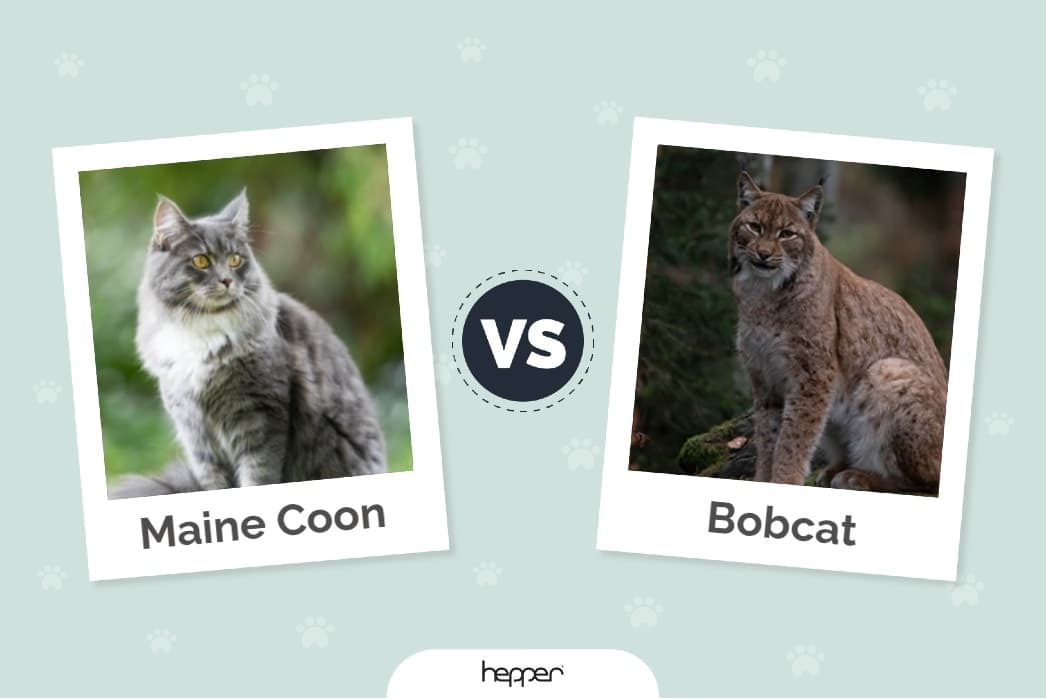
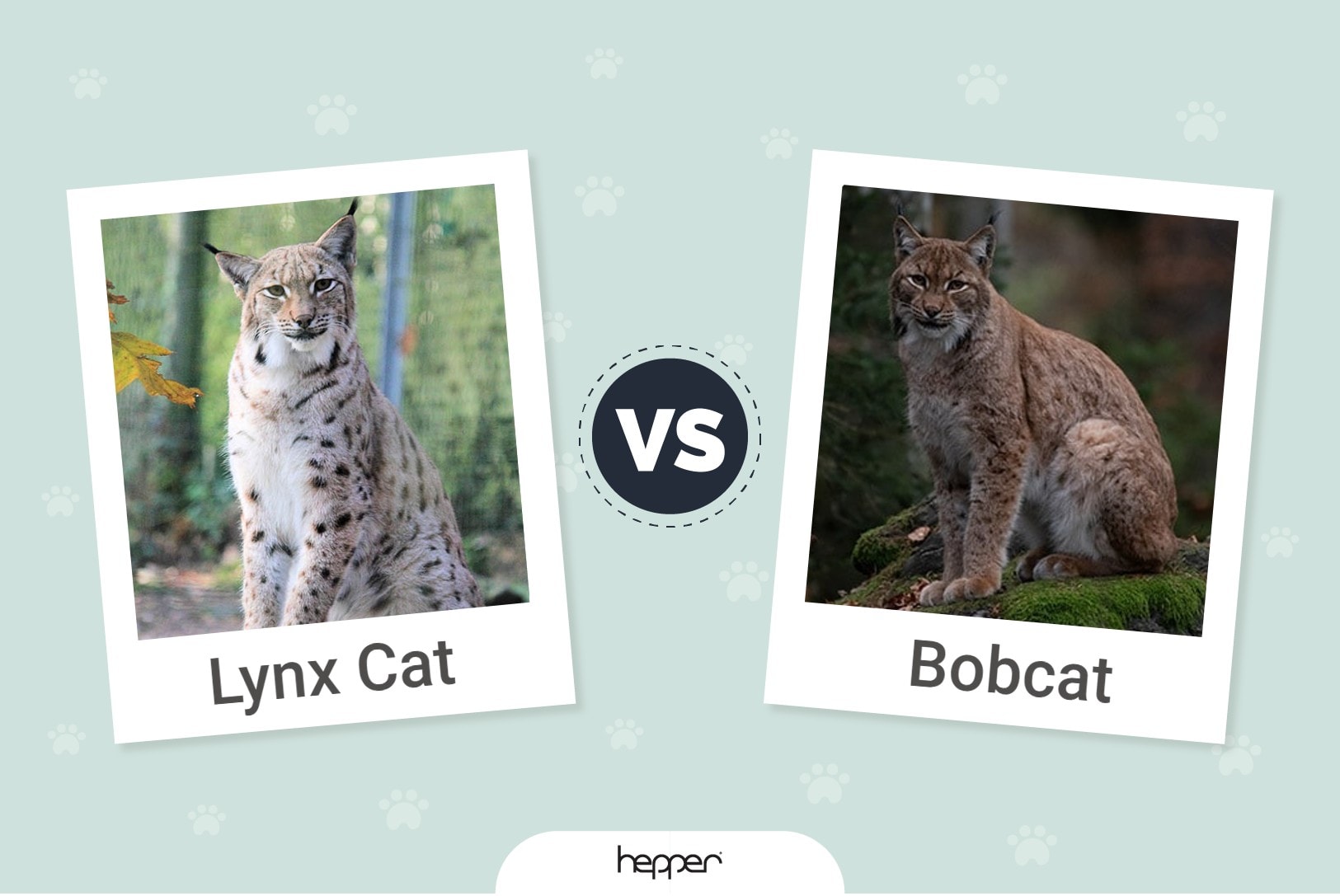
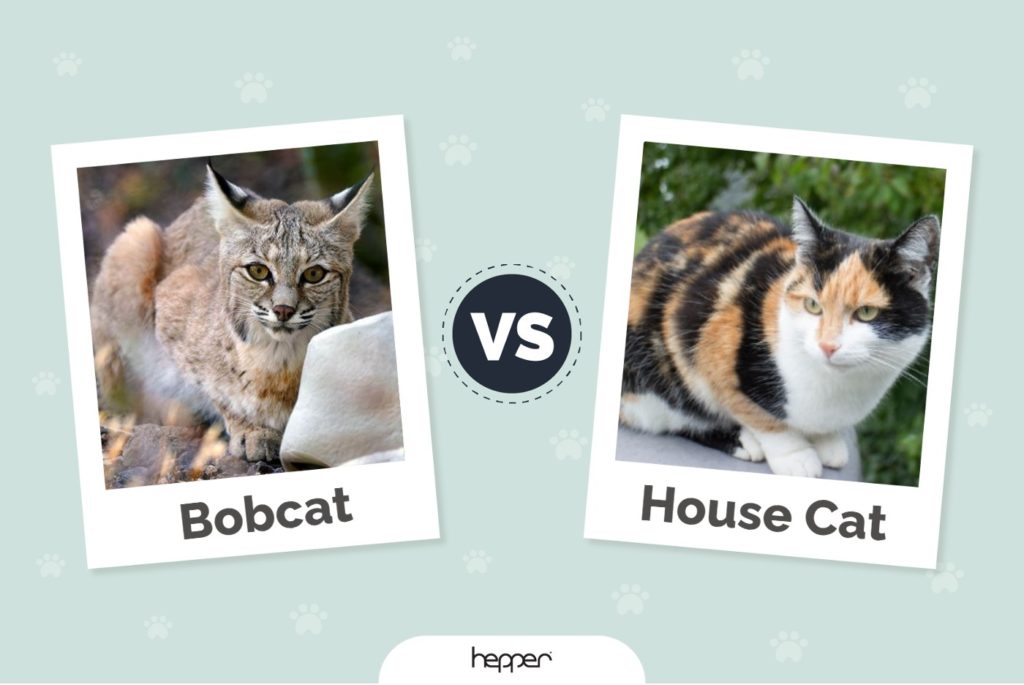
Have you ever seen a bobcat? Bobcats are found all over the continental US and in much of Canada and Mexico, but many never notice them. Part of that is because these cats tend to come out mostly at night and like to stay away from humans. But you might also see a bobcat without even knowing it. These wild cats have distinct differences from house cats, but at a glance, they can look very similar.
Read on to find out more about the differences between these two breeds.

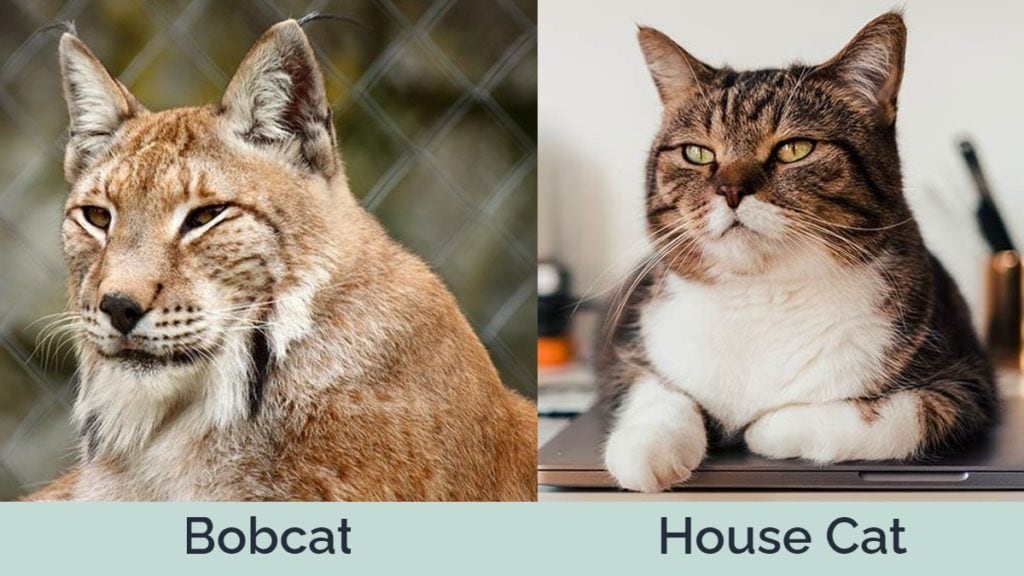
Visual Differences
At a Glance
Bobcat Overview
Characteristics & Appearance
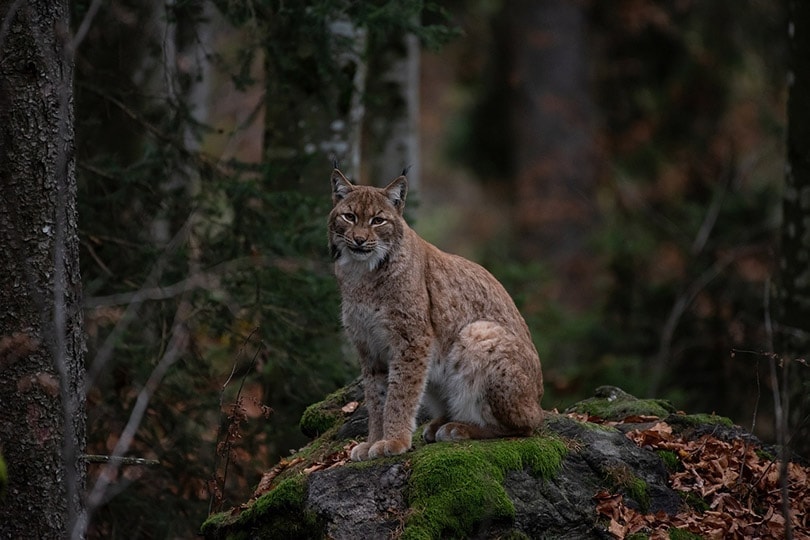
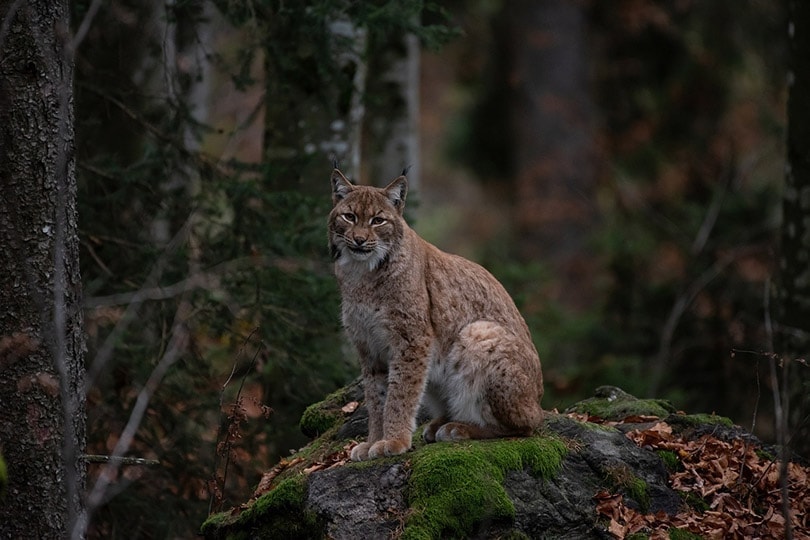
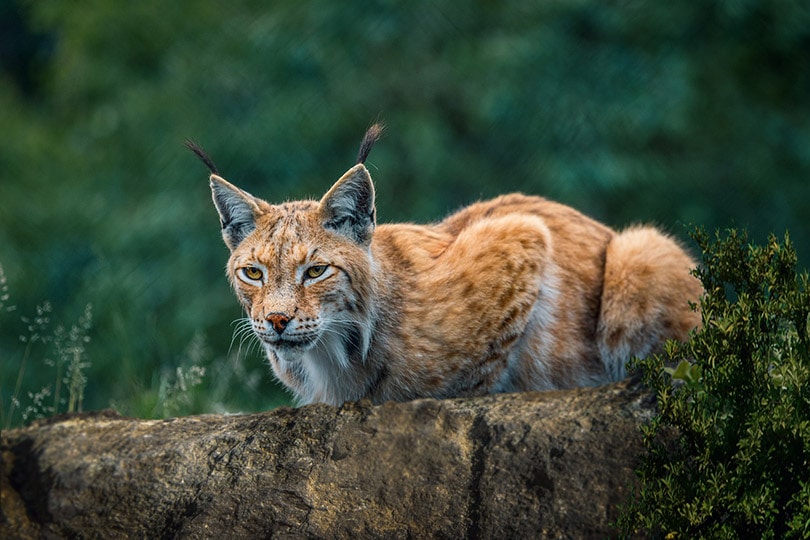
Bobcats are mid-sized wild cats with reddish-brown to gray coats and distinctive short tails. Their size varies a great deal depending on environment and gender, but they are usually larger than house cats, with some weighing 50 pounds or more. Males are larger than females. They have lean, muscular bodies with longer hind legs than front legs. They also have a distinctive short tail that’s between eight and ten inches long.
Bobcat coats also depend on their environment. In general, they come in shades of gray, with some coats appearing more red or brown than others. Their coats are covered with small dappled spots. Bobcats also have distinctive patterns on their ears and tails. Their ears are black with a white stripe across the back of them, while their tails are striped with a black spot on top and white underneath. They have small tufts of fur on the ears and may have longer “sideburn” tufts on their cheeks. In cold areas, bobcats can get a longer, shaggier winter coat.
Behavior and Habitat
Bobcats are found all over the United States in a variety of different habitats. They are often found in woodlands, swamps, scrub deserts, and mountainous areas, adapting to their environment. In recent years, increasing numbers of bobcats have also moved into suburban and even occasionally urban areas. These city-dwelling cats might hunt small mammals and birds that have moved near humans, but they will also sometimes scavenge for food left behind by humans.
In both urban and wilderness areas, bobcats are active mostly in the hours just before dawn and just after dark. They tend to be reclusive, fleeing from humans, and because of their dappled coats, they blend in well with their environment.
House Cat Overview
Characteristics & Appearance
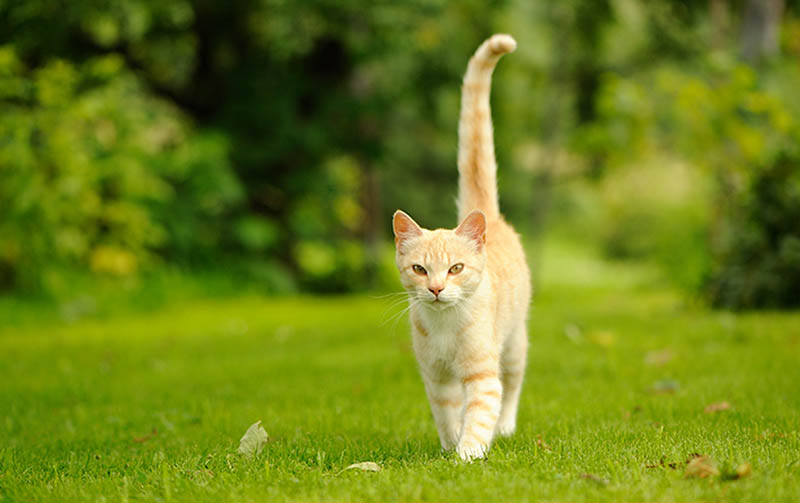
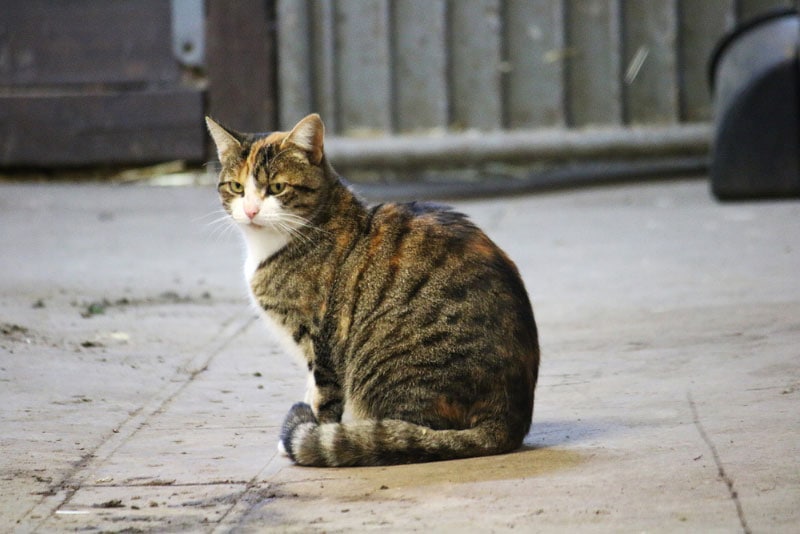
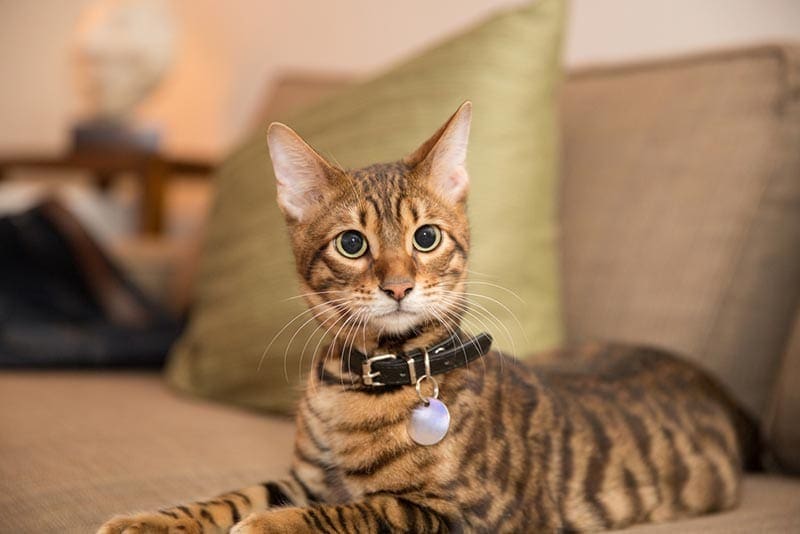
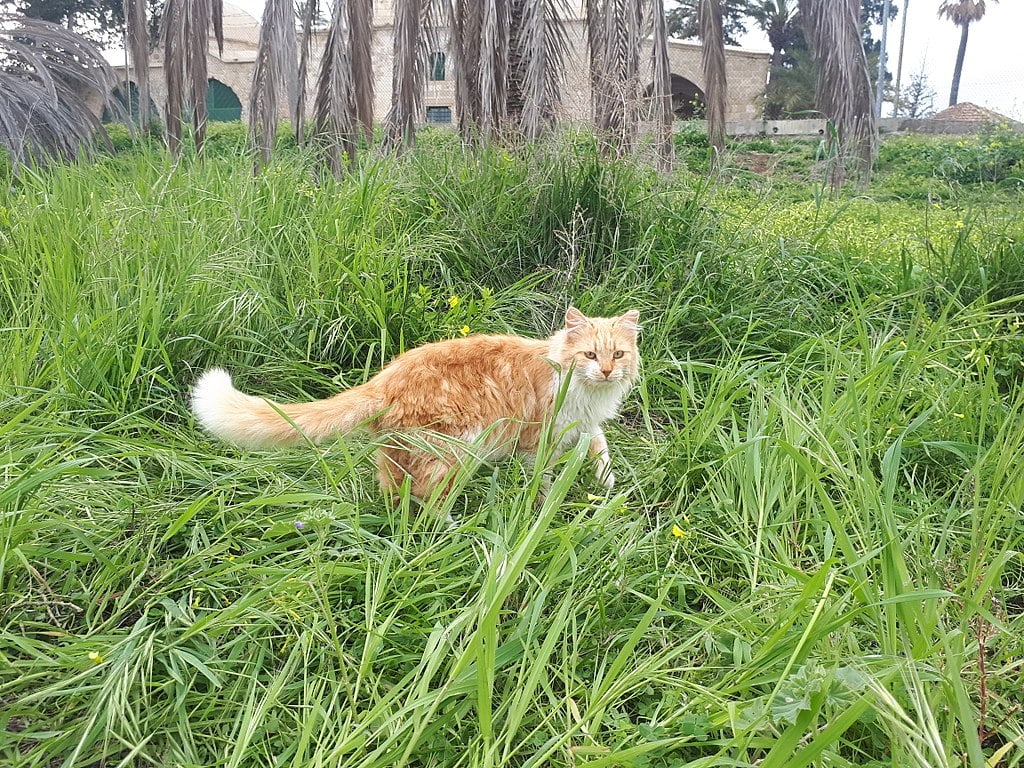
House cats have a range in size from about 5-25 pounds, although some house cats with long fur can look much larger. They also have a vast range of fur and coat colors. They can come in grays and browns but are also likely to have fur that's black, white, orange, or some combination of those colors. House cats can have small spots, but this is a relatively rare coat pattern—it’s more common to see cats with tabby stripes, solid coats, or large patches of color. They can have long or short hair.
There are a few genes in house cats that can cause shortened tails, but the majority of house cats have long tails. These tails generally match the rest of the body and won’t have distinctive stripes or spots. Most house cats don’t have tufted ears or cheeks. They have shorter legs that are all about the same length.
Behavior and Habitat
House cats are much more likely to live near humans than bobcats; although some feral house cats escape to wilderness areas this is relatively rare and survival rates are low. Feral house cats might eat small prey and scavenge for food. Behavior around humans varies—some may be reclusive and skittish, especially cats born feral, but most house cats won’t hide from humans. House cats are most active around dawn and dusk, but they will also go through periods of activity throughout the day and evening.
What Are the Differences Between Bobcats & House Cats?
Size
Bobcats are larger than house cats on average, but there is some overlap, so size isn’t the only indication of species. A large bobcat is generally unmistakable, but smaller bobcats and large house cats might be easy to confuse. If you see a large cat, look twice before assuming one or the other!
Behavior
Bobcats and house cats can both be found in most areas, but house cats are less likely to be found in wilderness areas and bobcats are less common in urban areas. It is rare to see a bobcat in broad daylight. Bobcats also will generally avoid humans.
Physical Build
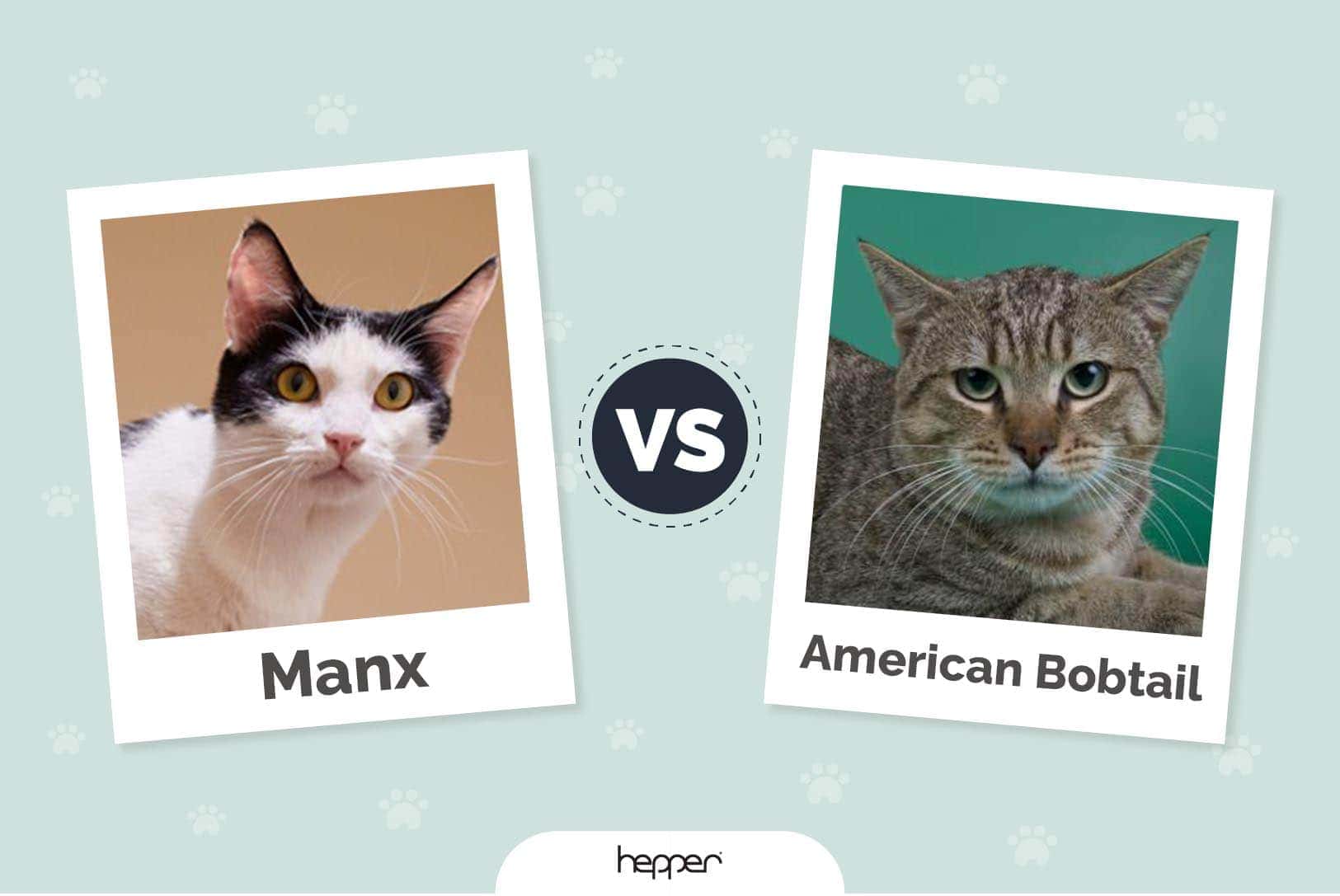
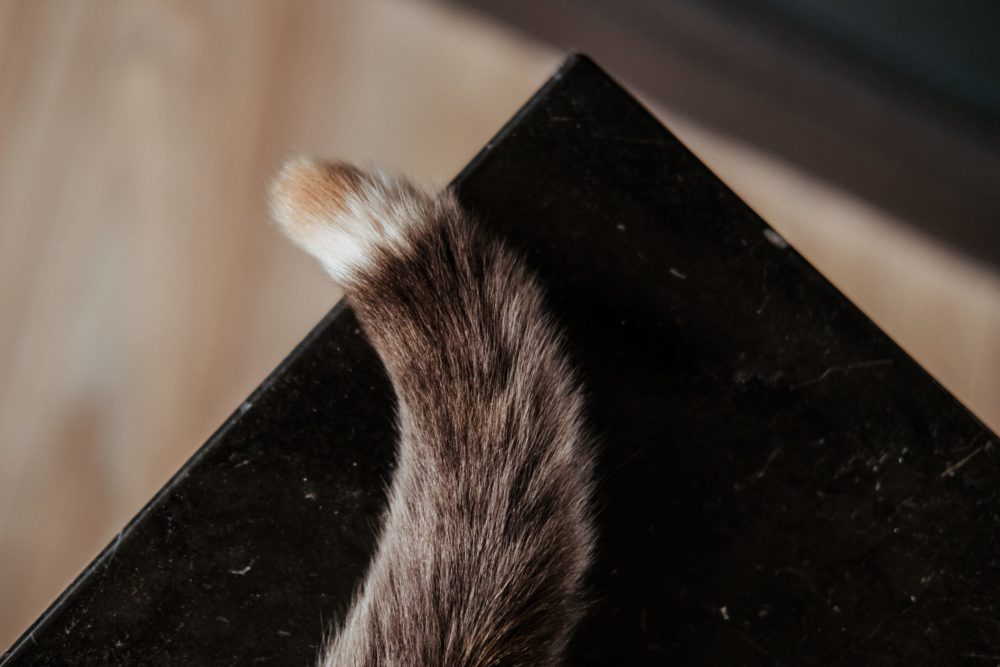
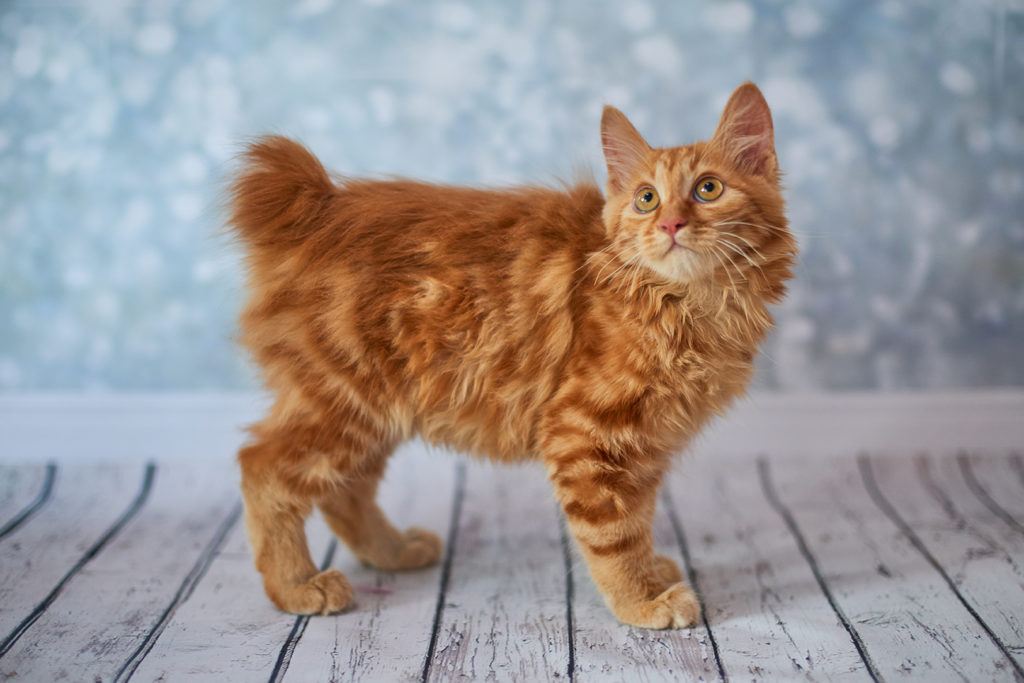
Bobcats have athletic, muscular builds. They also have shortened tails that are under ten inches long. House cats usually are less muscular than bobcats and have long tails. Some housecats have a “Manx” gene that affects tail length—these cats might have a half-length tail, a tiny stump tail, or no tail at all. Only the half-length tail looks similar to a bobcat’s tail. Bobcats also have proportionally longer legs, and their back legs are longer than their front legs.
Coloration
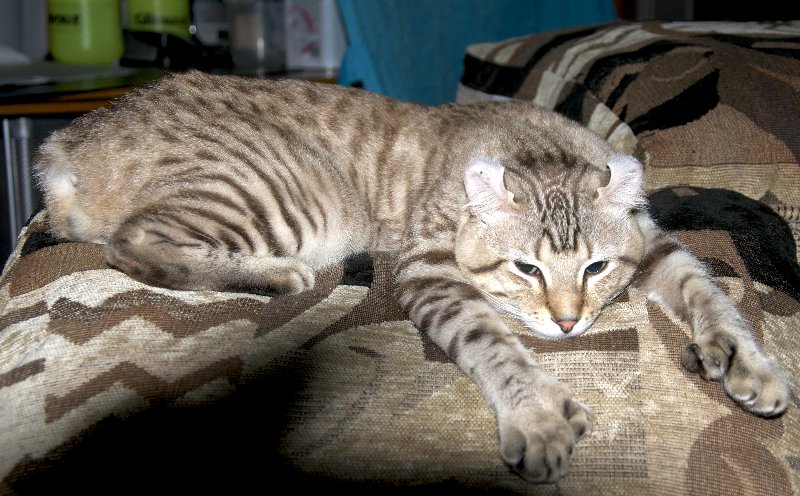
House cats come in many unique colors and patterns, but some do have gray fur coats that might look similar to a bobcat’s at a glance. House cats with mottled gray coats usually have distinct stripes, not rosettes or spots.
Bobcats always come in shades of gray and brown. They have darker flecks, spots, or rosettes on their coats, not stripes.
The surest way to tell a bobcat apart from a standard cat is through the coloration of their ears and tail. Bobcat tails have white undersides and a few black spots or stripes on the top of their tail, including one at the very tip. The backs of their ears are black with a horizontal white stripe running across them. Both of these traits set them apart from house cats.
Conclusion
Bobcats and house cats might look similar, but there are some pretty significant differences too. If you see one at a glance, it can be tricky to know what you’re looking at, but a few key differences can help you figure it out. Distinctive markings are the most surefire way of identifying a bobcat, but there are many other differences in appearance and behavior that can give you a good idea as well.
Sources
Featured Image Credit: (L) G. Parekh, Shutterstock, (R) Karen Kaspar, Shutterstock
Get Hepper In Your Inbox


Pet care tips from our vets and experts, straight to your inbox.
You may opt-out at any time. View our Privacy Policy for more information.

Chelsea Flake Mortensen is a writer with a passion for pets. She grew up around everything from cats to chameleons and loves working with all kinds of animals. Chelsea has a BA in English and Creative Writing from Brigham Young University.
Chelsea loves reading, writing, sewing, and board games. She's lived in half a dozen US states and two countries. She is currently living in New England with her husband. Her articles have been featured in various magazines and literary journals for children and adults. Her writing has been translated into over 40 languages.
Join the conversation
Ask a question, share your story, or send private feedback.