Hepper is reader-supported. When you buy via links on our site, we may earn an affiliate commission at no cost to you. Learn more.
Desert Lynx Cat: Pictures, Characteristics & Facts
In this article
Breed Overview
Height:
Weight:
Lifespan:
Colors:
Suitable for:
Temperament:
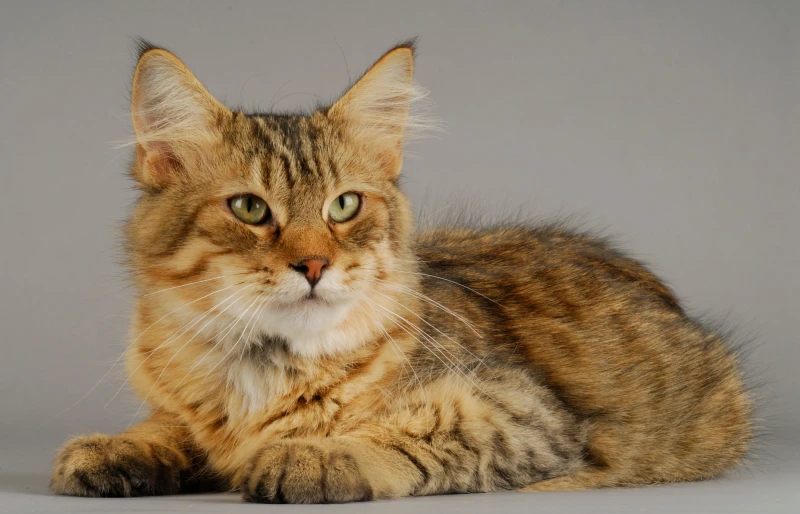
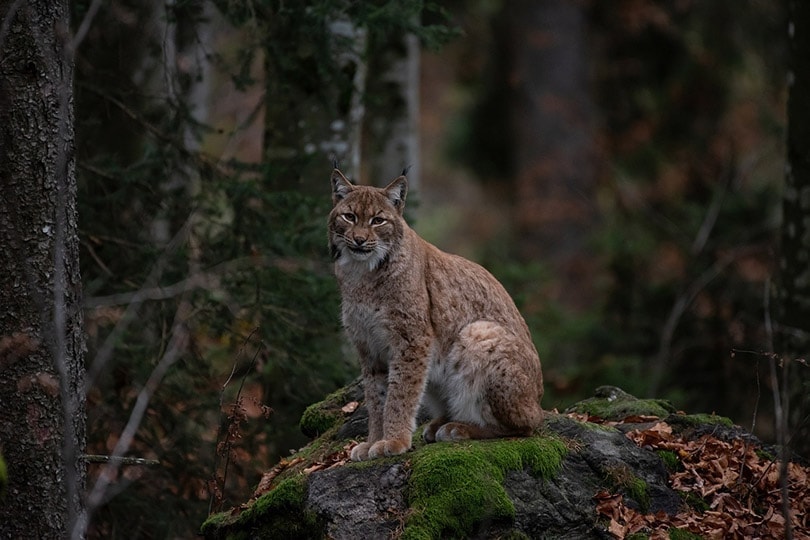
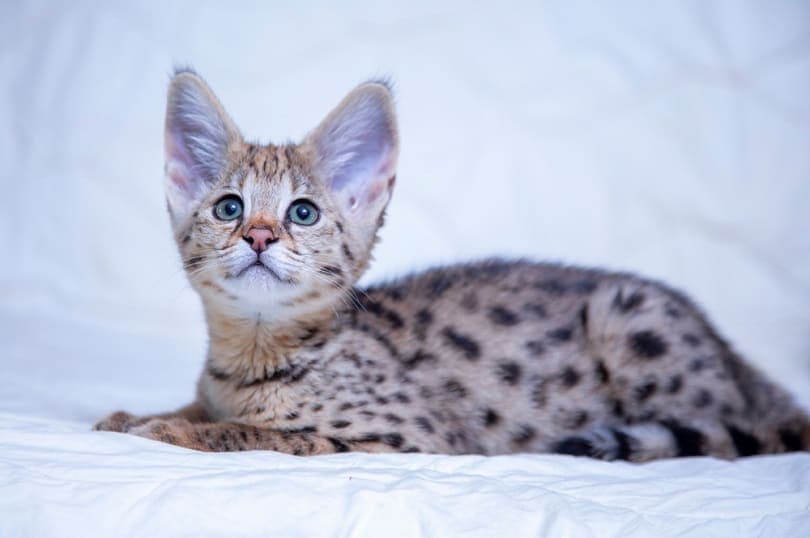
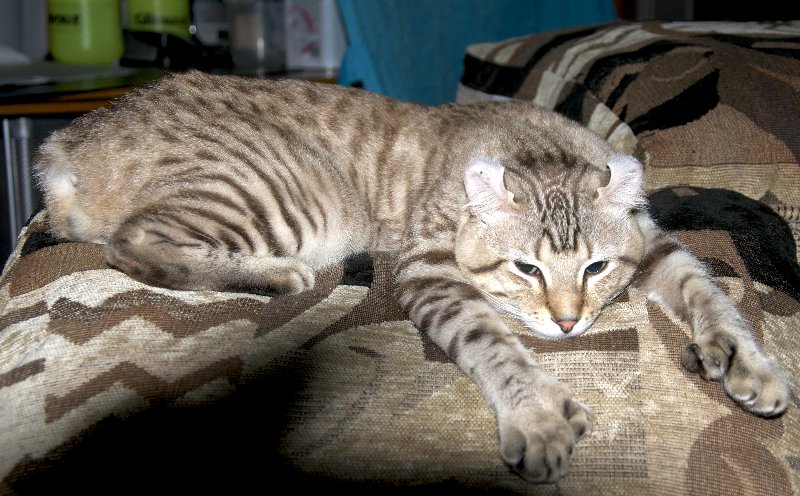
Despite the exotic name, Desert Lynx cats are homegrown in the USA. These beautiful cats are bred to resemble North American bobcats and lynxes as well as more exotic wildcats, with spotted coats, powerful musculature, and shortened tails. These cats are also known for their friendly temperament. Many Desert Lynx cats are fond of following their owners around and they demand a higher level of attention than many cat breeds. Some breeders claim that the Desert Lynx is a hybrid with bobcat blood, but others insist it’s just a beautiful lookalike. Either way, you’re sure to be enchanted by this exotic-looking cat.

Desert Lynx Kittens
3 Little-Known Facts About Desert Lynx
1. Desert Lynx Kittens May Have Bobcat Ancestors
The big mystery of desert lynx cats is whether the breed has any wild ancestry. Many breeders of these cats claim that they’re an exotic breed, with bobcat lineage that makes them stand out. But others are skeptical. Unlike some wildcats-domestic hybrids, there isn’t a long history of bobcats crossing with domestics. Without confirmed crossbreeds, some experts say that fertile bobcat-domestic cat crosses may be impossible.
2. This New Breed Is Recognized by the IPCBA
The Desert Lynx isn’t yet recognized by most of the major cat organizations, but this new breed does have some recognition. The International Progressive Cat Breeders Association was the first cat breeder’s organization to recognize the Desert Lynx.
3. Desert Lynx Cats Come In All Sorts of Colors
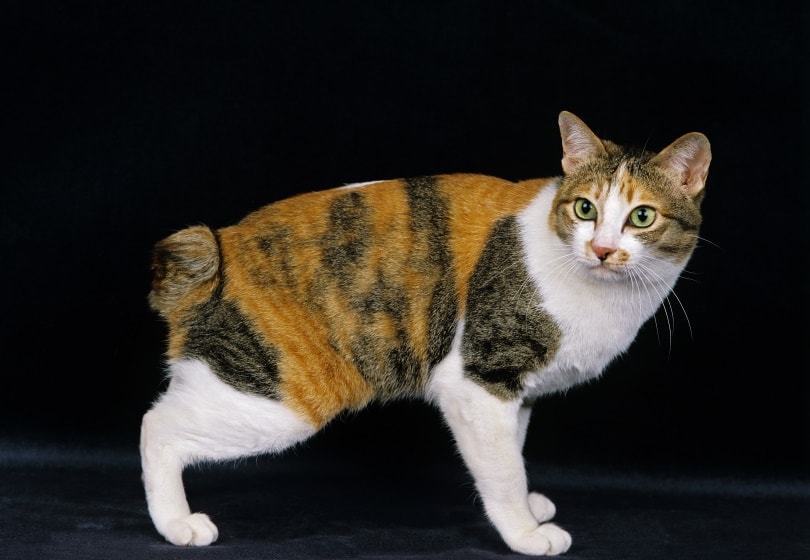
Although the most common coat colors are soft browns that resemble bobcats, there’s also a range of variants including blues and silvers. The most important features are the shortened tail, muscular body shape, and spotted or marbled coat.
Temperament & Intelligence of the Desert Lynx
Desert Lynx cats are known for being “people cats.” They are friendly, active, and intelligent, often forming close bonds with their owners. They may not do well with being left home alone for extended periods of time, but they’ll always be excited to see you.
Are These Cats Good for Families?
Desert Lynx cats are generally good family pets. They are friendly and outgoing, and they have a much higher tolerance for busy homes than many cat breeds. Some Desert Lynx cats are especially playful and love to interact with children of all ages.
If you do have cats and small children in the same household, it’s important to set boundaries and not leave them together without close supervision. Children are generally old enough to spend unsupervised time around cats when they are able to play gently and willing to give a cat space to leave the interaction if needed.
Does This Breed Get Along with Other Pets?
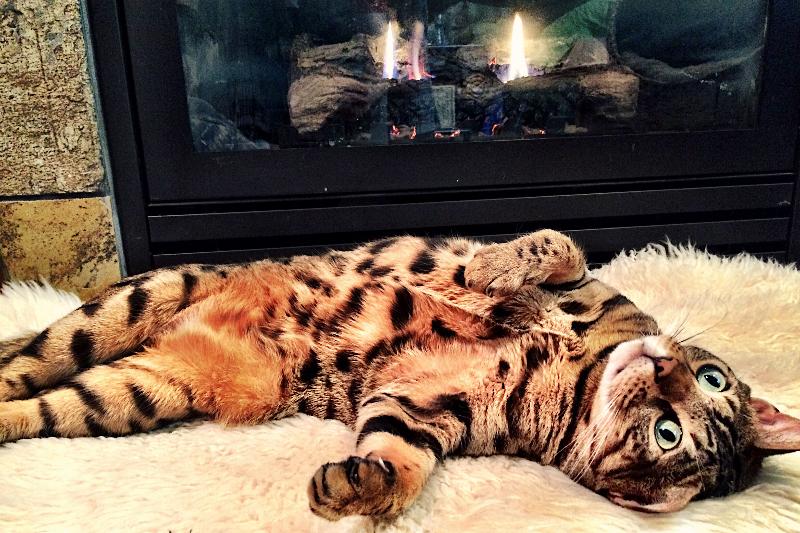
The Desert Lynx can thrive in a multi-pet household. Most of the time, Desert Lynx cats are happy to share a home with dogs if all the pets are properly introduced and socialized. Loud, aggressive dogs never make good housemates for cats, though! Desert Lynxes can also do well with other cats, but temperament mismatch can sometimes be a problem. Some reserved, quiet cats may find living with a Desert Lynx overbearing, especially if your Lynx is especially social towards other cats. They are more likely to be happy with an active, outgoing breed such as a Bengal, Siamese, or Maine Coon.
Things to Know When Owning a Desert Lynx
Food & Diet Requirements
Desert Lynx cats are healthiest when eating a high-protein, higher quality cat food that offers them complete nutrition. You should follow the instructions on your food to make sure you’re feeding the right amount for your cat’s activity level, but a good rule of thumb is 1/3 to 1/2 cup of dry food daily. Kittens under 12 months of age should be fed kitten food and may need larger portions to fuel their growing bodies. Less active and older cats may need slightly less food. You should always pay attention to your cat’s weight and build for signs of overfeeding.
Exercise
Desert Lynx cats are generally high-activity cats. They should be given lots of space to run as well as climbing trees and scratching posts to help them stay active. You should also expect to spend some time playing with your cat on a daily basis. Toys such as wands and light toys are a great way to have interactive play with your cat.
Desert Lynx cats should also have a variety of stimulating toys that will keep them from getting bored and give them lots of mental stimulation. Puzzle toys are especially nice for a Desert Lynx that seems to be bored throughout the day.
Training
Desert Lynxes are bright and intelligent, but like many cats they don’t always listen to instruction. It should be relatively easy to train them for basic behaviors such as litter box training, but other types of training will often lead to inconsistent results at best. Behavior issues should be solved from a multi-pronged approach, with training to avoid bad behavior and plenty of good alternatives put in place to make sure that your cat isn’t acting out because of boredom or lack of alternatives.
Grooming ✂️
Most Desert Lynx cats have short, low-shedding coats that are easy to groom. Brushing should occur on an as-needed basis. During the spring and fall, you might see more shedding than normal and need to brush two or three times a week to collect loose fur, while brushing can occur once a week or less during times of year when your cat doesn’t shed much.
Health and Conditions
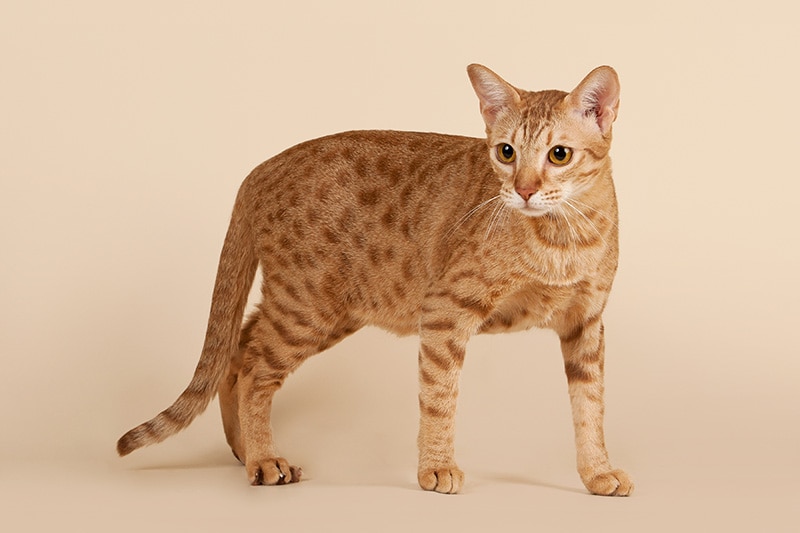
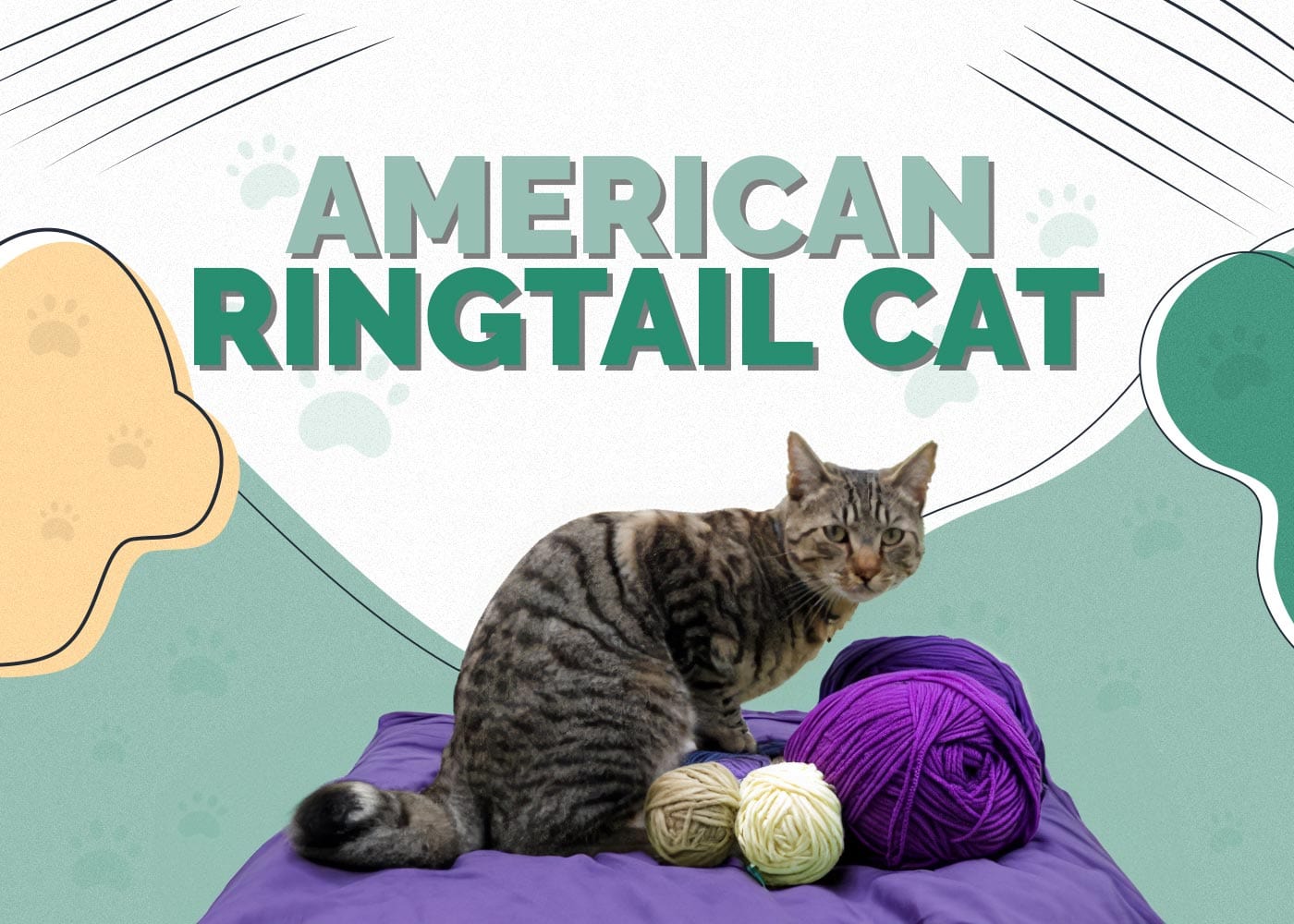
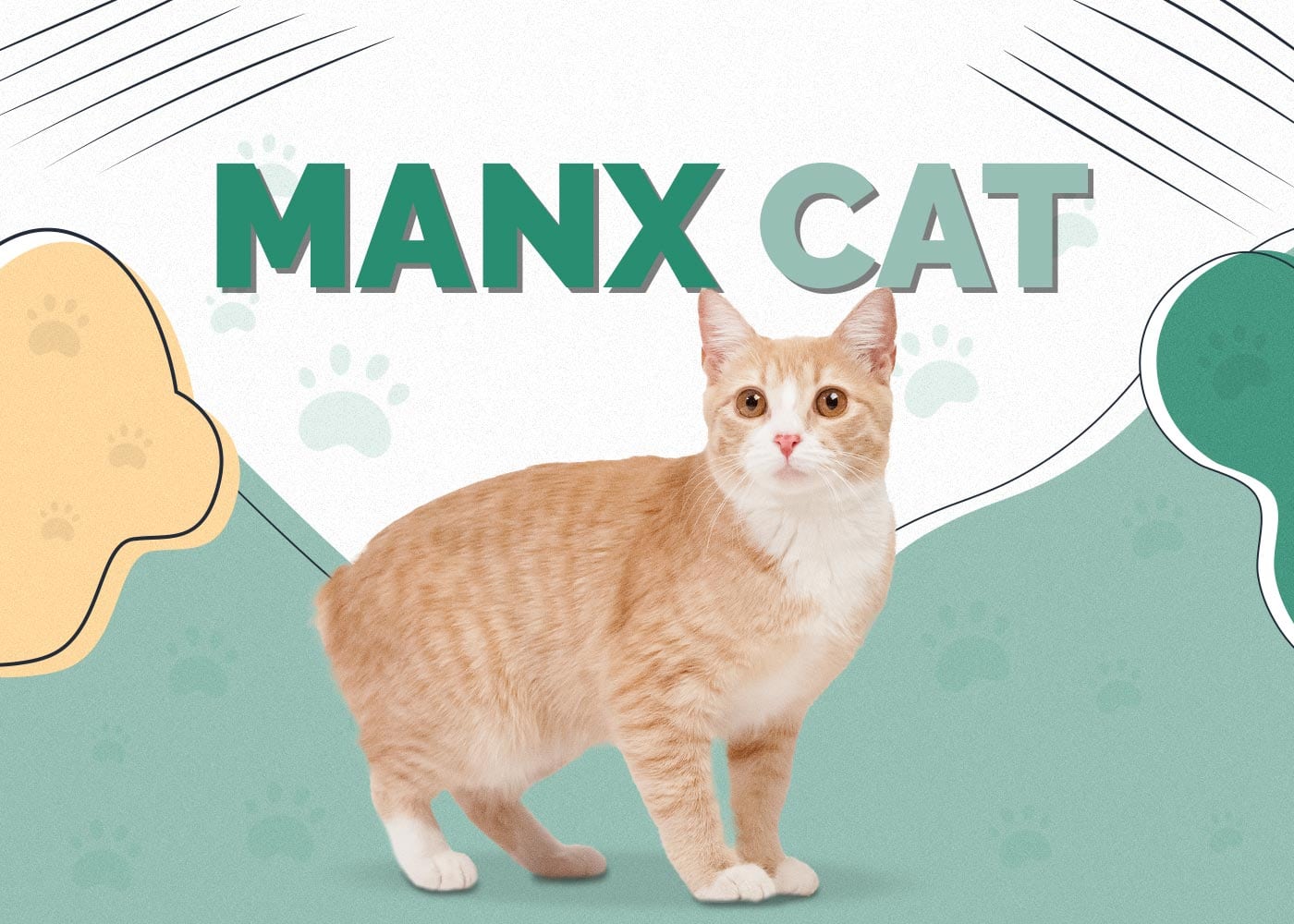
Because the Desert Lynx is such a new breed, there are currently no known health issues that are especially prevalent in this breed. Breed stock has come from a variety of cat breeds, including Ocicats, Manx cats, and Pixiebobs. This diverse gene pool means that many common problems with purebred cats are less likely to be found in this breed.
One possible health issue is Manx Syndrome, a range of nerve-related issues found in many breeds with shortened tails. Although this issue hasn’t been noted in the Desert Lynx specifically, it’s possible that their stubby tails can lead to similar issues.
Male vs Female
Male Desert Lynxes tend to be larger than females, but they have similar temperaments. Males are sometimes thought to be slightly more relaxed, but the differences between individuals mean that you aren’t guaranteed one way or another!
There is a bigger difference in temperament between Desert Lynx cats that are left unfixed and those that are spayed or neutered. Spaying your female cats and neutering your males will help both genders to be less aggressive, more relaxed, and less territorial. It can also reduce problem behaviors such as spraying and protect against some health problems.
Final Thoughts
The Desert Lynx might be a newer breed, but it still stands out. These friendly cats will bring a touch of wild beauty to your home without the wild temperament. They make great family pets and are generally outgoing, loving, and deeply attached to their owners. If you are lucky enough to own a Desert Lynx, you have the chance to form a bond that few get a chance to experience.
Related Read: Lynx vs Bobcat: How Do They Differ? (With Pictures)
Featured Image Credit By: Hippopx
Get Hepper In Your Inbox


Pet care tips from our vets and experts, straight to your inbox.
You may opt-out at any time. View our Privacy Policy for more information.

Chelsea Flake Mortensen is a writer with a passion for pets. She grew up around everything from cats to chameleons and loves working with all kinds of animals. Chelsea has a BA in English and Creative Writing from Brigham Young University.
Chelsea loves reading, writing, sewing, and board games. She's lived in half a dozen US states and two countries. She is currently living in New England with her husband. Her articles have been featured in various magazines and literary journals for children and adults. Her writing has been translated into over 40 languages.
Join the conversation
Ask a question, share your story, or send private feedback.