Hepper is reader-supported. When you buy via links on our site, we may earn an affiliate commission at no cost to you. Learn more.
Bouvier des Flandres Dog Breed: Info, Pictures, Traits & Facts
In this article
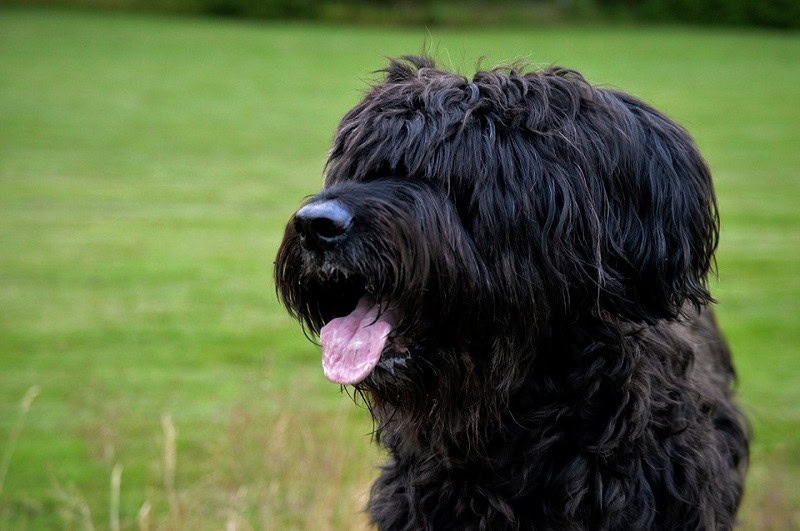
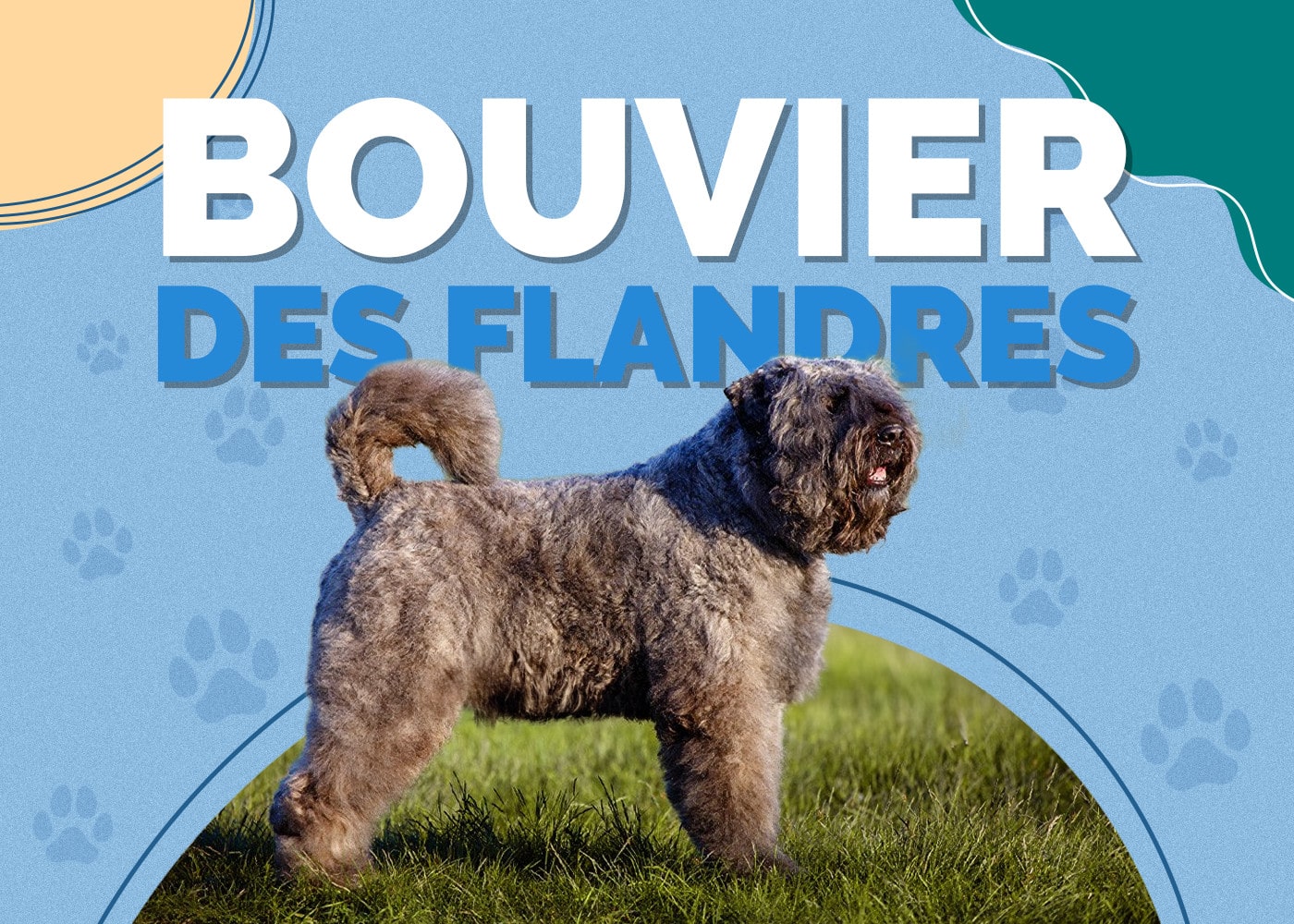
The Bouvier des Flandres is a purebred dog that has a history that dates back to the Middle Ages. Initially developed in Flanders, an area that now encompasses parts of France, Belgium, and the Netherlands, the Bouvier des Flandres was originally used for herding cattle, towing farm carts, and doing other general farm tasks.
Breed Overview
Height:
Weight:
Lifespan:
Colors:
Suitable for:
Temperament:
The name, Bouvier des Flandres, roughly translates to “cowherd of Flanders,” which is appropriate, given their first role.
Today, the breed is used as both a military and police working dog in Belgium, where it is also a popular family pet and companion dog. In the United States, the American Bouvier des Flandres Club was established in 1963 and is the breed’s parent club, as recognized by the American Kennel Club.

Bouvier des Flandres Characteristics
Bouvier des Flandres Puppies
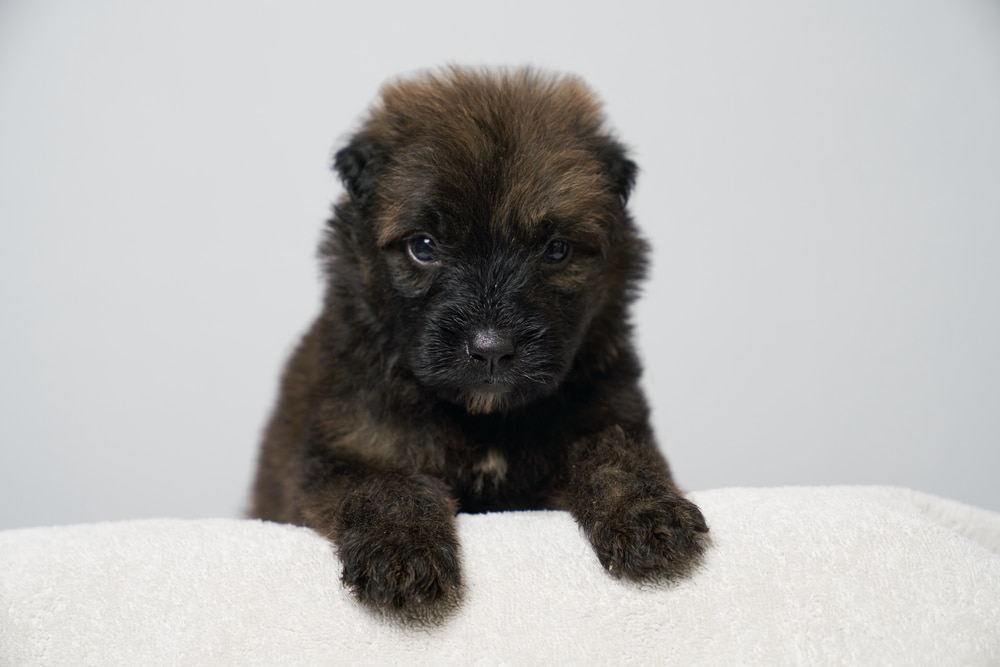
The Bouvier des Flandres is a large, strong dog that is happy to take a laidback attitude to life. They make great dogs for active families or individuals. While not the most demanding of dogs personality-wise, they do need a moderate amount of grooming, exercise, and mental stimulation to keep them happy and healthy.
Due mainly to their size, the Bouvier des Flandres is not an appropriate dog for inner-city apartment living; rather, they will do best living in a home with a large backyard in which they can run about and play. This dog breed is an excellent choice for active families who want a calm dog by their side. Keep reading the Bouvier des Flandres full care guide to know what type of exercise, nutrition, and grooming they need to grow into happy and healthy dogs.

Temperament & Intelligence of the Bouvier des Flandres 🧠
Bouvier des Flandres are alert and intelligent dogs that have a calm disposition and even temperament. They are also social dogs that love spending time with their family, and if constantly left alone for long periods, they can become destructive.
Are These Dogs Good for Families? 🏡
The Bouvier des Flandres makes for a great family pet. They’re loyal, affectionate, and stable dogs that get on well with children. The Bouvier is also naturally protective and will instinctively rise to the occasion and respond aggressively to any danger or threat that they perceive toward their family.
These dogs must be socialized from a young age because they can be overly suspicious of and reserved around strangers if they do not learn early to distinguish between normal human interactions and truly threatening behavior.
Does This Breed Get Along with Other Pets? 🐶 😽
This is not an easy question to answer, as it will partially depend upon the dominance level of each dog. Bouviers are usually quite okay with other dogs if they are raised with them from puppyhood.
However, the breed is known to show aggression toward other dogs, and the extent to this appears in each dog will depend upon how well they are socialized and the ability of the owner to train their dog that aggression and fighting with other dogs is unwanted behavior.
Things to Know When Owning a Bouvier des Flandres
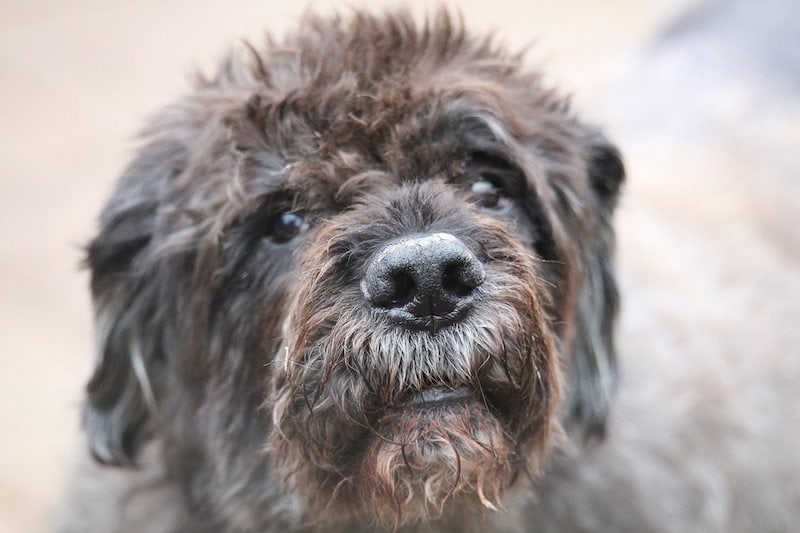
The Bouvier des Flandres is not the easiest of dogs to raise. They are large, dominant dogs and if left unchecked, tend to show aggression toward other dogs and strangers. These traits can be controlled and in many cases, totally overcome by a strong and consistent owner who is able and willing to put the necessary time into socializing and appropriately training their dog.
As a result, the Bouvier des Flandres isn’t going to be a dog for everyone and is not recommended for novice or ill-prepared owners.
Food & Diet Requirements
As with any large dog breed, you need to expect that your dog will go through quite a large amount of food, and over time, the cost of this is going to add up. This should not, however, be seen as a reason to skimp on the quality of your pet’s food—it is your responsibility as a pet owner to ensure that you provide your dog with an adequate, well-balanced, and healthy diet.
Ideally, we recommend that you consider feeding your Bouvier a high-quality dry dog food that has been specifically formulated for large dogs. There are many high-quality dog foods available on the market, and both your local pet food supplier and your vet can provide advice should you have any specific questions about feeding your dog.
Exercise 🐕
Having been bred as a working dog, the Bouvier des Flandres does best when they’re provided with plenty of physical and mental stimulation. The first component is that the Bouvier needs a home with a secure yard in which they can run about and play, as well as a selection of balls and other interesting dog toys.
The Bouvier is not a dog that needs miles and miles of running each day, but they will enjoy a long, vigorous walk that gives them a chance to see and explore areas outside their yard. Walking a Bouvier should always be done on a leash, as these large and powerful dogs have a tendency to want to chase smaller animals and can be hard to control.
Training 🦮
Many small or toy dogs get away with showing aggressive behavior because they can easily be picked up or restrained by their owners. However, this is not the case with a large and exceptionally strong dog such as the Bouvier. As such, both obedience and socialization training are absolute musts with these dogs. Put bluntly, an untrained Bouvier is unpredictable and dangerous.
Thankfully, Bouviers tend to respond well to training. They are quite intelligent dogs that are usually eager to please their owners. So, once they learn what is expected of them, a confident owner should have no problem keeping them in line.
Once your Bouvier des Flandres has mastered the basics of obedience training, you may find that they will enjoy more challenging activities such as dog sports or agility training. Not only are they usually quite good at these, but they can also be an enjoyable way to keep your Bouvier mentally stimulated and physically active.
Grooming ✂️
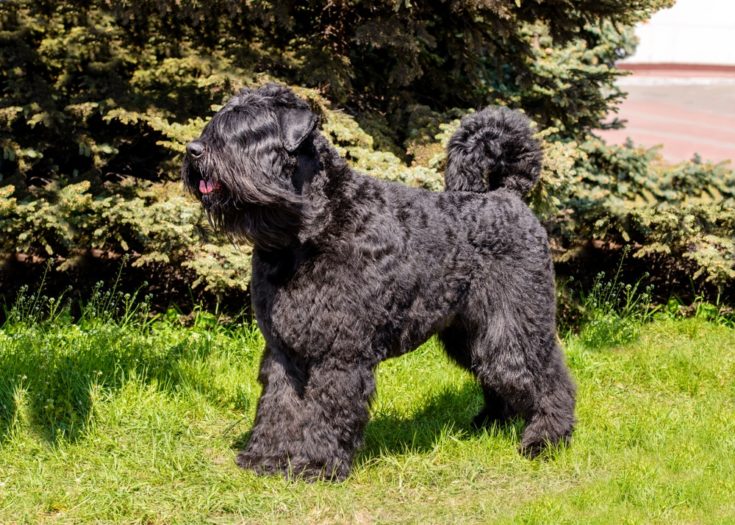
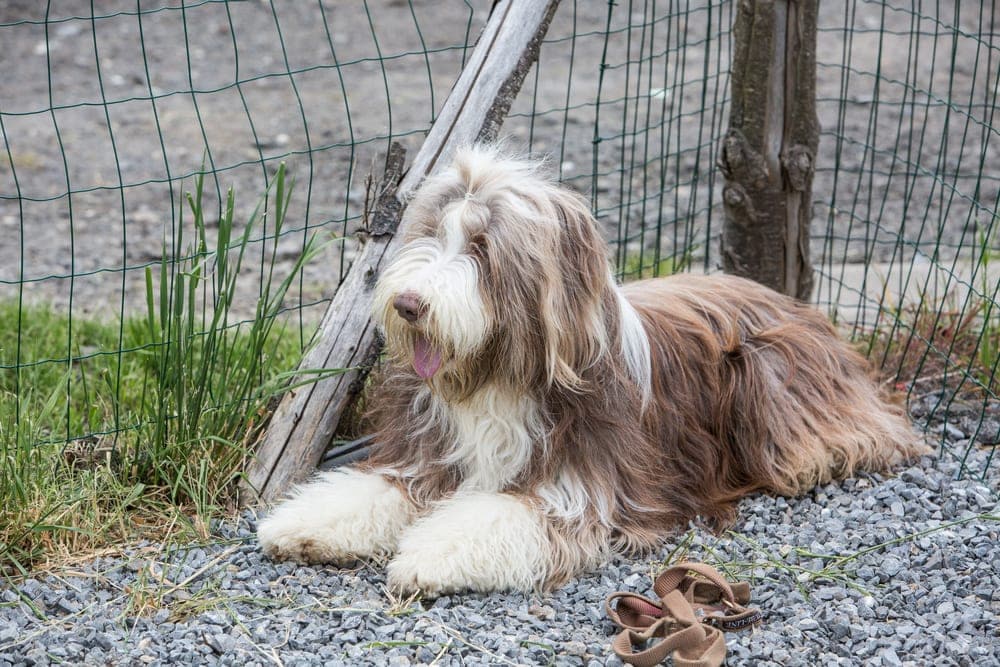
The Bouvier des Flandres is a long-haired dog that needs to be kept clean and well-groomed for both the comfort of the dog and their owner.
The breed has a thick double coat that is almost constantly shedding. However, as the coarse guard hairs on their outer coat tend to trap the shedding undercoat, the Bouvier does not tend to drop hair all over the place. While this is good for the cleanliness of your floors, it does mean that their coats can quickly become matted unless the loose hair is brushed out weekly.
In addition to regular brushing, Bouviers need to have their nails clipped every few weeks, their teeth regularly cleaned in canine toothpaste, and their ears checked and cleaned at least weekly.
As with most dogs, it is a good idea to get your dog use to their grooming routine from a young age. That way, by the time they are large, strong dogs, the process is familiar and unthreatening to them.
See Also: 11 Best Dry Dog Shampoos
Health and Conditions ❤️
Bouvier des Flandres are generally quite healthy dogs and provided that you feed them well, give them plenty of exercise, and keep their vaccinations up to date, there is every chance that your pet will live a happy and healthy life well into old age.
As with most breeds, there are health conditions to which the Bouvier can be susceptible. Many of these can be prevented through sensible breeding programs.

Male vs. Female
When it comes to choosing your new puppy, unless you are looking to breed from your pet or you have a particular preference for a male or female dog, it’s not ideal to choose your dog based on its gender. Both male and female Bouvier des Flandres have similar traits and temperaments, and apart from males being a little bigger and stronger, there are few physical differences.
Instead, you should consider the features that you want in your new dog, specifically, their temperament, trainability, energy level, and even their color.
The American Bouvier des Flandres Club website is a great place to go for more detailed and specific information about the breed. They have even put together a useful and informative guide on selecting a Bouvier puppy that will help you pick the right dog for you and your family.
3 Little-Known Facts About the Bouvier des Flandres
1. The Bouvier des Flandres is claimed as a native dog by both France and Belgium.
The Bouvier des Flandres was first developed in the Middle Ages in an area of Europe known at the time as Flanders. Today, this area sits over parts of modern-day France, Belgium, and The Netherlands, making it perfectly understandable why both France and Belgium would claim the Bouvier des Flandres as native to their country.
2. The Bouvier des Flandres has been close to extinction twice.
Following the outbreak of World War I, the Bouvier’s rural homeland in France and Belgium became a horrifying and dangerous battlefield, displacing the civilian population, destroying most of their farms, and killing almost all their animals, including their dogs.
The breed only survived the war because the Belgian army ran a breeding program to supply dogs used in the war effort. After the war, the breed recovered and was for a time used as both a police dog and a guide dog for the blind.
The Bouvier des Flandres flirted with extinction again following World War II and was only saved from this fate by European expatriates who had exported the breed to the United States.
3. Monks developed the Bouvier des Flandres breed
Monks from the Ter Duinen monastery in Belgium were some of the earliest recorded breeders of the Bouvier des Flandres.
The monks from this monastery recorded their efforts to develop the breed. It is from these records that we know that the Bouvier des Flandres is a result of cross-breeding imported Irish Wolfhounds and Scottish Deerhounds with local farm dogs.

Final Thoughts
The Bouvier des Flandres is a powerfully built dog with a rugged and formidable appearance. They can make great family pets and companion dogs and could be a good choice for anybody looking for a big, strong, and fun-loving dog.
You need to keep in mind, however, that raising a Bouvier will take considerable commitment and effort. These dogs need training, plenty of exercise, and a strong and consistent owner who is prepared to give them the time and attention that they need.
Featured Image Credit: Tatyana Kuznetsova, Shutterstock
Get Hepper In Your Inbox


Pet care tips from our vets and experts, straight to your inbox.
You may opt-out at any time. View our Privacy Policy for more information.

Nicole is a lover of animals of all sizes but is especially fascinated with the feline variety. She’s the proud mom of Baby, a Burmese, and works every day so he can relax in the sunshine or by the fire. She’s always had a cat in her home and has spent countless days with others, observing behaviors and softening up even the grouchiest of the lot. Nicole wants to share her kitty expertise with you so you and your cat can live happy, healthy, and care-free.
Join the conversation
Ask a question, share your story, or send private feedback.