Hepper is reader-supported. When you buy via links on our site, we may earn an affiliate commission at no cost to you. Learn more.
Pitbull vs Husky: Which One Is Right for Me? (With Pictures)
In this article
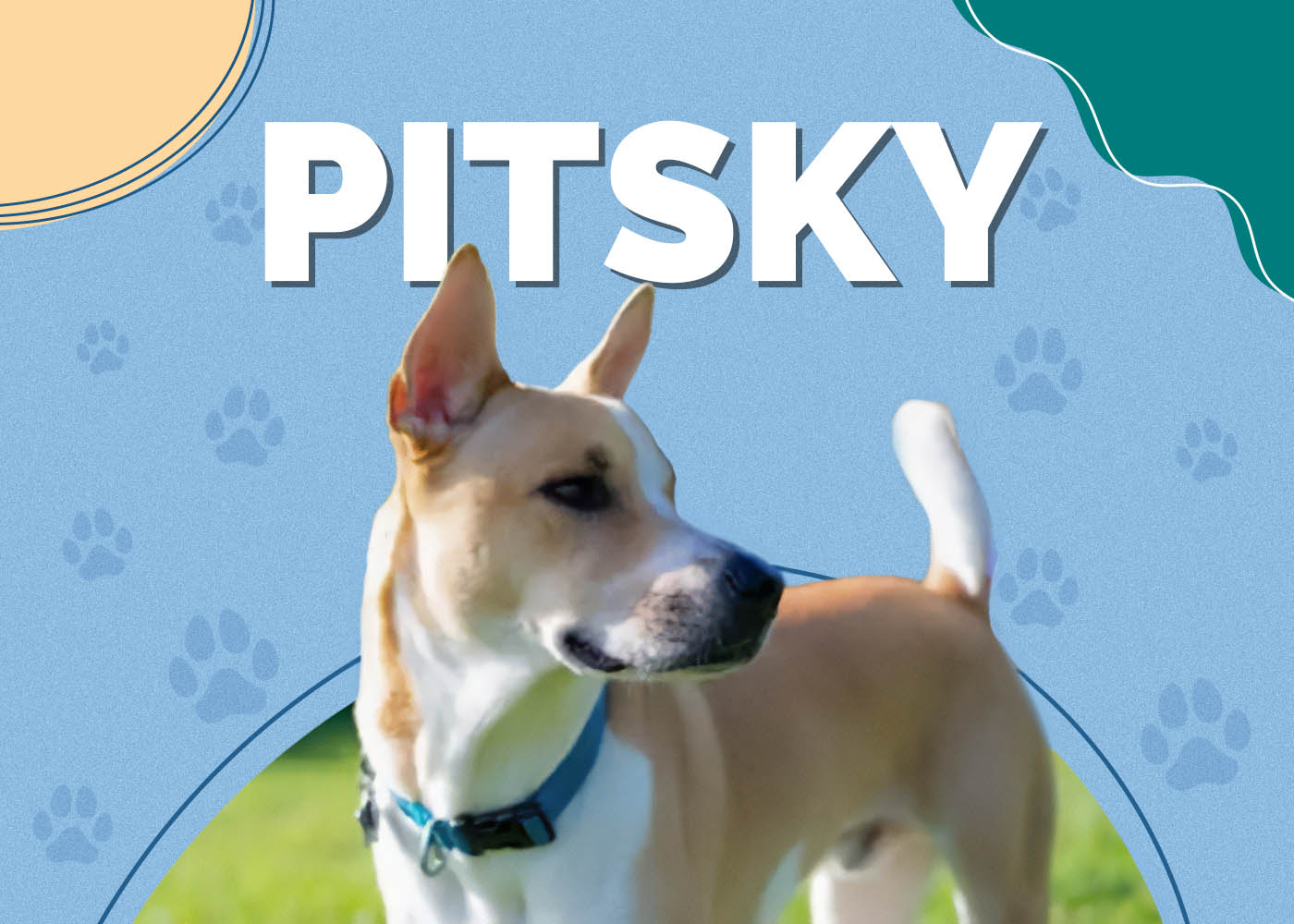
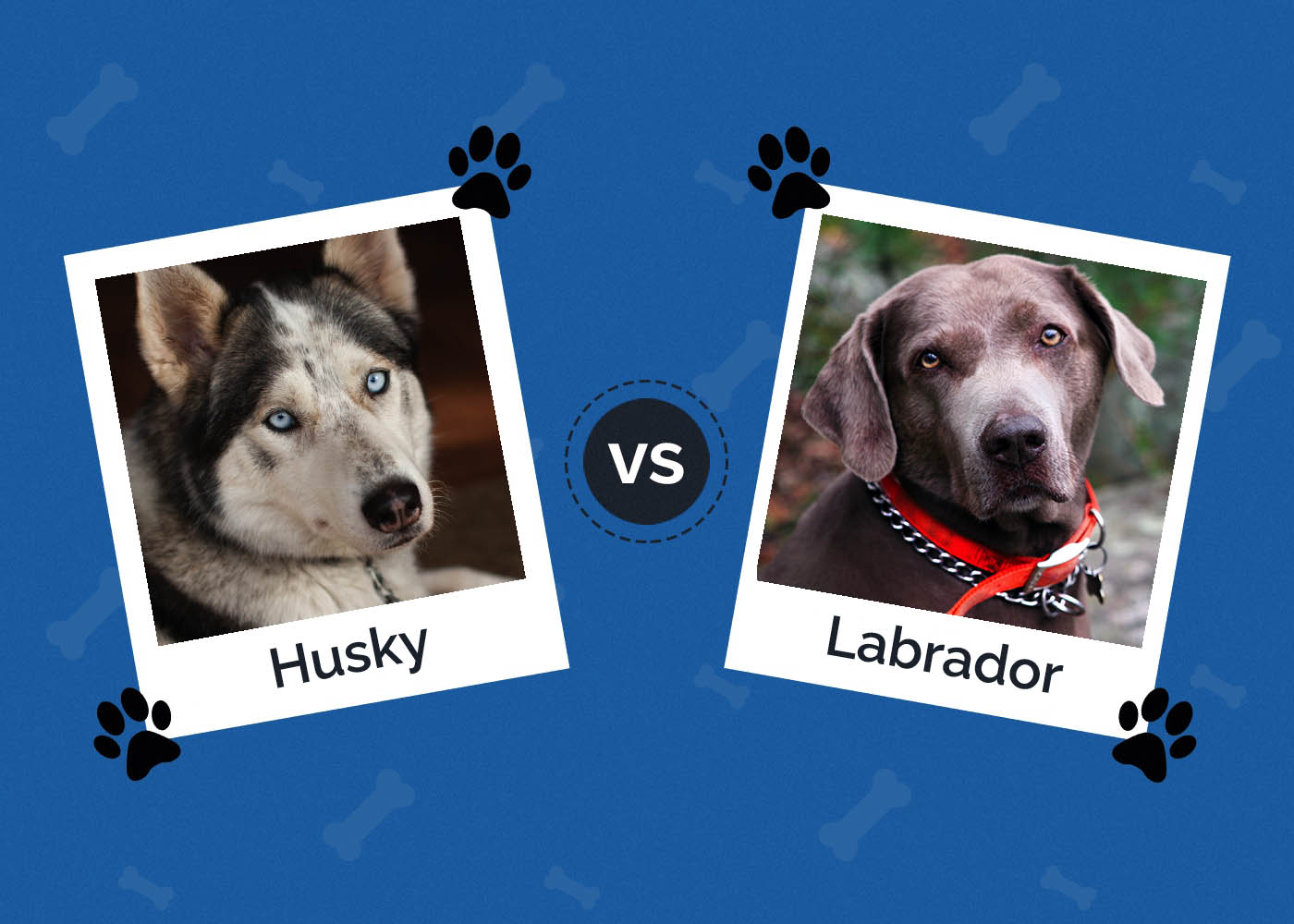
The Pitbull and Husky are both great dogs and have such an incredible but different history. Nonetheless, they’ve both grown in popularity over the years, and are now some of the most commonly bred dogs around the world.
These dogs may have several similarities, but they are very different in many ways. These differences are important to consider when you’re deciding which one to bring home. Let’s take a detailed look at these two breeds to find out which is right for you.

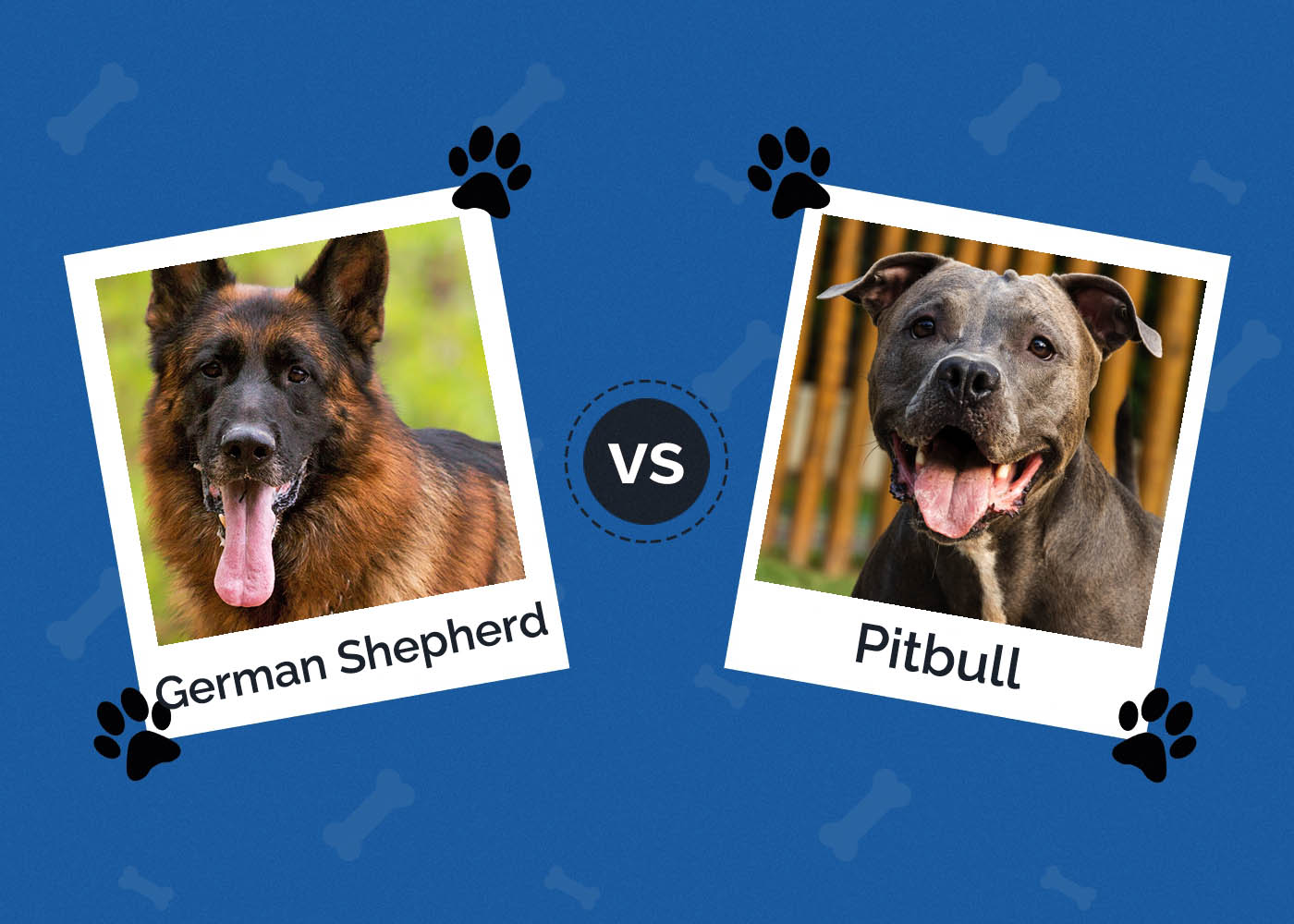
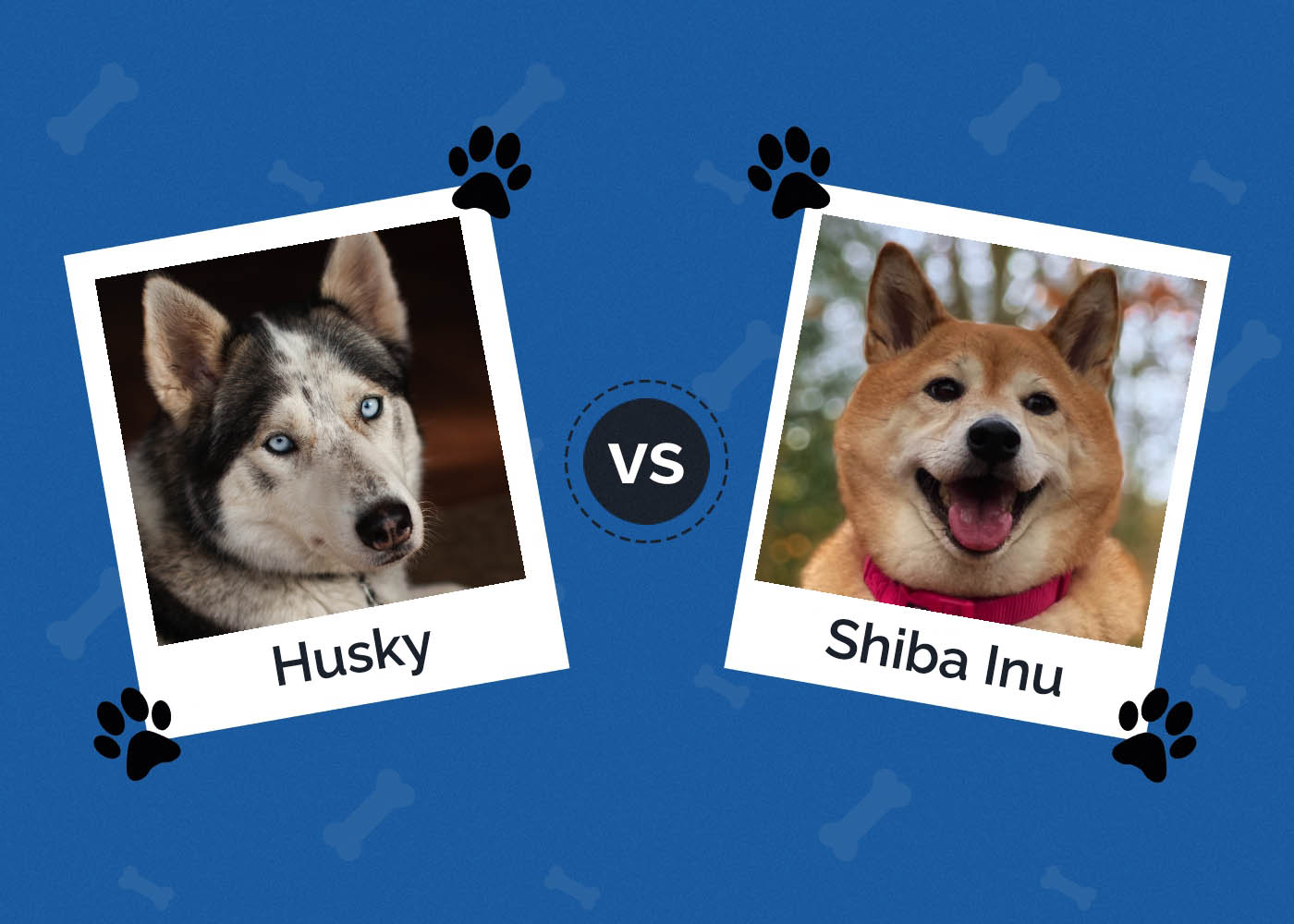
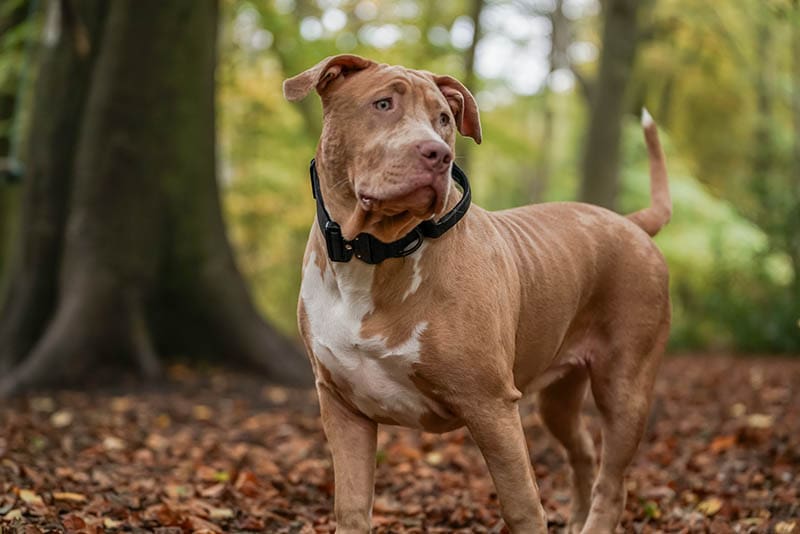
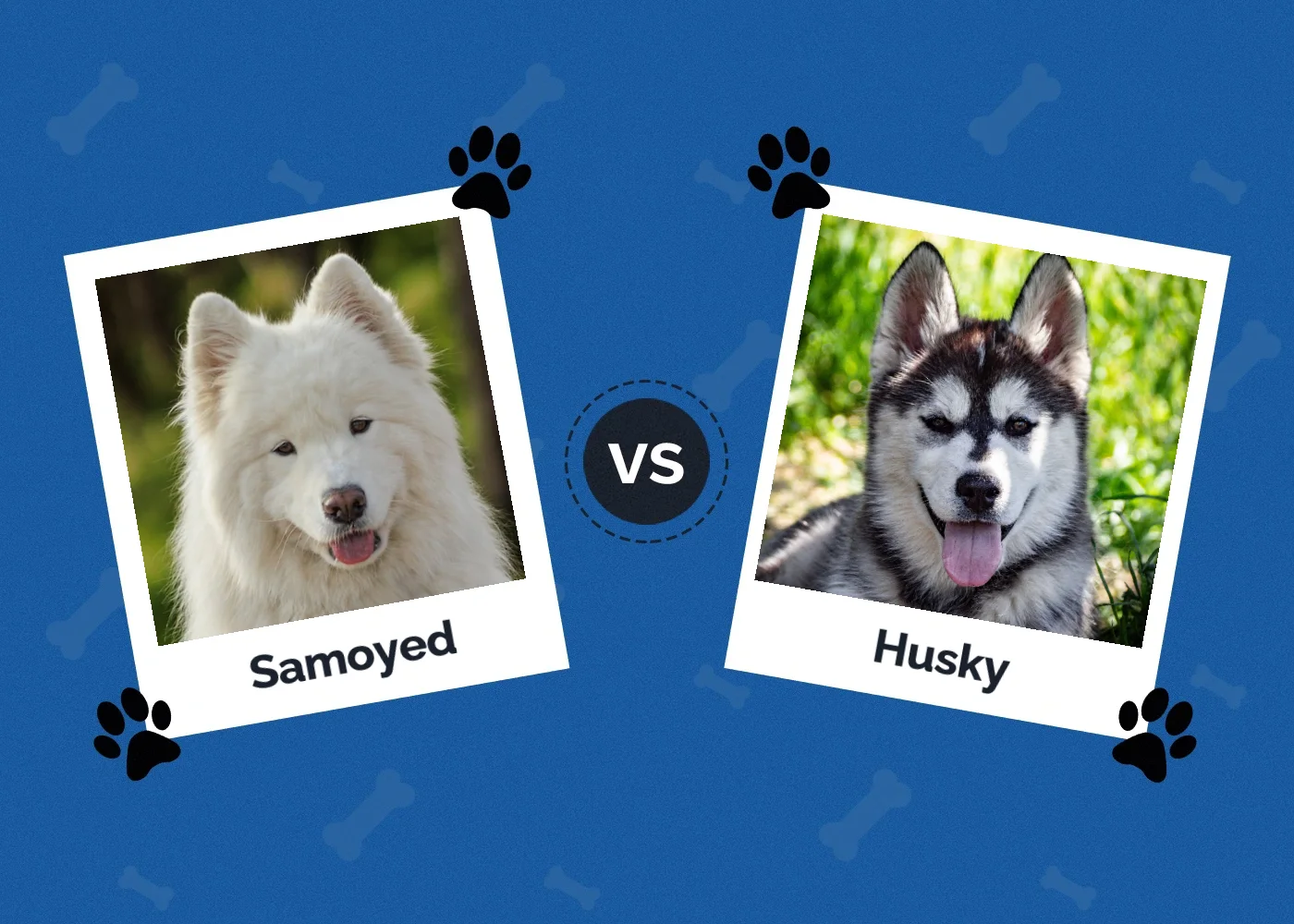
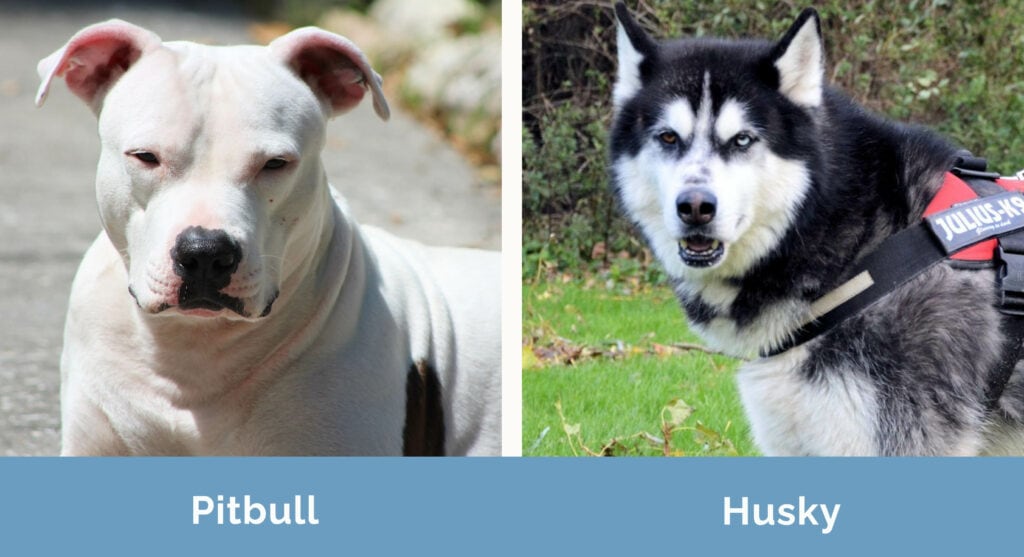
Visual Differences
Pitbull vs. Husky: At a Glance

Pitbull Overview
History
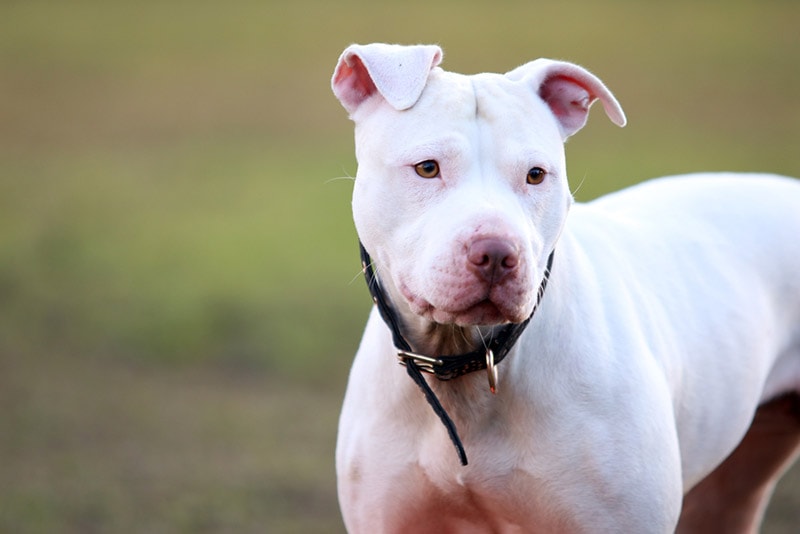
Pitbulls were largely bred to be fighting dogs. The sport of bull and bearbaiting was popular in the United Kingdom in the 1800s, and the only dogs that were allowed to be part of such activities were highly athletic breeds. The Bulldog and the Terrier checked all the boxes, but breeders still felt the need to create a breed that was stronger and more powerful—which is how the Pitbull came into existence.
Personality
With regard to their personality, Pitbulls are all fairly different. The chief contributing factors to this are their life experiences and immediate environment, i.e., family members.
The commonality that’s hard to miss is how people-oriented they are, playful, and affectionate. Being athletic dogs, they won’t mind exercising for several hours every day. But if they sense that you’re too busy of a person to hang out a lot, they’ll try to come down to your energy level. As long as you promise to give them at least 1–2 hours of physical and mental stimulation per day.
Training
Pitbulls are not everybody's cup of tea, as they require their owners to be confident and decisive leaders. Moreover, because they are such strong dogs, you have to intensively train them from an early age.
We must mention that training also includes establishing boundaries. Seeing as they are people-centric in nature, this trait makes them prone to separation anxiety. Dogs that develop this condition will attempt to escape whenever they are left alone, and this could result in household destruction or self-injury.
Health Concerns
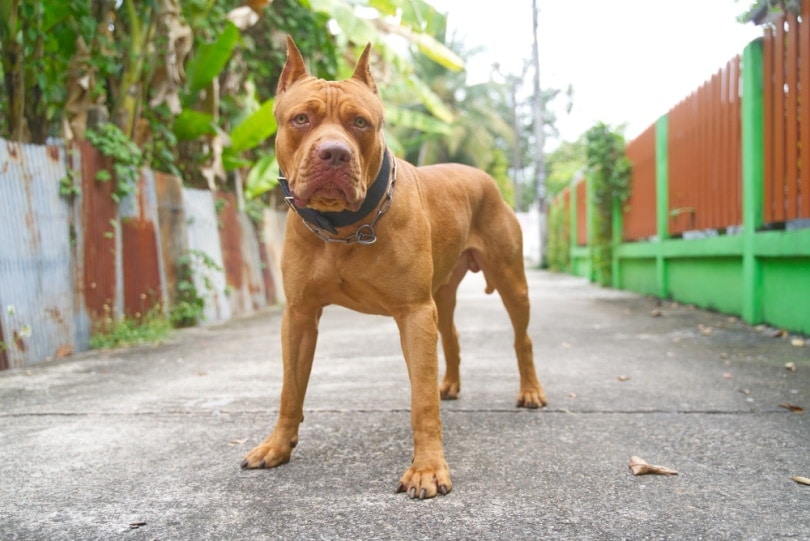
It’s not easy pinning down a specific health vulnerability when it comes to the Pitbull breed because they encompass diversity. We’d have to look at the genetic condition of the Terrier, then move on to the Bulldog, before looking at a different breed. But in general, they tend to live a long and healthy life.
That being said, the following are some of the conditions to look out for:
Feeding
Pitbulls usually have a large appetite. The kind that you have to keep a close eye on if you wish to avoid dealing with digestion problems and weight gain.
Although most human meals are considered safe for dogs, it’s important to train your furry friend to not ask for food while you’re seated at the table. This will definitely discourage unwelcome intrusions while you’re enjoying your meals, in addition to helping you easily track their daily caloric intake as well as the nutrient ratios.

Husky Overview
Breed History
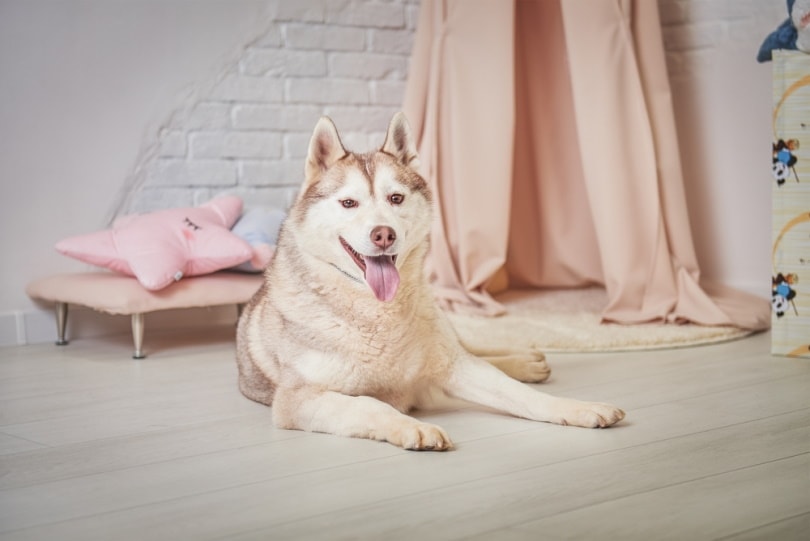
The history of the Husky is way different from that of the Pitbull, as they are said to have come from Northeastern Asia. This dog is an ancient breed that was once bred by the Chukchi tribe. Besides fishing, the tribe hunted seals, chiefly walrus, and Arctic sea mammals.
During those days, the Husky breed worked as a sled dog and protected against wild animals. They would help the community members carry light loads over long distances, even if the weather was extremely cold. It took several decades for this breed to finally find its way into North America, as they were first introduced to us at the beginning of the Nome Gold Rush.
Huskies rose to fame pretty quickly once they got to Alaska. On top of the fact that they couldn’t stop winning races, they also saved an entire town through the prompt delivery of diphtheria antitoxin. Diphtheria is a type of infection that’s often caused by bacterial strains produced by Corynebacterium diphtheria. Without the proper treatment, it can easily trigger heart arrhythmia, making it difficult for the patient to breathe. They might die eventually.
Anyone who wanted to own a Husky during those days had to import one from Siberia or work with the local breeders who had to charge exorbitant fees due to the high demand. The importation practice was halted in 1930 after they were officially recognized by the American Kennel Club.
Personality
The Husky is an intelligent breed that has no problem challenging your ingenuity from time to time. That’s why you keep hearing different people describe them as “mischievous”. This breed will pick up on things without being shown or told, for example, imitating certain human behavior.
They also come with a very strong predatory instinct and high energy, explaining why they usually exude destructive behavior if they don’t feel physically or mentally stimulated enough.
Huskies are not as aggressive as they appear to be. They are one of the most social breeds, thus making them one of the worst guard dogs. Even so, you still have to proactively expose them to strangers, other pets, kids, and new sounds at a young age to improve their socialization skills.
Training & Exercise
Getting a dog that was specifically bred to run for miles while pulling a sled carrying loads, and not offering it any form of exercise before the day ends, is a grave injustice. Even if you don’t have time to exercise, hire a dog walker who’s willing to jog or hike at least 2 hours per day.
Assuming that’s not an option, try “Joring”. It’s a game whereby the dog tows the handler just to flex its ability to run faster while pulling a light load. Joring is actually a Norwegian word that loosely translates to “pulling” or “driving”. And you can use a bike, skateboard, or ski.
Don’t subject the pups to intense training because their bone growth plates will still need more time to close. If the dog is less than 18 months old, go for a light jog and focus more on mental stimulation. Otherwise, you’ll inadvertently damage their cartilage, thus exposing them to joint issues in the future.
On the subject of mental enrichment, you should buy them interactive toys and dog puzzles. Huskies are known to have a strong burrowing instinct, so it’s probably a good idea to save some space in your garden that would cater to that natural habit. We’d also encourage you to sign them up for an obedience class to make it easier for you to teach them new commands.
Health Concerns
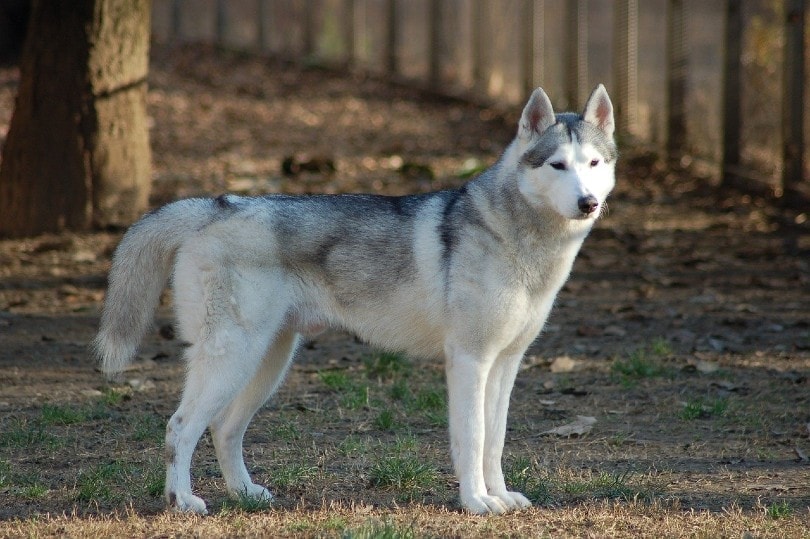
Like most breeds, huskies are predisposed to various illnesses. Some of them are genetically linked but can be prevented if the dog leads a healthy lifestyle. They are especially prone to:
Feeding
Owing to the fact that they are mid-size dogs, they need more proteins than the smaller breeds. Carbs and fats are also considered essential macronutrients, seeing as they are bred to be working dogs. Without them, they’ll never be able to sustain their energy needs.
The dog’s age, health condition, and gender are all critical factors in determining the type of food that’s supposed to be served. If you’re looking to feed a pregnant or lactating female, they’ll need more protein and fat.

Which Breed Is Right for You?
It’s a matter of taste and preference. If you’d like to have a dog that’s eager to please, go for the Pitbull. You’ll both have a lot of fun during your training sessions. The Husky is known to be strong-willed and tends to get bored easily—they won’t do anything unless they want to actually do it.
In terms of social behavior, we think the Husky takes the number one spot. They are very friendly to strangers, kids, and other pets. But to keep them happy, you’ll have to invest a lot of your time in their physical and mental stimulation.
See Also:
Featured Image Credit: (L) Anna Krivitskaya, Shutterstock | (R) TimmerTammer, Shutterstock
Get Hepper In Your Inbox


Pet care tips from our vets and experts, straight to your inbox.
You may opt-out at any time. View our Privacy Policy for more information.

Nicole is a lover of animals of all sizes but is especially fascinated with the feline variety. She’s the proud mom of Baby, a Burmese, and works every day so he can relax in the sunshine or by the fire. She’s always had a cat in her home and has spent countless days with others, observing behaviors and softening up even the grouchiest of the lot. Nicole wants to share her kitty expertise with you so you and your cat can live happy, healthy, and care-free.
Join the conversation
Ask a question, share your story, or send private feedback.