Hepper is reader-supported. When you buy via links on our site, we may earn an affiliate commission at no cost to you. Learn more.
Labrador vs. Pitbull: The Main Differences (With Pictures)
In this article
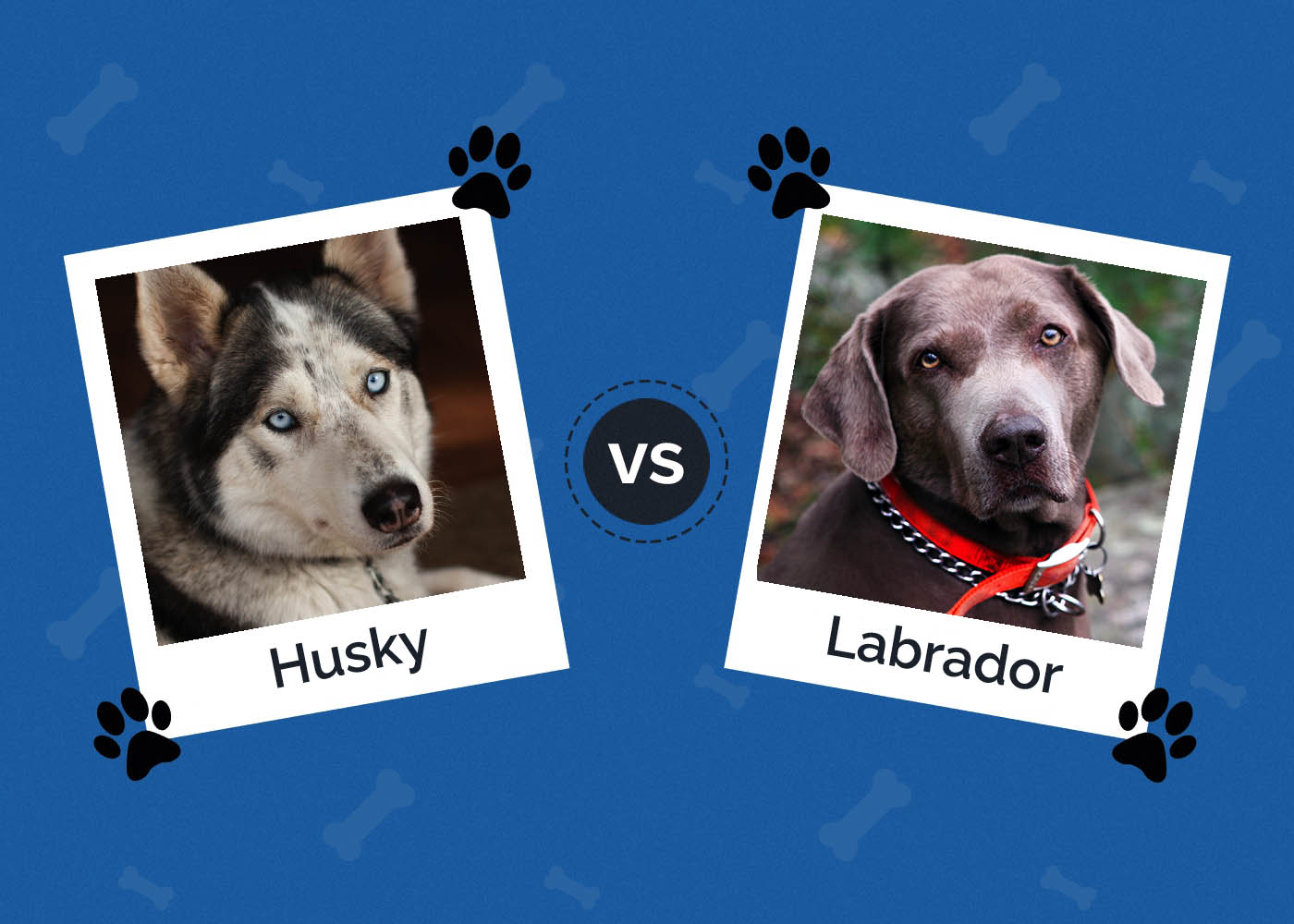
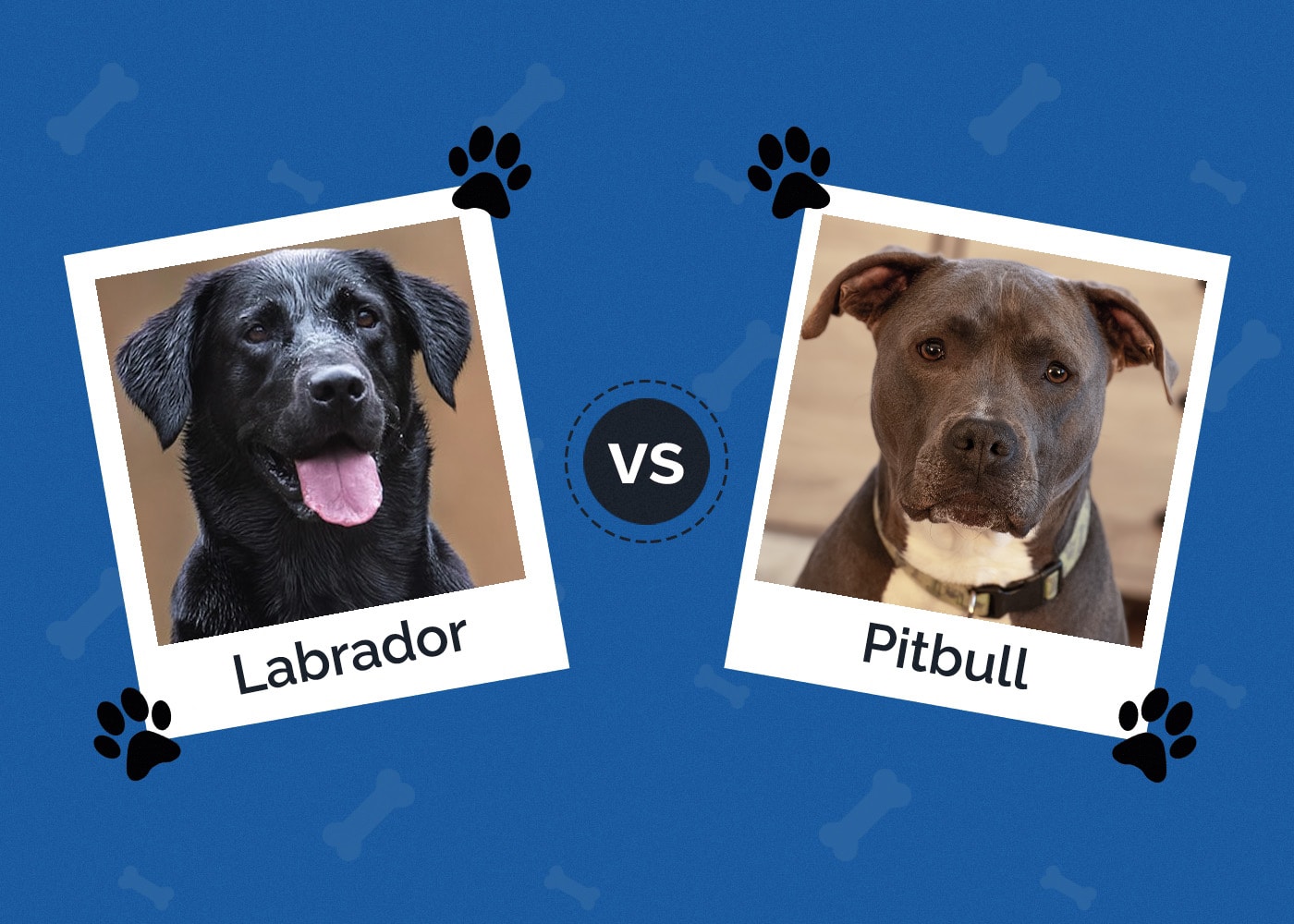
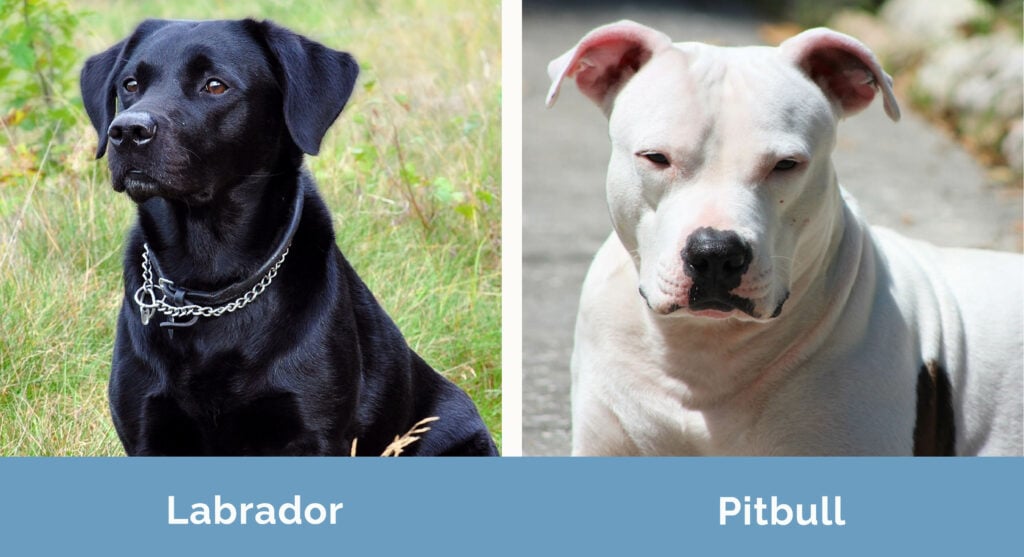
Labradors and Pitbulls are both pretty popular in the United States. While these dogs look very different, they share many similar traits. You can find both breeds relatively easily and both are considered great for families. Both are pretty active and require lots of exercise. Therefore, it can be hard to choose between them.
However, there are several key differences, too. For instance, Labradors can be fairly obedient, while Pitbulls have a lower level of intelligence. Their temperaments are also fairly different, affecting which dog is best for you. Understanding these differences is vital for picking the best dog for your family.
Let’s look at the differences between these two breeds.

Visual Differences
At a Glance
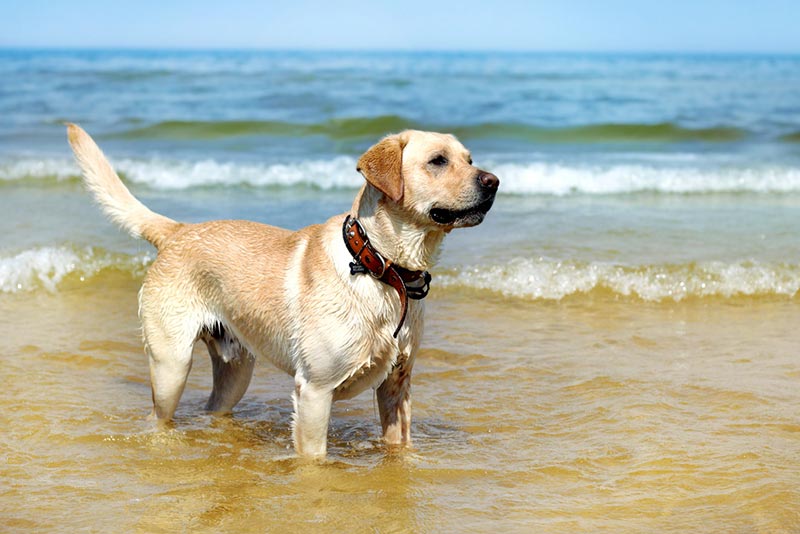
Labrador Overview

Labradors were originally bred as retrieving gun dogs. They would swim into ponds and lakes to retrieve waterfowl. They’re known for being extremely friendly and playful. This temperament has led to them being some of the most popular dogs in the United States.
Temperament
These dogs are extremely intelligent and obedient. They were bred to listen to their masters, leading them to become increasingly obedient. They listen very well and are intelligent enough to learn most commands. For this reason, they are often utilized as service animals. However, they’re extremely friendly, which makes them poor protection animals.
Labradors get along with just about everyone. Despite their use as hunting dogs, they don’t have strong hunting instincts. Therefore, they don’t tend to chase cats or other animals. They’re renowned family dogs, as they’re extremely gentle with children.
This breed is extremely good at swimming due to its original purpose. Therefore, they’re often utilized in lifesaving missions in the water.
Health
Labrador Retrievers are pretty healthy, with a life expectancy of 10 to 12 years. They’re prone to relatively few health problems. However, they’re extremely food-driven, which makes them quite prone to obesity. For one reason or another, chocolate-colored Labrador Retrievers are likelier to suffer from health problems and have a shorter life expectancy than others.
Labradors are prone to some inherited conditions, such as hip and elbow dysplasia. Larger dogs are most likely affected, as their joints carry more weight. They’re also prone to various eye conditions, such as cataracts and corneal dystrophy.
Due to their utter obedience, they can push themselves too hard sometimes, causing exercise-induced collapse. Therefore, you should be careful when exercising these dogs and provide plenty of rest time.
Care
Labradors require a decent amount of care. They’re very active dogs, requiring a lot of exercise. They work best for an active family that can meet their exercise needs. Otherwise, they can be hard to keep up with. Without enough exercise, they can become destructive and may try to release their energy in other ways.
These dogs require moderate amounts of grooming because of their thick coat. Their coat is weather-resistant, so it does a good job of staying clean. They don’t need many baths. However, they do need brushing regularly.
Suitable For:
This breed is best for active families looking for all-around family dogs. They’re very devoted to their families and easy to train, so they do well in any canine sport. They’re a great option for those looking for a more hands-on breed.

Pitbull Overview
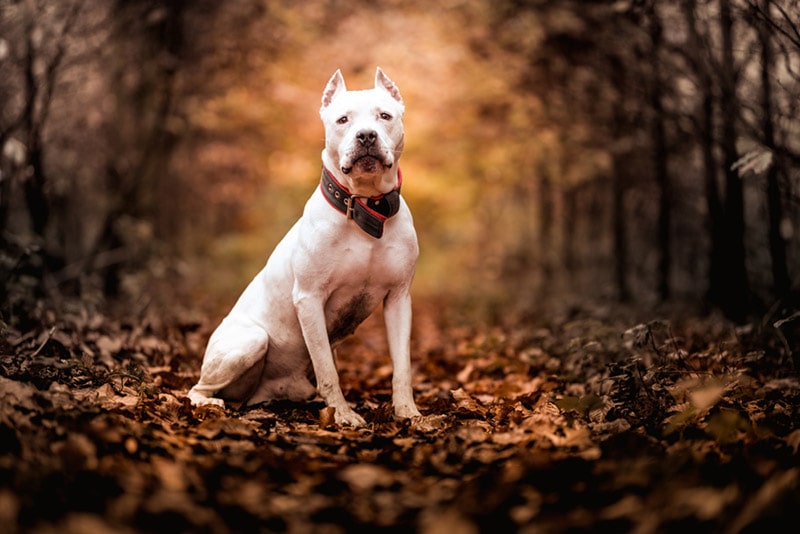
Pitbulls have a bad reputation. However, many of these are unfounded. For instance, these canines pass most temperament tests. These can be a great option for families—as long as you know what you’re getting into.
Temperament
While these canines are sometimes considered dangerous, they pass temperament tests at about the same rate as Labrador Retrievers and other family dogs. Therefore, according to these tests, they aren’t more dangerous than other dogs.
When well-socialized, these dogs can be extremely friendly and loyal. Despite their typical reputation, they often love people, which makes them poor guard dogs. They’re relatively smart but tend to be a bit too excitable to remain obedient in all situations. Because they’re so people-oriented, they sometimes love people over following commands.
These dogs are extremely courageous and tenacious, which may be where some of their poor reputation comes from.
Health
Pitbulls are extremely healthy dogs. They’re prone to few health problems, which allows them to live 12–16 years. However, these canines are prone to skin allergies, UTIs, and some autoimmune diseases. Older dogs often experience joint problems, such as osteoarthritis. However, this is quite common in older dogs of practically all breeds.
Otherwise, these dogs are pretty healthy, especially when bred properly.
Care
Pitbulls are very active dogs, so they require a lot of exercise. They’re people-oriented dogs that do best when exercising with their humans. You should plan on taking them on extensive walks to keep them tired. Without proper exercise, they can get destructive. Long play sessions are highly recommended.
These canines can be extremely obedient when trained properly. They perform well in many canine sports, including agility and obedience. They’ve even been trained for search-and-rescue and do quite well. However, they require extensive training and aren’t necessarily as reliable as other canines. Plan on performing a lot of training, as these dogs can become overwhelming if they aren’t trained properly.
Pitbulls don’t require extensive grooming. They have shorter coats that stay clean by themselves. Therefore, just give them a quick brushing to help remove dust and excessive care. You will need to bathe them occasionally.
Suitable For:
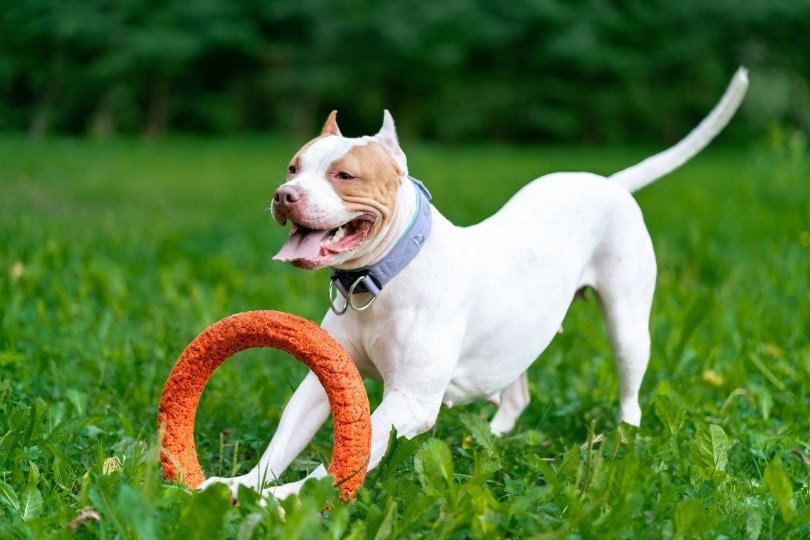
Pitbulls are suitable for active families that don’t mind dedicating more time to training and socialization. These canines have moderate care needs, so they need dedicated families to care for them.

Which Breed Is Right for You?
Both of these breeds work best for active families with extra time on their hands. They both require extra exercise and training. Otherwise, they can be destructive and overwhelming. Many dog owners don’t understand the amount of care these dogs require, which leads to many canines being poorly trained or full of pent-up energy.
Labrador Retrievers work best for those looking for obedient family dogs, especially if you’re looking to participate in canine sports. Pitbulls are also friendly, active dogs that can be great for families. They’re slightly less obedient but love just about everyone.
Pitbulls are also harder to train due to their lower intelligence. However, they aren’t necessarily poorly behaved.
See also:
Featured Image Credit: (L) Ben Hanson, Unsplash | (R) J.A. Dunbar, Shutterstock
Get Hepper In Your Inbox


Pet care tips from our vets and experts, straight to your inbox.
You may opt-out at any time. View our Privacy Policy for more information.

Kristin is passionate about helping pet parents create a fulfilling life with their pets by informing them on the latest scientific research and helping them choose the best products for their pets. She currently resides in Tennessee with four dogs, three cats, two fish, and a lizard, though she has dreams of owning chickens one-day!
Join the conversation
Ask a question, share your story, or send private feedback.