


All dogs can experience anxiety disorders. This includes separation anxiety, which is exactly what the name suggests. If your dog has formed a bond with you and doesn’t adjust to being left alone for periods, they may experience separation anxiety. A dog may become highly distressed when left alone, due to experiencing separation anxiety, which can be influenced by attachment, environment, and individual temperament. However, past experiences and genetic predisposition may also affect a dog’s likelihood to develop separation anxiety.
It can be incredibly stressful for your dog and can cause unwanted and potentially destructive behaviors in your home. While young dogs are usually the most affected by separation anxiety, some dog breeds may be more prone to it than others.
This article will discuss the various dog breeds that are more likely to suffer from high separation anxiety.

The 12 Dog Breeds with High Separation Anxiety
The dog breeds listed in this article are based on general tendencies and often anecdotally reported behavioral patterns, but individual dogs may vary widely. Not every dog of a listed breed will display the traits described, and many factors, such as personality, training, socialization, environment, and past experiences, play a significant role in behavior. This list is not exhaustive and should not be considered a complete or definitive ranking of all dog breeds.
1. Yorkshire Terriers
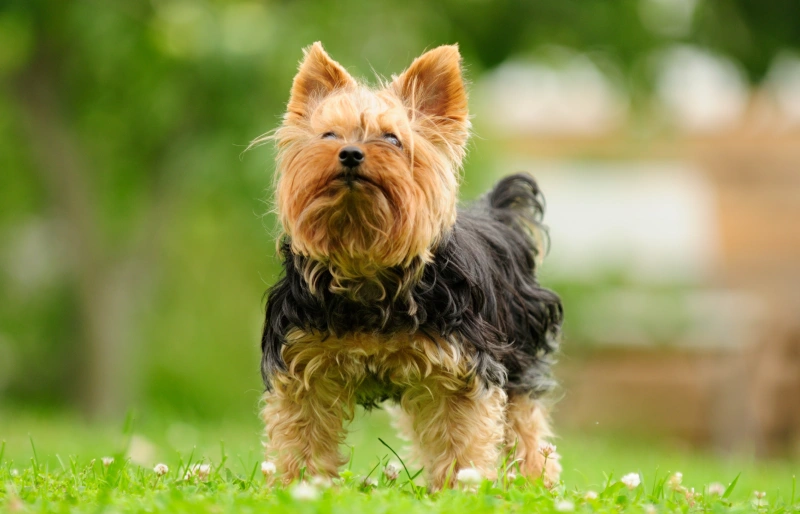
The Yorkshire Terrier, or simply the Yorkie, is a small dog breed that originated in England, and they make popular pets. Most Yorkies are very playful and sociable with people, and can become stressed and overwhelmed when they are left alone. Young Yorkies can be particularly affected by separation issues that need to be addressed and managed through training.
A highly anxious and stressed Yorkie may whine, bark, chew, or urinate around the house. This can happen when your Yorkie is left alone at home for various amounts of time and becomes legitimately stressed by your absence. Without training and management, separation-related behaviors may persist in some dogs, but many Yorkies can improve with consistent behavior modification and gradual alone-time training.
2. Border Collie

The intelligent and medium-sized Border Collie is susceptible to separation anxiety when they are left alone for a long time. Some Border Collies may become stressed or restless when left alone, which can lead to behaviors such as barking or whining. With training, enrichment, and gradual alone-time conditioning, many Border Collies can show significant improvement in separation-related behaviors. Because Border Collies need substantial mental and physical stimulation, boredom-related behaviors can sometimes be mistaken for separation anxiety.
3. Jack Russell Terrier

Jack Russells are small dogs that are known for being barkers and are highly people-oriented. A young or anxious Jack Russel may develop separation anxiety if they are suddenly left alone for hours without prior training. A stressed Jack Russell may bark, whine, chew, or engage in other destructive behaviors when left alone.
Separation anxiety can also cause your Jack Russel to urinate around the home due to their anxiety. With appropriate training and enrichment, many Jack Russells can learn to tolerate alone time and stay occupied during the day.
4. Vizsla

The Vizsla is a medium-sized Hungarian dog breed known for their short and reddish coat. Vizslas are often described as “Velcro dogs” since they want to be around people all the time.
This can sometimes lead to distress when left alone, which may result in vocalization or other anxiety-related behaviors. Some Vizslas may be prone to separation-related anxiety, including as adults, especially without proper training and gradual alone-time conditioning. This makes it important to start training your Vizsla as soon as you get them. It allows them to receive the right amount of training and guidance to become accustomed to being alone.
5. Great Danes

The gentle giants of the dog world, Great Danes, are not only very big dogs but also highly loving and affectionate. Great Danes form strong bonds with their owners, and they can become overwhelmed and anxious when they are left alone. Both young and adult Great Danes can develop separation-related anxiety, so early training, desensitization, and gradual alone-time conditioning are important.
6. Labrador

The affectionate and playful Labrador can be prone to separation anxiety, which can lead to undesirable behavioral issues. These dogs can form strong attachments to their owners and often don’t know what to do when they are left alone. This can lead to feelings of stress, anxiety, and fear, causing your Labrador to bark, whine, or become destructive in the home.
If separation-related behaviors in a Labrador puppy are not addressed, they may persist into adulthood or get worse, depending on training, environment, and individual temperament. While it may seem cute that your Labrador puppy always wants to be around you and gets upset when they can’t be, it is stressful and overwhelming for them.
7. Cavalier King Charles Spaniels

The silky-coated Cavalier King Charles Spaniel has a reputation for developing separation anxiety. These dogs are usually very fond of their owners and enjoy spending every minute with them. When it is time to be left alone, some Cavalier King Charles Spaniels can show signs of separation anxiety that must not be overlooked. This is especially common when they are still young. You may need to have a certified separation anxiety trainer (CSAT) to work with your spaniel to overcome their separation issues if severe and impacting everyday life.
8. Bichon Frise

As companion dogs, the loving Bichon Frise is a dog breed that is often considered to be prone to separation-related behaviors due to their strong attachment to humans. They easily bond with their owners and generally enjoy being surrounded by people. When they are left alone for long periods, they can get distressed and show signs of separation anxiety.
This can make them feel overwhelmingly stressed and fearful, resulting in unwanted behaviors like whining and destruction. Separation anxiety can affect your Bichon Frise as both a puppy and as an adult, making it important to consult with a certified canine behaviorist for guidance in severe cases.
9. Chihuahua

The tiny and highly affectionate Chihuahua is one of the smaller dog breeds, and some individuals may be prone to separation-related behaviors. Chihuahuas can quickly get attached to their owners and want to spend as much time with them as possible. Since Chihuahuas can quickly get comfortable doing everything as a team or family, they may have difficulty adjusting to being left alone for a long time without company.
10. Maltese Poodle

The Maltese Poodle (often called a Maltipoo) may be sensitive and people-oriented, which can contribute to separation-related behaviors in some individuals. This can make it difficult for you to leave them alone while you need to run errands or go to work. Separation anxiety can also manifest itself as destructive behaviors while you are away, such as barking, whining, chewing, or escaping. Your Maltese Poodle may need a lot of time adapting to life while you are away, making training crucial.
11. Pomeranian

The Pomeranian is a small toy dog breed that forms close bonds with their owners and enjoys human companionship. However, this may lead a Pomeranian to develop separation anxiety when they are separated from those they love. Without their owner, Pomeranians may show signs of stress or separation-related anxiety, such as vocalizing or restlessness.
12. Pugs

One of the most recognizable brachycephalic dog breeds is the Pug, and some individuals may be prone to separation-related behaviors. Pugs were developed as companion animals, and they are known to form close bonds with their owners and people. Even as adults, some Pugs may still have difficulty with separation anxiety and need patience and proper training before they start to get more comfortable being alone.
Conclusion
Although these dog breeds can experience separation anxiety, it doesn’t mean that they are guaranteed to develop it. Some breeds may be more commonly reported to show separation-related behaviors than others, though individual variation is significant.
If your dog does suffer from this anxiety disorder, seeking help from either a certified separation anxiety trainer, veterinarian, or canine behaviorist can help your dog overcome this.
Featured Image Credit: Dominique Bradette, Shutterstock
 The 12 Dog Breeds with High Separation Anxiety