Hepper is reader-supported. When you buy via links on our site, we may earn an affiliate commission at no cost to you. Learn more.
Do Dogs Miss Their Owners? What Does Science Say
In this article
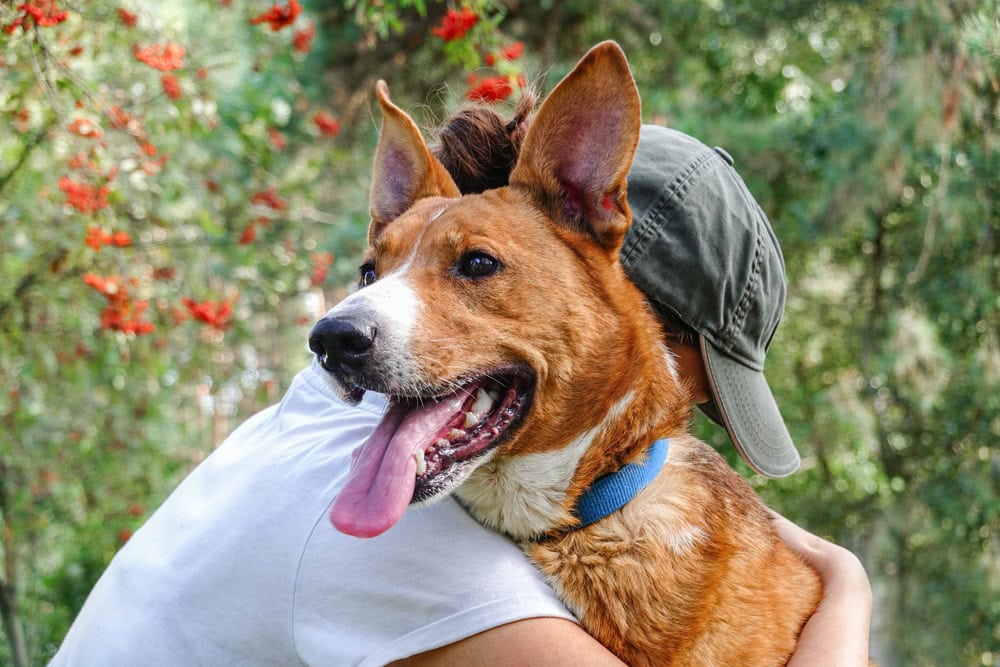
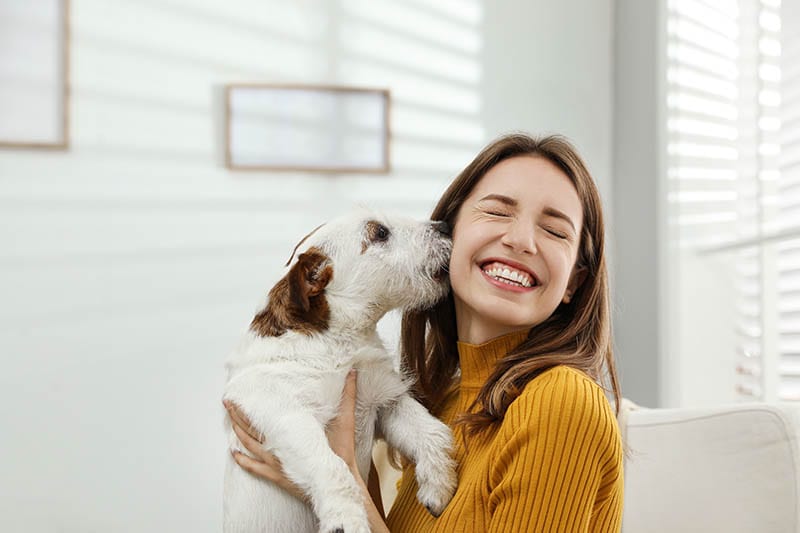
Every pet parent undoubtedly misses their dog while they are away at work or out of town. But too often, we’re left wondering whether our furry friends reciprocate, asking ourselves, “Does my dog miss me?” If you’re an owner, you can rest assured that your dog misses you as soon as you leave the house. Let’s explore the special connection dogs feel toward their owners and how it manifests when they’re apart.

Do Dogs Miss Their Owners?
If you leave for the day, your dogs will undoubtedly miss you. One study measured how the length of time being alone affected dogs.1 The researchers discovered that the intensity of the dogs’ physical activity (tail wagging, lip licking, body shaking, physical contact) upon reunion with their owners increased significantly between 30 minutes and 2 hours of alone time, indicating clear effects from being away from their people.
Broadly, dogs bond with humans due to over 10,000 years of domestication. Natural selection and breeding have resulted in dogs being more obedient and trusting towards people, even becoming closer companions with them than towards their species.
Significant evolutionary events like becoming capable of processing starch have bound dogs intrinsically to people. From this general sense, dogs rely on cooperation with humans for simple survival.
While dogs depend on people, the particular bond with their owner runs deeper. One experiment revealed dogs show more positive cognitive responses to their owner’s scent than to another person or dog.2
Dogs can overcome loneliness with the help of strangers. However, owners activate specific reward centers in their dogs’ brains, the same areas connected with motivation and love, proving a unique connection.
Attachment Bond
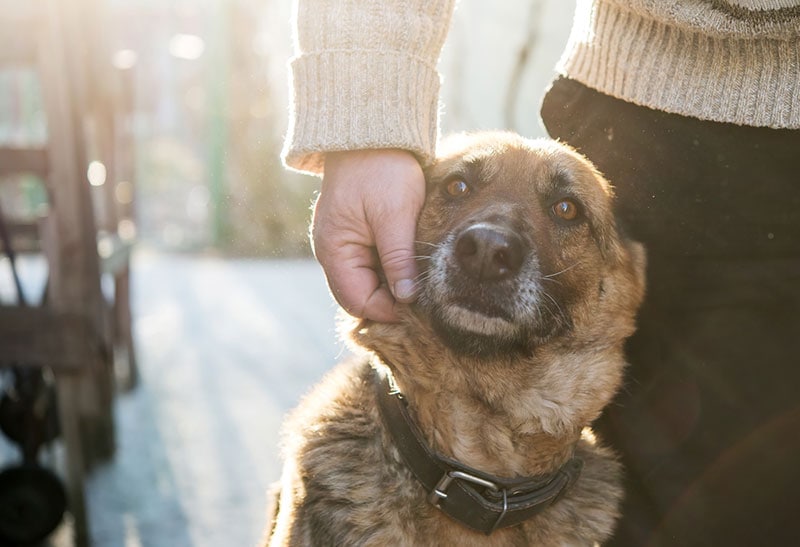
Dogs miss their owners more than other people because they develop an attachment bond with them. As their caregivers, owners provide the same foundational security for their dogs that a mother gives her infant.
As with a child and their mother, dogs develop an attachment to a caregiver responsible for feeding, protecting, and caring for them. Upon separation, they activate a behavioral system to stay close to their owner and receive a desired response. The four facets of this attachment system are:
Through this attachment, dogs can learn and grow with their owner’s support. They don’t simply miss their owner because they feel lonely. The owner’s presence makes their dog happy, gives them certainty, and provides confidence to explore and experience the world.
Separation Anxiety
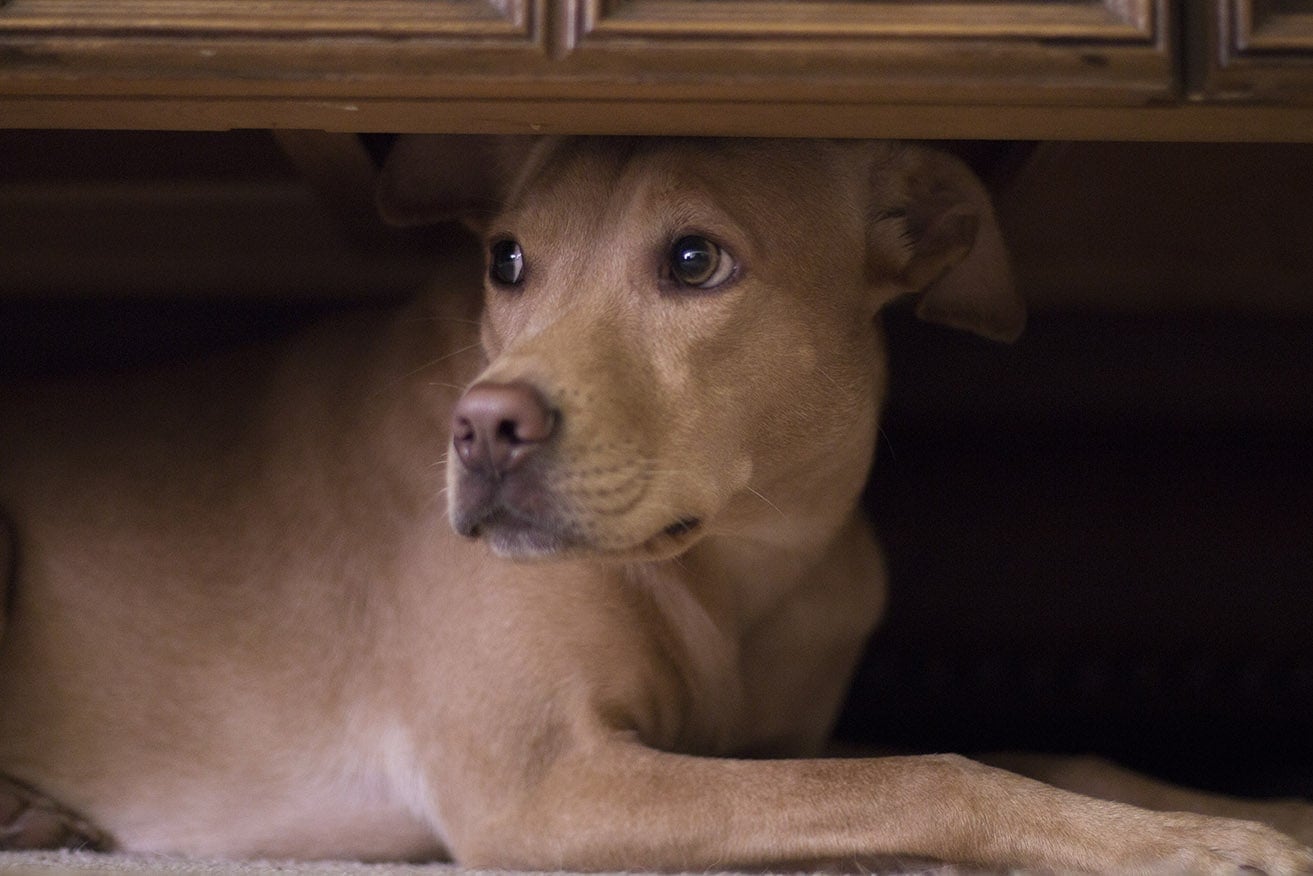
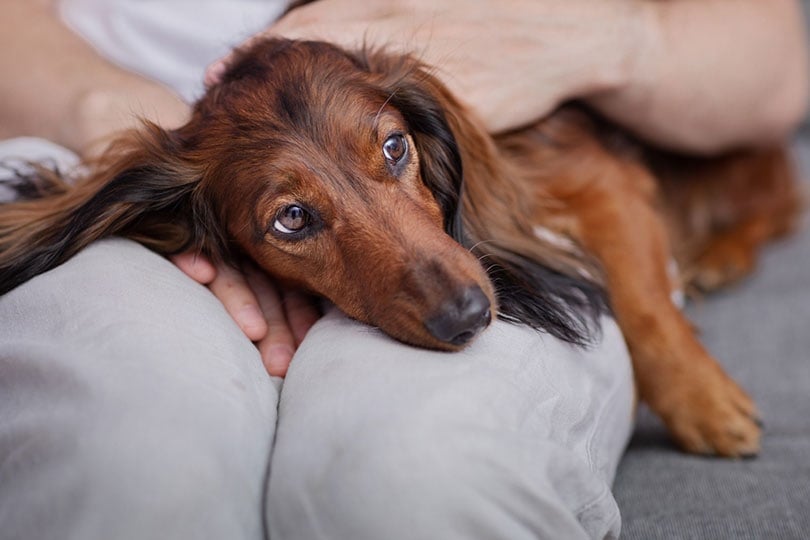
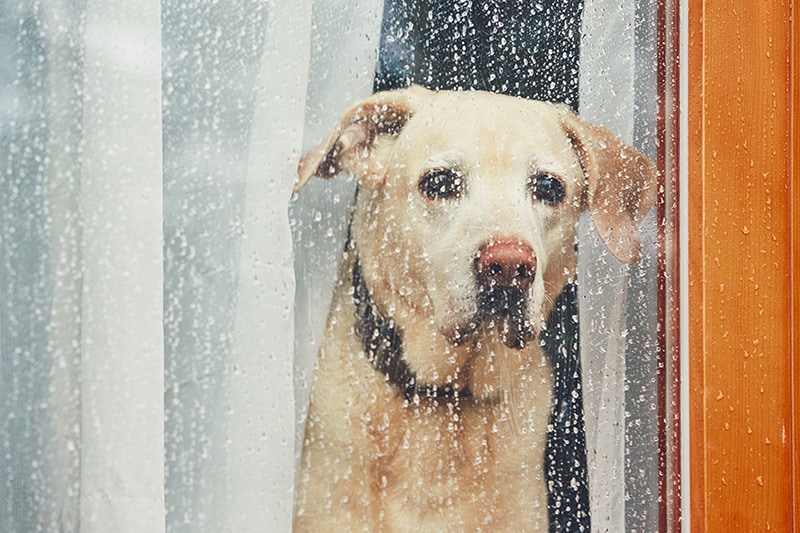
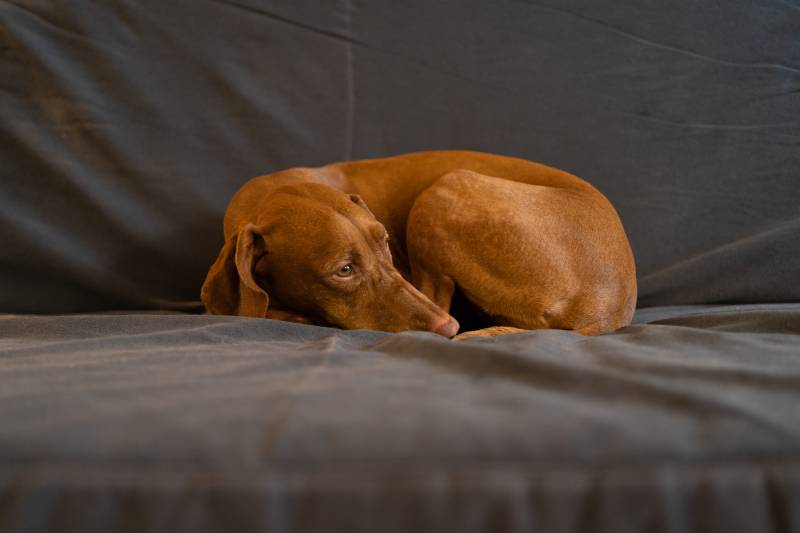
Separation anxiety is the clearest sign of how an owner’s presence or absence can emotionally impact a dog. Like children, dogs show signs of distress during separation and overt joy upon reunions with their caregivers. Without their secure base and safe haven, dogs feel confused, raising their stress levels and resulting in various undesirable behaviors until their owner returns.
Roughly 20–40% of dogs experience separation anxiety.
Common signs include the following:
Science has shown separation anxiety is half nature and half nurture. One study found male dogs were more likely to develop the condition, while another revealed cooperative working dogs typically had the highest amount of separation anxiety. Breeds in this category include Border Collies, German Shepherds, Labrador Retrievers, and other dogs that traditionally worked within close, visual range of their handlers.
How Owners Influence Their Dog’s Separation Anxiety
Separation anxiety may be more common in less independent dogs, but any pet can become stressed from missing their owner. Beyond the influence of breeding, the individual dog’s environment and relationship with their owner can determine whether they develop a separation-related disorder.
Many theorize dogs develop infant-like attachment styles and behavioral strategies based on how their caregiver responds to their needs. Those with secure attachments have positive and supportive owners they can confidently go to for care. Others have insecure attachments that make them avoid owners or develop uncertainties about how they’ll respond.
These attachments play a part in separation anxiety. According to one study, dogs with an insecure-anxious relationship with their owner were more likely to have separation-related disorders. Researchers suggest an owner’s avoidant or dismissive style can create this insecure attachment.
Because we’re their caregivers, most dogs miss their owners to some degree. But the way they express that varies, and our relationship can influence their separation anxiety.
Dogs with a secure attachment trust their owners, while those who are insecure may be unsure of how their owners may behave. They might stress if they don’t know when their owner will return or how they’ll act when they get home.
Tips for Reducing Separation Anxiety in Dogs
As an owner, you want to foster the attachment that makes your dog view you as a secure base and safe haven. Giving them adequate attention, a consistent routine and response/reward system, and daily enrichment are essential to success. Although your dog will miss you, you can set them up for comfort and decrease their separation anxiety while you’re gone with these tips:
If your dog’s separation-related behaviors seem unmanageable, consult your vet for guidance. In some cases, dogs may require medication to overcome their issues. Reducing anxiety in your absence will help you avoid problems with the neighbors and, more importantly, give your dog some much-needed emotional relief while facilitating a closer bond.
Final Thoughts
From their emotional needs to physical needs like food and shelter, dogs depend on their owners, giving them plenty of reasons to miss them. Owners offer security, reassurance, and an opportunity for dogs to experience their environment with confidence. It may be too much to ask our dogs not to miss us when we leave. However, with positivity and attention, we can give them the necessary tools to bear our absence with ease.
Related Reads:
Sources
Featured Image Credit: Bachkova Natalia, Shutterstock
Get Hepper In Your Inbox


Pet care tips from our vets and experts, straight to your inbox.
You may opt-out at any time. View our Privacy Policy for more information.

Nicole is a lover of animals of all sizes but is especially fascinated with the feline variety. She’s the proud mom of Baby, a Burmese, and works every day so he can relax in the sunshine or by the fire. She’s always had a cat in her home and has spent countless days with others, observing behaviors and softening up even the grouchiest of the lot. Nicole wants to share her kitty expertise with you so you and your cat can live happy, healthy, and care-free.
Join the conversation
Ask a question, share your story, or send private feedback.