Hepper is reader-supported. When you buy via links on our site, we may earn an affiliate commission at no cost to you. Learn more.
Can an Indoor Cat Become an Outdoor Cat? Pros, Cons & FAQ
In this article
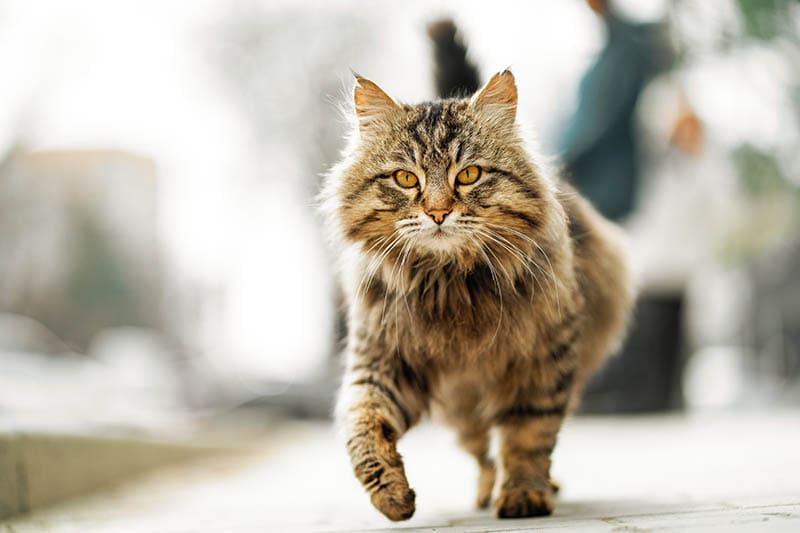
If you're a cat owner, you know how much they love lounging around and napping all day. They're often referred to as "couch potatoes", "lazy mini lions", or "lap warmers", but have you ever considered the benefits of turning your indoor cat into an outdoor explorer? While it may seem like a great idea to let your feline friend roam free in the great outdoors, there are also some potential risks involved. So, let's explore the pros and cons of turning your indoor cat into an outdoor cat. Whether you're a seasoned cat owner or considering getting your first pet, keep reading to find out if outdoor exploration and/or living is right for your cat friend.

Are the Outdoors Safe for Indoor Cats?
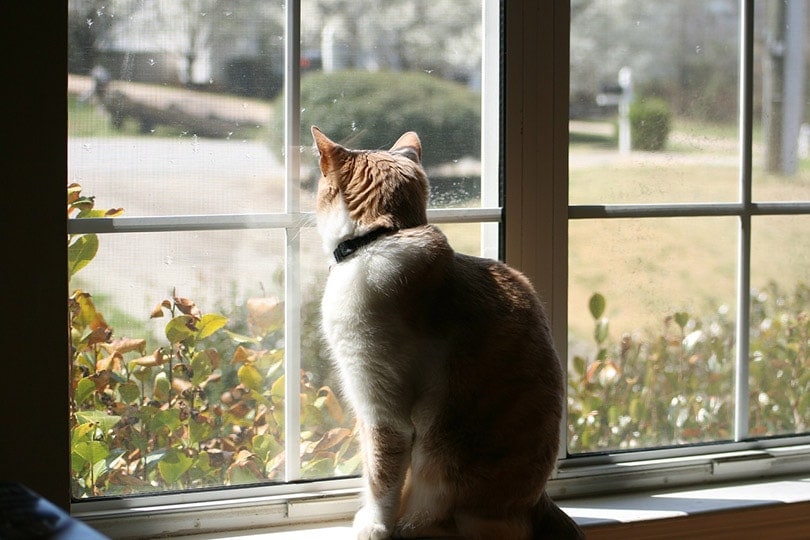
Making the decision to transition an indoor cat to become an outdoor cat can be a complex one. While some cats may adapt well to the great outdoors, others may struggle with the change. So, it's important to consider various factors before making this decision. You can start by first assessing your cat's personality and behavior. Some cats are more adventurous and independent, while others prefer the safety and comfort of being indoors.
Additionally, consider the environment in which you live. If you live in a busy urban area or near a busy road, it may not be safe for your cat to roam outdoors, especially outside of an enclosed backyard. And even then, depending on the type of fence that you have, your cat may be able to simply squeeze through it. So ultimately, it depends on your cat's preference for the outdoors and whether your specific outdoor environment is safe for them to roam.
The Positives of Making an Indoor Cat an Outdoor Cat
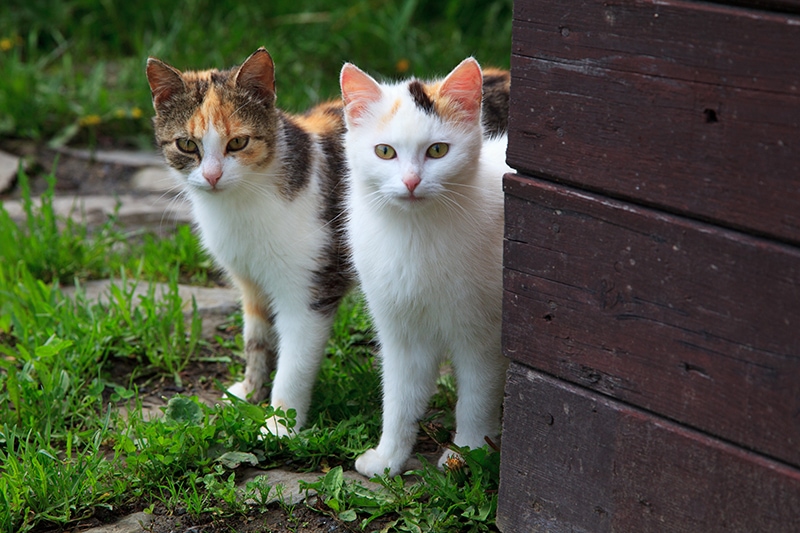
There are many benefits to allowing your cat to explore the great outdoors. First and foremost, it can provide your cat with much-needed exercise and mental stimulation. Cats are natural explorers and hunters, and they thrive on new experiences and challenges. Outdoor exploration can provide your cat with a sense of adventure and excitement that they may not get from sleeping on the couch all day.
In addition to mental and physical stimulation, outdoor exploration can also provide your cat with a scent of independence. Indoor cats are typically 100% reliant on their owners for food, water, and entertainment (like toys and scratching posts), but outdoor cats are free to explore and hunt for their own food sources – they pretty much climb anything and can roam as they see fit. So, this can actually be a great way to help your cat develop their natural instincts and abilities, if that's important to you.
Lastly, turning your indoor cat into an outdoor cat can provide them with a healthier and more natural lifestyle. Cats are designed to be hunters and explorers, and they thrive in environments that allow them to engage in these natural behaviors. By allowing your cat to explore the outdoors, you're providing them with an environment that's more conducive to their natural needs and instincts.
The Downsides of Making an Indoor Cat an Outdoor Cat
While there are many benefits to turning your indoor cat into an outdoor cat, there are definitely some potential risks and drawbacks to consider. The biggest risk is the danger posed by traffic and other outdoor hazards. Outdoor cats are at risk of being hit by cars, attacked by other animals, and getting lost or injured in unfamiliar territory. Imagine if you were to live solely outdoors for a few days after living indoors all your life.
In addition to the risks posed by outdoor hazards, outdoor cats are also more likely to be exposed to diseases and parasites. Outdoor cats are at risk of contracting diseases like feline immunodeficiency virus and rabies, as well as parasites such as fleas and ticks. These risks can be mitigated by regular vet care and preventative medications, but they're still a potential concern for outdoor cats. Keep in mind that outdoor cats are also more likely to bring home unwanted "gifts" such as dead rodents and birds, which can be unpleasant for you to deal with.

How to Make the Transition
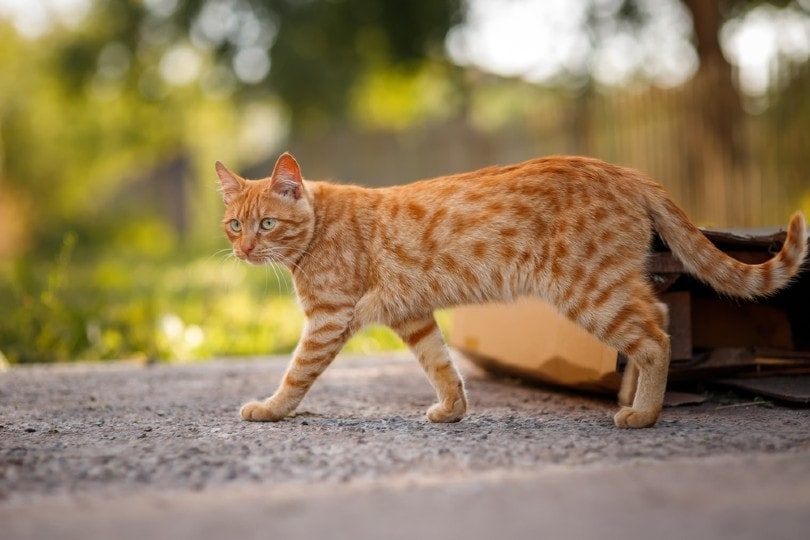
If you've decided that outdoor exploration is right for your cat, it's best to take the necessary steps to ensure their safety and wellbeing. The first step is to make sure that your cat is up to date on all of their vaccinations and preventative medications. This will help protect them from diseases and parasites that they may encounter outside.
Next, you'll need to slowly and gradually introduce your cat to the outdoors. Start by allowing them to explore a small, enclosed area such as a screened-in porch or fenced yard. This will sort of help them get acclimated to the sights, sounds, and smells of the outdoors without overwhelming them.
And then once your cat is comfortable in their enclosed area, you can gradually allow them to explore further afield. Start by taking them on supervised walks on a harness and leash, and gradually increase the amount of time you allow them to spend outside. Eventually, you may be able to allow your cat to roam free outside, but it's important to monitor them closely and make sure they're safe at all times.
Outdoor Cat Safety Tips
If you've decided to allow your cat to explore the outdoors, there are several steps you can take to help keep them safe and healthy. First, it's important to provide your cat with a safe and comfortable place to retreat to when they're outside. This could be a little shelter or hiding spot, or even a cat tree or other outdoor furniture. Providing your cat with a place to relax and feel safe will help reduce their stress and anxiety and make outdoor exploration more enjoyable for everyone.
Next, make sure your cat is microchipped and wearing a collar with an ID tag. Getting your cat tagged with a microchip is an easy way to keep tabs on your cat 24/7. And doing so will help ensure that they can be identified and returned to you if they get lost. But even if you don't decide to go this route, having an ID card can definitely be helpful to anyone who may find your cat in case it happens to get lost.
Lastly, you should also make sure that your cat is spayed or neutered. Doing so can prevent your female cat from becoming pregnant and your male cat from creating a litter or roaming in search of a mate – which may lead him to areas outside of your yard. But for both male and female cats it will help reduce their natural urge to roam and explore, which can help keep them safer and closer to home.
Should You Keep Your Cat Indoors?
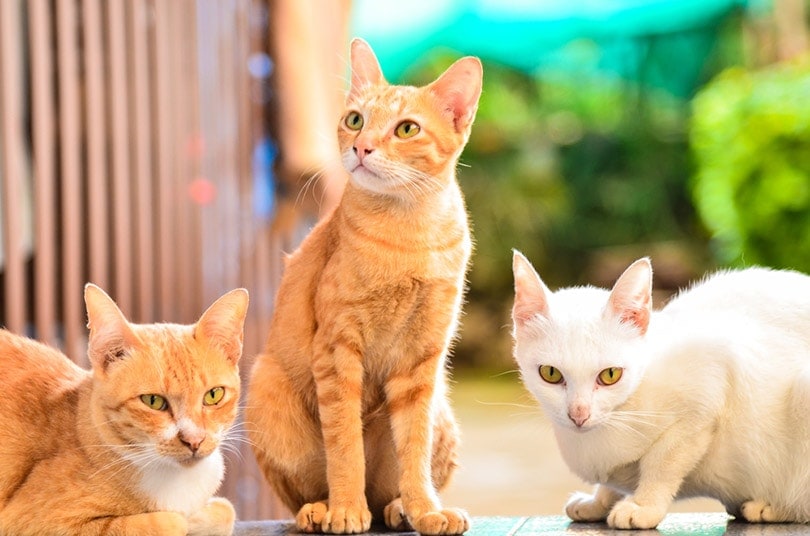
While outdoor exploration can be beneficial for some cats, there are also many benefits to keeping your cat indoors. Indoor cats are at a much lower risk of being hit by cars or attacked by other animals. They're also less likely to contract diseases or parasites, and you don't have to worry about them falling prey to predatory animals that can harm them – such as coyotes, mountain lions, possums, unleashed dogs, and raccoons. On the flip side of this, keeping your cat indoors can also help protect local wildlife. Outdoor cats are natural hunters and can pose a threat to birds and other small animals in your area.
Keeping your feline friend indoors can also provide them with a more predictable and stable lifestyle. Indoor cats are more likely to have regular feeding schedules, access to fresh water, and a comfortable and familiar environment. Believe it or not, this can actually help reduce their stress and anxiety and provide them with a sense of security and stability.
FAQ About Outdoor Cats
What's the difference between an outdoor cat and a feral cat?
There are a few distinctions between an outdoor cat and a feral cat. An outdoor cat is one that has an owner and a home, but it is allowed to roam freely outdoors. These cats may spend time outside during the day but return home for food, shelter, and quite honestly, love and affection. On the other hand, a feral cat is one that has had little to no human interaction and has likely been born in the wild. They are often fearful of humans and tend to live in colonies or small groups. While outdoor cats can be socialized and may still have some level of dependence on their owners, feral cats are typically independent and self-sufficient for their survival.
Should I feed outdoor cats in my neighborhood?
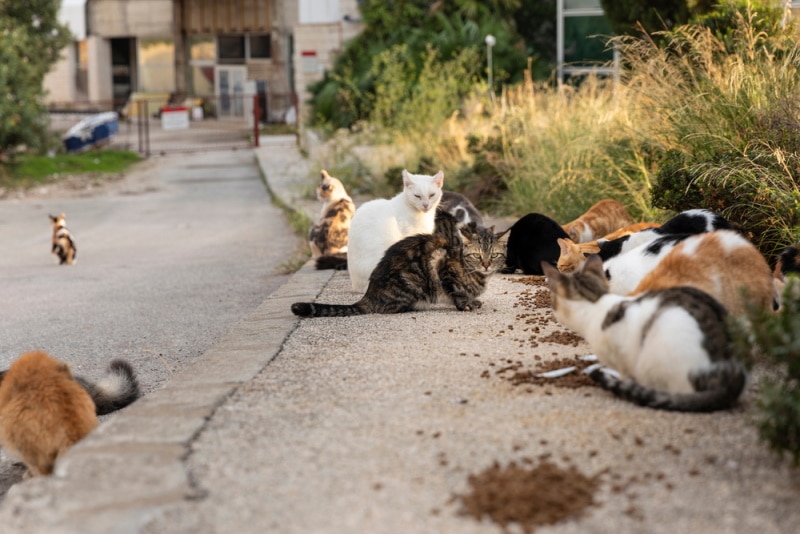
That's pretty much a personal decision. While it's of course not mandatory, providing food for these cats can be a compassionate gesture, especially if they appear malnourished or are struggling to find food on their own. Feeding them can help improve their overall health and well-being. But it's important to consider the potential consequences of feeding outdoor cats. For instance, it'll likely attract more cats to your neighborhood, leading to an increase in the cat population and potential conflicts with other residents. Additionally, feeding outdoor cats may also encourage them to rely solely on humans for food, which can affect their natural hunting instincts.
How long should I let my indoor cat play outside?
When it comes to letting your indoor cat play outside, it's important to consider both their safety and well-being first. So, it's crucial to set limits on the duration of their outdoor adventures. The recommended time for outdoor play will likely vary depending on factors such as the cat's age, health condition, and the environment they are in. Generally, it's advisable to limit outdoor playtime to around 30 minutes to an hour. This allows your cat to enjoy the benefits of being outside while minimizing the risks associated with prolonged exposure to potential dangers such as traffic or other animals. And don't forget to keep an eye on your cat if you can.
Wrapping Things Up
So, yes, in some cases, you can turn your indoor cat into an outdoor explorer. You can do this by setting up an outdoor environment full of toys, climbing structures and other things to keep them mentally stimulated and that are more in tune with their natural lifestyle. However, it's important to weigh the potential risks and drawbacks before making this decision. If you do decide to allow your cat to explore the outdoors, make sure to take the necessary steps to keep them safe.
Featured Image Credit: barte.k_Shutterstock
Get Hepper In Your Inbox


Pet care tips from our vets and experts, straight to your inbox.
You may opt-out at any time. View our Privacy Policy for more information.

Nicole is a lover of animals of all sizes but is especially fascinated with the feline variety. She’s the proud mom of Baby, a Burmese, and works every day so he can relax in the sunshine or by the fire. She’s always had a cat in her home and has spent countless days with others, observing behaviors and softening up even the grouchiest of the lot. Nicole wants to share her kitty expertise with you so you and your cat can live happy, healthy, and care-free.
Join the conversation
Ask a question, share your story, or send private feedback.