Hepper is reader-supported. When you buy via links on our site, we may earn an affiliate commission at no cost to you. Learn more.
Can Bearded Dragons Eat Fish? Vet-Reviewed Nutrition Facts & FAQ


In this article
Fish is rich in calcium, vitamins, and omega-3 fatty acids and is an excellent source of minerals like iodine, zinc, magnesium, and iron. So, you might think this makes them a great option for your Bearded Dragon, especially since calcium is crucial to their diet. Unfortunately, fish is not a healthy option for your Bearded Dragon, and whether it’s live, raw, cooked, fresh, or tinned, it should be avoided.

Why Can’t You Feed Your Bearded Dragon Fish?
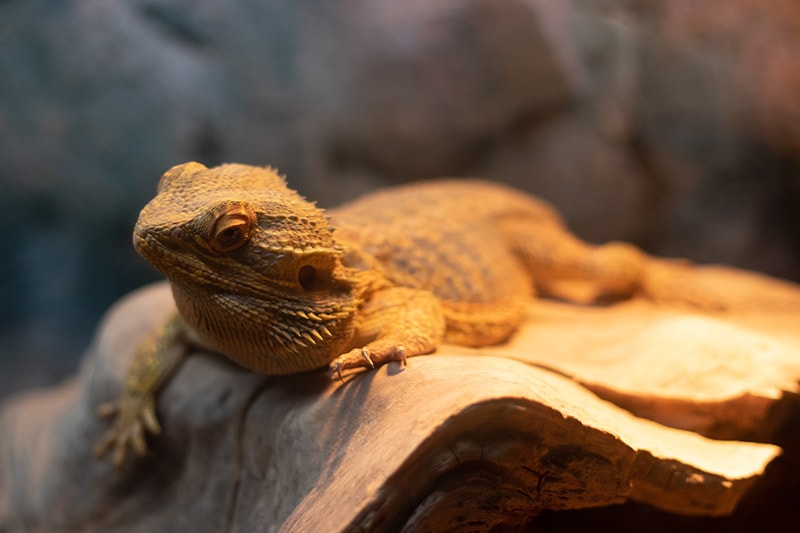
There are many reasons you should avoid feeding fish to your Bearded Dragon. First, they simply don't need it in their diet, and secondly, fish poses many risks.
- Bones: Bones are a choking hazard to your Bearded Dragon and can cause gut impaction and internal injuries.
- Fat: Fish contains omega-3 fatty acids, which we generally think of as healthy, but Bearded Dragons don't get as much exercise when they are pets compared to living in the wild. This means it’s easy for them to gain weight and become obese. So, you’ll need to limit the fat in their diet.
- Parasites and bacteria: They are more prevalent in raw fish, but your Bearded Dragon is at risk of contracting parasites like tapeworms from eating fish.
- Protein: Protein is crucial in your beardie’s diet, but if they consume too much, they can develop liver disease and diabetes.
- Toxins: Fish can contain heavy metals like lead and mercury, which can accumulate in your Bearded Dragon’s body over time.
- Vitamin B1: Thiamine or vitamin B1 is crucial for Bearded Dragons, and some fish, like red minnows and goldfish, contain an enzyme that prevents vitamin B1 absorption.
Can Bearded Dragons Eat Meat at All?
Bearded dragons are omnivores, which means they eat animal and plant-based food. However, that doesn’t mean you’ll be preparing them a nice juicy steak anytime soon. Appropriate animal-based protein sources include Dubia roaches, mealworms, silkworms, hornworms, and crickets. They also enjoy superworms and waxworms, but they are high in fat and shouldn’t be given to your Beardie daily. Larger Bearded Dragons can also be fed young mice, also known as “pinkies.”
Make sure to dust insects with calcium or increase their nutritional value by “gut loading” them before feeding them to your Bearded Dragon. This involves feeding store-bought insects nutritious food 24–48 hours before giving them to your Beardie. Depending on your Bearded Dragon’s age, they should eat 50% animal- and 50% plant-based material. But be sure to discuss their diet with your veterinarian if you are unsure.
Animal-Based Food to Avoid
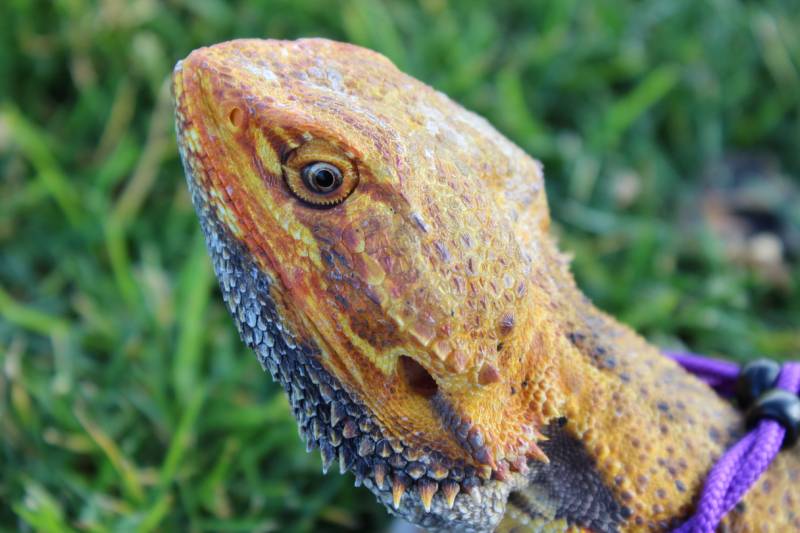
You should avoid feeding your Bearded Dragon insects you’ve caught from outside, even from your yard. They could contain insecticides and fertilizers that can be toxic. You should also avoid fireflies since they are poisonous to Bearded Dragons.
Most meats that humans consume, such as beef, turkey, and chicken, are higher in phosphorous than calcium, which interferes with your Bearded Dragon’s calcium absorption. They also contain too much fat and cholesterol. This can result in metabolic bone disease (MBD).
Signs of this include:
If this condition progresses, your Bearded Dragon will become lethargic and suffer from inappetence and muscle twitching. It’s essential to take your Bearded Dragon to the veterinarian as soon as possible because not all cases can be resolved, so the sooner they receive a diagnosis and start treatment, the better.
Final Thoughts
Bearded Dragons should not eat fish; it doesn’t add anything to their diet and poses several risks that are simply not worth it. Bearded dragons are omnivores, and they get their animal-based protein from insects. However, the insects must be gut-loaded to ensure they provide the right nutritional balance for your Bearded Dragon to keep them healthy.
If you are unsure about what to feed your Bearded Dragon, contact your vet for advice. The wrong food and diet can be detrimental to your lizard’s health, and most of the health issues that Bearded Dragons experience are due to an improper diet.
Related Read:
Sources
Featured Image Credit: TunedIn by Westend61, Shutterstock
Get Hepper In Your Inbox


Pet care tips from our vets and experts, straight to your inbox.
You may opt-out at any time. View our Privacy Policy for more information.
Kerry-Ann lives in Scotland and wishes her garden was bigger so she could have her very own Highland cow. But her dogs probably wouldn’t like that very much. She has a La Chon called Harry who was poorly with a liver shunt when he was a puppy. It wasn't likely he would make it into adulthood, which was difficult, but he beat the odds and is a healthy old man now. She also has a Pug called Maddie who is a big foodie. She’s small, sassy, and every day she finds a new way to mess with her brother.
When she isn’t writing you can find Kerry-Ann going for long walks when the weather isn't bad, reading, or watching cartoons when she should be tidying her house. She would one day like to be a tourist in her own country and travel through the Highlands with her family.
Join the conversation
Ask a question, share your story, or send private feedback.