Hepper blog

Search our database of over 9,984 posts with up-to-date information from our experts and veterinarians.

Hepper is reader-supported. When you buy via links on our site, we may earn an affiliate commission at no cost to you. Learn more.

Can Bearded Dragons Eat House Flies? Vet-Reviewed Safety Facts

By Melody Russell · Reviewed & fact-checked by Dr. Alice Athow-FrostVet Approved
Dr. Alice Athow-Frost
Reviewed & Fact-Checked byDr. Alice Athow-FrostVeterinarian
Originally from London, Alice has been a small animal vet since graduating in 2016. Prior to that, Alice studied Zoology at the University of Bristol, so she has a love of all things animal-related.View authorThe information is current and up-to-date in accordance with the latest veterinarian research. Read about our vets
Share
Ask us a question in the comments
Can Bearded Dragons Eat House Flies

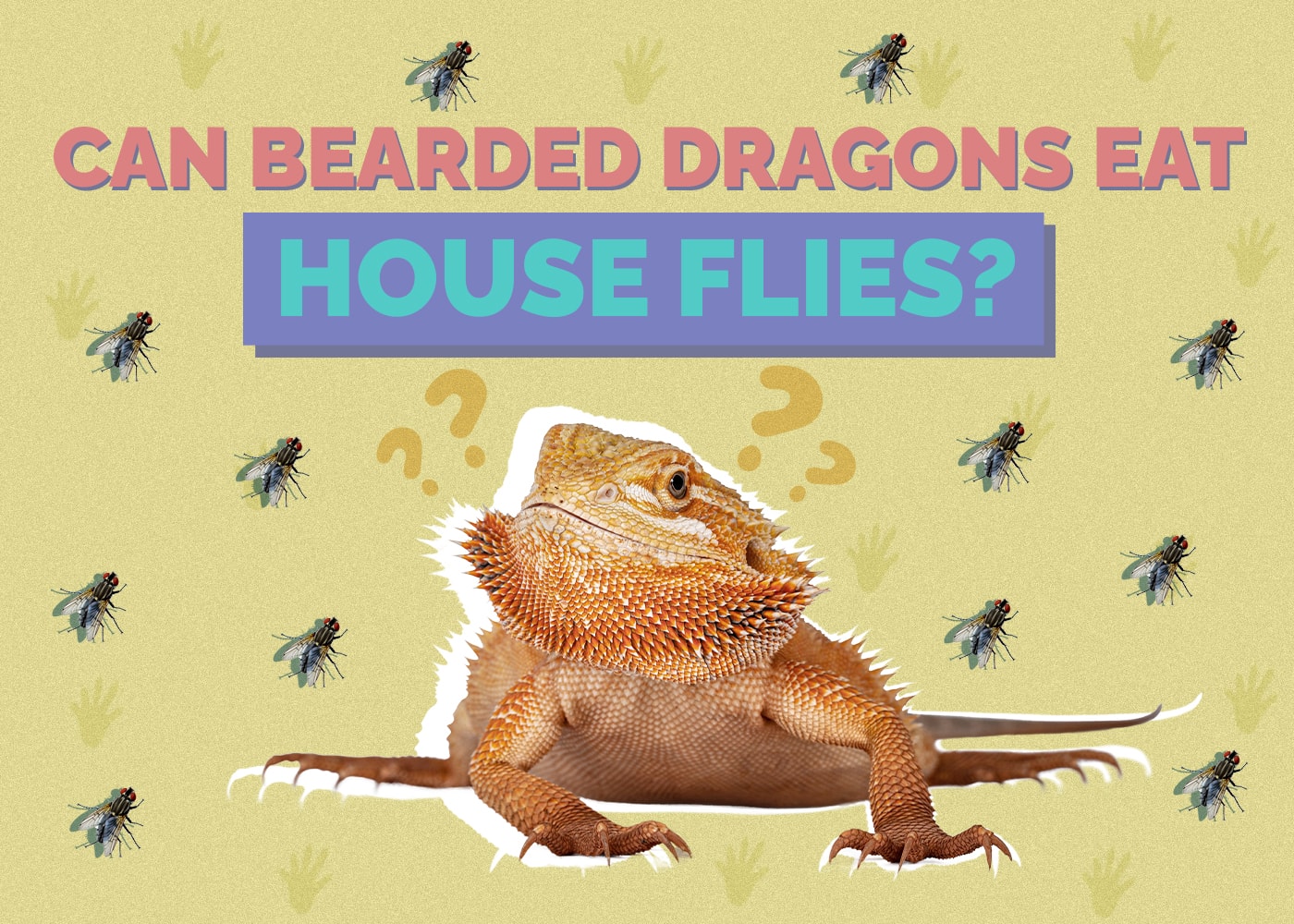
A common question among bearded dragon owners revolves around the suitable dietary options for their reptilian pets. This question gets even more pertinent when the potential food source can conveniently be found in most households—the common housefly (Musca domestica). So, can bearded dragons eat houseflies? While eating a housefly every once in a while won’t harm them, house flies shouldn’t be a regular part of bearded dragon's diet.  Wild caught insects may contain harmful pesticides and diseases, and they don’t offer the necessary nutrition that bearded dragons need. This article aims to discuss why houseflies are not ideal dietary inclusions for bearded dragons and suggest healthier alternatives.

Nutrition and Bearded Dragons: The Basics

Bearded dragons are known for their omnivorous diet, meaning they can eat both plants and insects. An ideal bearded dragon diet involves a mixture of vegetables, fruits, and insects, giving them a balance of nutrients necessary for their overall health and well-being.

Younger dragons require more protein for their growth and development, typically sourced from insects. Adult bearded dragons, on the other hand, lean towards a more herbivorous diet, with insects making up a lesser proportion of their meals. The shift in dietary needs underlines the importance of feeding your bearded dragon the right foods at each stage of its life.

Moreover, a key consideration for the diet of bearded dragons is the calcium-to-phosphorus ratio. Ideally, their food should have a 2:1 ratio of calcium to phosphorus to prevent metabolic bone disease, a common ailment in pet reptiles.  There is very little reliable information written on the nutritional analysis of the adult house fly; the pre-pupae stage is well studied due to interest in them for protein rich animal food. However, it is not thought that adult house flies are  suitable as feeder insects for a bearded dragon.
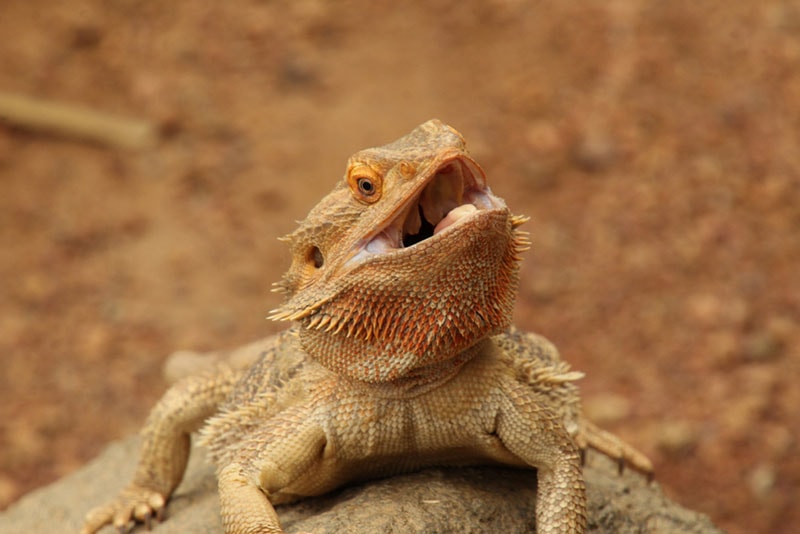
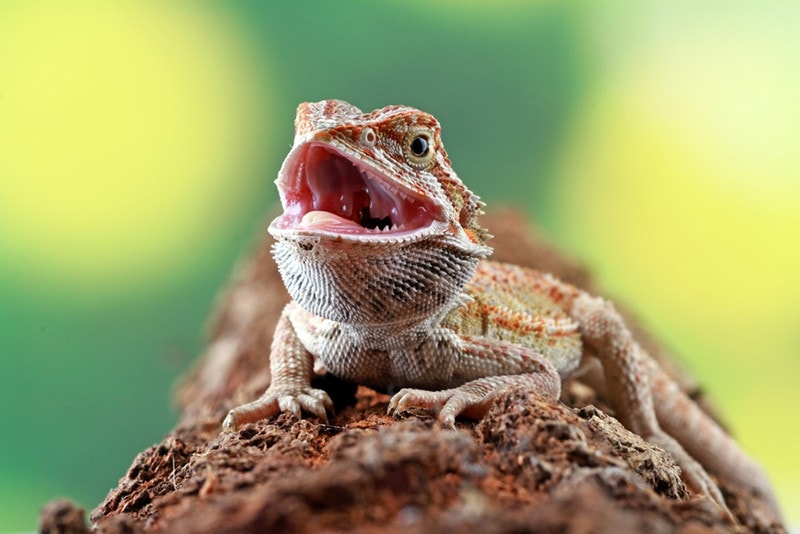
a bearded dragon with the mouth open
Photo By: Deb Kletch, Shutterstock

Houseflies: A Nutrient Analysis

Houseflies, while abundant and easily accessible, do not make a good meal for bearded dragons. The primary reason is that they are not thought to provide the necessary nutrients a bearded dragon needs, although more scientific research into this needs to be done.

The Unhygienic Nature of Houseflies

Houseflies are scavengers and are often found around unhygienic places, such as garbage, feces, and decaying organic matter. They are potential carriers of various harmful bacteria, viruses, and parasites, which pose a risk to the health of your bearded dragon. Feeding houseflies to your pet exposes them to the potential risks associated with consuming these pathogens.

Houseflies and Disease Transmission: A Risk to Bearded Dragons

As unassuming as they may seem, houseflies are notorious carriers of numerous disease-causing organisms, capable of transmitting over 100 pathogens that can lead to various diseases.1 Let's dive deeper into understanding what these diseases could mean for your bearded dragon.

  • Bacterial Infections: Houseflies are constantly coming into contact with a wide array of bacterial pathogens, which is due to their proclivity to thrive in unsanitary environments! The common housefly can actually pick up bacteria like Salmonella from their own contaminated feces or even food waste and transmit them to our unassuming bearded dragons. Salmonella doesn’t usually cause a bearded dragon to become ill, as most bearded dragons have Salmonella present in their gasto-intestinal tract anyway. If your bearded dragon is otherwise unwell due to dietary or environmental factors, it might be more likely to become ill from Salmonella   As Salmonella is often present in the gastro-intestinal tract of a bearded dragon without causing illness to them, it is vital to remember that it definitely can cause disease in humans.  Always remember to wash your hands thoroughly after handling your bearded dragon and be especially careful if you are immunosuppressed or if children are handling the beardie.
  • Parasitic Infections: Houseflies can also serve as vectors for several parasitic diseases. One such example is protozoan parasitesg coccidia. The most common species found in bearded dragons is Isospora amphiboluri. Houseflies can carry these small parasites on their bodies or in their digestive tract. Bearded dragons infected with these parasites might show signs of weight loss, diarrhea and loss of appetite (anorexia). Left unchecked, these parasitic infections can severely impact the overall health and vitality of your pet.  Frequent fecal analysis of your bearded dragon’s feces, carried out by your veterinarian, is highly recommended.
  • Viral Infections: In the world of disease transmission, houseflies are also capable of transmitting certain viruses. Even though the specific effect of each virus can vary, many viral infections in bearded dragons can lead to symptoms. Some viruses can result in long-term health impacts, compromising the immune system of our scaly bearded dragons and making them more susceptible to other harmful diseases.

It is essential to note that the pathogens carried by houseflies are not just a risk for bearded dragons but can also pose significant health risks to humans. This further emphasizes the need to control housefly populations and prevent them from becoming a source of food for your bearded dragon.

While it can be challenging to diagnose specific diseases in bearded dragons due to their stoic nature, any changes in behavior, appearance, or eating habits should prompt a consultation with a vet. Regular check-ups can help detect and address any health issues early on, ensuring your bearded dragon remains in optimal health.
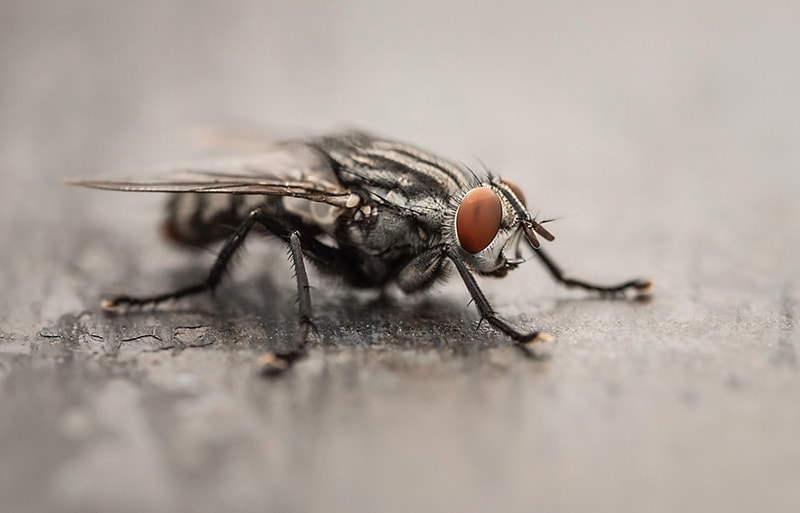
Houseflies
Photo By: AnnaD81, Shutterstock

Preventive Measures

It's often said that sidestepping a problem beats fixing it. In this case, steering clear of wild houseflies as a meal option is a good idea.  Instead, using more nutritionally beneficial, calcium dusted and gut loaded insects such as Dubia roaches and crickets is a much better option.. Ensuring your bearded dragon's surroundings are spick-and-span is important to reduce the attraction of houseflies to the vivarium and to lessen disease spread. Habitual habitat tidying, appropriate handling of waste, removing old foods, and providing a fresh, varied diet can be monumental in preserving your pet's well-being.

Alternatives to Houseflies

When considering alternatives, it is important to choose insects that are both safe and nutritionally beneficial;

  • Dubia Roaches: Dubia roaches are a popular choice for many bearded dragon owners due to their high protein content and relatively soft exoskeleton. They are also easy to breed, making them a cost-effective option.
  • Crickets: Crickets make an excellent choice for a bearded dragon’s diet. They are rich in protein and relatively easy to keep. However, they should be gut-loaded with calcium-rich foods, meaning fed a nutritious diet before being offered to your pet. This method ensures your bearded dragon gets additional nutrients when they eat the crickets.
  • Hornworms: Hornworms, also known as Goliath worms, are another viable alternative. These worms are high in water content and can help keep your bearded dragon hydrated.

Mealworms or wax worms are not recommended as they are high in fat, lower in protein, and have a hard exoskeleton, which can cause digestion issues.

It's important to remember that feeding your bearded dragon with a varied diet and live insects helps prevent boredom and ensures they receive a mix of different nutrients.  It is very important to remove any insects that haven’t been eaten from the enclosure as uneaten crickets will take a bite at your bearded dragon.  Feeding your beardie its insects in a separate enclosure will reduce the risk of escaping crickets remaining in your bearded dragon’s habitat and taking a bite later.
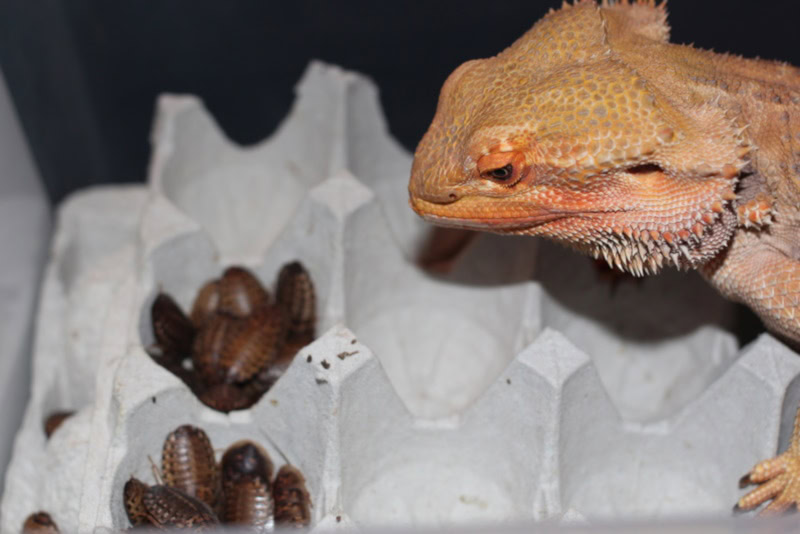
Bearded dragon about to eat dubia roaches
Image Credit: Attezor, Shutterstock

Conclusion

Understanding the feeding habits of bearded dragons and the nutritional content of their food is a significant aspect of their care. While it may seem like they can eat anything, it’s essential to consider the nutritional value and safety of the food before offering it to them. Although houseflies are a common sight in our homes, they are not a suitable food source for bearded dragons due to their potential to transmit disease and their poor nutritional content.

It is recommended that owners invest time in understanding and providing a varied and nutritious diet for their bearded dragons. This will contribute significantly to their health and longevity. It's about creating an environment that mimics their natural habitat as closely as possible and providing a diet that aligns with their needs. And remember, if ever in doubt about what to feed your bearded dragon, consult with a reptile veterinarian to ensure you're providing the best possible care.

Related Reads:

Sources

Featured Image Credit: Vinicius R. Souza, Shutterstock

Get Hepper In Your Inbox

Pet care tips from our vets and experts, straight to your inbox.

List

Select all that apply.

You may opt-out at any time. View our Privacy Policy for more information.

Melody Russell
Authored by

Melody Russell

Join the conversation

Ask a question, share your story, or send private feedback.
Rate this post
Required to post. Only our editors see your rating.
Who should see this?

A human reviews every comment before it appears. Your email is never published.

Picked to go with this article

Can Bearded Dragons Eat Maggots? Vet-Reviewed Nutrition Facts

Can Bearded Dragons Eat Maggots? Vet-Reviewed Nutrition Facts

Have you ever peered into your bearded dragon's cage and wondered, "Hey, can my bearded dragon munch on maggots?" If so, you're not alone! This question pops u…

Melody Russell
By Melody Russell ·
Can Bearded Dragons Eat Ladybugs? Vet-Verified Dangers & FAQ

Can Bearded Dragons Eat Ladybugs? Vet-Verified Dangers & FAQ

Even though bearded dragons can technically eat ladybugs, it is usually not a good idea to give them ladybugs to eat. Ladybugs are carriers of a poison called…

Melody Russell
By Melody Russell ·
What Do Bearded Dragons Eat as Pets? Vet Reviewed Diet

What Do Bearded Dragons Eat as Pets? Vet Reviewed Diet

Bearded Dragons are omnivorous, meaning they consume a mixture of animal protein and veggies. In the wild, the exact animals and veggies the Bearded Dragons wo…

Kristin Hitchcock
By Kristin Hitchcock ·
Can Bearded Dragons Eat Rolly Pollies? Vet-Approved Facts & Healthy Alternatives

Can Bearded Dragons Eat Rolly Pollies? Vet-Approved Facts & Healthy Alternatives

Bearded dragons are omnivores, and fairly easy to please in the food department. They enjoy a wide range of vegetables and insects, but what about rolly pollie…

Kit Copson
By Kit Copson ·

Keep reading

More stories you might like

Can Bearded Dragons Eat Dead Crickets? Vet Approved Facts & FAQ

When it comes to our beloved bearded dragons' nutrition, every detail matters. From the type of food they consume to the nutritional balance their diet provide…

Melody Russell
By Melody Russell ·
Can Bearded Dragons Eat Dead Crickets? Vet Approved Facts & FAQ

Can Bearded Dragons Eat Oranges? Vet-Approved Diet, Risks & FAQ

Ever pondered about the similarities you might share with your Bearded Dragon? Consider this: If you've ever looked at a juicy orange and thought, "That seems…

Melody Russell
By Melody Russell ·
Can Bearded Dragons Eat Oranges? Vet-Approved Diet, Risks & FAQ

Can Bearded Dragons Eat Stink Bugs? Vet-Reviewed Safety Facts

Stink bugs—if you live in an area where they are common, you’d probably love to have a use for them. These smelly bugs can be real pests! But even if you have…

Chelsea Mortensen
By Chelsea Mortensen ·
Can Bearded Dragons Eat Stink Bugs? Vet-Reviewed Safety Facts

Can Bearded Dragons Eat Beetles? Vet-Approved Feeding Facts

Bearded dragons are omnivores that as adults need a diet consisting primarily of vegetables with some insect protein. Most lizards that eat invertebrates will…

Chantelle Fowler
By Chantelle Fowler ·
Can Bearded Dragons Eat Beetles? Vet-Approved Feeding Facts

Can Bearded Dragons Eat Spiders? Vet-Reviewed Nutrition Facts & FAQ

Bearded dragons are one of the more popular reptiles for pet owners who want a unique, scaly friend. As with many reptiles though, it can be hard to tell what’…

Codee Chessher
By Codee Chessher ·
Can Bearded Dragons Eat Spiders? Vet-Reviewed Nutrition Facts & FAQ

Can Bearded Dragons Eat Onions? Our Vet Approved Advice

Ever wondered, "Can bearded dragons eat onions?" If so, let us put it straight for you: no, they can't. Those tear-jerking orbs we so often chop, dice, and sau…

Melody Russell
By Melody Russell ·
Can Bearded Dragons Eat Onions? Our Vet Approved Advice

Can Bearded Dragons Eat Ham? Vet-Approved Risks & Alternatives

Bearded dragons are omnivores and have a voracious appetite, making it tempting to feed them just about anything. However, while your bearded dragon might want…

Adam Mann
By Adam Mann ·
Can Bearded Dragons Eat Ham? Vet-Approved Risks & Alternatives

Can Bearded Dragons Eat Turkey? Vet-Approved Dietary Facts

Bearded dragons are popular companions due to their docile nature and inquisitive nature. As omnivores, they require a diet consisting of both animal protein a…

Melody Russell
By Melody Russell ·
Can Bearded Dragons Eat Turkey? Vet-Approved Dietary Facts