Hepper is reader-supported. When you buy via links on our site, we may earn an affiliate commission at no cost to you. Learn more.
What Do Bearded Dragons Eat as Pets? Vet Reviewed Diet


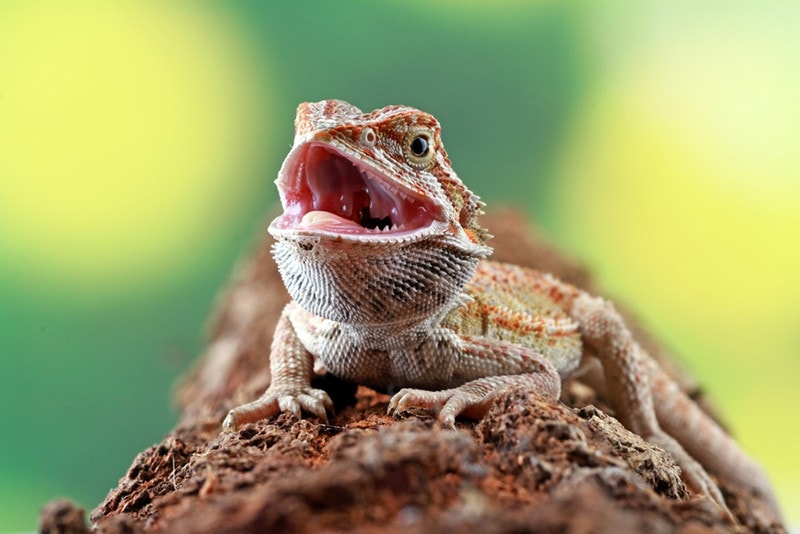
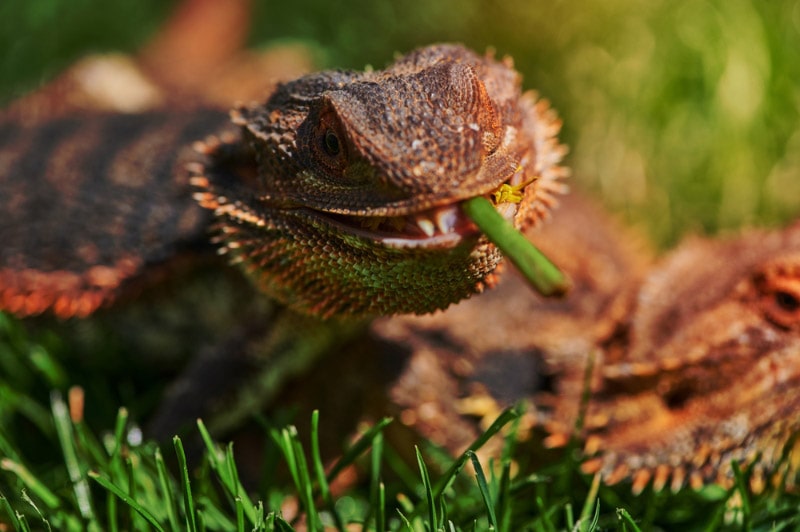
Bearded Dragons are omnivorous, meaning they consume a mixture of animal protein and veggies. In the wild, the exact animals and veggies the Bearded Dragons would consume depends on what they’d be able to find around them, a variety of insects and leafy plants.
However, in captivity, it mostly matters what their owners can find. Therefore, they eat insects commonly available at local pet stores (like crickets and mealworms). They also consume commonly available veggies that the average human consumes, such as collard greens, bell peppers, and carrots.
Commercially available foods are available and are a useful supplement to feeding a varied diet. It is recommended that you speak to a reptile vet about the requirements needed for a healthy Bearded Dragon at each life stage.
Here’s a breakdown of what a Bearded Dragon eats when kept as a pet:

What Bearded Dragons Eat as Pets?
1. Insects
Bearded Dragons must consume various insects (and sometimes slightly larger animals, like baby mice) for protein. Growing Bearded Dragons have higher protein requirements than adult dragons. Other factors may also increase a bearded dragon’s protein needs, like underlying health problems.
Here’s a list of insects that Bearded Dragons are often fed in captivity:
It’s crucial to provide your Bearded Dragon with gut-loaded insects or insects that have previously been fed a nourishing diet while feeding insects to your pet. This ensures that the food you provide your Bearded Dragon has the most nutritional value possible. You should also dust the insects with calcium and vitamin D3 powder to prevent nutritional deficits.
2. Fruits
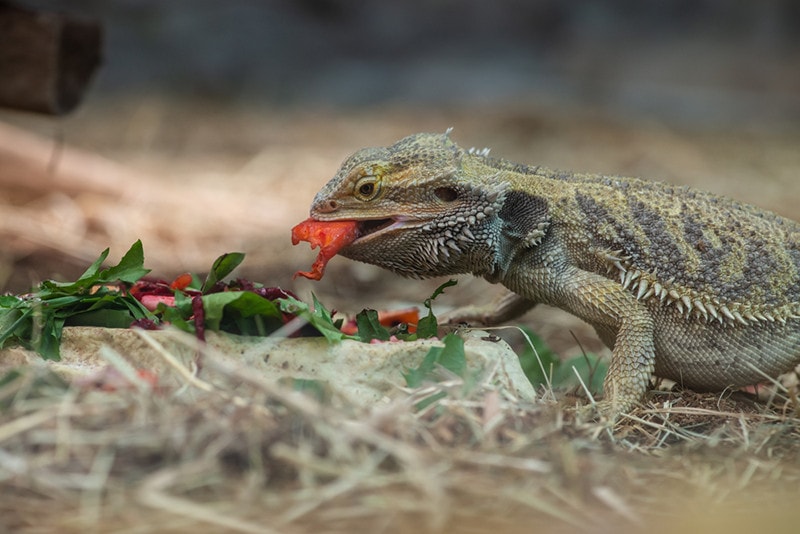
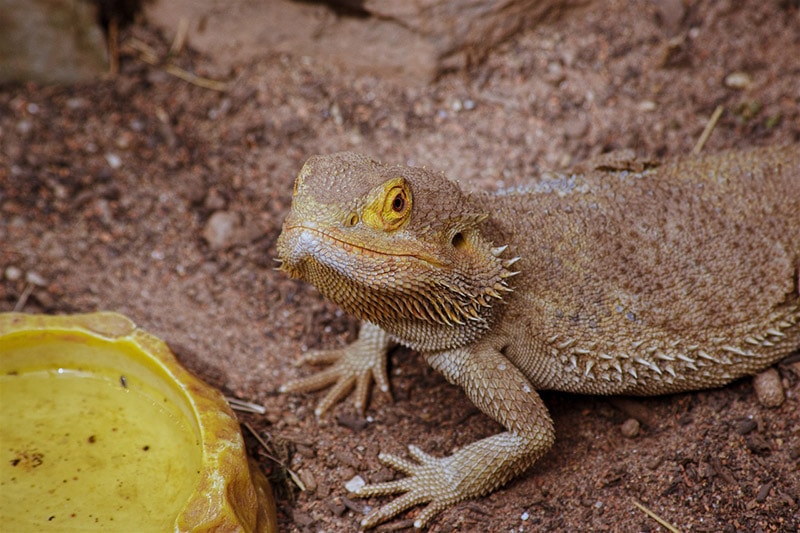
Bearded Dragons often love fruits, but they should only be given in moderation. They have a high sugar content, which isn’t healthy for Bearded Dragons when fed high amounts.
Some fruits are better than others, of course. Here are some fruits we recommend considering:
Ensure that fruits are cut or sliced into manageable bits for your Bearded Dragon to eat before giving them to your pet. Fruits with a lot of acids, like citrus fruits, should also be avoided because they can upset your Dragon’s digestive system.
Ensure any fruits you provide are fresh and untreated with pesticides or other contaminants. Fruits, as with all foods, should be consumed in moderation to prevent overeating and related health issues.
3. Vegetables
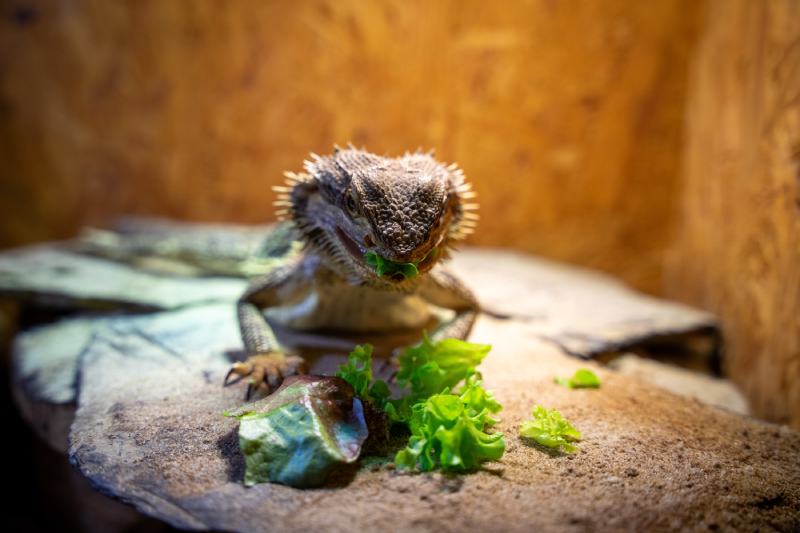
On top of insects, Bearded Dragons must also consume veggies for added nutrients. You can often feed your Bearded Dragon whatever veggies you commonly have in your home that are safe for your Bearded Dragon. Of course, some vegetables are better than others.
Here’s a list of vegetables that we recommend feeding your Bearded Dragon:
You should vary the veggies that your Bearded Dragon consumes. You don’t want them only to consume a specific vegetable.
4. Commercial Food
Commercial food is available for Bearded Dragons at many pet stores. However, it is usually recommended that these form part of a varied diet rather than their sole source of nutrition.
There are several different commercial food options if you decide to feed them to your Bearded Dragon:
Commercial foods can provide extra nutrients your pet may have difficulty getting otherwise. However, they can become obese or develop other health problems.
Final Thoughts
Bearded Dragons can consume various fruits, veggies, and insects. Having an appropriate mix for your lizard’s health and age is vital. Growing Bearded Dragons need a different diet than older Beardies. You will need to shift your Dragon’s diet significantly as they age.
In the end, it’s mostly about variety. You don’t want to feed your Bearded Dragon too much of one thing, as this can lead to deficiencies. Providing a range of different insects and veggies is recommended. Both fruits and commercial diets should only be fed in moderation.
See Also:
Sources
Featured Image Credit: Opayaza12, Shutterstock
Get Hepper In Your Inbox


Pet care tips from our vets and experts, straight to your inbox.
You may opt-out at any time. View our Privacy Policy for more information.
Kristin is passionate about helping pet parents create a fulfilling life with their pets by informing them on the latest scientific research and helping them choose the best products for their pets. She currently resides in Tennessee with four dogs, three cats, two fish, and a lizard, though she has dreams of owning chickens one-day!
Join the conversation
Ask a question, share your story, or send private feedback.