Hepper is reader-supported. When you buy via links on our site, we may earn an affiliate commission at no cost to you. Learn more.
Can Bearded Dragons Eat Onions? Our Vet Approved Advice


In this article
Ever wondered, "Can bearded dragons eat onions?" If so, let us put it straight for you: no, they can't. Those tear-jerking orbs we so often chop, dice, and sauté for our meals are firmly off the menu for our scaly friends. But don't let this news get you down! Let's explore the intriguing realm of bearded dragon nutrition, understand why onions are a no-no, and discover what foods are indeed on the guest list for their culinary party.

Bearded Dragon Diet Basics
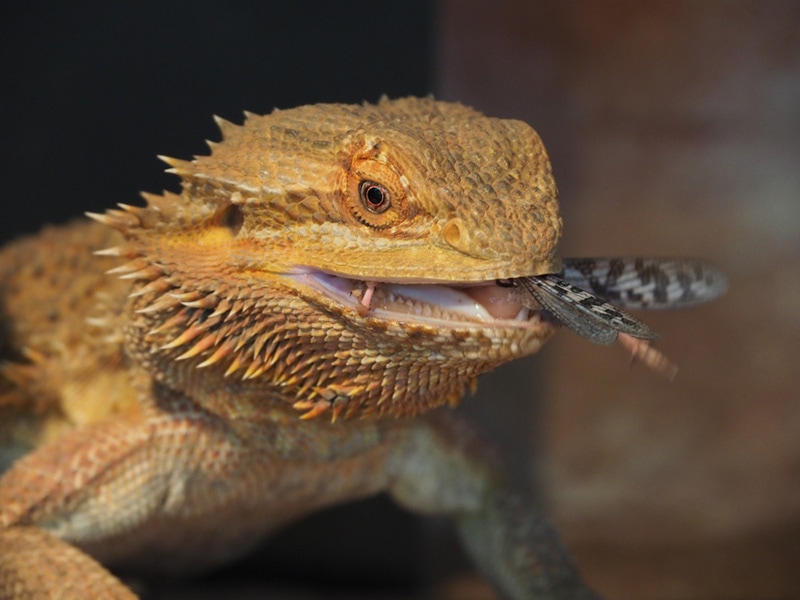
The dietary portfolio of bearded dragons is a fascinating medley of diverse edibles. In the wild expanses of their native Australia, these hardy reptiles dine on a smorgasbord of insects, juicy plant matter, and occasional fruits. But when the dinner bell rings for onions, our bearded buddies would be wise to decline.
All About Onions: What's the Big Deal?
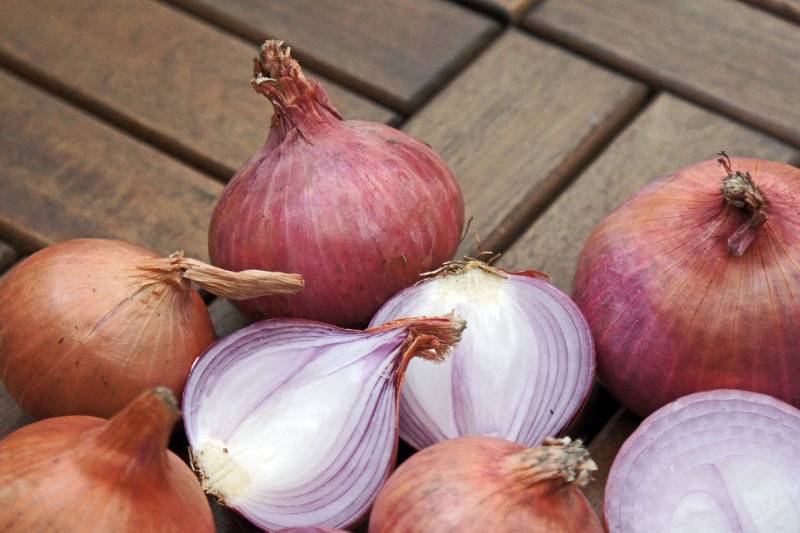
You might ask, "What's so offensive about onions?" The problem lies in their composition. Onions, along with their Allium family relatives like garlic, leeks, and shallots, contain a compound named thiosulphate. This substance, while easily handled by humans, is a stumbling block for bearded dragons who lack the necessary enzymes to metabolize it. On top of that, onions are too acidic for bearded dragons and have a poor calcium-to-phosphorus ratio.
Thiosulphate: The Invisible Culprit
Thiosulphate, a compound formed of sulfur and oxygen, is the unseen menace we are focusing on today. This substance, found in notable quantities in onions and other Allium family members, is perfectly harmless and even beneficial to humans. However, its biochemistry doesn't play out the same way in the metabolic system of bearded dragons.
The primary issue with the gradual hoarding of thiosulphate in a bearded dragon’s system is its potential to spark a form of anemia: Heinz body anemia. Named after the characteristic "Heinz bodies" or clumps that form within the red blood cells, this condition sabotages these cells' vital function as oxygen carriers. The stealthy onset of Heinz body anemia does not immediately ring alarm bells, making it a particularly sly threat. Its initial signs might be easily dismissed—your bearded dragon appearing slightly sluggish or showing decreased appetite. But if left unchecked, thiosulphate's continued build-up and the subsequent multiplication of Heinz bodies can escalate these symptoms, resulting in significant health complications. This is why it's pivotal to exclude thiosulphate-rich foods, like onions, from your bearded dragon's diet.
Emergency Measures: When Your Bearded Dragon Has Overdosed on Onions
If you find yourself in the unfortunate situation where your bearded dragon has indulged in an onion feast, don't panic. The first course of action is to contact your vet immediately. Symptoms of onion toxicity might not be immediately apparent, as the effects of thiosulphate can be gradual.
Your vet may suggest some preliminary interventions or recommend that you bring in your bearded dragon for a thorough check-up. This is a crucial step in managing the situation, as professional medical help is paramount in diagnosing and treating potential health issues arising from the onion ingestion.
The Power of Variety: Alternatives to Onions
Now that we've established the red flag waving over onions for bearded dragons, it's natural to ask, "What else can my scaly friend munch on?" The good news is that there's an entire spectrum of safe, wholesome, and utterly delectable alternatives waiting to be discovered!
Leafy greens like mustard greens, turnip greens, and dandelion leaves bring a splash of vibrant green to your dragon's plate. Crunchy bell peppers and squash introduce exciting textures and flavors, while also packing a punch of essential vitamins and minerals. Insects, too, have a starring role in the bearded dragon diet. A medley of crickets, mealworms, and dubia roaches offers not just protein-rich nourishment but also an exciting hunting experience for your pet. Together, these diverse food options weave a culinary tapestry that promises both safety and satisfaction for your bearded dragon.
In our quest to provide the best for our pets, it is also important to consider safe feeding practices. This involves not only choosing the right foods but also ensuring they're appropriately sized and prepared. And, of course, remember to provide fresh, clean water alongside their food to keep your dragon well-hydrated.
Final Thoughts
In conclusion, the onion narrative brings us to a bittersweet end. Onions, despite their integral role in human gastronomy, are firmly stationed in the red zone when it comes to a bearded dragon's dietary chart. But do not let this put a damper on your enthusiasm for your bearded dragon's culinary journey. The world of bearded dragon-friendly food is teeming with a delightful and nutritious assortment of greens, veggies, fruits, and bugs.
Remember, as a bearded dragon caregiver, your primary role is to ensure a wholesome diet that can help your scaly companion thrive, and with the information you now have, you are splendidly equipped to do just that! Happy feeding!
Related Reads:
Can Bearded Dragons Eat Leeks? Vet-Approved Pros, Cons & Tips
Can Bearded Dragons Eat Jalapenos? Vet-Reviewed Nutrition Facts & FAQ
Sources
Featured Image Credit: Couleur, Pixabay
Get Hepper In Your Inbox


Pet care tips from our vets and experts, straight to your inbox.
You may opt-out at any time. View our Privacy Policy for more information.
Melody Russell is an experienced pet enthusiast with a background in the animal care industry. She has worked at a zoo, served as a dedicated pet sitter, and has a passion for breeding and raising leopard geckos. As a versatile freelance writer, she excels in various genres, crafting captivating stories, informative articles, and engaging social media content. You can find her cat page, TheCommonKitties_, on Instagram, where she shares the adorable antics of her beloved feline companions. With her practical expertise and creative flair, she is eager to contribute her skills in pet care and writing to make a positive impact on the lives of animals.
Join the conversation
Ask a question, share your story, or send private feedback.