Hepper is reader-supported. When you buy via links on our site, we may earn an affiliate commission at no cost to you. Learn more.
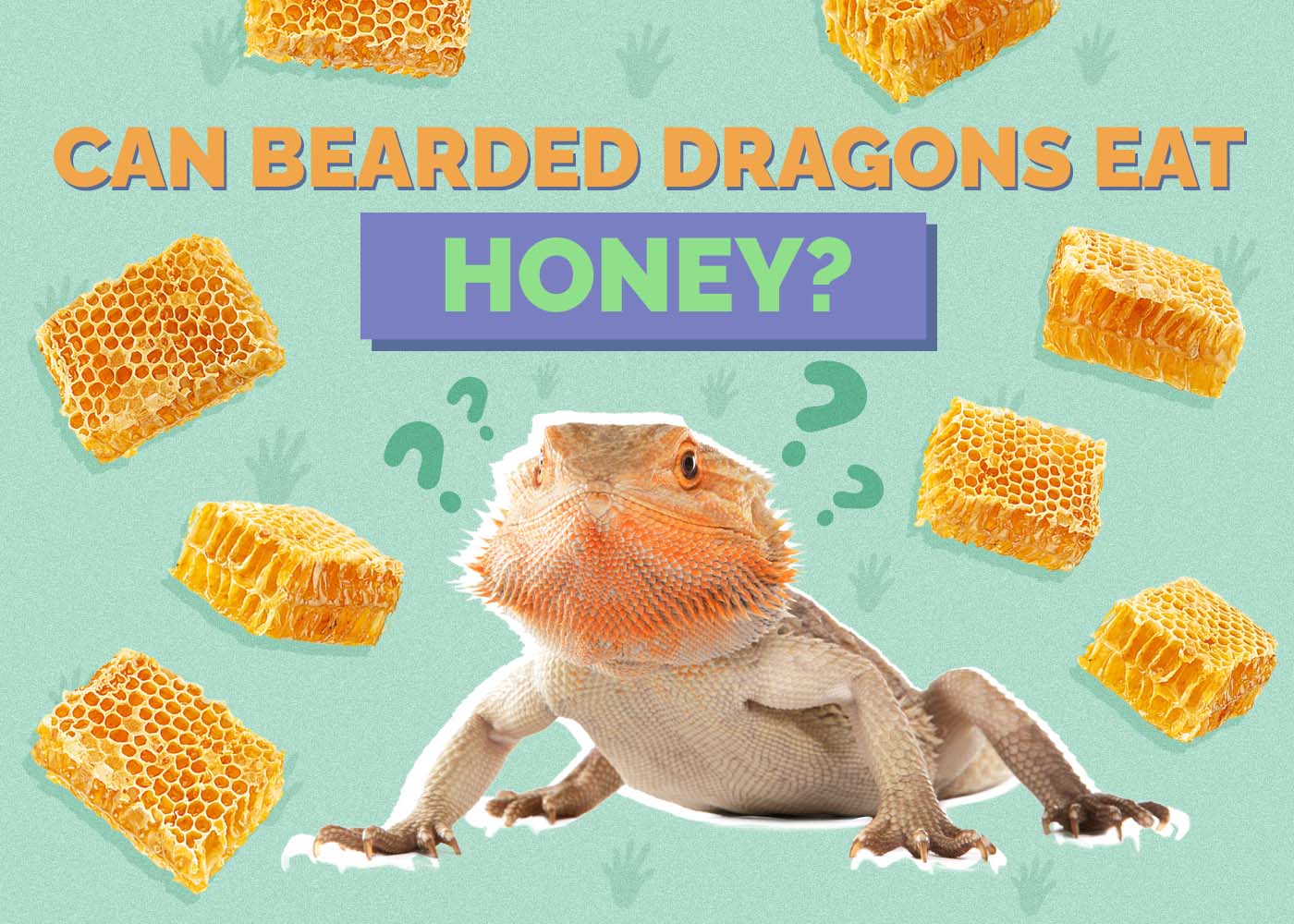
Can Bearded Dragons Eat Honey? Vet-Reviewed Facts, Pros & Cons


In this article
Aside from its use as a natural sweetener, honey can be used as an anti-inflammatory and antioxidant. The Mayo Clinic suggests it may be associated with physical and mental health benefits for humans, such as a reduced risk of heart disease, and may even provide antidepressant properties.1 But do these health benefits translate to your bearded dragon?
Honey is essentially entirely sugar. While a small taste now and then is unlikely to do any lasting harm, eating honey is not good for bearded dragons. Read on to learn more.

What Are the Potential Benefits of Honey for Bearded Dragons?
It Has Vitamins and Minerals
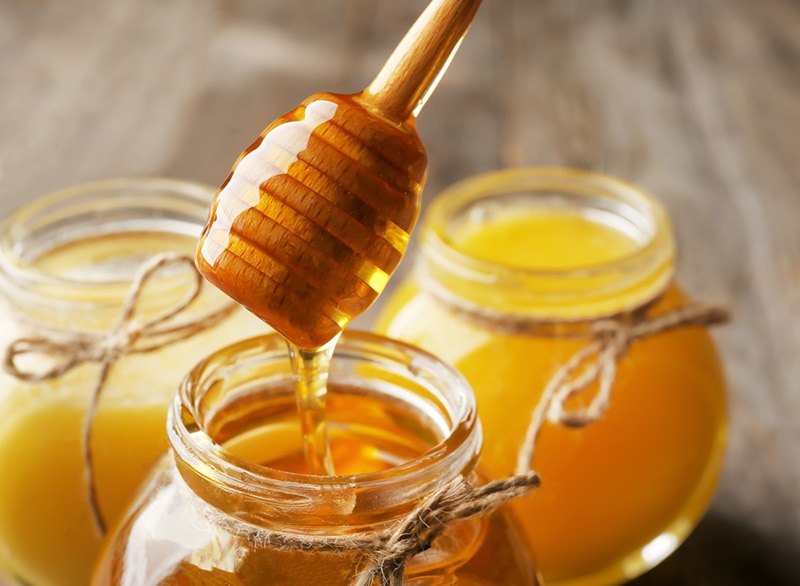
Honey is a great source of vitamins and minerals like B-complex vitamins and calcium.
The B vitamins are important for neurological function and energy metabolism. Beardies deficient in B vitamins may experience neurological issues such as leg weakness or difficulty with urination and defecation.
Beardies have a high dietary calcium requirement, especially compared to phosphorus. This is especially true when they’re young and still growing. They require additional supplementation of calcium to remain healthy. Inadequate supplementation can result in serious or even fatal health conditions.
It May Help With Constipation
Honey can act as a natural stool softener, making it sometimes recommended to help bearded dragons with constipation.
However, remember that constipation is often a sign, not a primary condition. If your beardie is constipated, it’s best to work with your exotic vet to determine the root cause.
We do not recommend using honey as a stool softener for your reptile without first consulting your vet.
What Are the Drawbacks of Honey for Bearded Dragons?
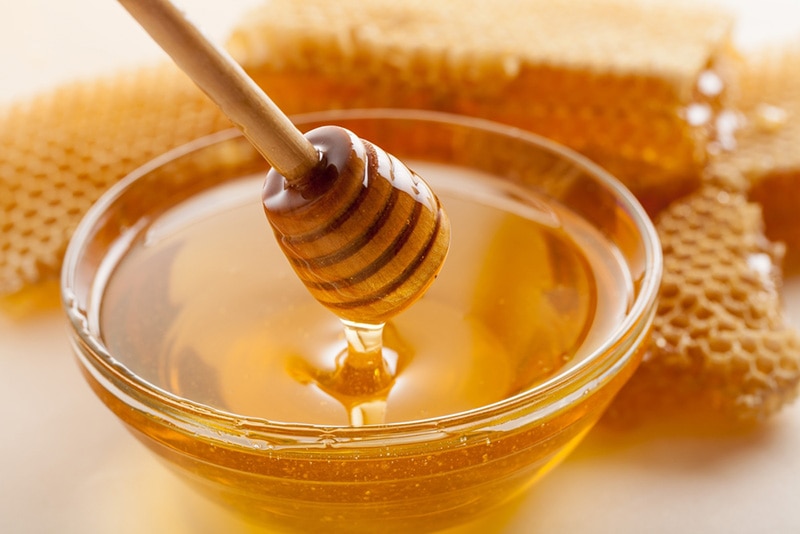
It’s Not a Natural Part of Their Diet
Bearded dragons are omnivores, meaning they need a diet of both plant and animal matter to thrive. Vegetables and insects will make up most of your pet’s diet, with fruit being recommended as an occasional treat.
It’s High in Sugar
As you can see, there isn’t much space in a bearded dragon’s diet for sweet things like honey. While it can be offered in very small quantities occasionally, it shouldn’t be a regular part of your pet’s diet due to its high sugar content. Your reptile’s digestive system simply isn’t equipped to digest this much sugar.
As with humans, a bearded dragon that eats a diet too high in sugar can run into health problems like obesity.
It Can Contain Botulism Spores
Honey may contain botulism spores, which can cause a serious infection. Botulism is a rare but potentially deadly illness caused by a toxin produced by Clostridium botulinum. It targets the nervous system and can cause paralysis or respiratory failure. Unfortunately for people who love the sweet stickiness of honey, it causes around 20% of botulism cases. Not much research is available regarding bearded dragons that develop this condition.
However, studies show that the clinical signs of botulism in animals include progressive motor paralysis, autonomic dysfunction, and loss of muscle tone. Death typically results from paralysis of the respiratory muscles.
If you opt to offer your beardie honey, make sure it’s 100% pure and sourced from a reputable supplier to reduce the risk of botulism exposure.
How to Offer Honey to Your Bearded Dragon
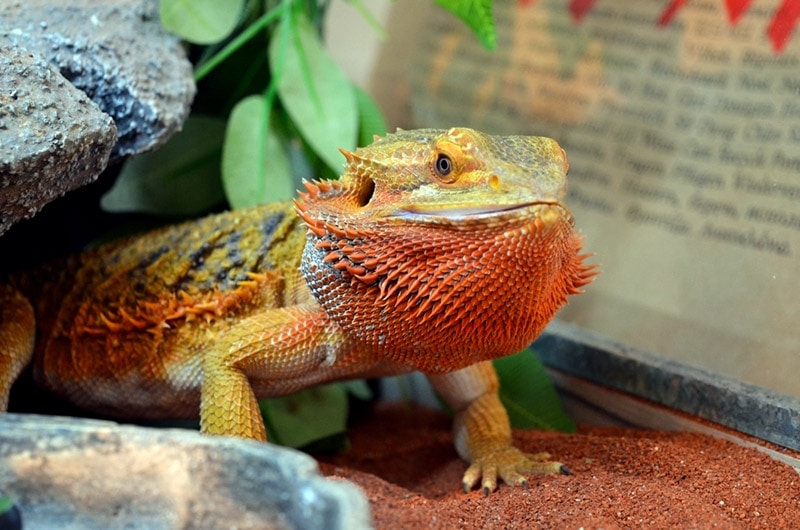
Consult with your exotic vet before you give your beardie a taste. Though honey can be safe in small quantities, your beardie may be a special case or have dietary sensitivities you don’t know about.
If you decide to offer honey, it should be diluted with warm water before feeding. This will cut back on some of the excess sugar while still providing nutritional benefits.
Final Thoughts
While honey may contain some vitamins and minerals your bearded dragon needs, there are far better foods you can offer your pet with much less risk.
Honey isn’t something your beardie would run into the wild, so his digestive tract isn’t designed to handle that much sugar in one go.
If you must offer him honey, ensure it is diluted and only provide it in small quantities on special occasions.
See Also:
Featured Image Credit: Steve Buissinne, Pixabay
Get Hepper In Your Inbox


Pet care tips from our vets and experts, straight to your inbox.
You may opt-out at any time. View our Privacy Policy for more information.
Chantelle's life revolves around two passions: writing and animals. Raised on the prairies of Canada amidst a menagerie of pets, she now lives with five cats, two guinea pigs, and a bearded dragon. Together with her husband and child, Chantelle delights in being an exemplary animal parent, going as far as installing wall-mounted cat shelves to give their cats an indoor playground. When she's not cozying up with her cats or snapping their amusing antics, she enjoys venturing into the Rocky Mountains, binge-watching her favorite Netflix shows, and indulging in spontaneous reading adventures.
Join the conversation
Ask a question, share your story, or send private feedback.