Hepper is reader-supported. When you buy via links on our site, we may earn an affiliate commission at no cost to you. Learn more.
Can Cats Drink Syrup? Vet-Reviewed Facts & Important Considerations


Cats can eat and drink some pretty weird things. If your cat just made a meal of your pancake buffet this morning, you might be wondering if the syrup is okay for them. It's always best that we pet parents keep ourselves informed on both harmful and beneficial foods and products for our pets.
Did your cat have a unique type of syrup and do you need some time-sensitive answers? Sweet syrups like maple syrup and those used in the kitchen are not ideal but are also usually not harmful to your cat, but cough syrup or syrups containing artificial sweeteners are a different story. Let us explain.

Syrup Nutrition Facts
Based on regular maple syrup
Cats Shouldn’t Ingest Syrup
Most syrups are non-toxic to cats but still unhealthy. Sugar is an all-around negative additive to any feline diet. It is not ideal for their gut health and leads them to become overweight. As cute as chubby cats might be, eating sugar can greatly reduce their lifespan and cause all sorts of health issues like diabetes, obesity, and arthritis, among others.
Some syrups might contain artificial sweeteners too, like xylitol, which is highly toxic to dogs and not recommended for cats.
To keep your kitty in top-notch shape, you should say no to sharing your pancake breakfast platter!
Types of Syrup
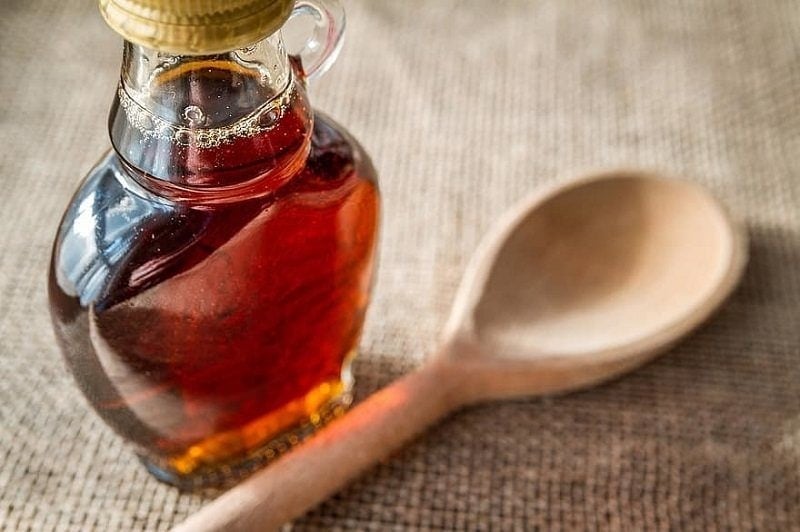
There are several types of syrup, including:
As you can see, most syrups are non-toxic to cats.
Chocolate is toxic to cats and can make them very sick. Chocolate is made of cocoa which contains a potentially lethal ingredient called theobromine that causes abnormal heartbeat, tremors, seizures, and even death in extreme cases.
Cocoa also contains some caffeine, which is also toxic to cats. Since the flavoring ingredients of chocolate syrup are cocoa and sugars, we recommend erring on the side of caution and having your cat stay away from chocolate syrup entirely.
Cough syrup is bad for cats on a good day, but some brands contain chemicals that react badly in your cat’s system. Luckily, the strong taste will usually ward your cat off. However, if you think your cat has ingested any, make sure to contact your vet or poison control immediately for further guidance.
Cats Cannot Taste Sweet Flavors
Since cats are obligate carnivores, their taste palettes didn’t evolve to detect sweet flavors. Instead, they detect salty or umami (savory) flavors with animal proteins. Sweet flavors don't strike a chord in their taste buds even after eating domesticated diets and sharing homes with humans where sugar is prevalent.
Since they can't taste sugar, it isn't worth adding it to their diet for any reason. If anything, it has negative connotations associated with it when it comes to felines.
Recommended Syrup for Orphaned Kittens
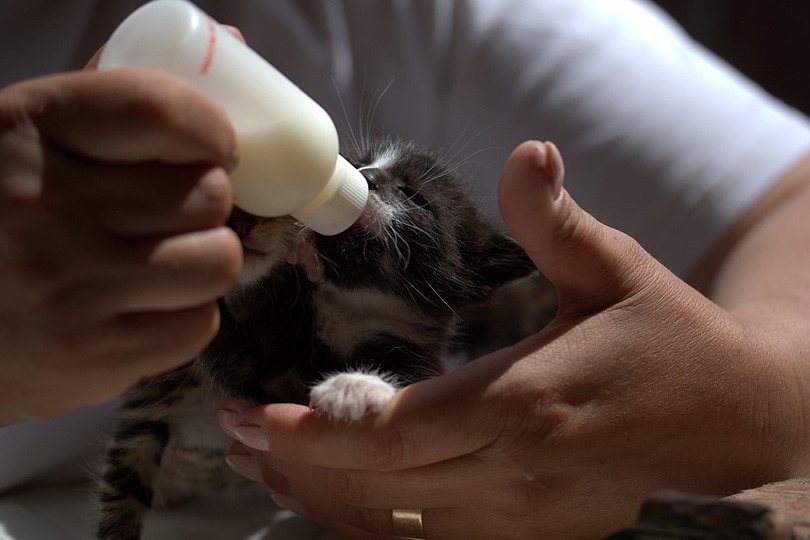
For many reasons, kittens can wind up without a mother far too young. If you’re caring for a litter of weaning kittens, you may need to make a formula at home to mimic their mother’s milk.
Many recipes call for Karo syrup in the mix, or, rubbing straight Karo syrup on the gums to trigger their swallowing reflex. This is because Karo syrup can help to boost blood sugar if a kitten is in an emergency situation known as “fading kitten syndrome.”
In the event you find yourself in this situation, you should always feed the kittens based on the guidance of your veterinarian. Just because recipes are listed on the internet doesn't mean they're necessarily suitable for a kitten's digestion.
However, there are many excellent resources for folks who find themselves with an orphaned litter of baby kitties.

Conclusion
The safety of syrup for cats depends on what kind of syrup you're talking about. Most syrups you find in the kitchen are non-toxic to cats, but are still unhealthy and potentially irritating to their digestive tract.
Both chocolate and cough syrup are considered toxic to cats. Remember to scour the ingredient label to ensure there is no xylitol, which is toxic to dogs and not recommended because it could potentially be toxic to cats.
If your cat ate questionable syrup, it’s best to contact your vet or poison control right away.
Featured Image Credit: Steve Buissinne, Pixabay
Get Hepper In Your Inbox


Pet care tips from our vets and experts, straight to your inbox.
You may opt-out at any time. View our Privacy Policy for more information.
Ashley Bates, a freelance writer with a passion for pets, is currently studying animal therapy. She is a mother to four children and 23 pets, both furry and feathery. Ashley actively volunteers at local shelters, advocates for animal welfare, and rescues animals in distress. Her mission is to promote awareness, education, and entertainment about pets to help prevent animal homelessness. She specializes in the care and well-being of dogs and cats.
Join the conversation
Ask a question, share your story, or send private feedback.