Hepper is reader-supported. When you buy via links on our site, we may earn an affiliate commission at no cost to you. Learn more.
Can Cats Eat Bully Sticks? Vet-Verified Potential Health Risks


In this article
You may be wondering if your cat can eat a dog chew toy, more specifically a bully stick. The short answer is no, you should avoid giving your cat hard and bony chew toys such as the bully stick. Cats are not natural chewers, so things for your cat to chew will not be found in the dog toy section of a pet store.
If you are considering offering your cat a chew toy, you should always look for cat-friendly options. While cats can technically eat bully sticks because they are not toxic to them, it is not a safe option and its consumption can cause a range of dental problems that you want to avoid.
In this article, we will give you all the information you need to know about cat treats and why bully sticks are not a safe option for your feline friend.

What Are Bully Sticks?
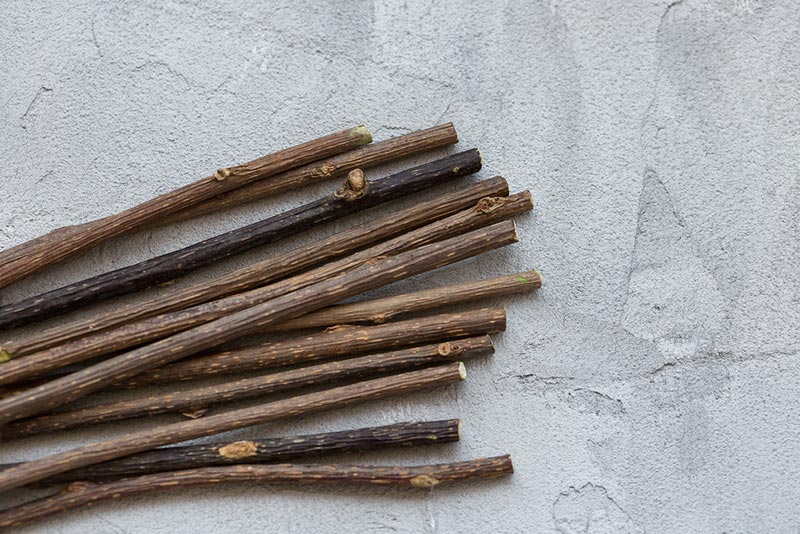
Bully sticks are a dog treat and a safer alternative to rawhide. These dog chews are made from a male bull’s penis and dried from a tough, natural chew toy. There are usually no additives and flavorings added to bully sticks.
This makes bully sticks a single-ingredient, easily digestible treat made from beef muscle (male bull organ).
An added benefit to bully sticks is that they do not splinter like other types of chews in the same category. Bully sticks also come in a variety of sizes, so the smallest size may be best for cats.

Are Bully Sticks Safe for Cats to Eat?
The ingredient of bully sticks itself is safe for cats to ingest; however, it is too tough for them to chew, which can lead to dental issues. You see, cats’ teeth are somewhat delicate and not made for chewing hard items. Your cat can suffer from tooth breakage, chipping, gum inflammation, and even choking if they are given a bully stick unsupervised.
Most cats will rather drag the bully stick around and lick it than chew it, so you can give your cat a small bully stick to see how it react to it. However, it is best to remove the bully stick from your cat if they begin to chew it.
If you give your dog a bully stick and they discard it somewhere around the home, you may find that your cat takes an interest in it and will sniff and lick it, but they will rarely chew it.
Can Dogs and Cats Eat the Same Treats?
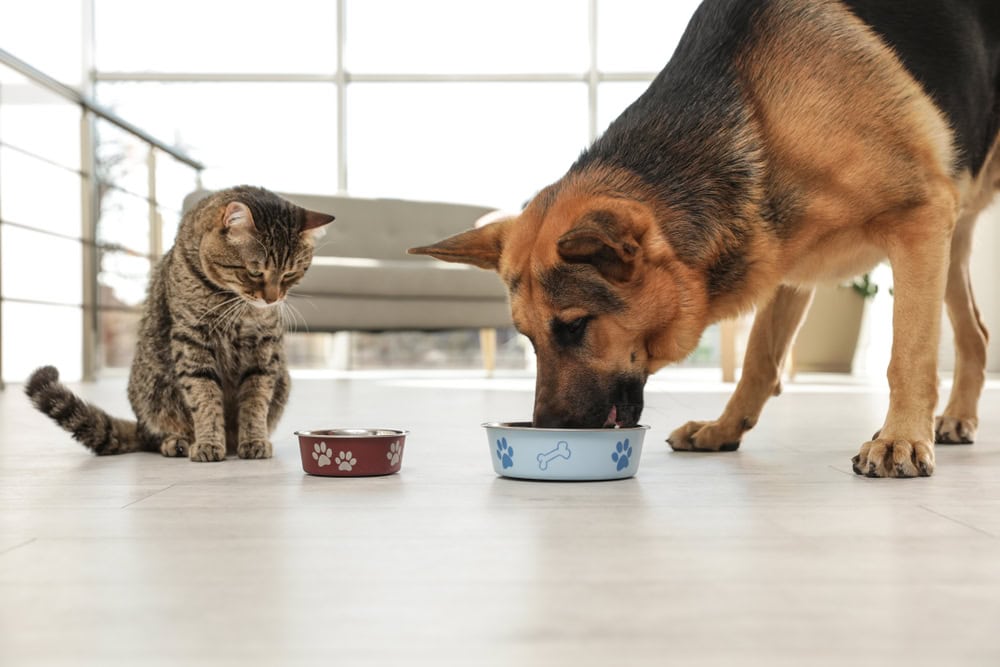
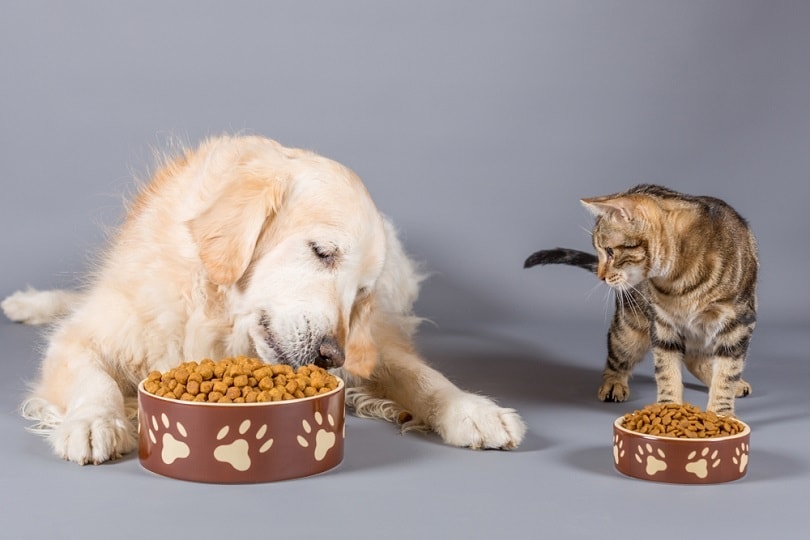
It is unlikely that cats will show much interest in dog treats. Cats and dogs don’t have the same nutritional needs, so cats will not benefit from eating dog chews or treats in the same way that dogs will.
Are There Any Dangerous Ingredients in Dog and Cat Treats?
Dog and cat treats and chews may include ingredients that are not safe for them to eat. We recommend that you read the product’s label and speak to your vet if you’re not sure about the safety of a specific cat treat.The toxic ingredients you should avoid are:
Onions, Garlic, and Other Alliums
Cats are sensitive to foods from the Allium family. This includes onion, chives, leeks, and garlic. These ingredients might be included in some dog treats and chews and can be found in powder form. These plants contain a compound called n-propyl disulfide that causes oxidative damage to the red blood cells leading to severe anemia.
Propylene Glycol
This is a common preservative used in most semi-moist dog food and treats, but not allowed in cat foods. If your cat eats high levels of propylene glycol, it can cause Heinz body formation in their red blood cells and lactic acidosis. Signs of toxicity include weakness, involuntary muscle movements, severe anemia, and seizures.
These changes to the hemoglobin caused by the propylene glycol may not be severe enough to cause issues in cats if they only eat a small amount, however, larger amounts can be toxic to cats.
Reasons Not to Feed Bully Sticks to Your Cat
- It can cause dental problems and damage your cats’ teeth.
- Choking is a risk, and the bully stick could get stuck in your cat’s throat or esophagus.
- Intestinal blockages. If they do happen to chew and swallow large quantities of the bully stick, then they can potentially get lodged and cause a blockage in their stomach or intestines.
- The bully stick may have sharp pieces that can cause damage to your cats’ gums and even get stuck in their mouth.
- Bully sticks offer no nutrition to your cat.
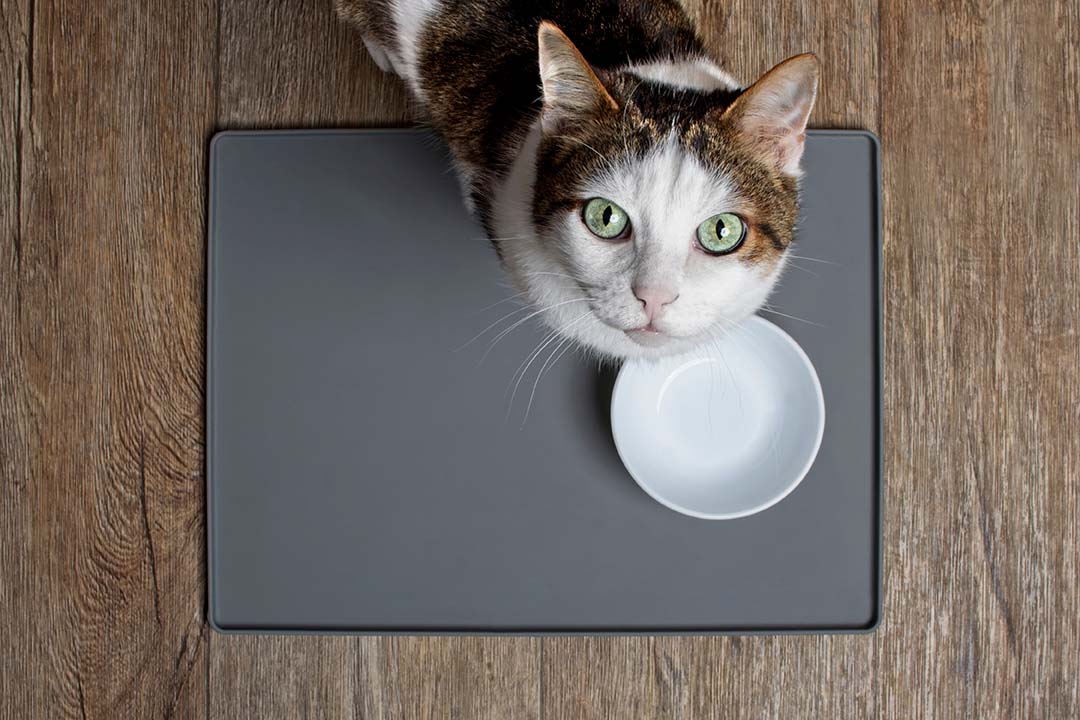
Now that you know what you can safely feed your cat, it’s just as important to find a bowl that supports their health and well-being. With whisker-friendly bowls and a wide tray to catch any spills, our Hepper NomNom Cat Bowl is our favorite option.

- NO MESS - The 360° tray on this cat food and water bowl set has a raised design to catch and contain stray crumbs and drips. Protect your indoors and floors from wet and messy meals!
- WHISKER FRIENDLY - Shallow and wide metal containers with flat bottoms ensure your kitty can enjoy mealtime free from whisker fatigue!
- CHEW-SAFE MATERIALS - Kittens and cats love chewing on silicone and soft rubber - but it's a choking hazard. Our cat feeding station materials are anti-chew for a 100% safe feeding frenzy!

Conclusion
You could offer your cat a bully stick while you closely monitor them; you can also allow your cat to lick the bully stick or eat small pieces left over by your dog after they are done chewing the bully stick but avoid letting your cat chew the bully stick themselves.
There are plenty of other cat treats available that are safer alternatives to bully sticks, so you should consider the different options before giving your cat a bully stick.
See Also:
Get Hepper In Your Inbox


Pet care tips from our vets and experts, straight to your inbox.
You may opt-out at any time. View our Privacy Policy for more information.
Sarah is residing in South Africa with her partner and pets. She currently is interested in veterinary science and ichthyology, which she wants to study alongside her main passion: pet content writing. Sarah has over 60 fish including goldfish, tropicals, shrimp, and snails. She also keeps hamsters and a tarantula and wishes to provide quality content for readers and allow others to learn from her knowledge and experience. Sarah has much experience in all aspects of pet care, and providing the world with knowledge on ethical pet ownership is her lifelong dream.
Join the conversation
Ask a question, share your story, or send private feedback.