Hepper is reader-supported. When you buy via links on our site, we may earn an affiliate commission at no cost to you. Learn more.
Can Cats Eat Garlic? Vet-Reviewed Facts & Safety Tips

In this article
Cats are notorious for being persuasive. If their begging eyes and sweet purrs don’t convince you, the threat of claws and dead mice in your shoes undoubtedly will.
So, what should you do if your cat decides that they need a bite of your garlic-filled meal? Should you give in or take your chances? You should stay strong on this one and keep your cat away from garlic—and here, we explain exactly why.

Is Garlic Safe for Cats?
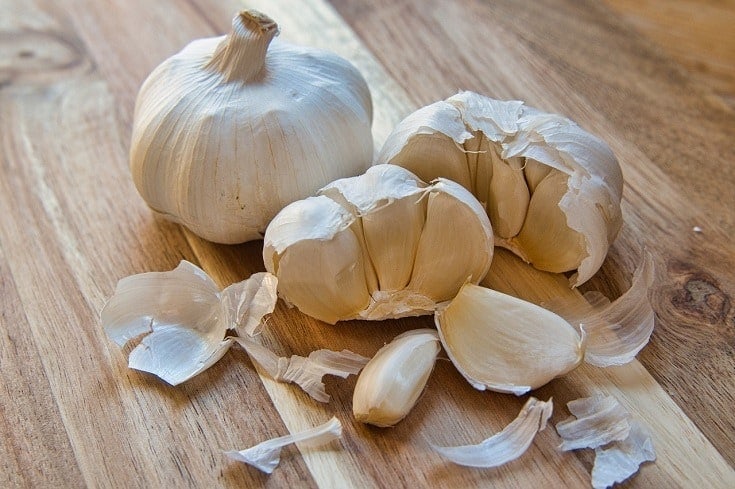
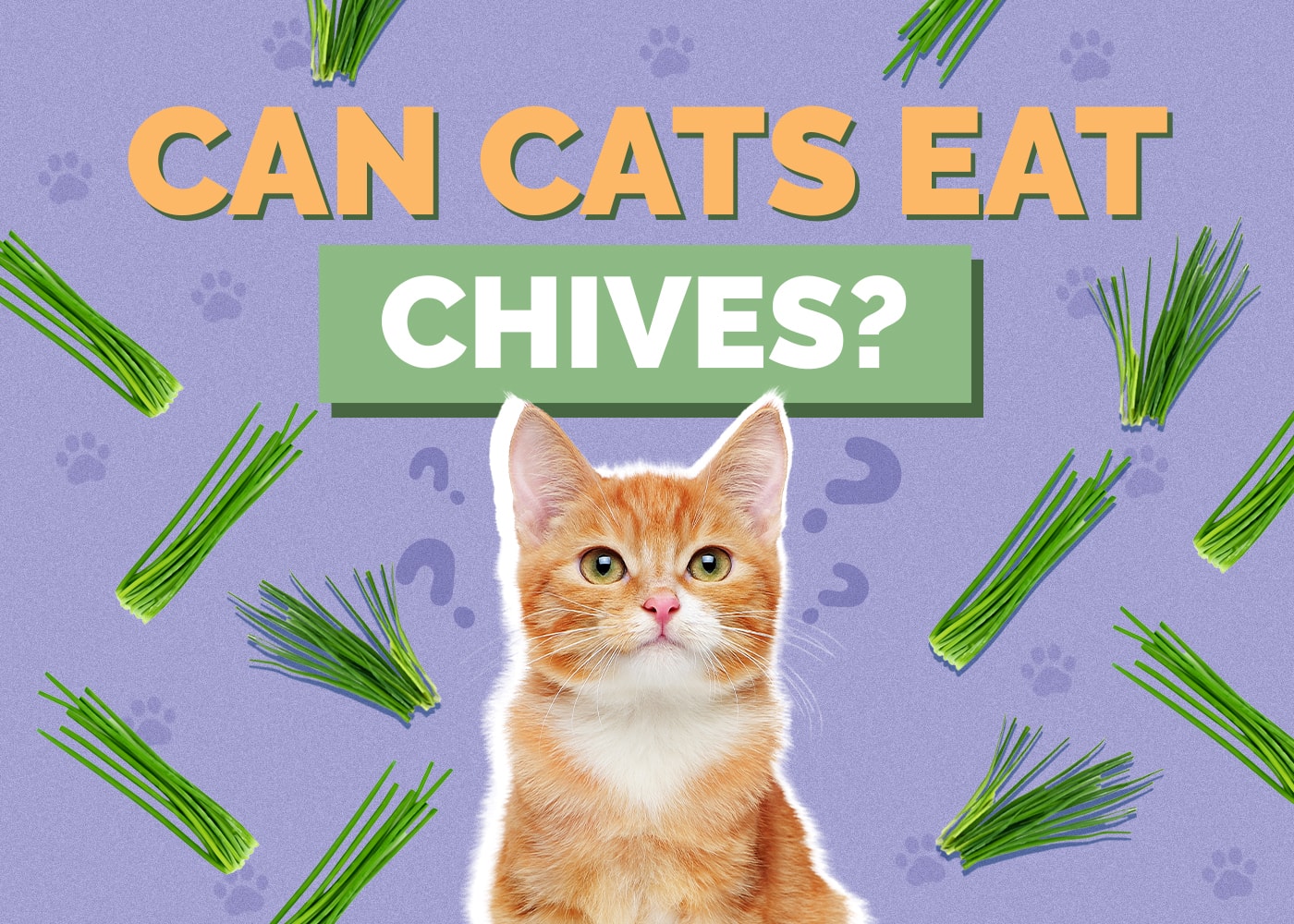
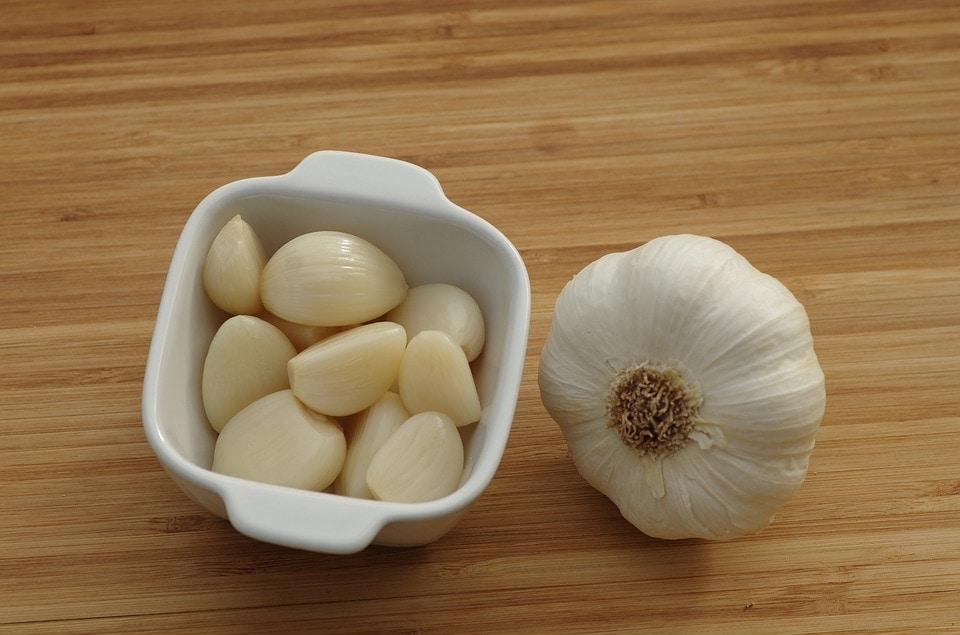
Garlic is part of the Allium genus, along with onions, chives, leeks, and shallots. All those foods are considered toxic to cats and dogs alike, but some are worse than others. Garlic is one of the most dangerous of the bunch. It’s five times more toxic than onions for both cats and dogs.
If your cat eats enough garlic, they run the risk of contracting garlic poisoning. This can lead to something called hemolytic anemia, which causes their body to attack their own red blood cells. The good news is that if you act fast, you can minimize the damage and possibly even prevent hemolytic anemia from setting in at all. The bad news is that the longer you wait to seek help, the more damage the garlic poisoning can do, and it can prove fatal if you wait too long.
If you’ve given your cat food with garlic in it, or you suspect that they’ve eaten something containing garlic, you should take swift action.
What Are the Signs of Garlic Poisoning in Cats?
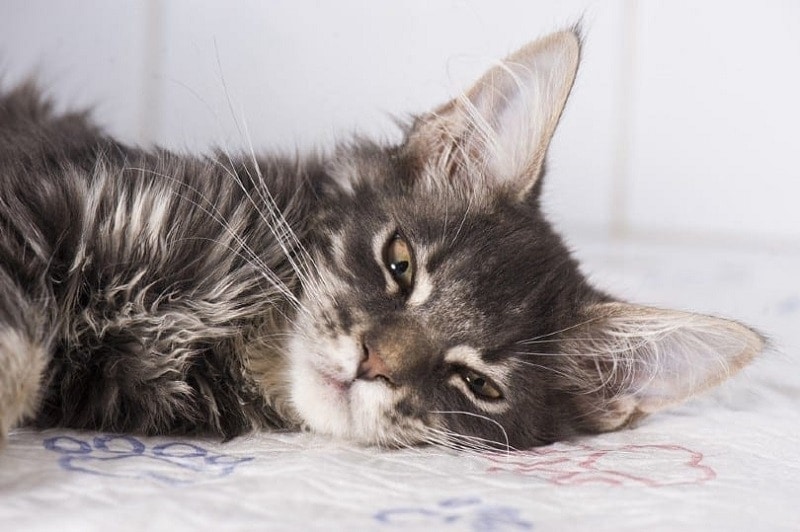
If your cat has eaten a toxic amount of garlic, you’ll soon see some or all of the following signs:
Signs of Garlic Poisoning
It’s important to understand that these signs might not set in immediately. In some cases, it can take as long as 4 days for the garlic to begin to cause noticeable issues with your cat’s blood cells. By then, however, it may be too late to undo some of the damage, which is why you should take action as soon as you know that the garlic has been ingested, rather than waiting for signs to occur.
How Much Garlic Is Toxic to a Cat?
While garlic isn’t good for cats, that doesn’t mean that the slightest bit will kill them.
It’s believed that any amount over 5 grams per kilogram can trigger toxicity in cats, but the cat’s breed can play a role as well. For some reason, Asian breeds seem to be more sensitive to the effects than others, so if you have a Siamese, Burmese, or another Asian breed, you might want to err on the side of caution.
Cats with prior health issues may have less ability to stave off the effects of garlic poisoning as well. If your cat has a checkered health history, you should be concerned.
Isn’t Garlic Used in Flea and Tick Treatments and Other Supplements?
There is no clinical evidence that supports the myth about garlic being an effective flea and tick preventive. Topical flea and tick medications for both cats and dogs do not use garlic (or its extract) as an ingredient.
What Should You Do If You Suspect That Your Cat Is Suffering From Garlic Poisoning?
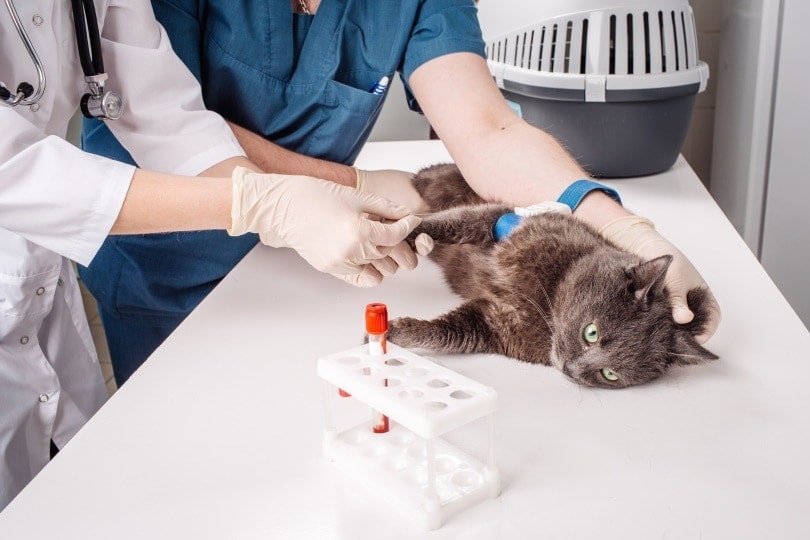
The most important thing is to act as soon as you can. Take your cat to your vet, and try to recap exactly which signs you’ve observed, as well as how much garlic was consumed. Depending on how long it’s been since the cat has ingested the garlic, the vet may want to give your cat activated charcoal to soak up the toxins. Your vet may also choose to induce vomiting. If these methods are successful, the cat should have a better chance of recovery, and the damage to their body (and your bank account) should be minimal.
However, if it’s been too long for either of those techniques to be effective, your vet may want to perform blood panels to see if toxicosis has set in. In some cases, rest and proper nutrition (and avoiding other members of the Allium group) should be all your cat needs to recover. At other times, your cat may be monitored for a period of time at the vet clinic or hospital.
If the garlic poisoning has reached a critical stage, supplemental oxygen, IV fluids, or even a blood transfusion may be needed. This is where the prognosis can get dicey, as cats with severe or prolonged garlic poisoning are prone to suffering from other complications besides the anemia.
How to Prevent Your Cat From Eating Garlic
Most cats aren’t attracted to cloves of garlic, so there shouldn’t be any need to hide your garlic or anything like that. Generally speaking, most garlic ingestion in cats is the fault of owners who are incapable of saying “no” to their kitties, deciding instead to share their garlic-covered food with their pets. A bite or two is unlikely to do much damage, but if your cat eats a significant amount of food with garlic in it, that could be a problem.
The other common cause of garlic poisoning is owners who want to serve their pets garlic as either a health supplement or flea treatment but overshoot the dosing.
As you might expect, the easiest way to prevent a garlic overdose is to control your own behavior. If you know a dish has garlic in it, don’t share it with your cat, and be sure not to leave out any meats or other tantalizing, garlic-laced foods where your cat might be able to reach them.
Likewise, you should find another supplement or flea treatment besides garlic to give your cat, as it’s just not worth the risk and is not proven to work.
Now that you know what you can safely feed your cat, it’s just as important to find a bowl that supports their health and well-being. With whisker-friendly bowls and a wide tray to catch any spills, our Hepper NomNom Cat Bowl is our favorite option.

- NO MESS - The 360° tray on this cat food and water bowl set has a raised design to catch and contain stray crumbs and drips. Protect your indoors and floors from wet and messy meals!
- WHISKER FRIENDLY - Shallow and wide metal containers with flat bottoms ensure your kitty can enjoy mealtime free from whisker fatigue!
- CHEW-SAFE MATERIALS - Kittens and cats love chewing on silicone and soft rubber - but it's a choking hazard. Our cat feeding station materials are anti-chew for a 100% safe feeding frenzy!
What’s the Verdict?
Under no circumstances should you give your cat garlic. While a small amount is unlikely to be harmful, it’s easy to give them too much, at which point, garlic poisoning can set in—and this can kill your precious kitty.
We know that it’s not easy to tell a cat “no” when they turn on the charm, but you’re going to have to find a way to do it when there’s garlic involved.
Learn more about what your cat can and can't eat:
Featured Image Credit: Pixabay
Get Hepper In Your Inbox


Pet care tips from our vets and experts, straight to your inbox.
You may opt-out at any time. View our Privacy Policy for more information.
Quincy never intended to be a cat person. He grew up around dogs, and when his wife brought home a kitten one day, he told her she had one week to find it a new home. That week turned into 10 years (his wife moves very slowly), and that kitten turned into three (they got two more, the kitten didn't self-replicate). After a decade of sharing his home with three cats, one horrifying realization finally set in: oh God, he's a cat person now, isn't he???
Join the conversation
Ask a question, share your story, or send private feedback.