Hepper is reader-supported. When you buy via links on our site, we may earn an affiliate commission at no cost to you. Learn more.
Can Cats Eat Carne Asada? Vet-Reviewed Facts & FAQ


Carne asada is meat, and cats crave and need meat, so it should be okay for them to eat, right? Well, not exactly. While the steak part of carne asada is safe for cats, the seasonings it is marinated in might not be. That doesn’t mean that one bite of your carne asada is going to do serious harm, but it does mean carne asada shouldn’t be given to cats on a regular basis.
In this article, we will explore all of the ins and outs of cats eating carne asada and discuss the impacts of other potentially harmful ingredients that may be used in conjunction with the meat. Let’s explore the topic!

What Is Carne Asada?
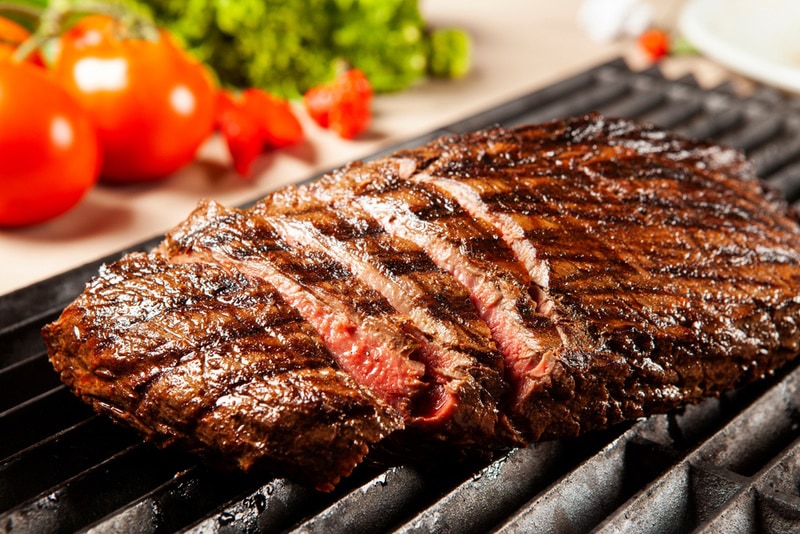
Carne asada is sliced beef that is made from rib, tenderloin, flap, skirt, or flank steak. The meat is marinated in citrus juice and seasonings, such as salt, pepper, cumin, garlic, onion, chili powder and paprika. It is then grilled to give it a charred flavor that many consumers enjoy! You can get this yummy meat in various meals—including tacos and burritos or served as the main course.
The beef in carne asada can be very nutritionally beneficial for cats, as it is a direct animal protein source with valuable amino acids, like taurine, as well as B vitamins, iron, zinc and magnesium.
However, the trouble with carne asada comes in the seasonings.
The 3 Carne Asada Potential Risks
Feeding your kitty a piece of carne asada may make their day, but it is a potentially dangerous snack that should be avoided if possible.
1. Carne Asada Seasonings
Carne asada is nearly always prepared with a marinade of various seasonings and citrus juice and it may be served with salsas or other additions. Some of these can be dangerous to your kitty.
Certain no-no ingredients can include:
2. Uncooked Carne Asada
If your cat consumes carne asada uncooked, it puts them at risk of foodborne illness. Certain bacteria can make your cat very sick. The most commonly transmissible bacteria in uncooked meat includes:
The consumption of these bacteria can lead to many problems in the gastrointestinal tract and other systems that can make your cat very unwell and can transmit to humans. Treatment will depend on severity.
Signs of food toxicity can include:
While mild causes of these foodborne pathogens pass through your cat’s system, some cases can be very serious—and even deadly without proper treatment. If you have any reason to believe your cat is at risk, contact your vet right away.
3. Spoiled Carne Asada
Did your cat get the carne asada from the trash? If so, eating spoiled meat can lead to digestive upset, sometimes severe. They may show up with vomiting, diarrhea, stomach pain, and not wanting to eat. In rare cases, cats can contract botulism from eating spoiled meat from the garbage, so be sure to see your vet if your cat shows any signs of an upset stomach for longer than a day or two.
Cats Can Have Carne Asada in Certain Circumstances?
Since cats are obligate carnivores that thrive on animal proteins, carne asada should be a terrific feast, right? That depends! While carne asada can be a delightful snack for your furry friend, there are some things you have to consider.
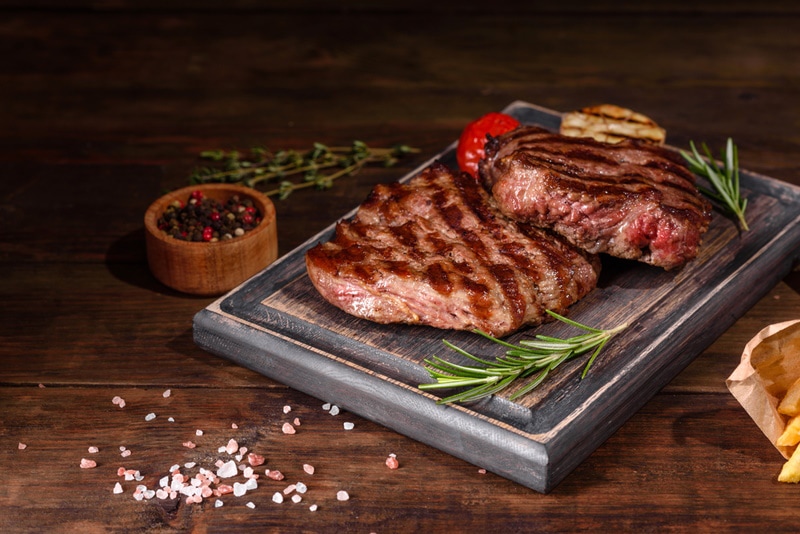
Plain carne asada, without the seasonings, is okay to give your cat in moderation. Lean cuts of cooked beef make a good protein source for them. However, if the meat is marinated or seasoned before it is cooked or if it is served with other sides or toppings, it’s not a good idea to share with your feline friend.
That being said, if your cat happens to grab a bite of seasoned carne asada, they will more than likely be okay. Though they may have some digestive issues for a day or two, most kitties won’t have any severe effects. However, if they happen to eat more than a few bites, or are eating it on a regular basis and show ill effects, see your veterinarian.
Is Beef Nutritionally Beneficial to Cats?
Beef can be very nutritionally beneficial for our feline companions on a scheduled basis. For example, you won't want to stuff their food bowl daily with beef products.
Instead, cats should get their nutrition from a complete and balanced cat food with plain, cooked meat, such as beef, given as an occasional snack. Of course, if your cat happens to have a beef allergy or intolerance, you won’t want to share it with them.
You also want to make sure beef, and other snacks, don’t make up more than 10% of their daily caloric needs. Some cuts of beef can be fatty, so be sure to cut off any excess fat before serving. Keep your cat’s beef snack sizes small and only offer it once or twice a week.
Before giving your cat beef or any other human foods, talk to your vet first to make sure it’s a healthy option for them.
Final Thoughts
Carne asada with all the seasonings is not a safe option to feed your cat. While the plain beef side of it may provide some protein, the marinade and all the fixings can present digestive and even toxicity issues. If your kitty happens to eat a small bite of seasoned carne asada, they will likely be okay, just don’t make feeding it to them a regular practice and call your vet if they happen to gobble a lot of it.
Related Read: Can Cats Eat Roast Beef? Vet-Approved Facts & FAQ
Sources
Featured Image Credit: sherwood, Shutterstock
Get Hepper In Your Inbox


Pet care tips from our vets and experts, straight to your inbox.
You may opt-out at any time. View our Privacy Policy for more information.
Ashley Bates, a freelance writer with a passion for pets, is currently studying animal therapy. She is a mother to four children and 23 pets, both furry and feathery. Ashley actively volunteers at local shelters, advocates for animal welfare, and rescues animals in distress. Her mission is to promote awareness, education, and entertainment about pets to help prevent animal homelessness. She specializes in the care and well-being of dogs and cats.
Join the conversation
Ask a question, share your story, or send private feedback.