Hepper is reader-supported. When you buy via links on our site, we may earn an affiliate commission at no cost to you. Learn more.
Can Cats Eat Meatloaf? Vet-Reviewed Facts & Advice


In this article
When the weather is cold and days are short but somehow still seem long and stressful, sometimes you just want to sit down to a nice, warm dinner of your favorite comfort food. If that happens to be meatloaf, you might wonder if it is okay to share some tasty morsels with your cat. Can cats eat meatloaf?
Generally, cats should not eat meatloaf because it usually contains some ingredients that are toxic for felines. In this article, we’ll look at why you should be careful about feeding your cat human foods and why meatloaf specifically should be avoided.

The Trouble With Meatloaf
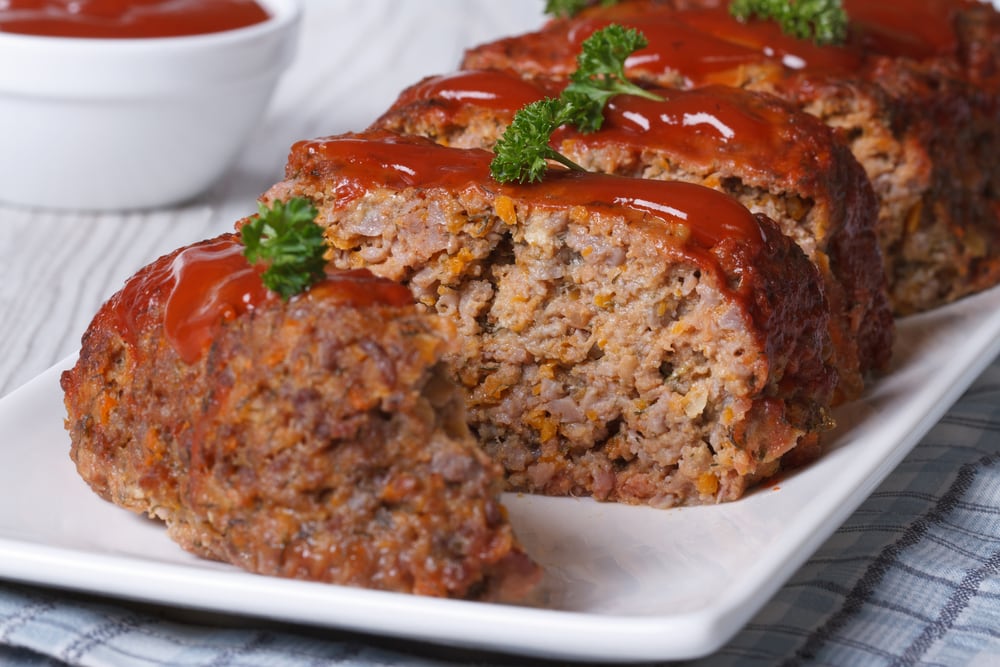
Meatloaf is often made from old family recipes, with mysterious "secret ingredients" that distinguish them from basic versions. Generally, however, the staples of any meatloaf recipe are ground beef, egg, onion, milk, breadcrumbs, and various seasonings.
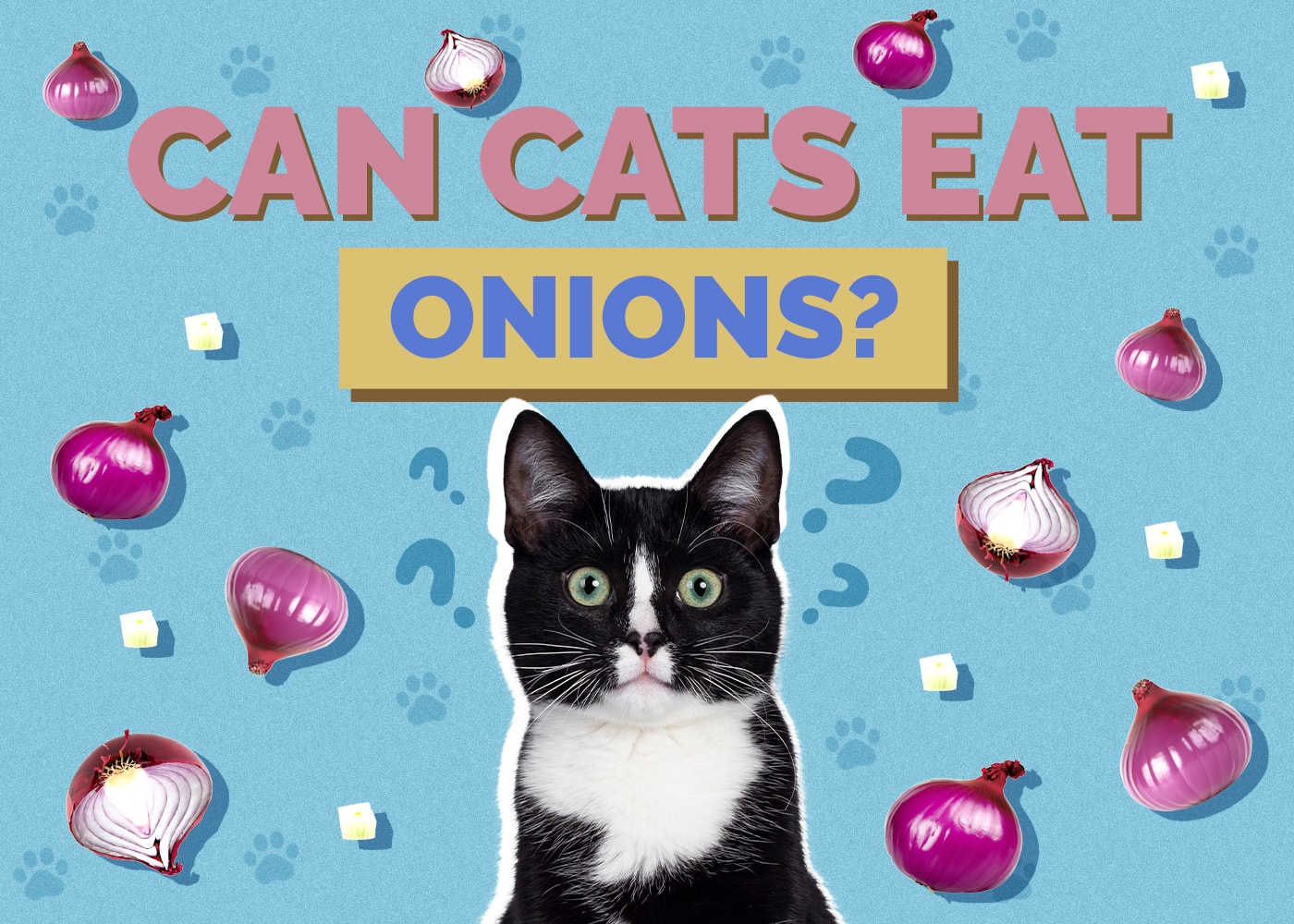
The primary ingredient that makes meatloaf unsafe for cats is the onion. Onions and garlic are both toxic to cats. They contain several natural substances that destroy the cat’s red blood cells and can lead to anemia.
Cats can be impacted by eating as little as 0.2 ounces of onion per 2 pounds of body weight in one sitting or over several days. However, to develop clinical signs, they must consume about 0.5% of their body weight. The early signs of onion poisoning include vomiting, diarrhea, and loss of appetite, followed by more severe signs like pale gums, weakness, and trouble breathing.
Although onions are the primary troublemakers in meatloaf, most cats also get digestive problems from dairy products like milk. Other common ingredients in meatloaf, like ketchup and mustard, can also upset your cat's stomach.
Cats and People Food: Moderation Is Key
While meatloaf itself might not be safe to feed your cat, some ingredients are safe to feed in moderation. Cooked ground beef and egg, for instance, are examples of human food that can double as kitty treats. Even non-toxic people's food, however, should be served with caution to cats.
Most human foods are higher in fat than what a cat’s normal diet needs. Many pet cats, especially those who live exclusively indoors, can have trouble maintaining a healthy weight. It can be very easy to overfeed your cat between their regular food, cat treats, and human food treats. Obesity can cause similar health concerns in cats as it does in people, including an increased risk for diabetes, heart disease, and arthritis.
Treats, whether people's food or commercial kitty treats, should be offered in moderation only. Keep treats to only about 10% of your cat’s daily calorie intake.
Feeding Your Cat: The Basics
Every cat is an individual, which also applies to their nutritional needs. Your veterinarian can help you with diet recommendations and calorie estimates for your cat. Veterinary collaboration is especially vital if your cat has health concerns requiring a special diet.
For healthy cats, you can follow general guidelines when choosing the right food. Cats are obligate carnivores that must get all their nutrition from animal sources. A properly balanced cat diet should be high in protein and low in carbohydrates, with moderate fat.
Commercially prepared cat food, either dry or canned, is the safest and simplest diet to offer your cat. All commercial cat food must meet the same minimum nutrition standards, so you can have the peace of mind knowing your cat’s diet is balanced.
Some owners feel that homemade food is better for their cats than commercial cat food. While home-cooked food can be a healthy diet and is sometimes the only option for cats with severe food allergies, ensuring the meal is properly balanced can be tricky. Your veterinarian can assist you with this, or they may refer you to a veterinary nutritionist.
Cats are notoriously picky eaters, and it can be tempting to feed them plain tuna or chicken or whatever food they most enjoy. If the cat's diet lacks certain nutrients, though, such as the amino acid taurine, they can develop serious health problems. In addition, avoid feeding your cat raw meat, eggs, or fish, as these may contain dangerous bacteria that could sicken your cat and you. If you are interested in feeding a raw food diet to your cat, you should know that the sourcing and handling of the raw ingredients and preparation areas must follow strict hygiene guidelines, so you’ll need to talk to your vet first.
If you’re concerned that your cat is eating too much or too little or if you have any other medical concerns, don’t hesitate to consult your veterinarian.
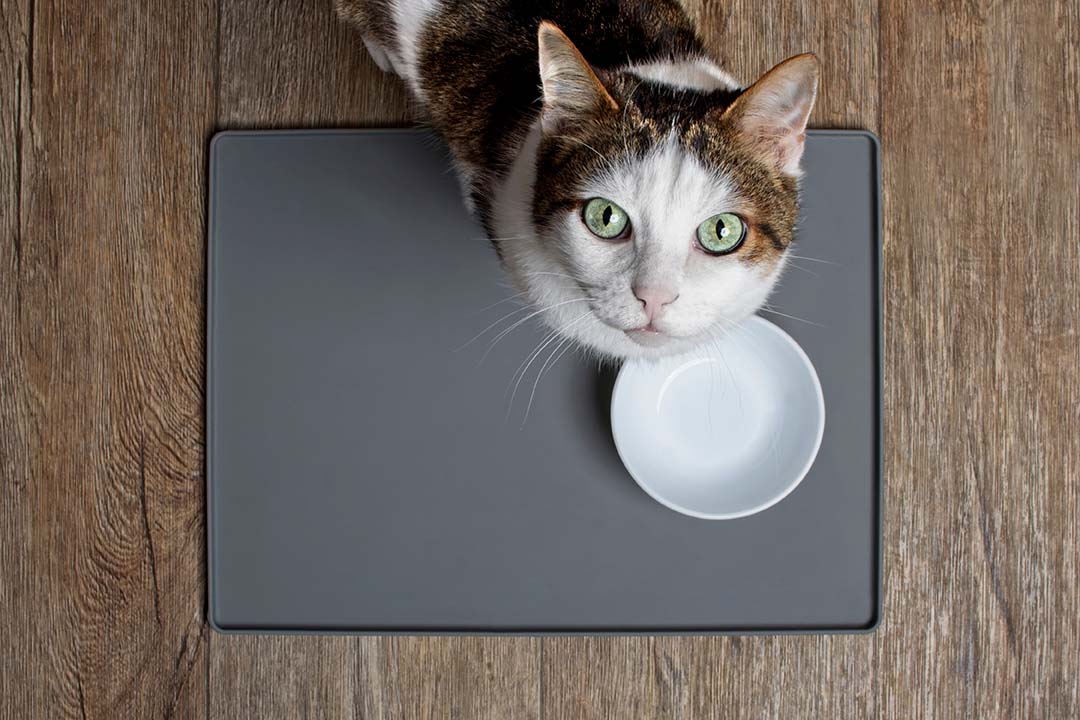
Now that you know what you can safely feed your cat, it’s just as important to find a bowl that supports their health and well-being. With whisker-friendly bowls and a wide tray to catch any spills, our Hepper NomNom Cat Bowl is our favorite option.

- NO MESS - The 360° tray on this cat food and water bowl set has a raised design to catch and contain stray crumbs and drips. Protect your indoors and floors from wet and messy meals!
- WHISKER FRIENDLY - Shallow and wide metal containers with flat bottoms ensure your kitty can enjoy mealtime free from whisker fatigue!
- CHEW-SAFE MATERIALS - Kittens and cats love chewing on silicone and soft rubber - but it's a choking hazard. Our cat feeding station materials are anti-chew for a 100% safe feeding frenzy!
Conclusion
Meatloaf is a cheap and easy meal to make for dinner, but it is not one you should share with your feline family member. Onion, a staple of most meatloaf recipes, is toxic and potentially life-threatening to your cat if ingested. If you want your cat to partake in your comfort food, set aside a little lean ground beef, cook it without onions or seasoning, and offer it to your kitty as a treat. Just remember that your cat should get most of their calories from properly balanced cat food and doesn't need to eat human food.
Related Reads:
Featured Image Credit: Pixabay
Get Hepper In Your Inbox


Pet care tips from our vets and experts, straight to your inbox.
You may opt-out at any time. View our Privacy Policy for more information.
Nicole is a lover of animals of all sizes but is especially fascinated with the feline variety. She’s the proud mom of Baby, a Burmese, and works every day so he can relax in the sunshine or by the fire. She’s always had a cat in her home and has spent countless days with others, observing behaviors and softening up even the grouchiest of the lot. Nicole wants to share her kitty expertise with you so you and your cat can live happy, healthy, and care-free.
Join the conversation
Ask a question, share your story, or send private feedback.