Hepper is reader-supported. When you buy via links on our site, we may earn an affiliate commission at no cost to you. Learn more.
Can Cats Eat Croissants? Vet-Reviewed Facts & FAQ


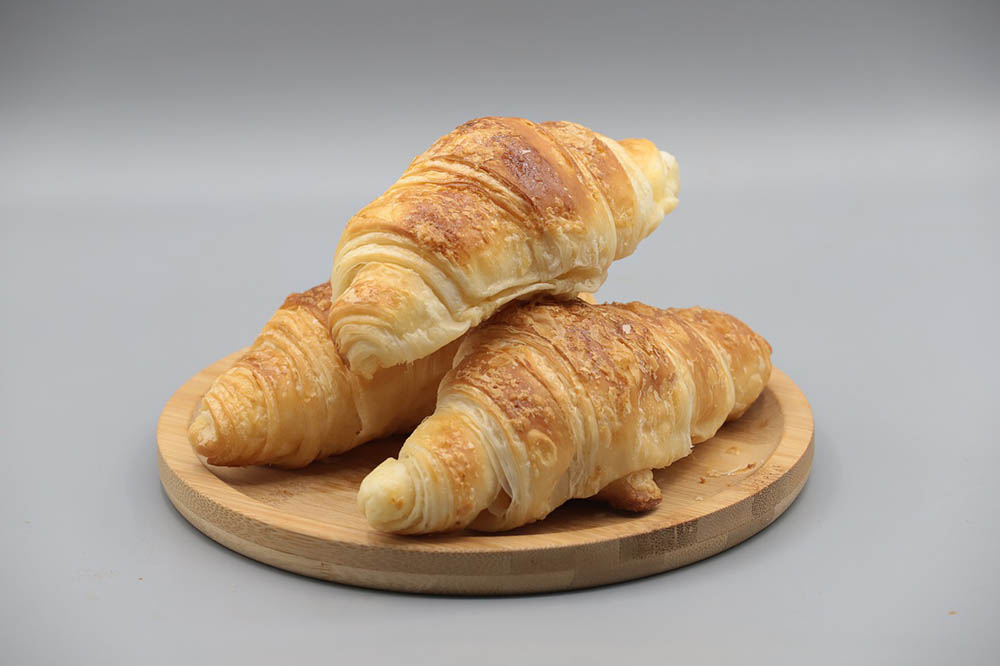
A croissant is a decadent, buttery, delicious pastry that large swaths of the world enjoy at breakfast with a nice cup of coffee. But what about cats, can they indulge as well? Although croissants aren’t toxic to cats, it’s best to avoid feeding them as treats or as a part of a meal. Croissants contain many ingredients that aren’t healthy for cats to eat, such as butter and wheat flour.
We will further break down the croissants and why it is not a good idea to give them to your cat. We will also provide some alternatives so that your cat can still enjoy tasty treats that are more nutritious than croissants.

Why Cats Shouldn’t Eat Croissants
First, croissants contain a lot of carbohydrates. Cats are obligate carnivores, so they require a lot more protein in their diet than carbohydrates. They also get much of their energy from fat, so consuming an excessive amount of carbohydrates will lead to unnecessary weight gain.
Cats may also be drawn to eating croissants because of their high dairy content. Butter and milk are some of the main ingredients in croissant recipes. Although many cats enjoy drinking milk and eating dairy products, they can get sick because most cats are lactose-intolerant and have trouble digesting dairy.
Since large amounts of butter go into croissants, they have a fat content that’s too high for cats. Butter is also high in calories, so it can easily cause your cat to gain weight.
Croissants are especially risky for indoor cats and spayed and neutered cats. These cats are more prone to becoming overweight because they tend to have lower activity levels and metabolisms than outdoor cats and feral cats. Therefore, it’s best to prevent them from eating unnecessary amounts of fat and high-calorie foods that contain little to no nutrients.
Alternative Cat Treats
Fortunately, many nutritious cat treats are available that mimic some components of a croissant. Here are some healthier and safer alternatives that share similarities in textures or tastes.
Bonito Flakes
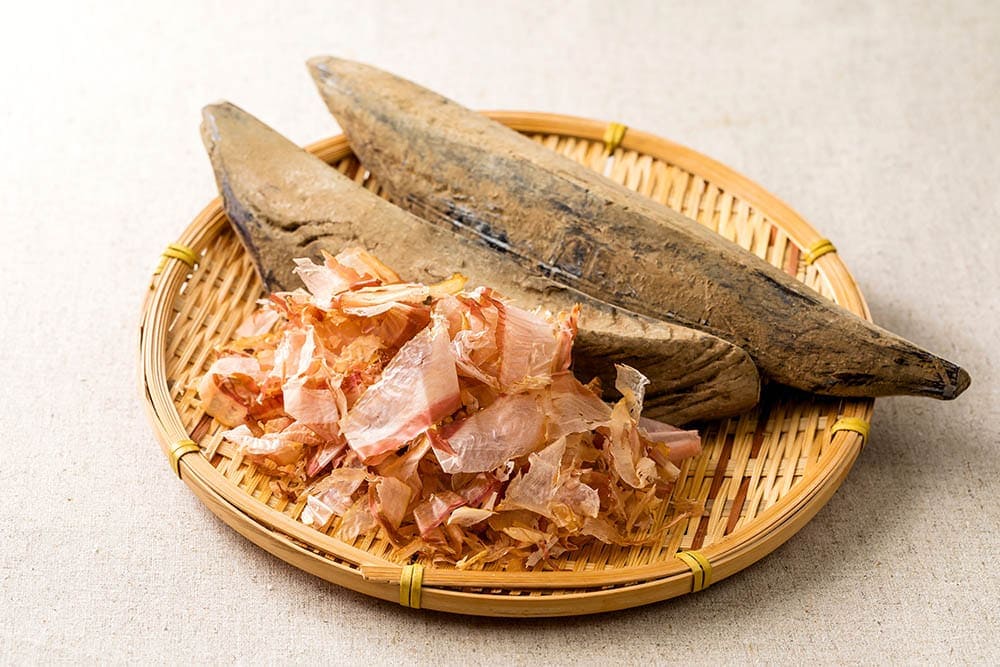
If your cat enjoys flaky pastries, you can try feeding them bonito flakes. Bonito flakes are light and airy, just like croissant crumbs, and they’re also tasty fish snacks that are a great source of omega-3 fatty acids. They can also contain a high concentration of taurine.
Related Read: Can Cats Eat Bonito Flakes? Are They Safe for Cats?
Soft Cat Treat
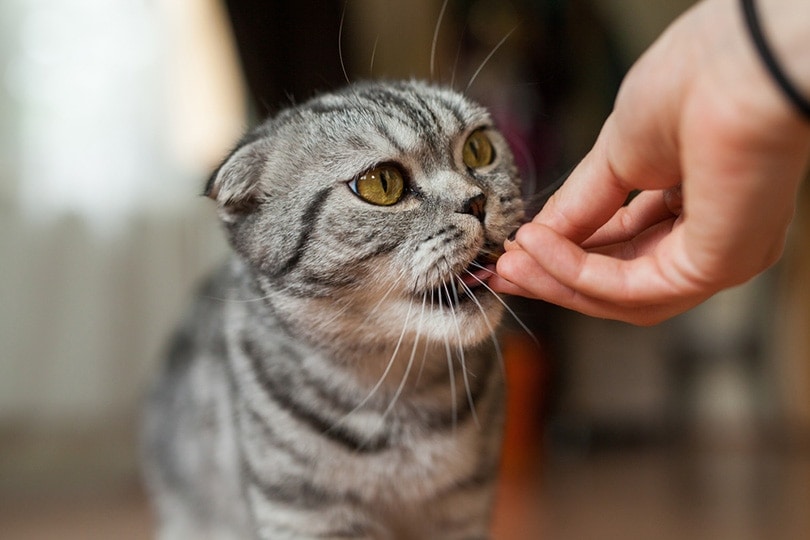
Cats that like to eat the chewy interior of a croissant may take to chewy treats. Older cats in particular will like these types of treats because they’re gentle on teeth and tend to be easier to digest than biscuits and other hard snacks.

A Cat’s Basic Dietary Needs
Cats don’t need to consume too many carbohydrates, so croissants really don’t add any benefits to their diet. Rather, cats need to eat more protein and fats to maintain lean body mass and daily bodily functions. Here’s a breakdown of a healthy diet for cats.
Protein
A healthy diet will consist mainly of protein. Cats do well with diets composed of 30% to 40% protein. Their protein also needs to be from animal meat because plant-based proteins don’t have adequate amounts of the nutrients that they need, and they can also be carb-heavy.
For example, taurine is an essential amino acid for cats, and it’s found in abundance in chicken and tuna. If cats have a taurine deficiency, it can lead to permanent eye damage or cardiomyopathy.
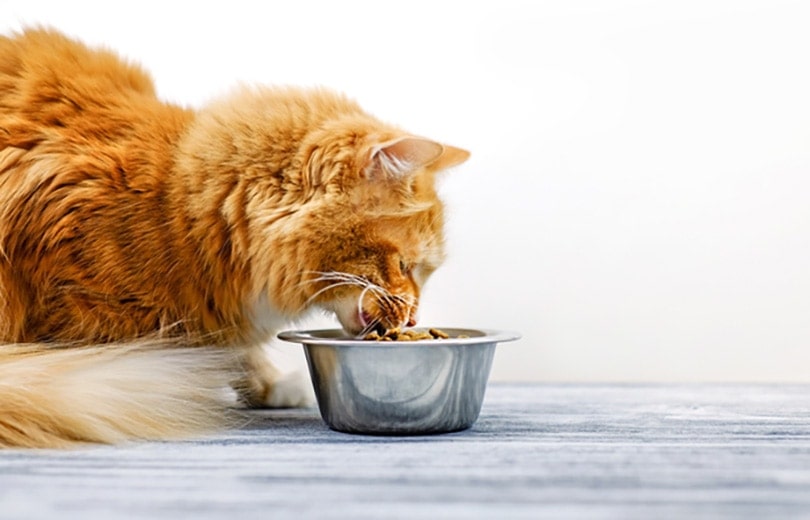
Fats
Along with using fat for energy, cats also need a healthy amount of fats in their diet because fats help transport nutrients across cell membranes and also contain essential omega-3 and omega-6 fatty acids. These fatty acids have many benefits, including reducing inflammation, supporting the immune system, and promoting healthy skin and coat.
Since cats benefit so much from fat, a low-fat diet can sometimes be more detrimental to their health. If they are given low-fat food, they can end up eating more food as a means of trying to fulfill their daily requirement of fat intake.
It’s always a good idea to regularly consult with your veterinarian to determine what type of food is appropriate. This will prevent your cat from becoming overweight and will also ensure that they’re receiving a sufficient amount of essential nutrients.
Essential Vitamins and Minerals
Along with protein and fats, cats have many essential vitamins and minerals that are vital for normal day-to-day functioning. The Association of American Feed Control Officials (AAFCO) provides a list of these essentials that all good quality cat food should contain.

Final Thoughts
Croissants are tasty, but they’re not the best treats to give to cats because they’re high in calories, carbohydrates, and dairy. There are plenty of other delicious and nutritious treats that your cat can enjoy.
So, the next time your cat stares at you with begging eyes while you eat a croissant, try redirecting its attention. Sprinkle some yummy bonito flakes on the floor or give them an even tastier cat treat that’s safer for them to eat.
Related Reads:
Featured Image Credit: boaphotostudio, Pixabay
Get Hepper In Your Inbox


Pet care tips from our vets and experts, straight to your inbox.
You may opt-out at any time. View our Privacy Policy for more information.
Oliver (Ollie) Jones is a zoologist turned freelance animal writer living in South Australia with his partner Alex and their mini zoo consisting of many aquatic creatures, dog Pepper, and of course, cat Steve. Ollie is originally from the USA and holds a Master's degree in wildlife biology. He hopes to share his feline knowledge and expertise with people so they can share in his passion and help their cats live their best lives.
Join the conversation
Ask a question, share your story, or send private feedback.