Hepper is reader-supported. When you buy via links on our site, we may earn an affiliate commission at no cost to you. Learn more.
Can Cats Eat Tilapia? Nutrition Facts & Safety Guide


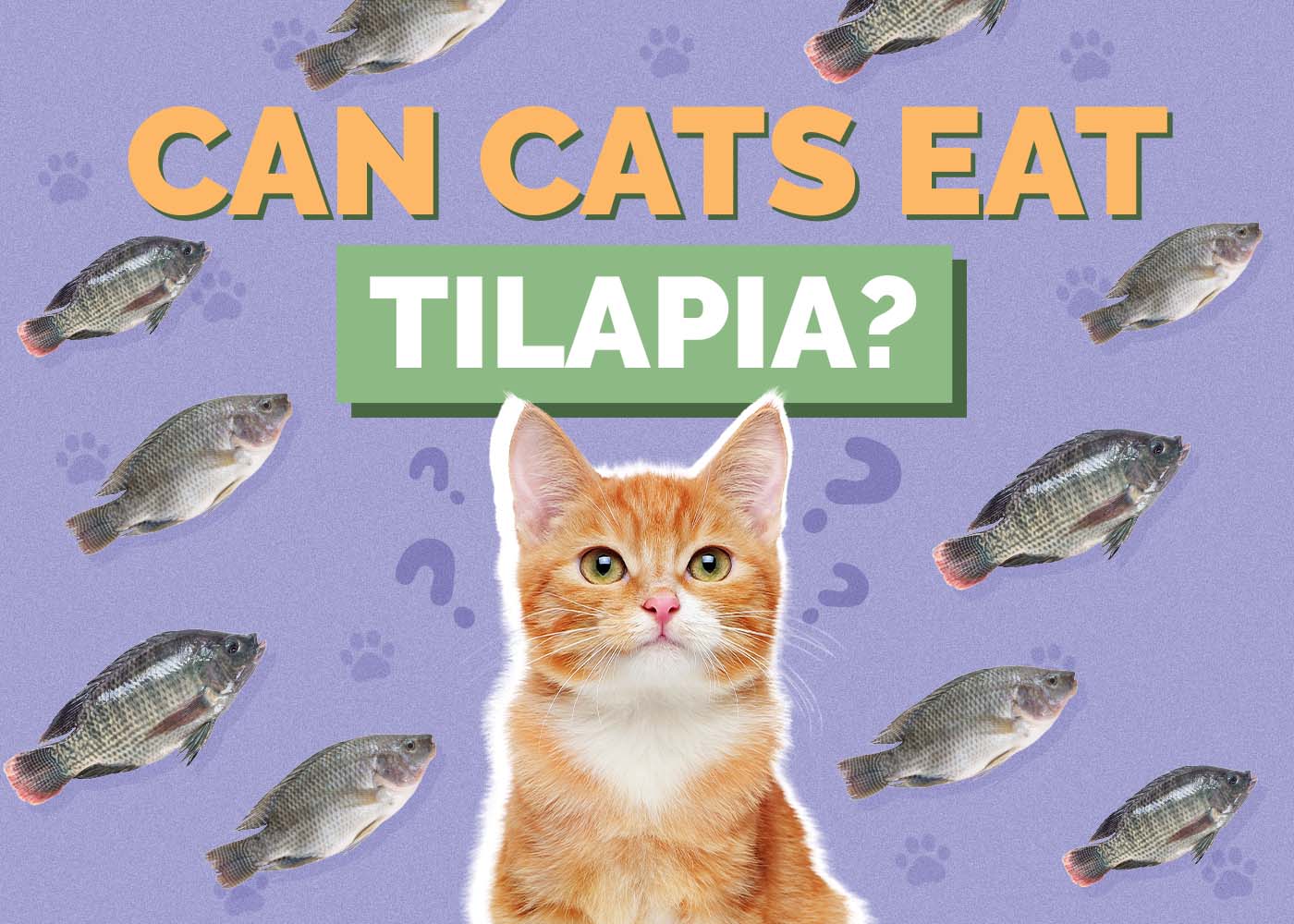
As the fourth most popularly eaten fish in the United States, tilapia makes up almost 100 species of fish and can be found in bodies of freshwater throughout the world.1 Chances are that you have had your fair share of tilapia throughout your life. If you enjoy cooking tilapia at home as a cat owner, you are probably wondering whether you can share the fish with the feline member(s) of your home without consequence.
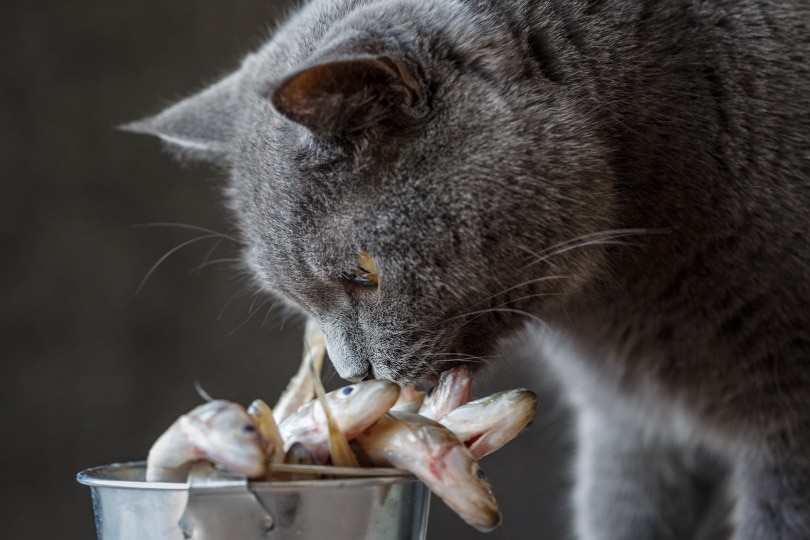
The short answer as to whether cats can eat tilapia is yes, they can. However, there are a few considerations and caveats to consider before you feed tilapia to your kitty household members. The first thing to note is that tilapia should never make up most of your cat’s diet, as fish is not a natural food for them. Tilapia should be treated as a supplement or occasional snack instead. Here is everything else that you should know about feeding tilapia to your pets.

The Benefits of Feeding Tilapia to Cats
The health benefits of tilapia for cats are about the same as those for humans because they can absorb the same nutrients from the fish. This type of fish happens to have many vitamins and minerals that cats need to thrive, including:
- B12
- Niacin
- Phosphorous
- Choline
- Selenium
Tilapia is also known to help prevent the onset of cancer, promote healthy bone growth, and enhance heart health, in humans. It is high in omega fatty acids, which are known to keep a cat’s skin healthy and help fight against arthritic joint pain, which is especially helpful for older cats.
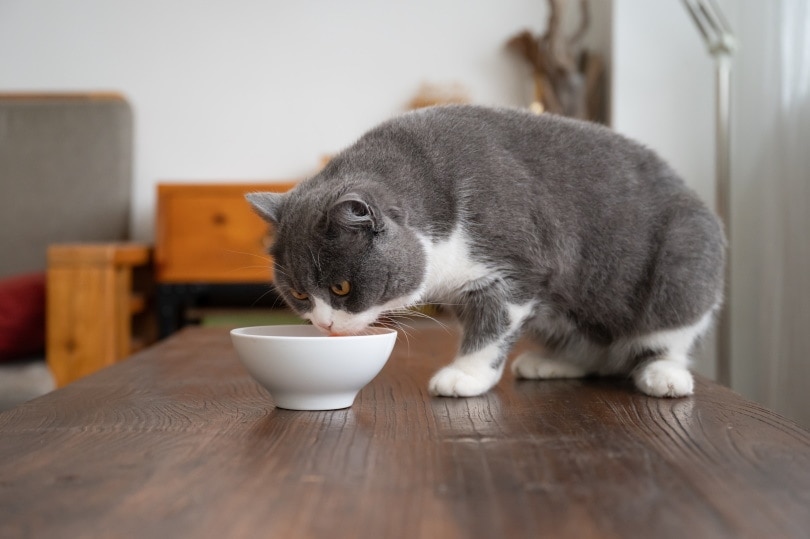
Why Tilapia Should Be a Limited Offering
Tilapia is not something that cats could capture and eat in nature, so like all other fish, it would never be a natural part of their diet. Sometimes, fish like tilapia is included in commercial food but is typically only a part of the mix as a supplement to chicken or beef protein. Tilapia does not offer all the vitamins, minerals, and other nutrients that your cat needs to thrive as time goes on.
If tilapia makes up most of their diet, your cat may lack an intake of certain vital nutrients, which can make them nutrient-deficient at some point. Therefore, your cat should eat quality commercial food, made by a reliable company, that is nutritionally balanced at mealtime. Tilapia should be offered as an occasional snack or as a small addition to your cat’s commercial food to ensure optimal nutrition intake.
Tilapia Feeding Suggestions
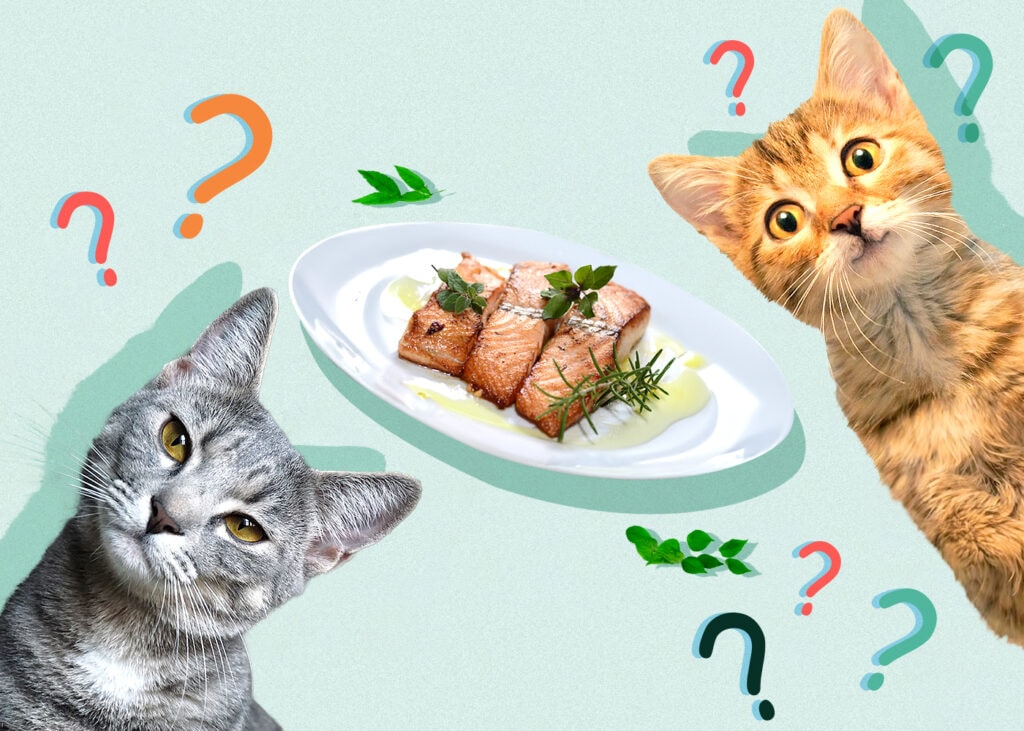
You can feed your cat tilapia a few different ways. First, consider simply sautéing a little piece up, putting nothing else but water in the pan. Feeding your cat cooked tilapia without any additives is the healthiest way to do it. They will get all the nutrients of the food and none of the negative effects of things like fatty oils and spices like garlic (which can be extremely dangerous to cats!).
Just don’t add salt, pepper, and other seasonings to the fish, as these could cause digestive problems such as diarrhea, nausea, and a lack of appetite.
Alternative Fish Options to Consider
Tilapia is not the only kind of fish that is safe for cats to consume occasionally. There are great options out there that can help round out your kitty’s nutritional needs. The best ones are those that have low mercury levels, including:
It is important to make sure the fish that your cat eats is wild-caught, not farm-raised. Farm-raised fish tend to have higher amounts of toxins and lower amounts of nutrients than fish caught in the wild.
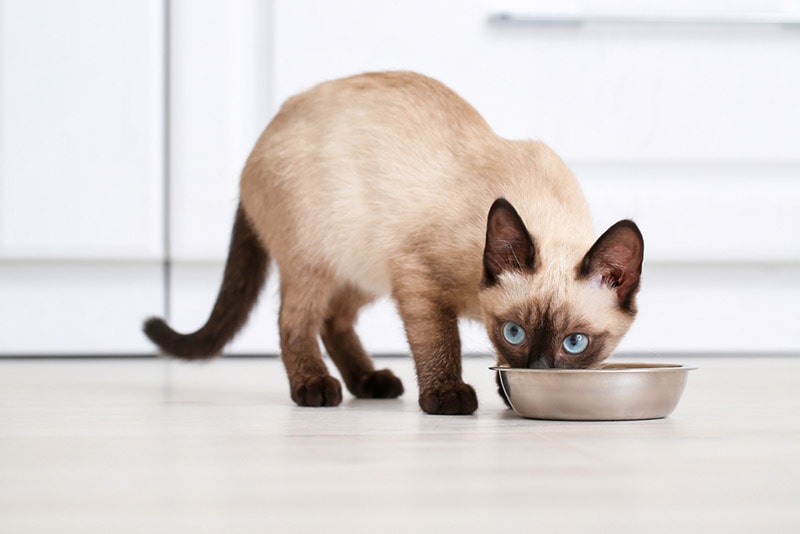
Now that you know what you can safely feed your cat, it’s just as important to find a bowl that supports their health and well-being. With whisker-friendly bowls and a wide tray to catch any spills, our Hepper NomNom Cat Bowl is our favorite option.

- NO MESS - The 360° tray on this cat food and water bowl set has a raised design to catch and contain stray crumbs and drips. Protect your indoors and floors from wet and messy meals!
- WHISKER FRIENDLY - Shallow and wide metal containers with flat bottoms ensure your kitty can enjoy mealtime free from whisker fatigue!
- CHEW-SAFE MATERIALS - Kittens and cats love chewing on silicone and soft rubber - but it's a choking hazard. Our cat feeding station materials are anti-chew for a 100% safe feeding frenzy!

Wrapping It Up
Most cats love to eat fish such as tilapia, which makes it easy for us to offer it to them. If we give our cats too much tilapia, though, they are likely to eat less of their regular food and start to develop nutrient deficiencies. Therefore, your cat’s diet should be made up mostly of commercial food that is nutritionally balanced and then supplemented with snacks of tilapia and other healthy foods.
Don’t feed your cat tilapia every day. Make it for them on a special occasion, and you’ll both reap the rewards.
Related Reads:
Featured Image Credit: 6809042, Pixabay
Get Hepper In Your Inbox


Pet care tips from our vets and experts, straight to your inbox.
You may opt-out at any time. View our Privacy Policy for more information.
Rachael has been a freelance writer since 2000, in which time she has had an opportunity to research and write about many different topics while working to master the art of fusing high-quality content with effective content marketing strategies. She lives off the grid in Hawaii with her husband, her garden, and her rescue animals including 5 dogs, a cat, a goat, and dozens of chickens. She is an artist at heart and loves to read, paint, and make jewelry in her spare time. As a vegan, Rachael is obsessed with helping animals in need both in her community and anywhere in the world where she feels she can make a difference. Animals also happen to be her favorite topic to write about!
Join the conversation
Ask a question, share your story, or send private feedback.