Hepper is reader-supported. When you buy via links on our site, we may earn an affiliate commission at no cost to you. Learn more.
Can Cats Eat Liver? Vet-Reviewed Nutrition Facts & FAQ


In this article
Every cat owner should be aware of what they can and cannot feed their cat. We know that cats have very different dietary and nutritional needs than humans. As obligate carnivores, cats can eat liver, but it is very important to only offer it to them in moderation and according to your vet’s advice. This will also depend on the origin of the liver and the way it’s prepared. Too much or too frequent feeding of animal liver to your cat can cause vitamin A toxicity.
In this article, we will go over both the benefits and potential risks of feeding your cat liver and cover all you need to know about this tasty treat. Always consult with your veterinarian about the dietary requirements of your cat, especially before offering them a new food item.

Cats and Liver
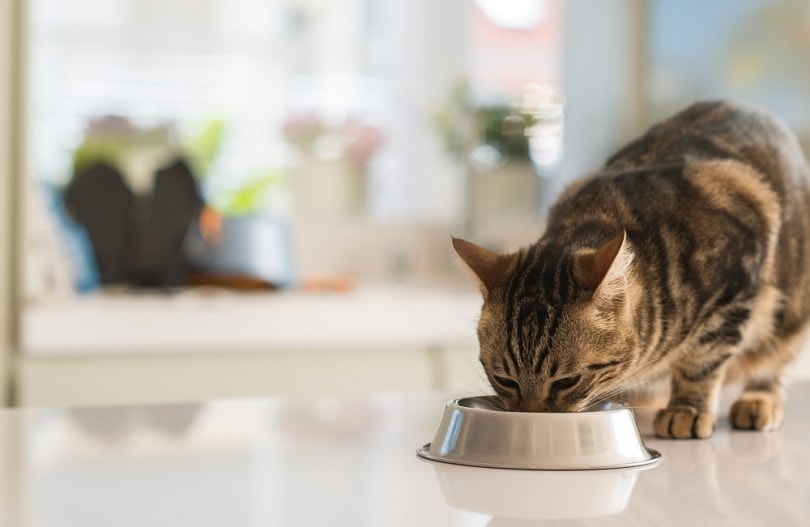
Though cats have been domesticated for many, many years, they still have the same nutritional requirements as their wild ancestors meat. In the wild, a cat will typically consume the entire prey animal, including all the organs. Keep in mind that cats’ prey are very small animals, so they are not consuming large amounts of liver when they feast.
Benefits and Risks of Liver
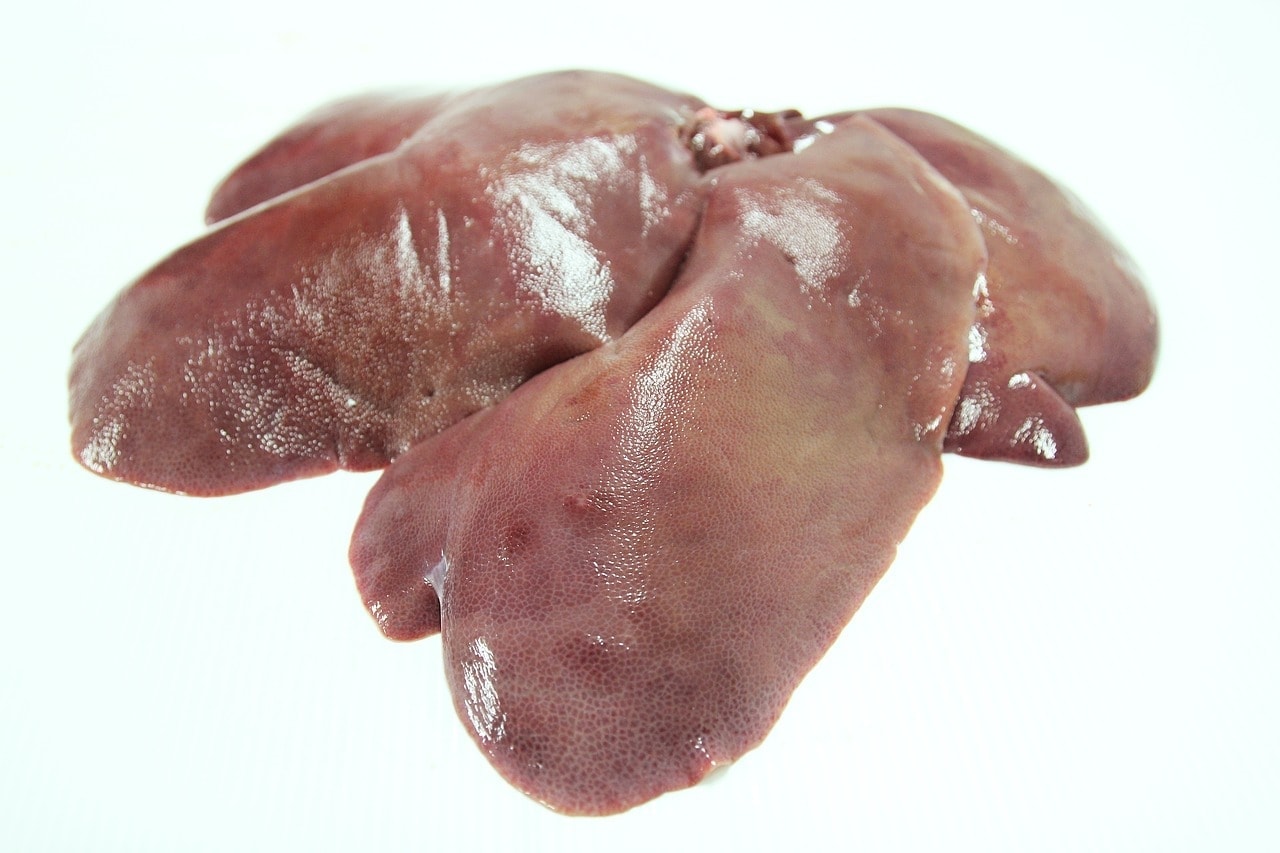
The liver has a very high fat content and is packed full of vitamin A, copper, and iron. It also contains zinc, phosphorus, selenium, and vitamins B12, D, E, and K. While it is loaded with beneficial nutrients, it is important to be aware that too much of a good thing can turn out not-so-good.
With the liver being packed full of vitamin A, it's important to feed the liver in small amounts and in moderation to your cat. Otherwise, vitamin A toxicity may become a risk.
In addition, the high fat content in the liver can cause some digestive disturbances, such as vomiting and diarrhea.
Vitamin A Toxicity
Vitamin A is an essential vitamin for all species of mammals, birds, and even fish. This vitamin plays a vital role in proper growth, vision, skin, and reproductive health. Vitamin A toxicity can occur suddenly when large doses are accidentally ingested, which is more common in dogs, or it may have a delayed effect over time when an animal is fed vitamin A-rich foods, such as the liver, or even through supplementation of cod liver oil.
Vitamin A is a fat-soluble vitamin that is absorbed along with other fats in the diet and is stored in the fatty tissue and the liver, unlike water-soluble vitamins that are eliminated through urination when excessive amounts are consumed. This is why the liver is so high in vitamin A.
Beef liver is much more likely to cause vitamin A toxicity in our beloved cats, simply because of the size of the animal. Chicken liver is typically the liver of choice for cats but can still cause vitamin A toxicity over time if fed in amounts larger than the ones recommended.
Signs of Vitamin A Toxicity
The signs of vitamin A toxicity can come on suddenly or develop over time. Make sure you reach out to your veterinarian if you fear your cat is suffering from this condition or exhibit the following signs:
Diagnosis and Treatment
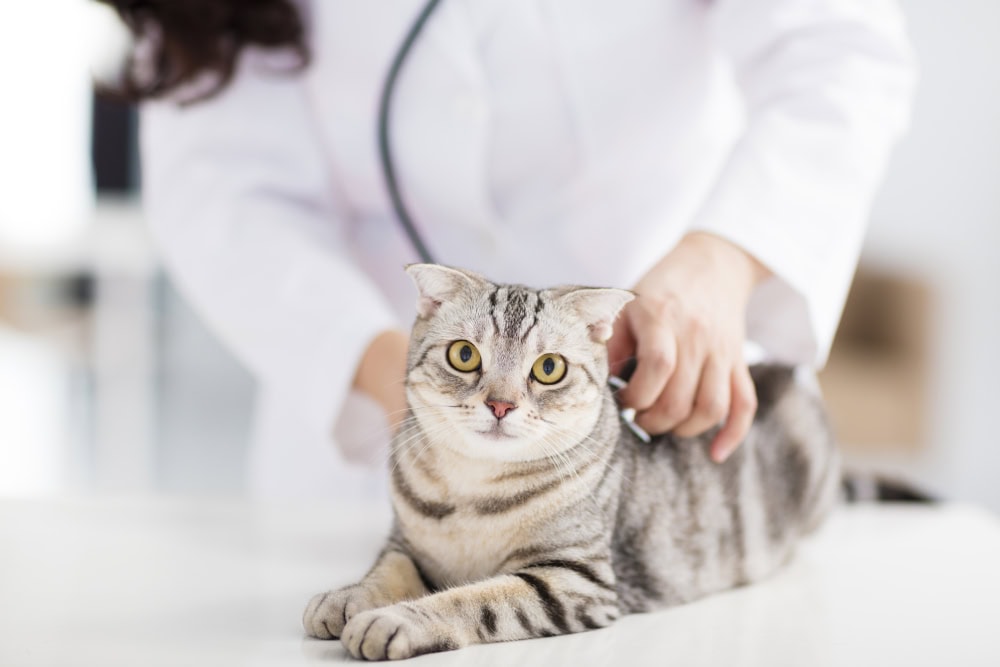
Cats are more susceptible to vitamin A poisoning than dogs are. To properly diagnose this condition, you will need to get your cat to the veterinarian for a health evaluation. Vitamin A toxicity will be diagnosed based on a history of excessive vitamin A supplementation, development of common clinical signs, blood tests, and x-rays, while your vet will likely need to perform a series of tests to rule out any other possible conditions.
Treatment in chronic cases comes down to your cat being fed a proper, well-balanced diet. Once the source of the toxicity ceases, your cat will begin to improve, although bone changes, if present, will be irreversible. As vitamin A is stored in the liver, liver values may be elevated for years. Some cats with mobility issues may require painkillers. Prevention is key for your cat’s overall health, it is important to be aware of how to feed your cat the type of diet they need to thrive.
Always contact your veterinarian before offering your cat any supplementation or adding anything new to their diet. Your vet can go over all the potential risks and benefits and help you decide the best course of action.

What Type of Liver Should I Feed My Cat?
Chicken liver is considered the optimal source of liver if you choose to feed them this occasional treat. As a general rule, stick to no more than a tablespoon once or twice a week. Beef liver comes with higher chances of vitamin A toxicity.
Raw vs Cooked
While some owners like to feed raw liver, it also increases the likelihood of foodborne illnesses caused by the bacteria that can be found in raw meat. Cooking the liver will eliminate these risks and is considered safer for both you and your cat.
To prepare liver for your cat, you can simply take the liver and boil it in water. There is never a need to season or throw in any additional additives. Once cooked, you can chop it up into small pieces and only offer a small amount. You do not have to throw away the broth either, you can offer it as an addition to your cat’s food or even offer it to the dog. Make sure to offer liver to your cat in moderation, no more than once per week.

Can Cats Eat Other Organs?
Like the liver, the other internal organs of prey animals are consumed in the wild. Many predators seem to even favor the internal organs over other parts of their prey’s body. These other organs are also excellent sources of protein, vitamins, minerals, and other nutrients. As with the liver, other organs should also be fed in moderation and in small amounts.
A Cat’s Dietary Needs
A cat’s dietary needs are quite simple but very important for their overall health. Since they are obligate carnivores that obtain all of their needed nutrients directly from meat, their diet should be based on animal protein.
Commercial foods on the market are designed to encompass a cat's dietary needs but not all foods have the same level of quality. Make sure you discuss different food options with your veterinarian and ensure you opt for high-quality cat food.
Avoiding any fillers, by-products, harmful chemicals, dyes, unnecessary additives, and excessive carbs can be very beneficial during your food search. Cats should be provided with fresh, clean water at all times. In the wild, they get most of their hydration from their prey. Adding wet food as a supplement can help, but access to water is very important since they cannot get moisture and hydration from dry kibble sources.
Treats should be given in moderation to avoid stomach upset and obesity, along with the negative health issues associated with it. Treats should also be high-quality and sourced from meat.
Now that you know what you can safely feed your cat, it’s just as important to find a bowl that supports their health and well-being. With whisker-friendly bowls and a wide tray to catch any spills, our Hepper NomNom Cat Bowl is our favorite option.

- NO MESS - The 360° tray on this cat food and water bowl set has a raised design to catch and contain stray crumbs and drips. Protect your indoors and floors from wet and messy meals!
- WHISKER FRIENDLY - Shallow and wide metal containers with flat bottoms ensure your kitty can enjoy mealtime free from whisker fatigue!
- CHEW-SAFE MATERIALS - Kittens and cats love chewing on silicone and soft rubber - but it's a choking hazard. Our cat feeding station materials are anti-chew for a 100% safe feeding frenzy!
Conclusion
Cats can eat liver but it is best to only offer liver in moderation, especially not more than once per week or according to your vet's advice. While this fatty organ has many health benefits, it can also cause vitamin A toxicity and overwhelm the system with high-fat content if fed regularly.
Chicken liver is your best bet and it is recommended to feed it cooked rather than raw to avoid bacteria. Remember to reach out to your veterinarian with any questions regarding your cat’s diet and consult with them before adding anything new.
See also:
Featured Image Credit: Arinaja, Pixabay
Get Hepper In Your Inbox


Pet care tips from our vets and experts, straight to your inbox.
You may opt-out at any time. View our Privacy Policy for more information.
Lindsay is a wife, mother, nature enthusiast, animal lover, and business major. She was born and raised in the United States and now lives in Tulsa, Oklahoma. She shares her home with a German Shepherd, several snakes, tarantulas, and a couple of rescue cats.
Lindsay and her husband enjoy traveling the US with their children and photographing wildlife. Lindsey is passionate about proper animal care and education around it!
Join the conversation
Ask a question, share your story, or send private feedback.