Hepper is reader-supported. When you buy via links on our site, we may earn an affiliate commission at no cost to you. Learn more.
Can Cats Eat Lamb? Vet-Reviewed Facts & FAQ


In this article
In current times of cat ownership, diets and foods available to feed your kitty have increased rapidly. There are now more choices and schools of thought regarding the best diet and types of foods to feed your cat than ever before. We as owners may also like to feed an offering of our human food as a treat or make a homemade diet instead of offering store-bought. If your cat is a meat lover, you may be wondering, can your cat eat lamb? Is lamb a safe choice of meat to feed my cat?
Absolutely! Yes, cats can eat lamb.
Cats are obligate carnivores, which means they have to eat meat every day to gain all the nutrients and calories they require. Providing your cat isn’t allergic or intolerant to lamb, then lamb can form part of your kitty’s balanced diet. If you feed store-bought food as their main diet, then lamb can be given as an extra treat or be the flavor of choice for store-bought treats.
Disclaimer: Before adding lamb to your cat’s diet, we advise consulting your veterinarian first. It may not be suitable for all cats depending on their age, health, level of activity, and medical history.

Is Lamb Good for My Cat?
Lamb is a good source of protein, as it is found in high amounts in this particular meat. Minerals such as zinc and iron are also found in lamb, alongside vitamins, especially B vitamins. As a trade-off, lamb is quite a fatty meat; therefore, it may contribute to obesity and potentially be a cause of pancreatitis (inflammation of the pancreas and a serious condition) if fed in excess. However, if your cat needs to gain a little weight and is not on a prescription diet, then lamb may be a good option to feed or offer as a tasty treat.
Is Lamb a Good Treat for My Cat?
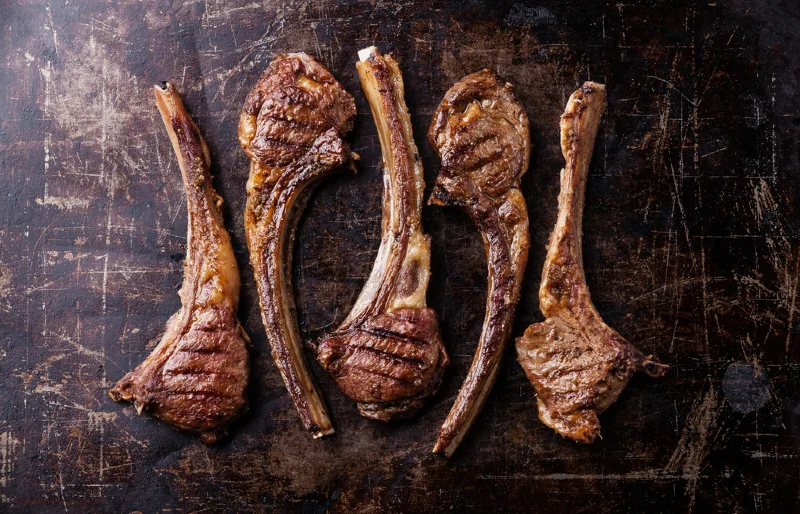
As long as your cat is not allergic or intolerant to lamb, on a prescription diet, or trying to lose weight, then offering a bit of lamb once or twice a week is generally acceptable. We all want to offer our pets a treat here and there but be mindful that treats for your cat, like lamb or lamb-flavored treats, should only make up around 10% of their daily calorie intake.
Allergies or Intolerances to Lamb
Food allergies are not common in cats, they are estimated to affect around 1% of cats but up to 15% of all itchy cats. Food intolerances are more common. Food allergies usually cause skin signs but can also affect the gastrointestinal tract.
Signs of a Food Allergy in Cats:
Any suspicions or signs displayed by your cat need to be addressed and examined by your veterinarian. They will be able to discuss with you how to investigate possible food allergies or intolerances.
Can Cats Eat Raw Lamb?
Feeding cats a raw diet is a controversial topic. While some, including many pet owners, are pro raw food and happy to feed their cats this form of diet, others are against it.
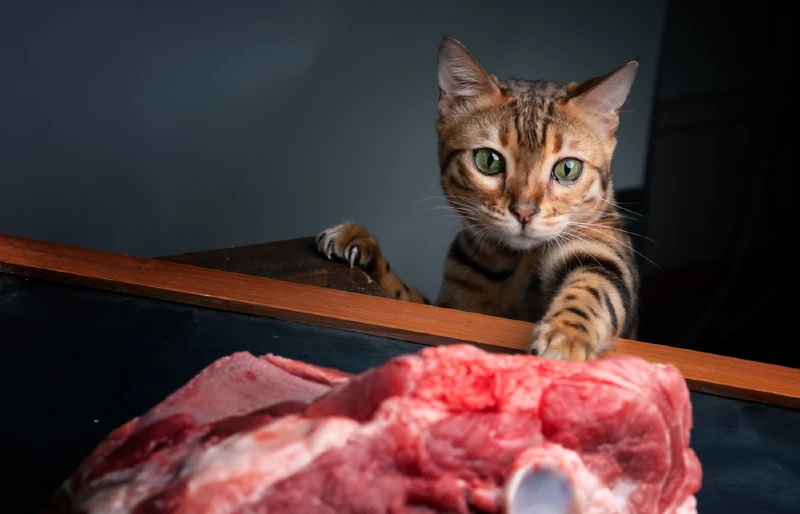
The choice, of course, will be your own but this is best discussed with your veterinarian or veterinary nutritionist first to ascertain if a raw diet is suitable for your pet. Be aware that there are infectious risks to both your pets and your family from feeding a raw meat diet.
Is Lamb Good for Sensitive Cats?
Provided part of their sensitivities are not lamb driven, then lamb fed in moderation and in proper portions can be okay to feed to your sensitive cat. If they need a low-fat diet and have suffered pancreatitis in the past, then lamb will likely not be advisable, especially when many other choices are available. Speak to your vet for advice on the best diet for your individual kitty.
What Is a Healthy Diet for Cats?
A nutrient is defined as a solid or liquid that is capable of nourishing a living being, allowing normal function of cells, and promoting life.
Nutrients fall into the following categories, and should be contained in any diet you feed your cat in the correct amounts:
- Protein
- Fat (lipids)
- Carbohydrates
- Vitamins including A, B, C, D, E, and K
- Minerals including iron, zinc, selenium, manganese, phosphorus, potassium, calcium, iodine, copper, sodium and chloride
- Water
Cats are obligate carnivores, meaning, they must eat animal meat. They have two extra nutritional requirements when compared to dogs, humans, and other species, which are:
- Taurine: a particular type of essential amino acid found only in protein from animal meat
- Arachidonic Acid: an essential fatty acid derived from animal origin
For this reason, cats must eat animal meat and cannot be fed a vegetarian or vegan diet. Failure to provide your cat with taurine and arachidonic acid results in serious health concerns.
Cats also require lower levels of carbohydrates, as they are unable to metabolize large amounts and derive most of their energy from proteins and fats.
In Conclusion
Complete diets, treats, and the myriad of different foods which are safe to offer your cat is such a big topic to discuss. While part of these choices and decisions are yours and your cat’s preferences, so long as your cat’s health is put first and they are fed a complete and balanced diet, then lamb can be a good meat to feed your pet in moderation. If any questions or confusion arises about their nutrition and the types of food you wish to give your cat, these need to be addressed with your veterinarian or a veterinary nutritionist.
Sources
Featured Image Credit: Douglas Freer, Shutterstock
Get Hepper In Your Inbox


Pet care tips from our vets and experts, straight to your inbox.
You may opt-out at any time. View our Privacy Policy for more information.
Annaliese began her career as a veterinary nurse in Edinburgh, later advancing her qualifications with a diploma in advanced veterinary nursing in surgery from London. Her work in small and mixed veterinary practices led her to become a head nurse, where she trained other veterinary nurses, managed the nursing department, conducted nurse clinics, and developed new patient care protocols.
Throughout her career, Annaliese has cared for thousands of patients and their owners, setting higher standards in nursing regimes with a focus on surgery and anesthesia. She co-authored multiple veterinary nursing textbooks and contributed to various mainstream publications in the UK and USA. After more than twenty years in the veterinary and pet care professions, she retired from clinical practice to pursue full-time writing. Having cared for thousands of patients and owners, Annaliese specialized in surgery and anesthesia. She was asked to co-author several veterinary nursing textbooks and contributed to a number of other publications in the UK and USA. After more than two decades in the veterinary and pet care industries, she retired her scrub suit and now works as a full-time writer.
Annaliese Morgan has been a dedicated veterinary nurse for over two decades, having completed a diploma in advanced veterinary nursing in surgery from London and qualifying from Edinburgh. Her professional experience includes managing a nursing department, training other veterinary nurses, providing patient care, and running nurse clinics in both small and mixed veterinary practices.
As an expert in surgery and anesthesia, Annaliese has treated thousands of patients and owners. In addition to being asked to co-author multiple veterinary nursing textbooks, she has written for a variety of publications in the UK and USA. After a long and successful career in the veterinary and pet care professions, Annaliese now dedicates her time to writing full-time. You can find out more about her work at www.annaliesemorgan.com.
Join the conversation
Ask a question, share your story, or send private feedback.