Hepper is reader-supported. When you buy via links on our site, we may earn an affiliate commission at no cost to you. Learn more.
Can Cats Eat Mint? Vet Reviewed Nutrition Facts & FAQ


In this article
If you’re concerned about whether it’s safe for a cat to eat mint, then most likely you’re a cat parent and your curious kitty has gotten into something they shouldn’t have. Trust us, we understand. Cats are naturally curious creatures who will find their way into some of the most troublesome situations. Eating mint can be one of those situations.
The answer to your question is no, cats should not eat mint. Luckily, however, if your nosey feline has accidentally nibbled on your herb garden, it doesn’t mean they will get sick. For a cat to suffer from mint poisoning, they need to ingest quite a bit of this plant. Let’s take a look at the mint plant, the signs of mint poisoning, and what you can do to help your kitty if they happen to get sick from munching on this plant.

What Is Mint?
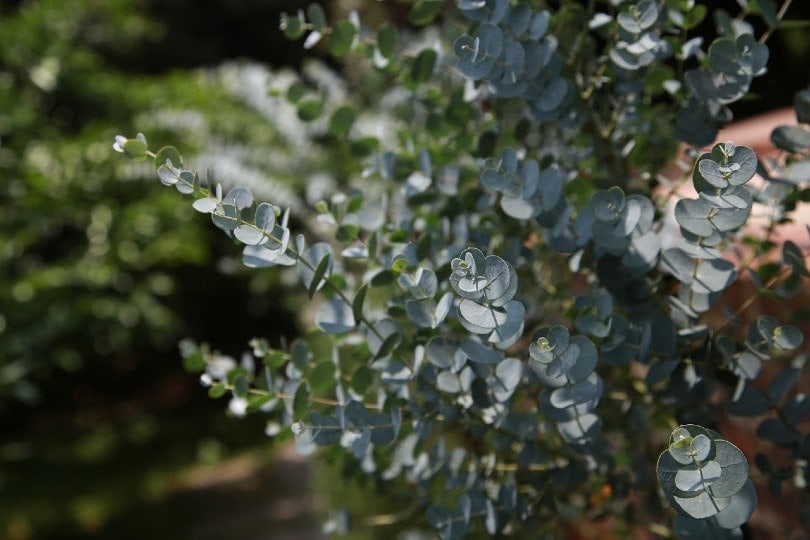
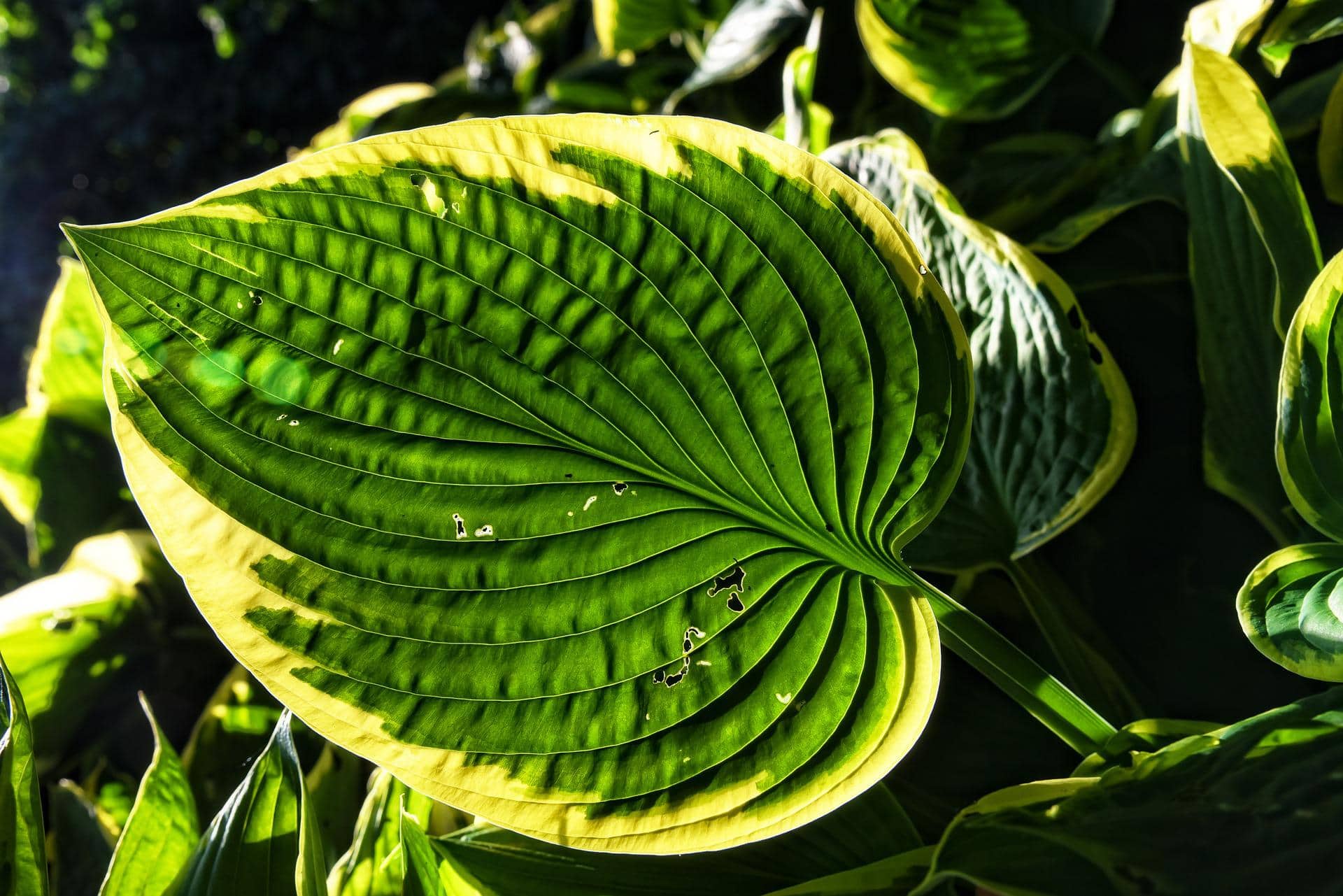
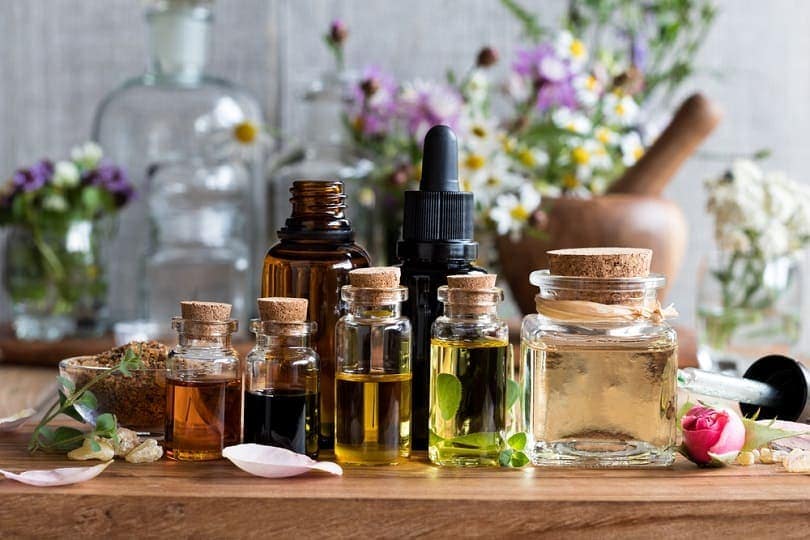
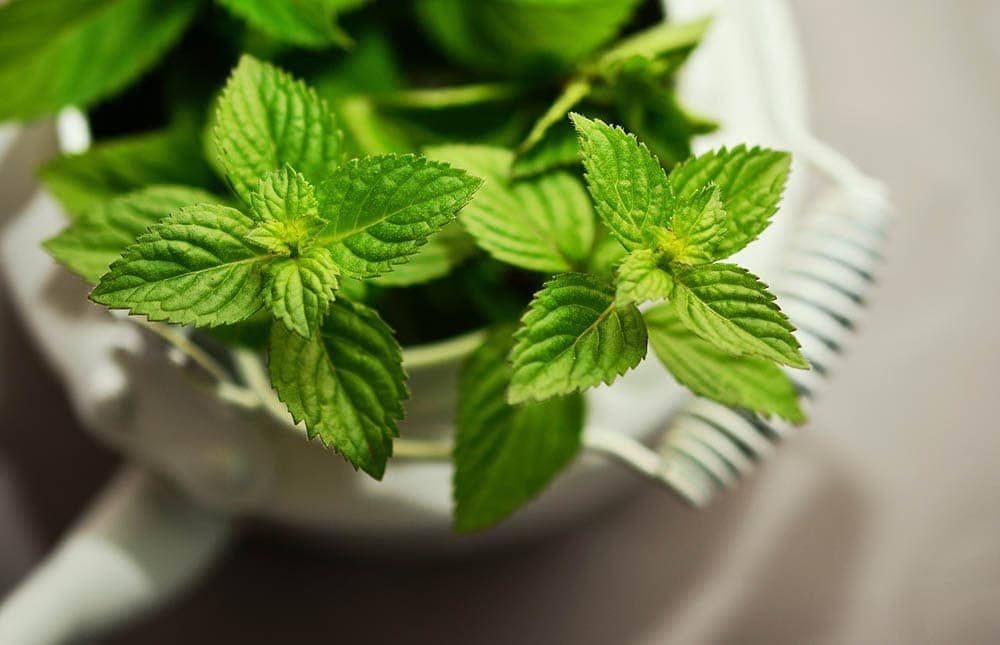
The mint family is made up of several types of plants. Normally it is the smell, large leaves, and square stems that make these plants distinguishable. Unfortunately, mint essential oil is found in each variation of the mint plant. It’s this oil that is so dangerous to cats and the reason why it is best to keep them away from mint. It is also one of the main reasons they are attracted to it. Like us, they enjoy the smell and it is similar to another plant they simply adore.
Peppermint and spearmint are also part of the mint family. Unlike regular mint and catnip, cats don’t find themselves attracted to peppermint. They don’t like it. In most situations, you’ll find that the smell of peppermint repels cats. Salicylate, found in peppermint and in spearmint, is toxic to cats and is the reason you should keep them far away from these plants.
The Difference Between Mint and Catnip
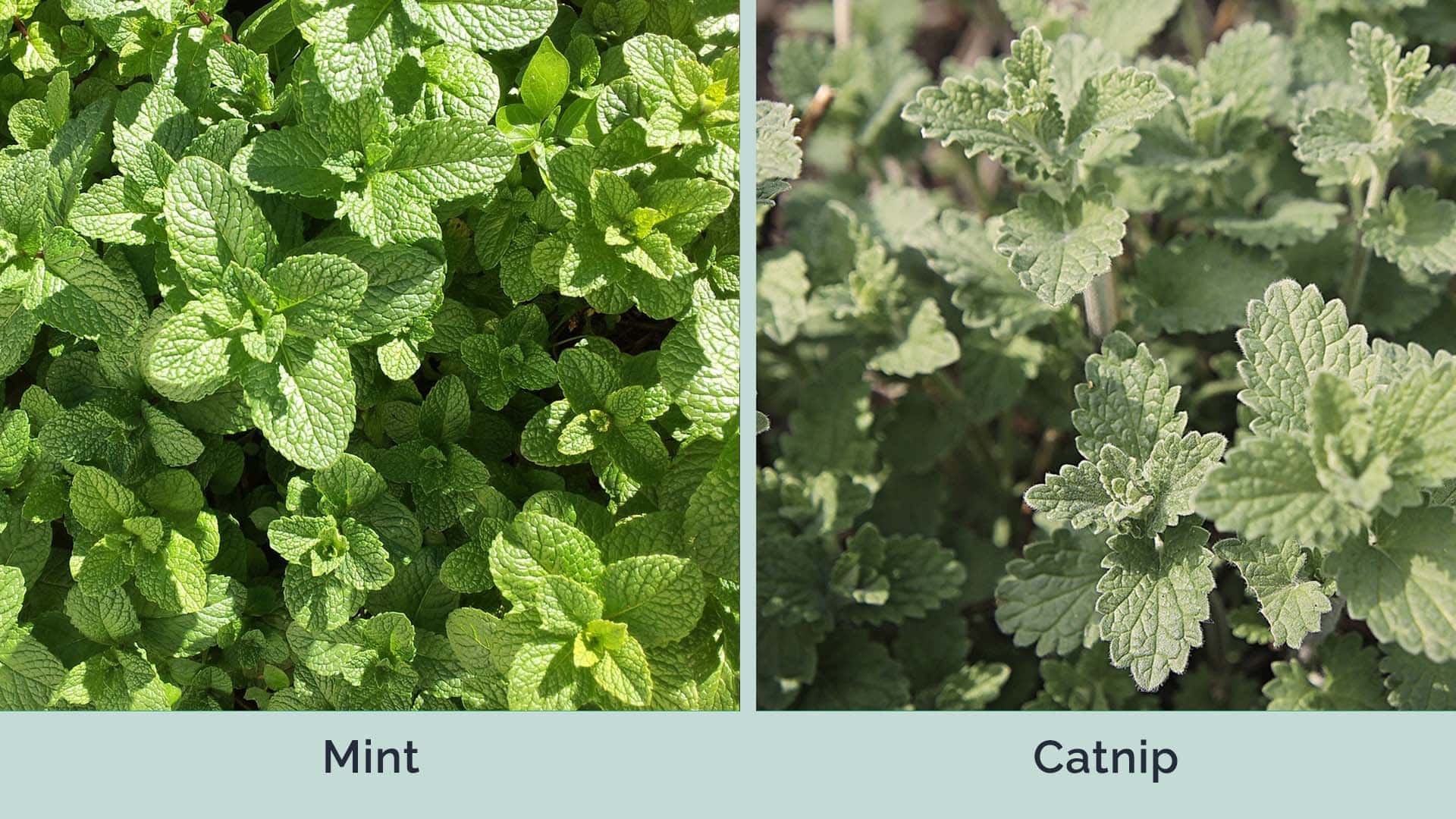
You may feel like your cat is a bit obsessed with your mint garden. That’s a big possibility considering mint and catnip, a plant beloved by cats, are so similar. As part of the same family, catnip or catmint smells like most other mint plants. Most, but not all cats, love catnip. For some cats, it induces a drug-like euphoria. Still, many owners report that their cats are attracted to their mint plants.
Signs of Mint Poisoning
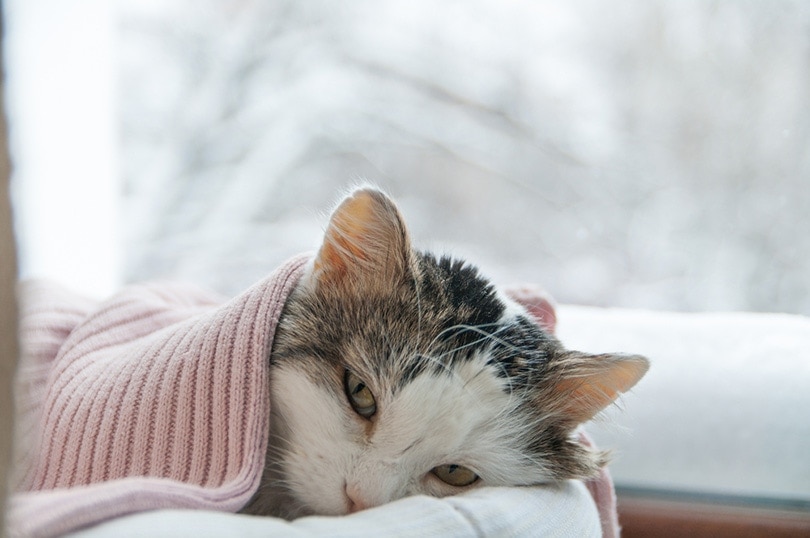
Any essential oil is dangerous to your cat in large doses. This is true of mint, spearmint, or peppermint. Normally, however, the signs are always the same. If you caught your kitty chewing on the leaves of mint, here’s what you should keep an eye out for:
Signs of poisoning include:
If your cat starts exhibiting these signs, then they require a trip to the veterinarian.
Treatments for Mint Poisoning
While mint poisoning is scary for us pet owners, cats need to ingest large quantities to get intoxicated, and even then, our kitties are usually fine in a few days. The vet will keep a close eye on your cat and in some instances, induce vomiting. Either way, they will most likely spend a few days under the owner’s observation to ensure they don’t dehydrate or have a more severe reaction.
Are Foods with Mint Safe for Cats?
While you may think mixing mint with other foods may make it safer, this isn’t the case. To keep your cat safe, it is best to keep them away from all forms of mint. If you plan on having it around the house, keeping it in an area your cat can’t access may be your best option.
Now that you know what you can safely feed your cat, it’s just as important to find a bowl that supports their health and well-being. With whisker-friendly bowls and a wide tray to catch any spills, our Hepper NomNom Cat Bowl is our favorite option.

- NO MESS - The 360° tray on this cat food and water bowl set has a raised design to catch and contain stray crumbs and drips. Protect your indoors and floors from wet and messy meals!
- WHISKER FRIENDLY - Shallow and wide metal containers with flat bottoms ensure your kitty can enjoy mealtime free from whisker fatigue!
- CHEW-SAFE MATERIALS - Kittens and cats love chewing on silicone and soft rubber - but it's a choking hazard. Our cat feeding station materials are anti-chew for a 100% safe feeding frenzy!

Conclusion
As a pet parent, it’s important to know what plants and other substances are harmful to your kitty. While cats can enjoy many feline-friendly foods and scents, mint is not one they should have regular access to. A small amount won’t put them in grave danger, but mint poisoning can become a serious issue. If your cat has ingested mint, we recommend reaching out to your veterinarian promptly.
Featured Image Credit: Pixabay
Get Hepper In Your Inbox


Pet care tips from our vets and experts, straight to your inbox.
You may opt-out at any time. View our Privacy Policy for more information.
Nicole is a lover of animals of all sizes but is especially fascinated with the feline variety. She’s the proud mom of Baby, a Burmese, and works every day so he can relax in the sunshine or by the fire. She’s always had a cat in her home and has spent countless days with others, observing behaviors and softening up even the grouchiest of the lot. Nicole wants to share her kitty expertise with you so you and your cat can live happy, healthy, and care-free.
Join the conversation
Ask a question, share your story, or send private feedback.